Grow
Task-led guidance for planting, soil, pruning and propagation.
199 entries
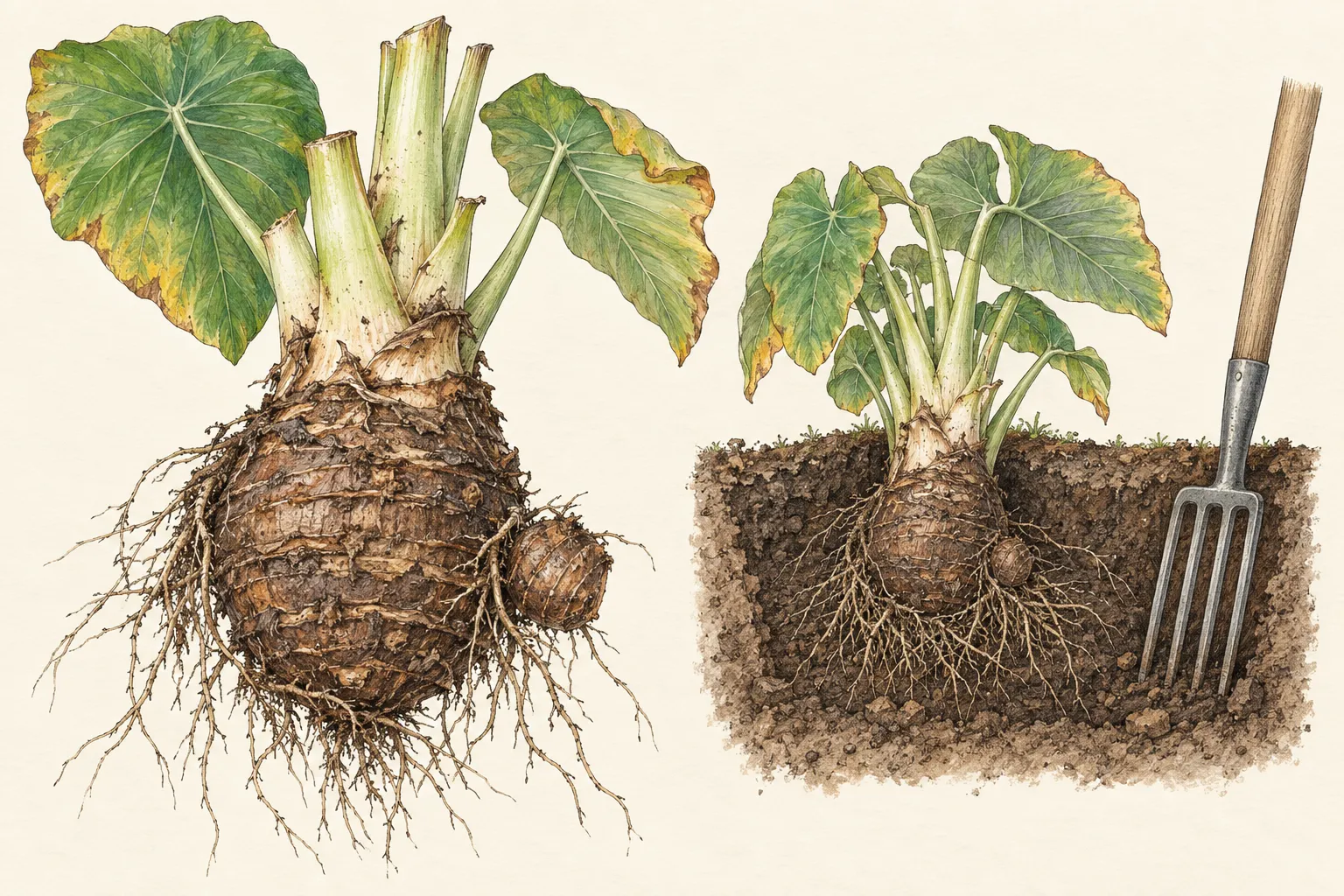
Lift and Store Colocasia Elephant Ears in Autumn for Cold Winters
Lift named Colocasia elephant ears for cold winters, dry the corms before packing, and compare regional temperature advice before choosing a storage method.
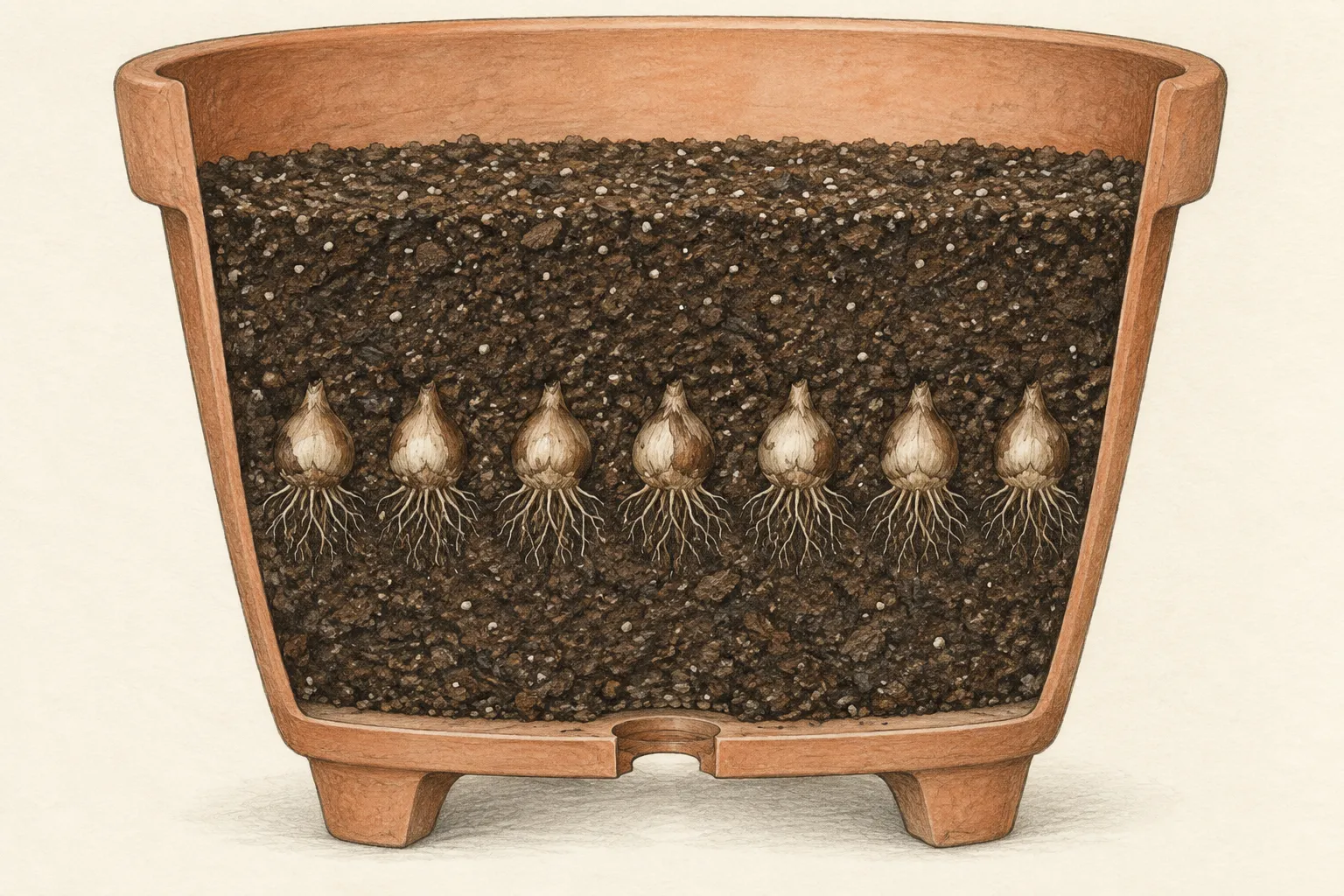
Plant Grape Hyacinths in Outdoor Pots for a Spring Display
Plant Muscari bulbs in a draining outdoor pot in autumn, protect the container through local winter weather, and keep leaves growing after bloom.
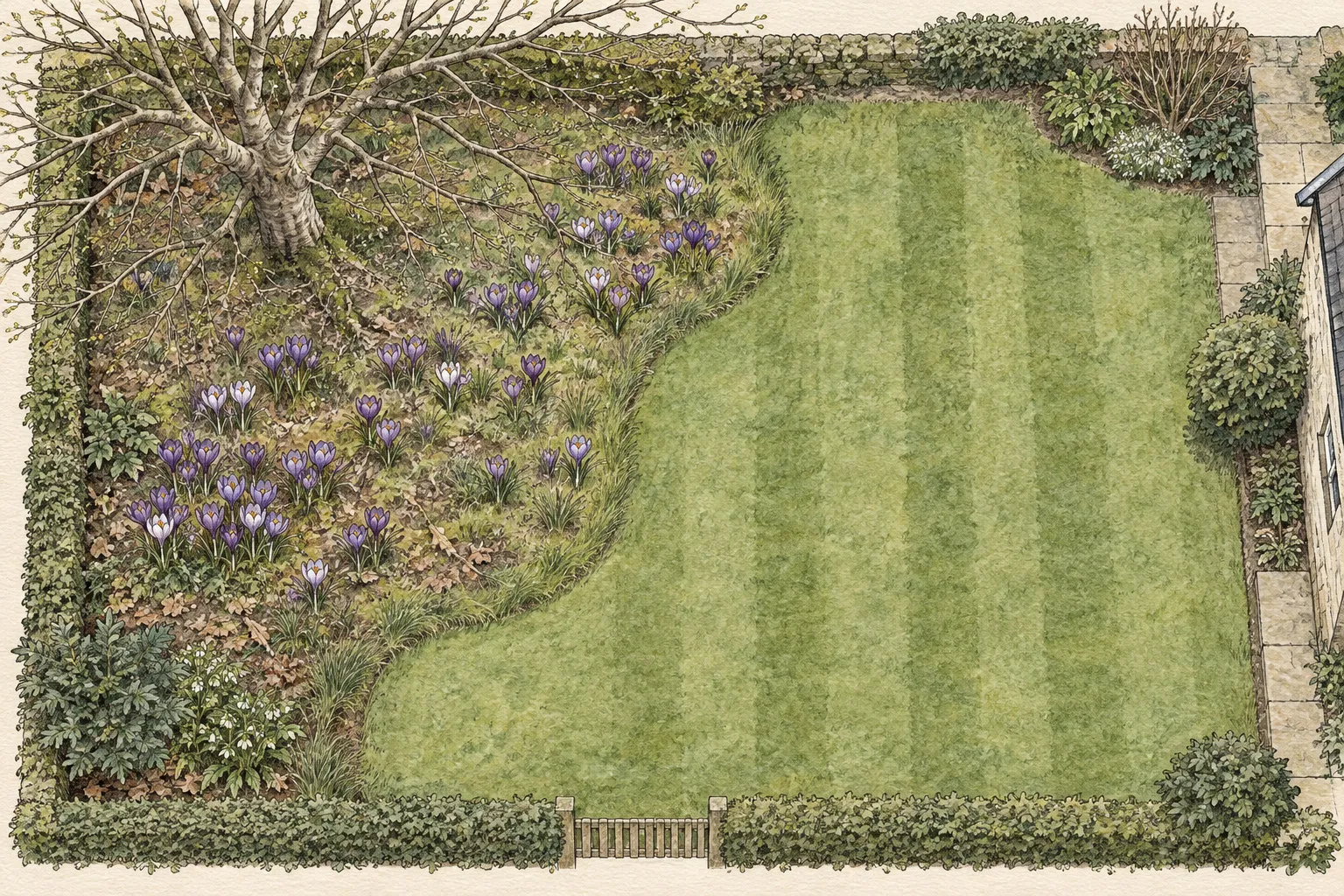
Plant Spring Crocus Corms in a Lawn You Can Mow Later
Choose a mow-later lawn patch, plant spring crocus corms in autumn, and let their leaves finish before the first cut across the drift.
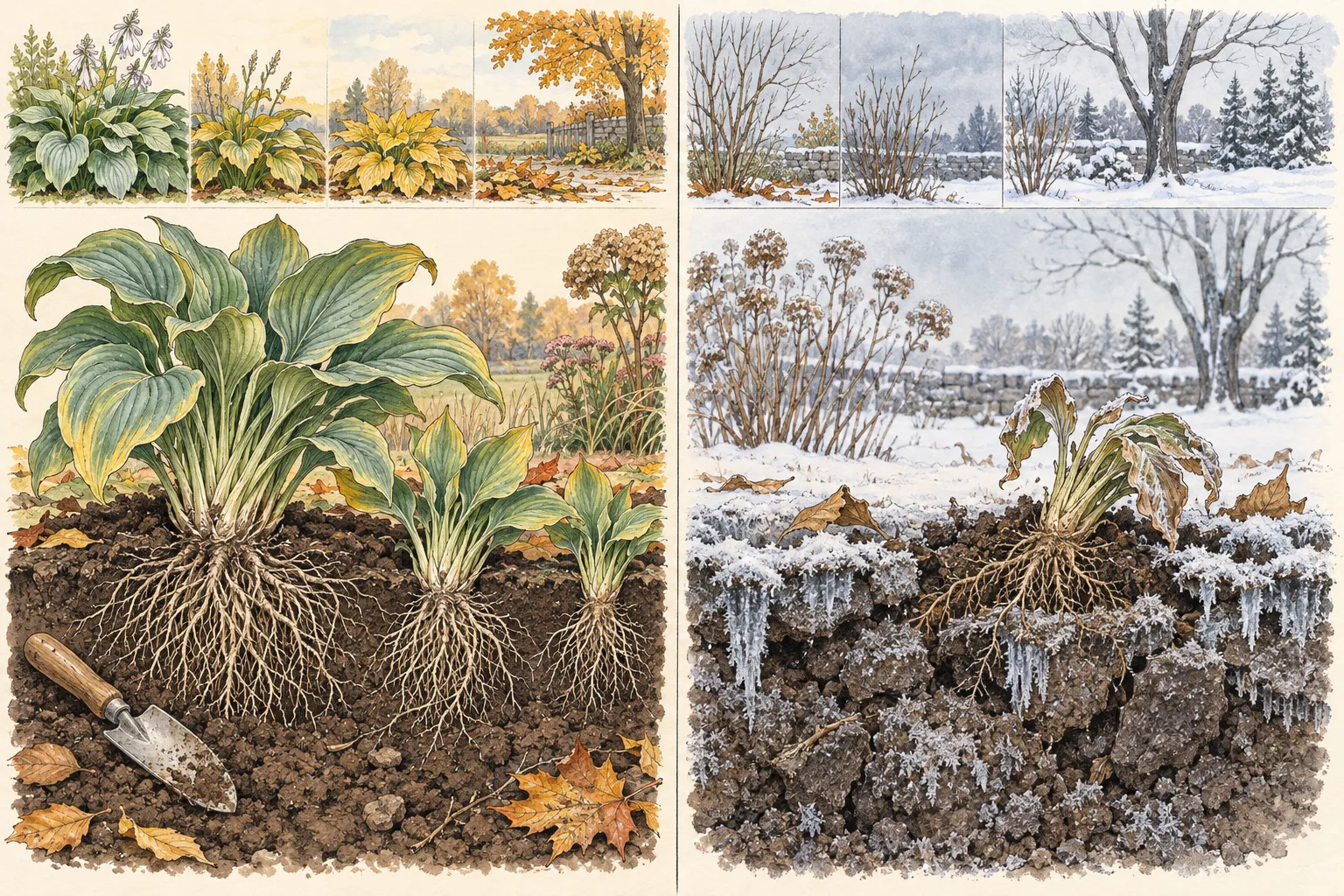
Can You Divide Hostas in October Before the Soil Freezes?
Use local soil-freeze timing, clump condition, and workable ground to decide whether an October hosta division can establish before winter.
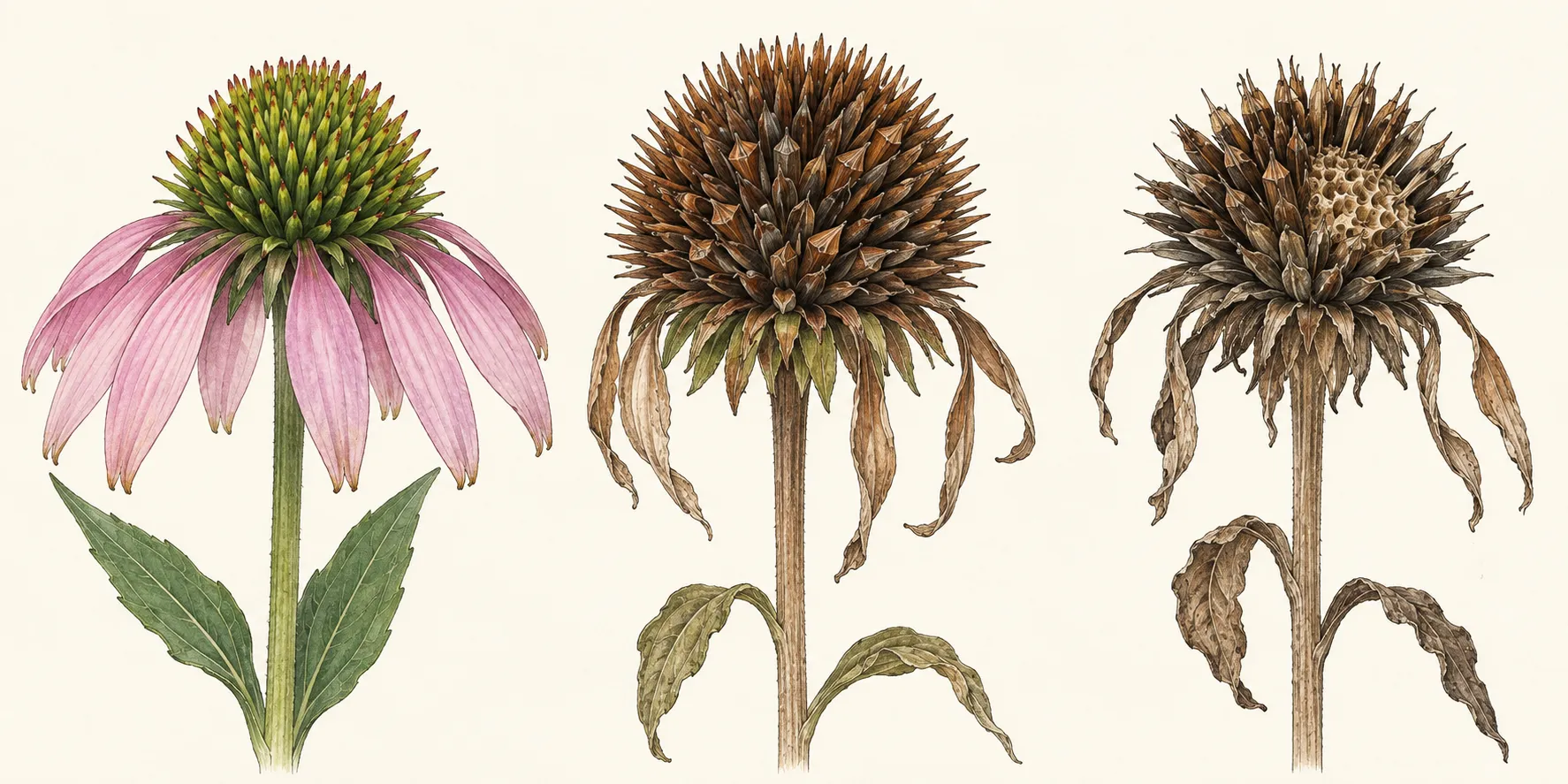
Collect Purple Coneflower Seed in Fall and Leave Heads for Birds
Test dry purple coneflower heads for ripe seed, collect a labeled share, leave winter bird food, and choose an E. purpurea sowing path.
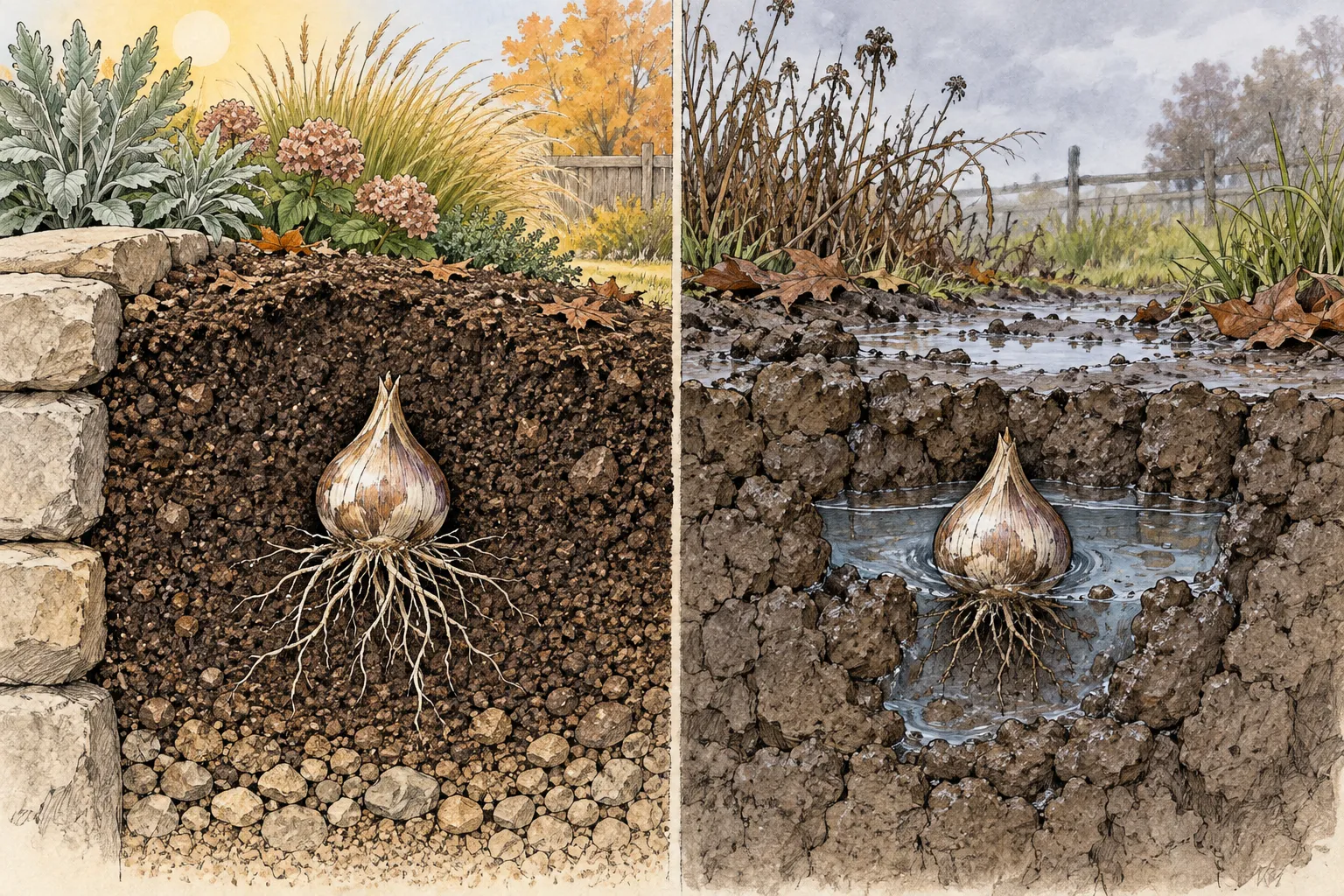
Plant Ornamental Allium Bulbs in a Well-Drained Autumn Border
Choose a draining site for ornamental allium bulbs, then set the named species at the right depth and spacing before winter rain tests the bed.
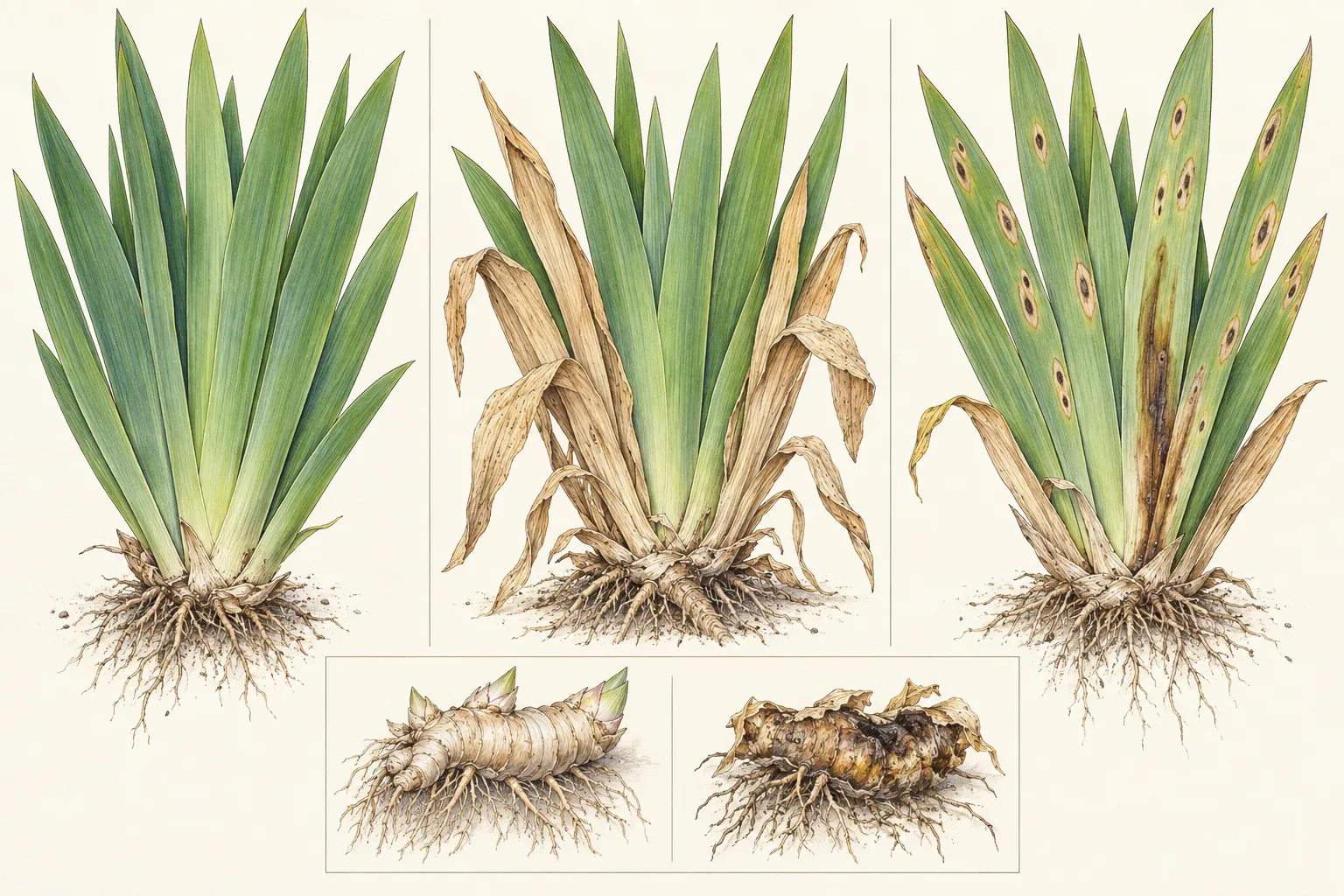
Clean Up Bearded Iris After a Hard Frost and Reveal Rhizome Trouble
Sort healthy, spent, spotted, and water-soaked bearded iris foliage, then remove the right material after a hard frost and inspect the rhizomes below.
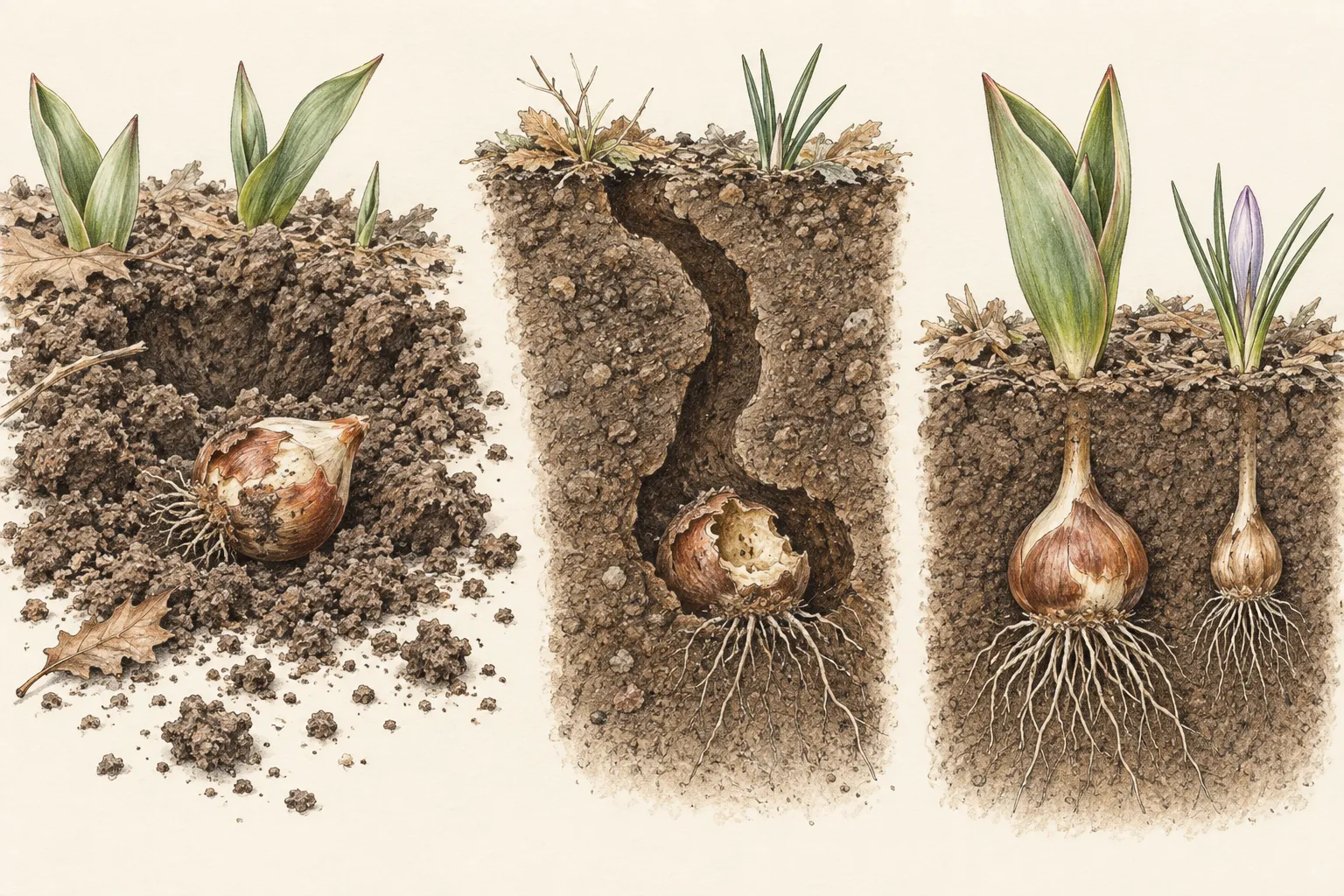
Protect Tulip and Crocus Bulbs with Wire Mesh After Autumn Planting
Protect newly planted tulip and crocus bulbs with a buried half-inch mesh cover or complete cage chosen from the actual digging pattern.
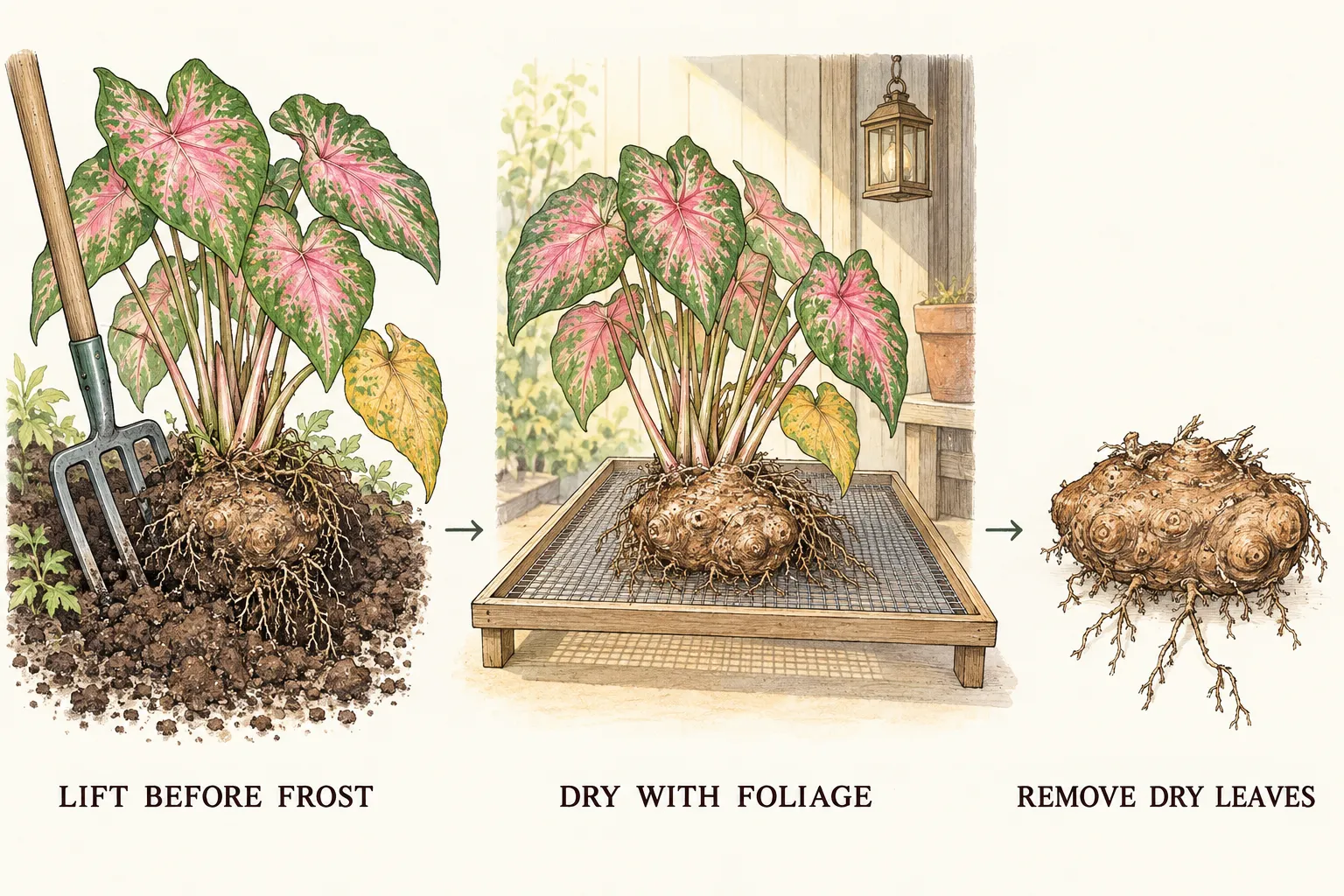
Lift Caladium Tubers Before Autumn Frost for Indoor Winter Storage
Lift caladiums before autumn frost, dry the foliage before packing, and choose a measured indoor temperature for dormant tuber storage.
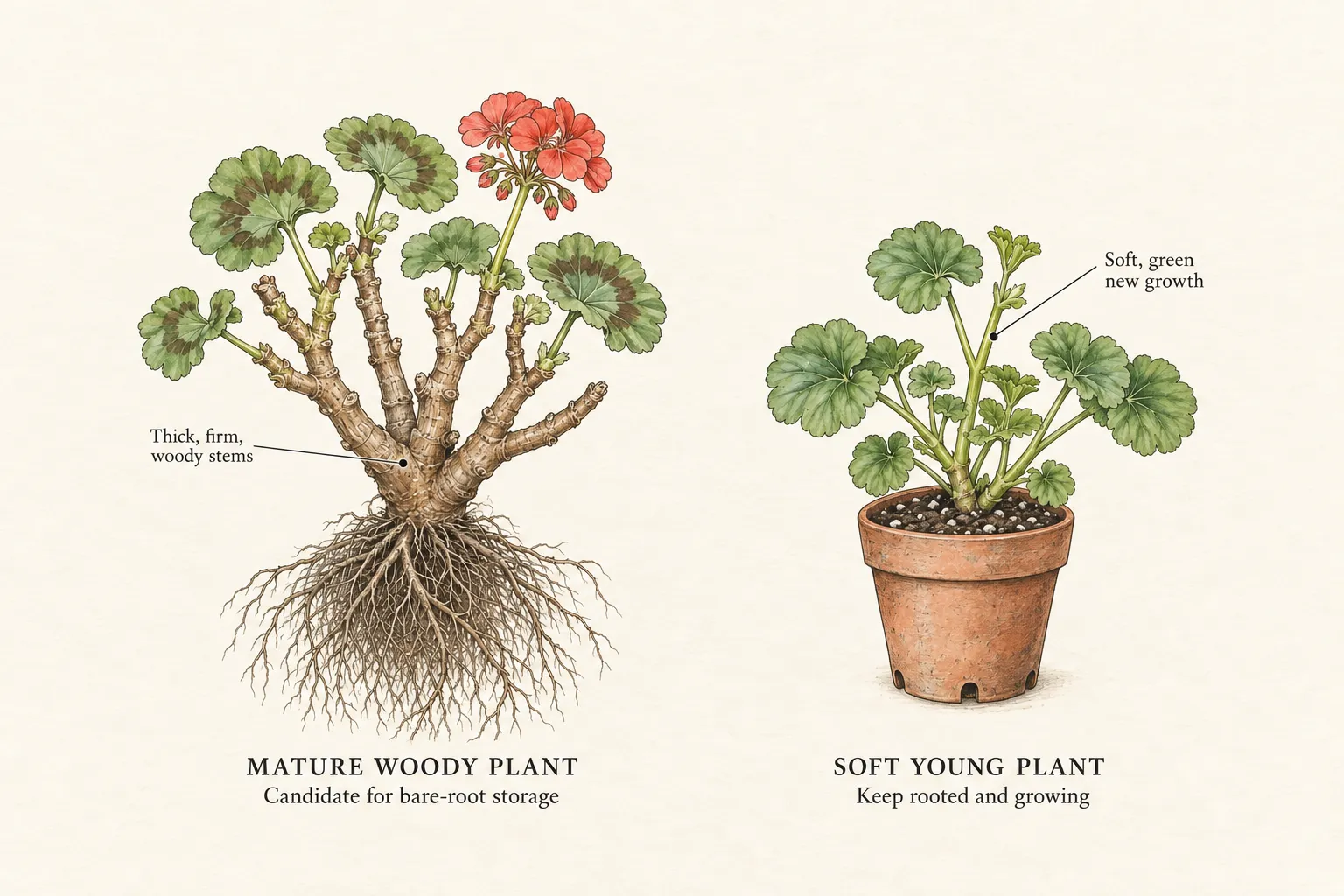
Overwinter Geraniums Bare-Root Before the First Autumn Frost
Lift suitable mature geraniums before frost, choose a cool bare-root storage space, monitor winter losses and restart surviving plants in spring.
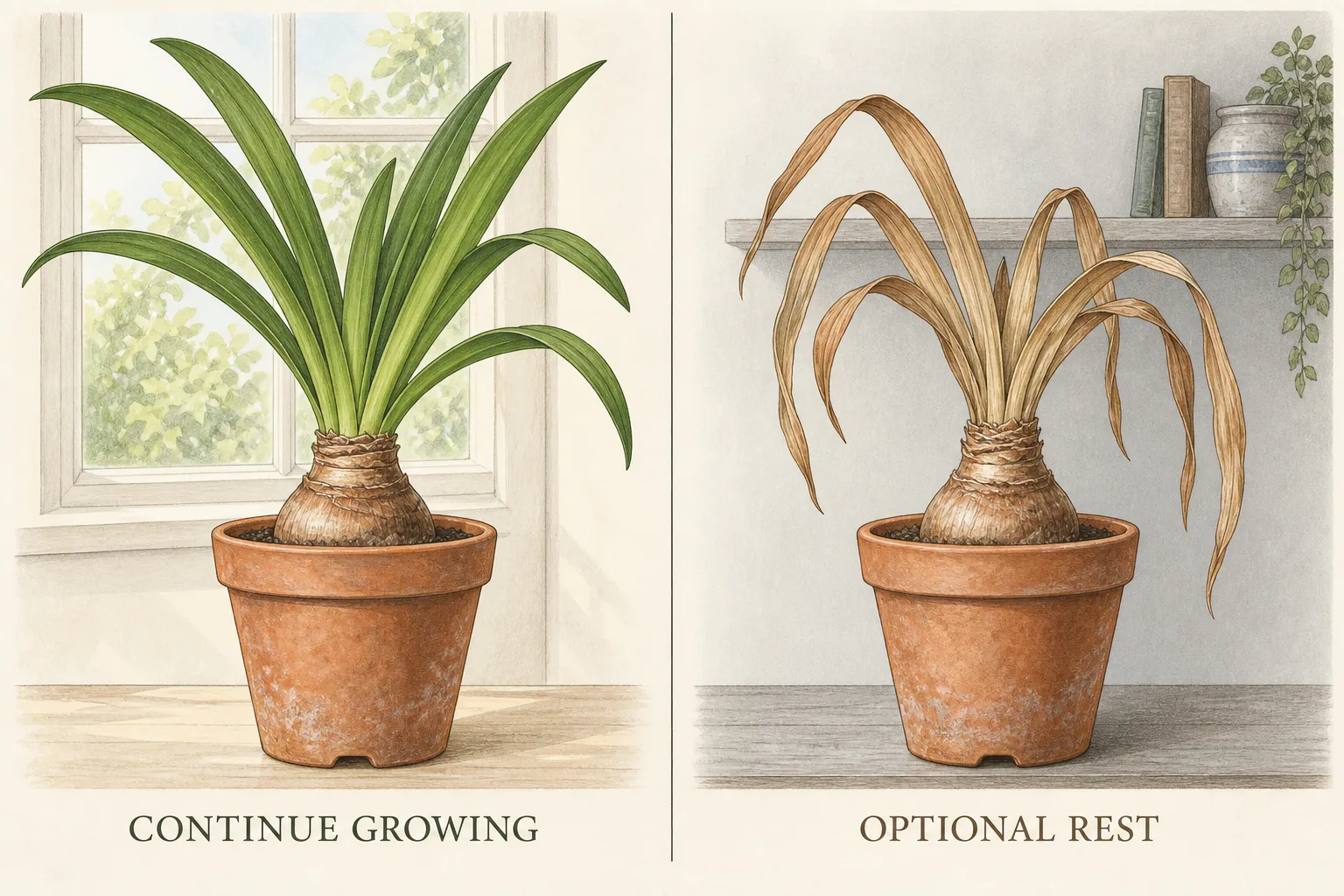
Rest Potted Amaryllis in Autumn to Plan the Next Bloom
Choose and manage an autumn rest for established potted amaryllis, with leaf-stage decisions, a realistic rebloom calendar and an early-growth exit.
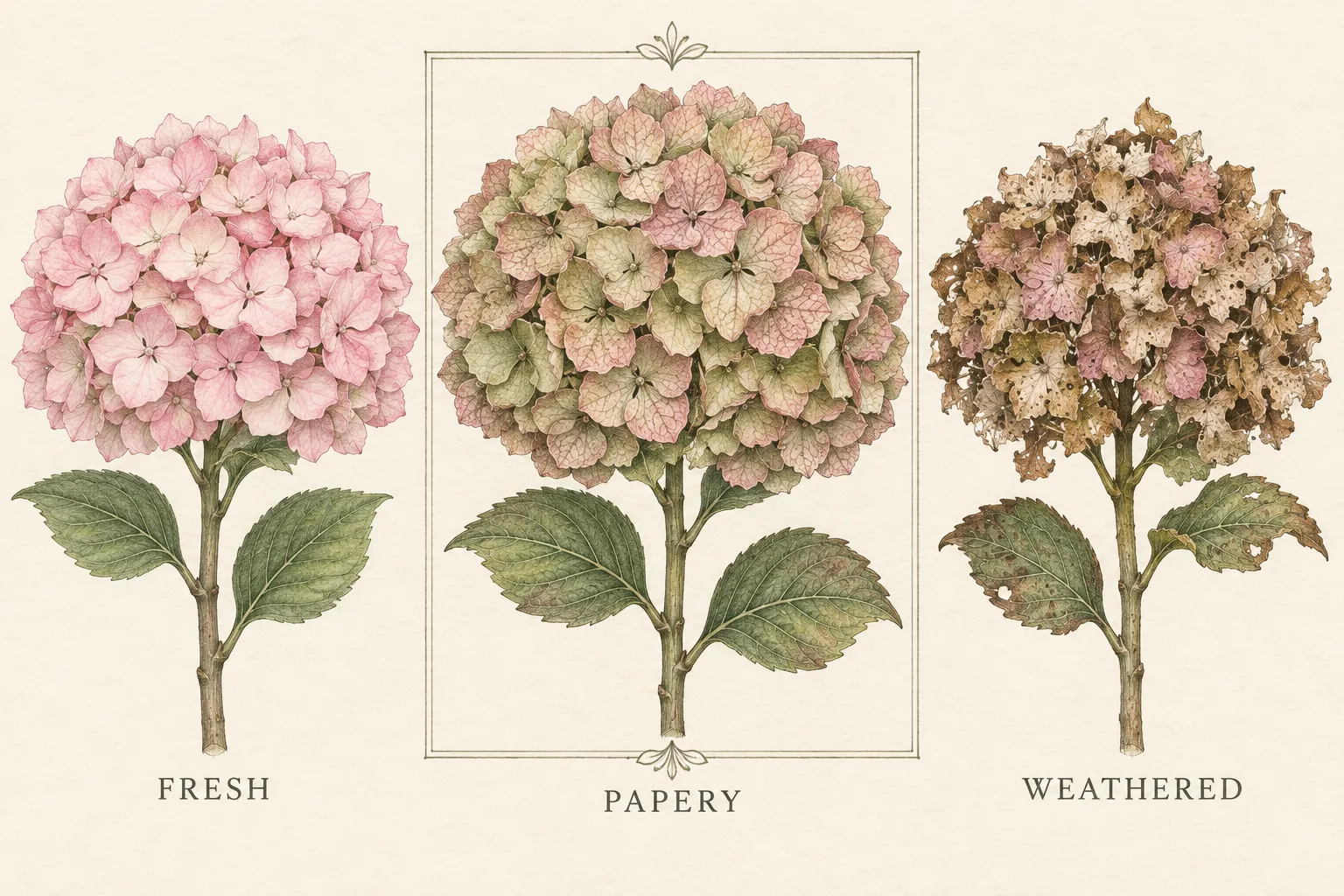
Dry Hydrangea Flowers in Autumn Once the Heads Feel Papery
Choose papery autumn hydrangea heads, protect the parent shrub, and use shallow-water drying for indoor vases with naturally muted colors.
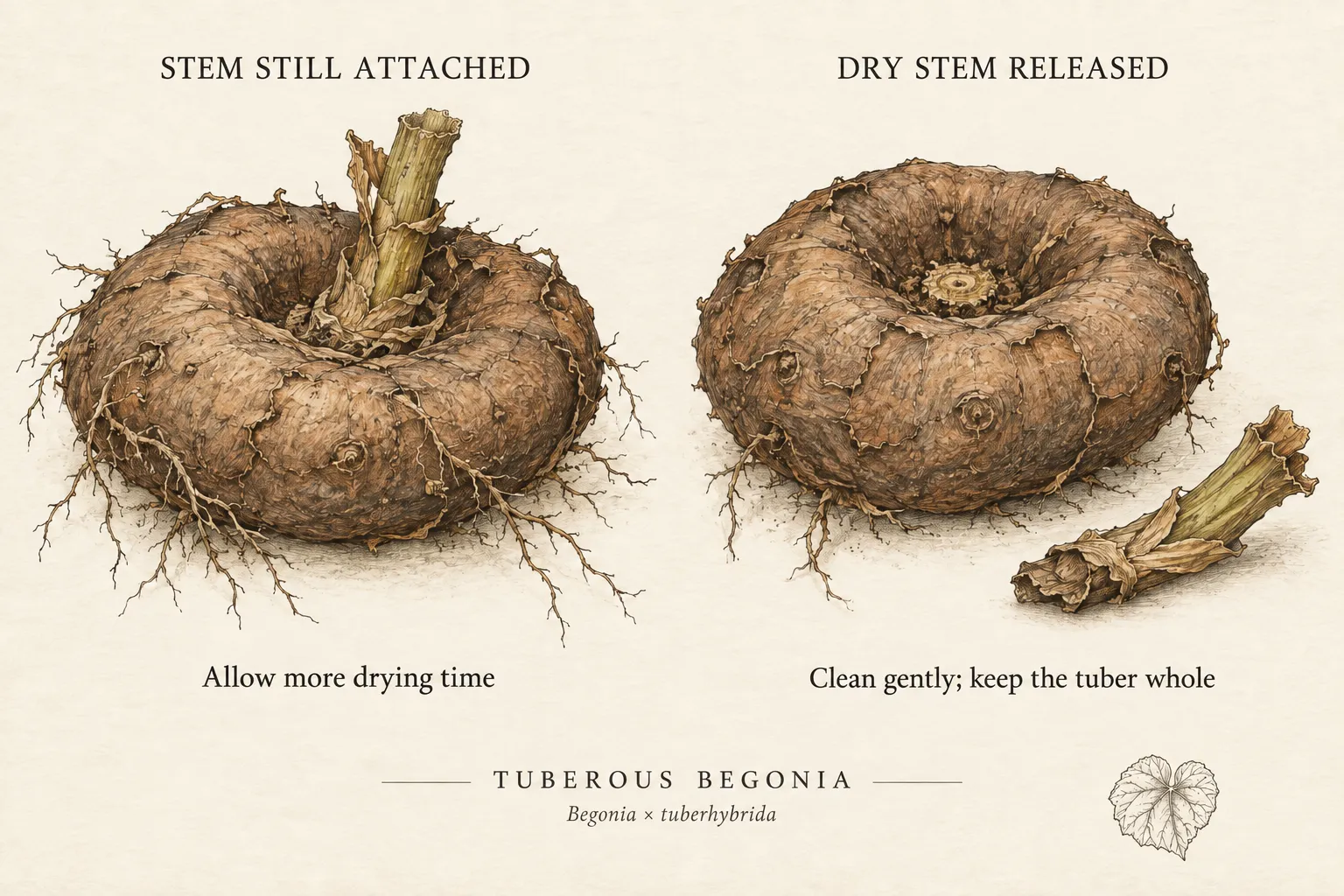
Overwinter Tuberous Begonias from Pots as Autumn Leaves Yellow
Move potted tuberous begonias through autumn yellowing, gentle curing and cool winter storage, with clear limits for other begonia types.
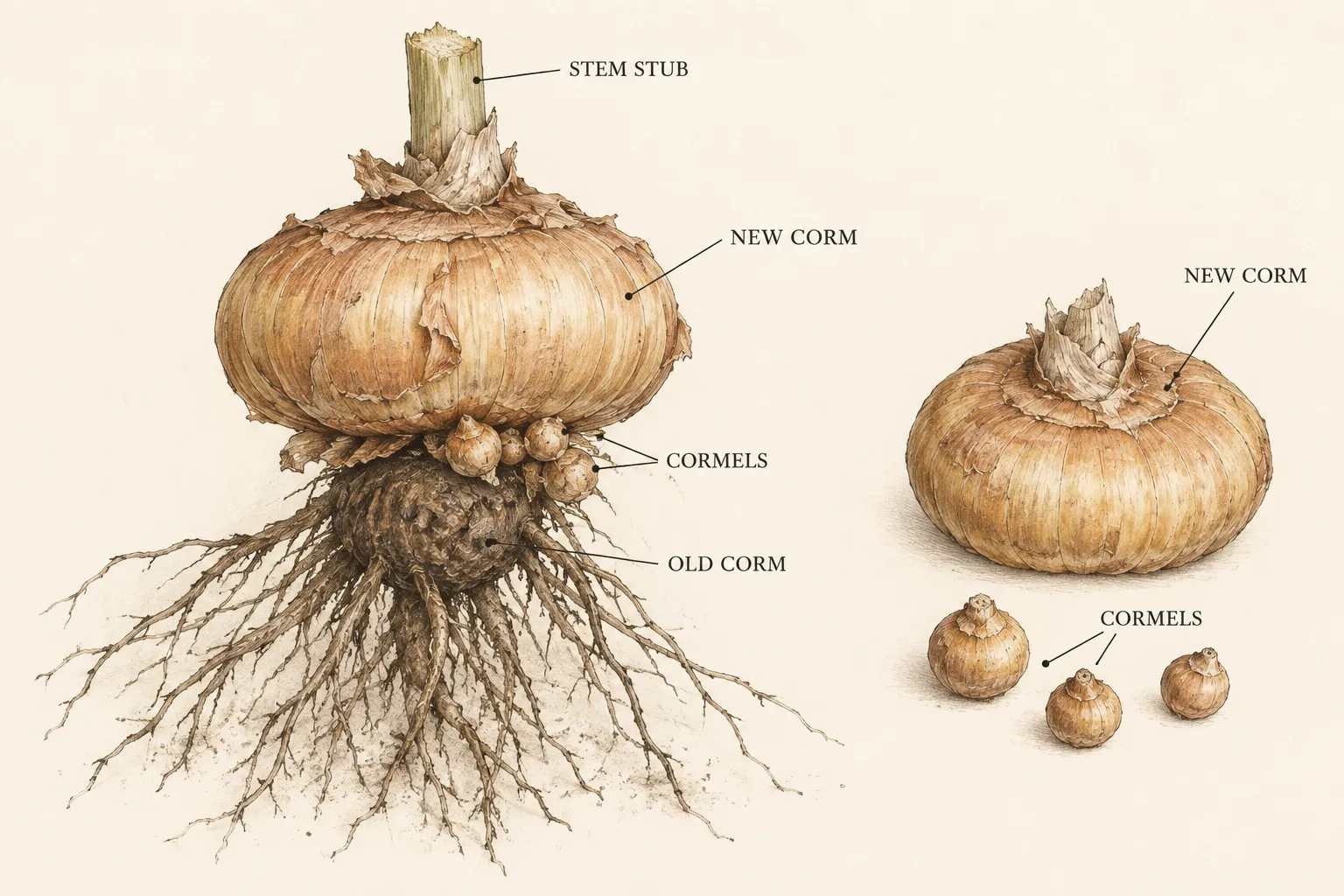
Lift and Store Gladiolus Corms in Autumn for Cold Winters
Lift summer-flowering gladiolus for cold winters: judge autumn timing, identify the new corm, cure it, and move sound stock into cool, dry storage.
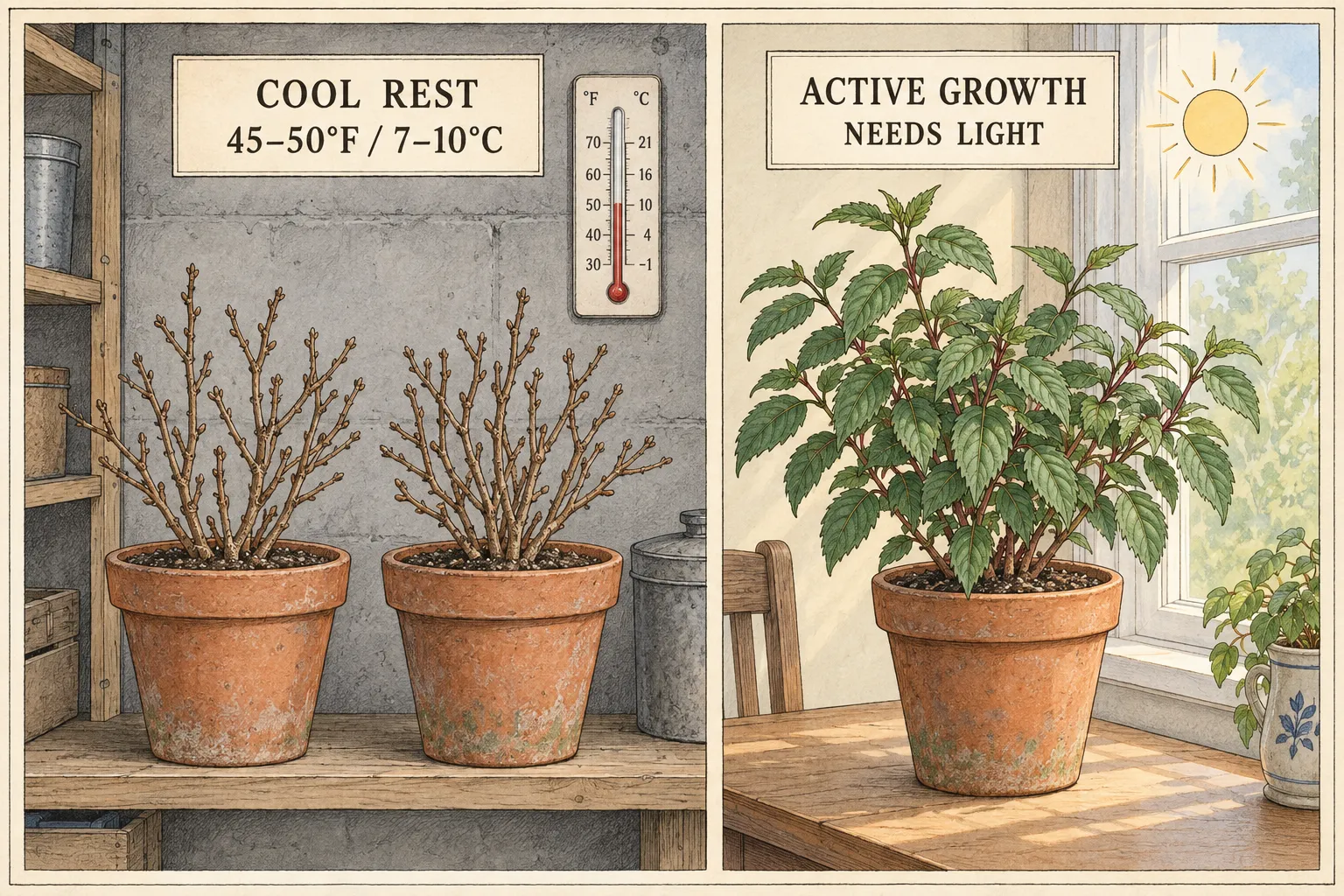
Overwinter Tender Fuchsias in Pots Before the First Frost
Keep tender fuchsias through winter in cool, frost-free storage: choose the space, prepare the plant, check moisture, and restart growth in spring.
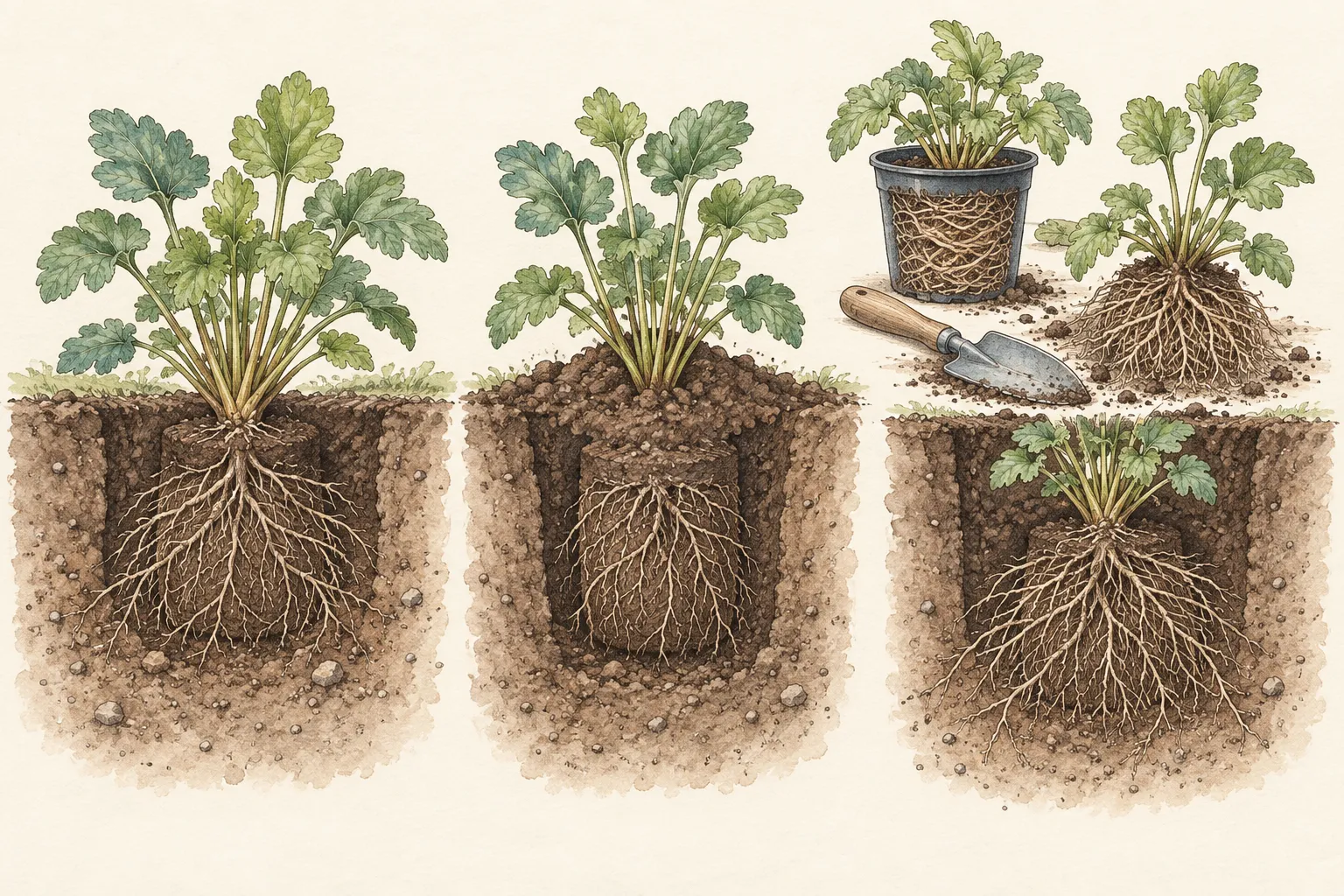
Plant Container-Grown Perennials in Autumn Before the Soil Cools
Plant container-grown perennials in early autumn while the soil is workable: read the root ball, match the original depth, water thoroughly, and protect the crown before winter.
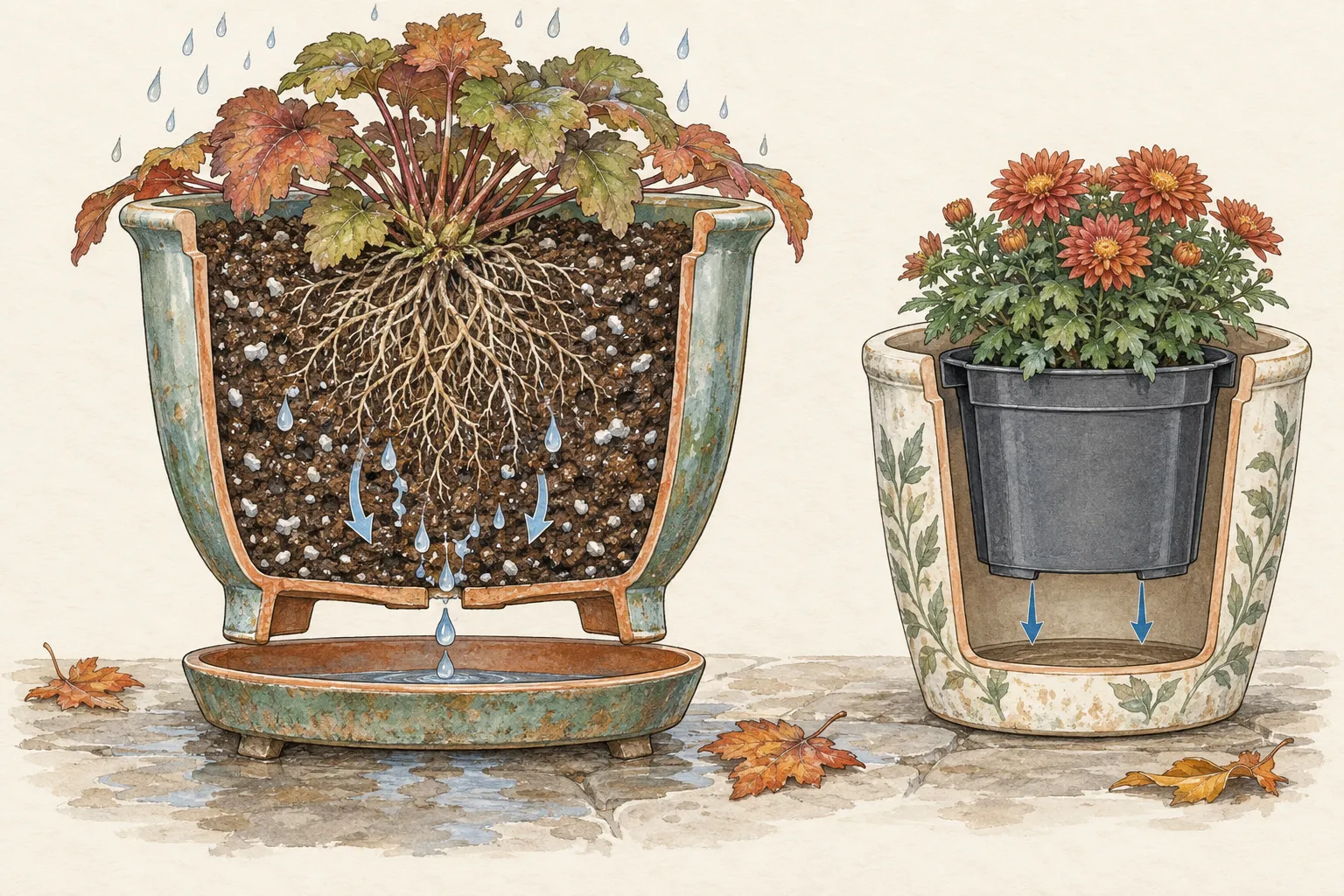
Keep Ornamental Containers Draining as Autumn Rains Return
Prepare outdoor ornamental pots for autumn rain by checking the drainage hole, freeing saucers and cachepots, testing the potting mix, and moving vulnerable containers before cold weather.
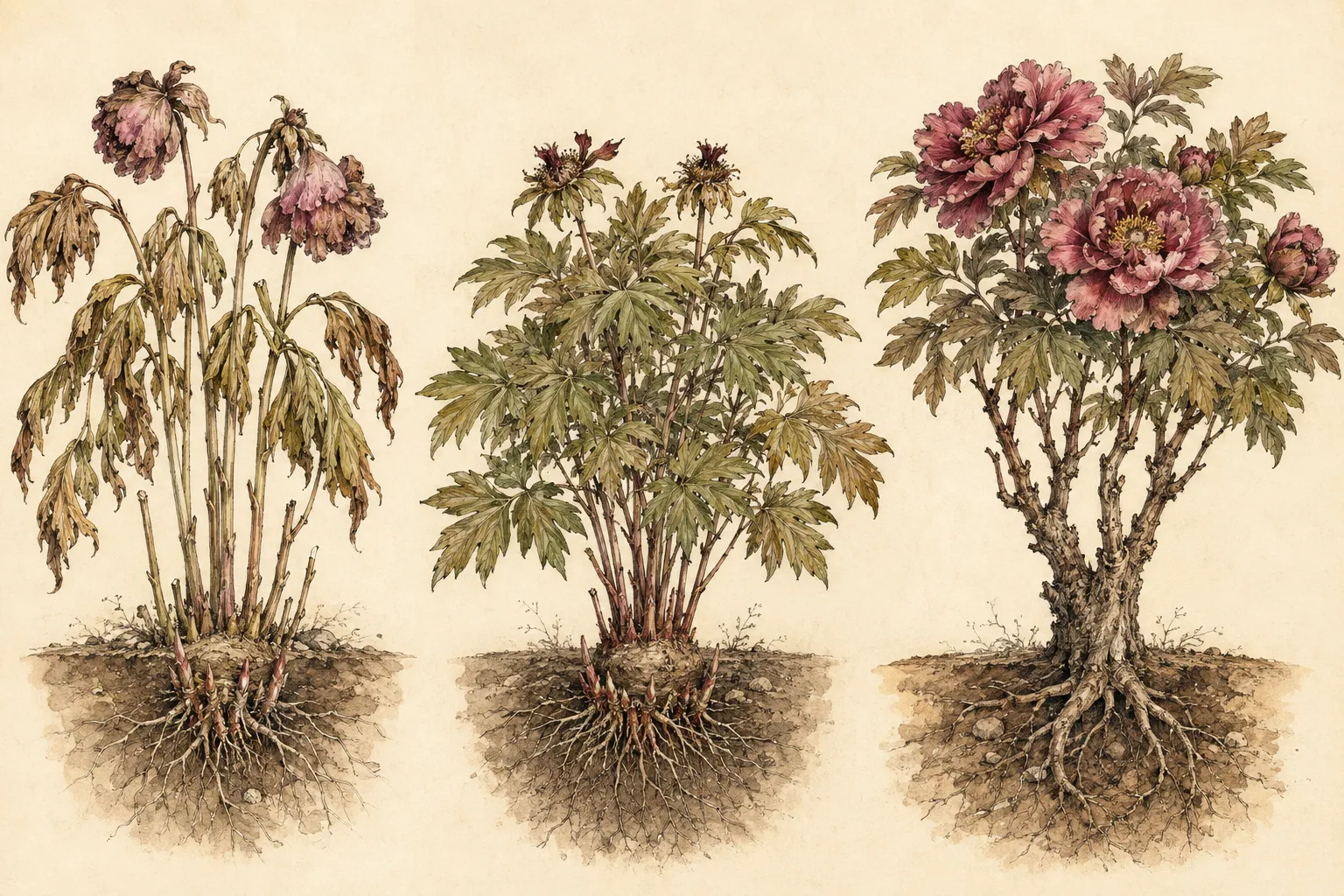
Cut Back Herbaceous Peonies in Autumn Without Damaging Next Year's Buds
Wait for herbaceous peony foliage to finish its season, distinguish it from tree peony wood, make a clean autumn cut, and remove disease-prone debris.
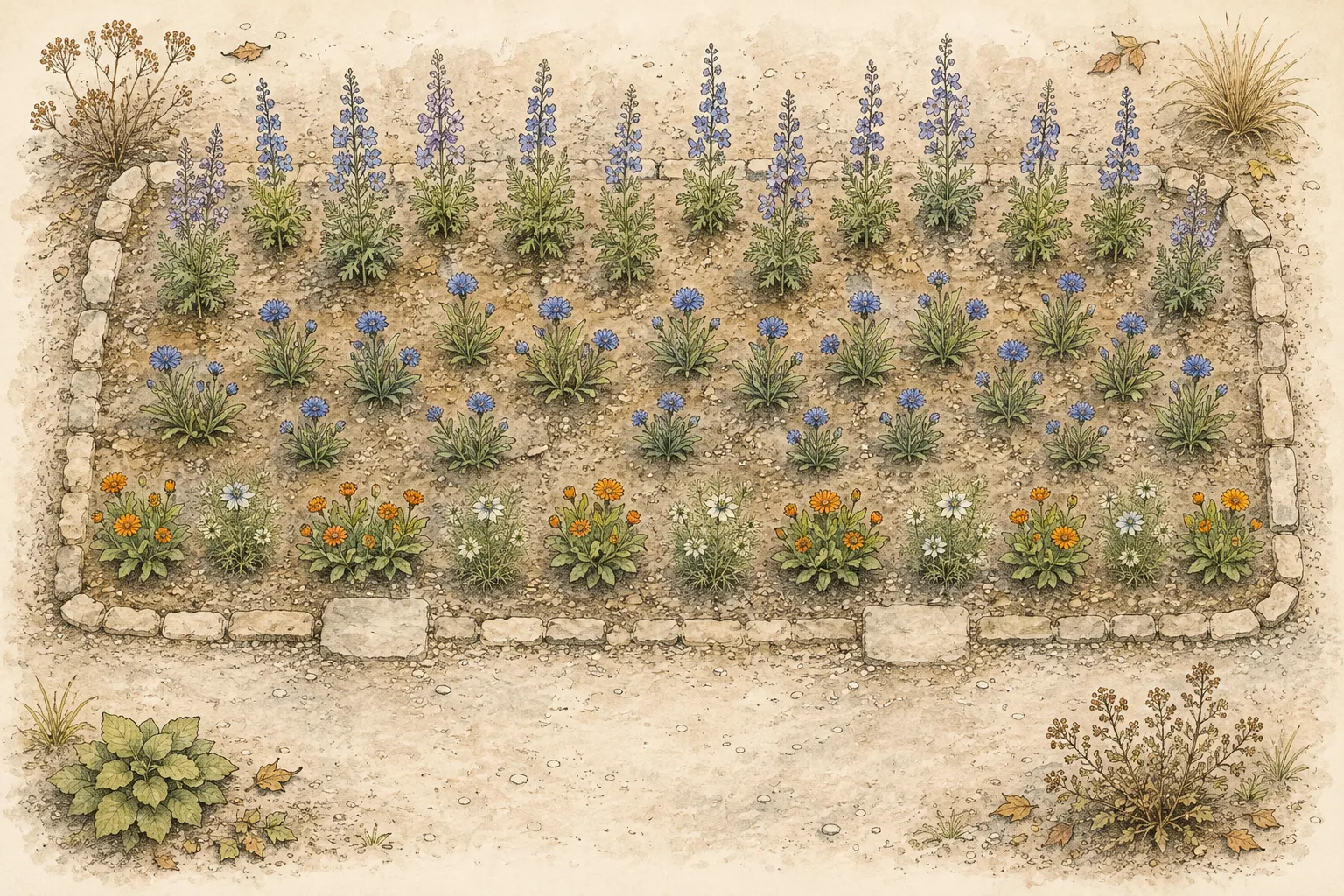
Sow Hardy Annuals in Autumn for a Fuller Spring Border
Choose hardy annual seeds for a cool-temperate garden, prepare a weed-free bed, sow shallowly, protect young rosettes, and thin for spring flowers.
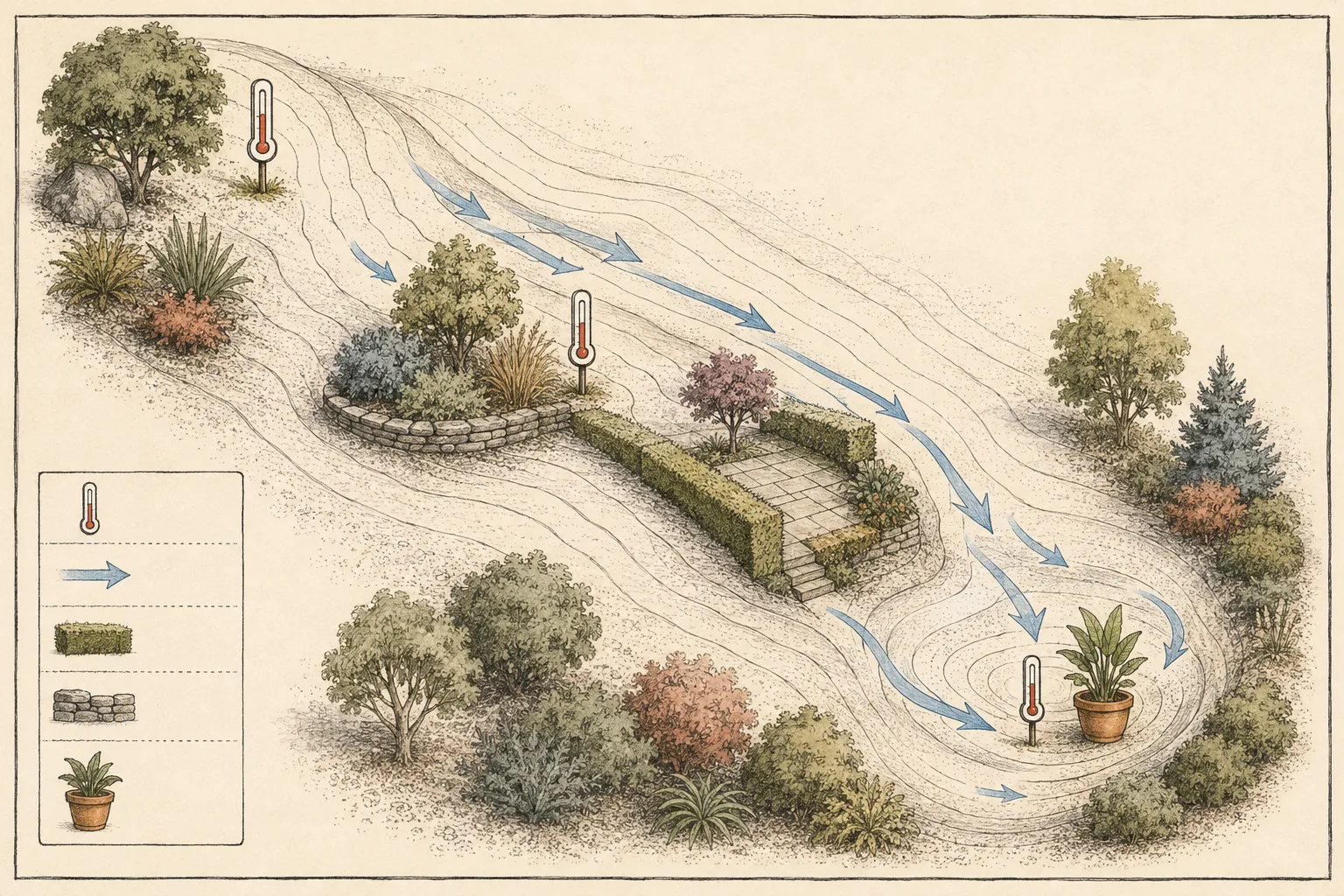
Map First-Frost Pockets Before Protecting Tender Ornamentals
Map the low spots that cool first, compare them with plant vulnerability, and prepare the right move or cover before an autumn frost warning.
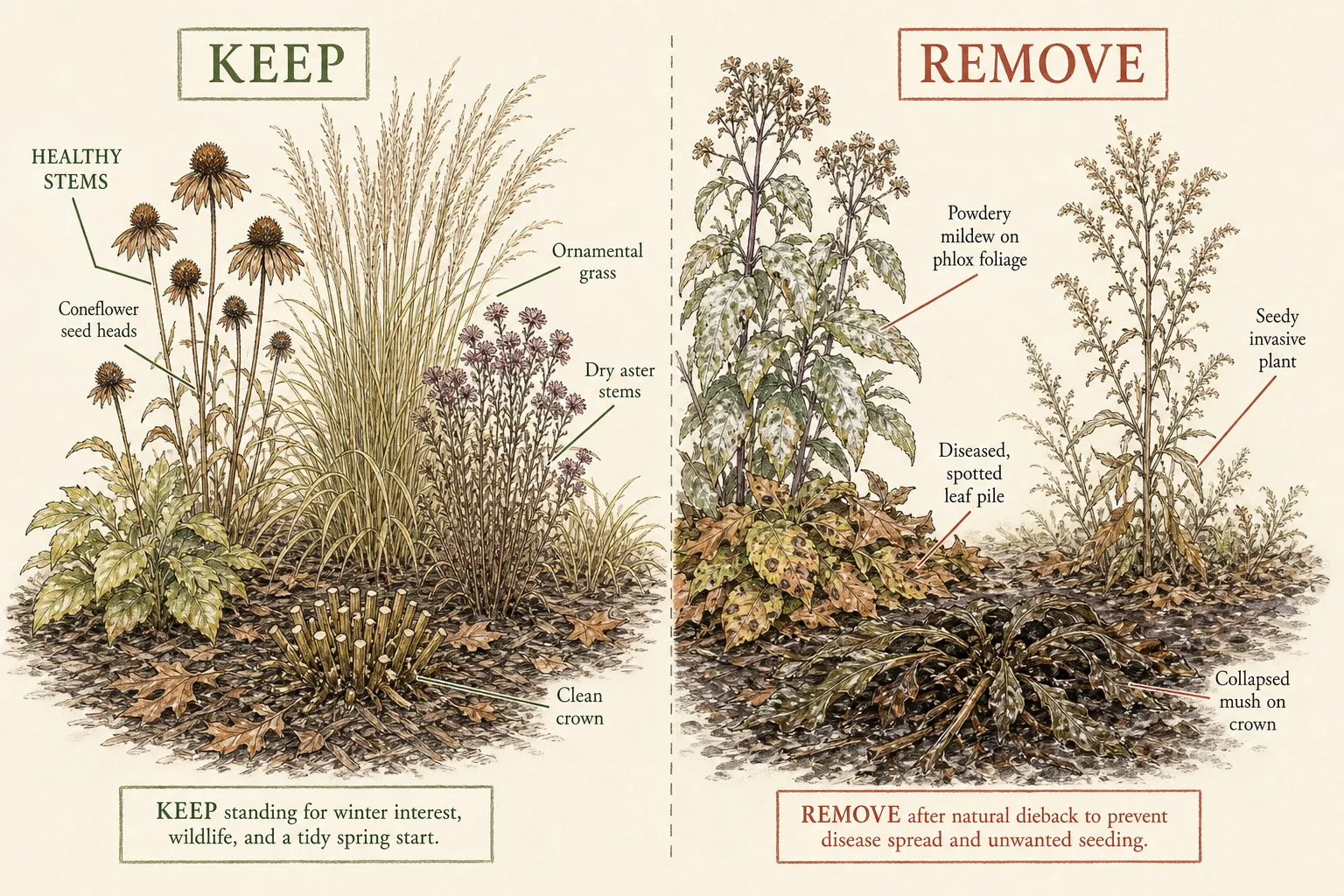
Edit a Perennial Border for Winter Without Cutting Everything Down
Prepare an ornamental perennial border for winter by leaving healthy stems and seed heads, removing disease and unwanted seeding, and planning a careful spring reset.
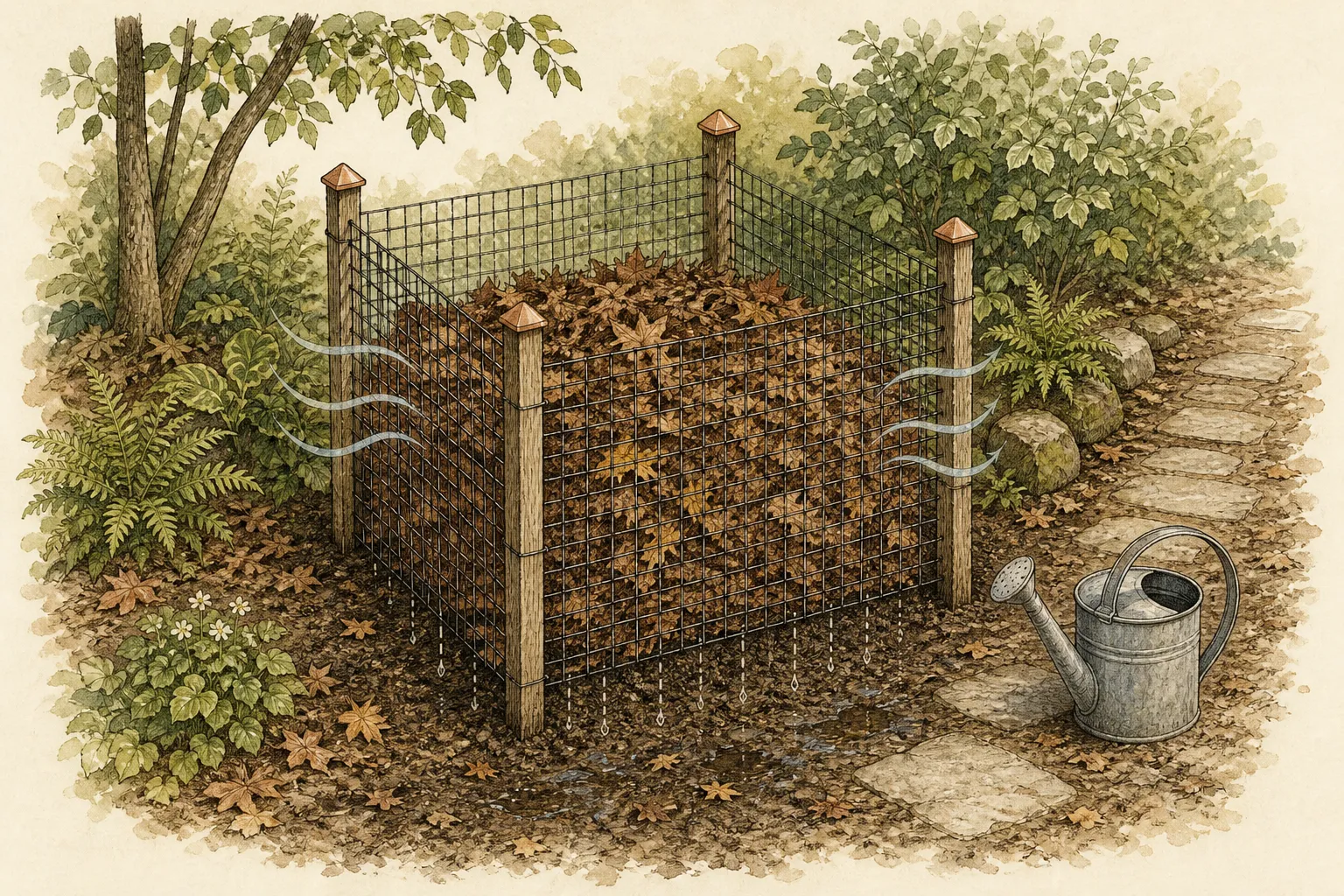
Build a Leaf-Mold Bin Before Autumn Leaves Fall
Set up a ventilated leaf-mold bay before the main leaf drop, sort what belongs in it, and manage moisture until the pile becomes useful mulch or conditioner.

Naturalize Daffodils in Grass and Preserve Next Year's Flowers
Choose a low-mow lawn zone, plant daffodils in irregular drifts after the soil cools, and delay spring mowing until the leaves finish feeding the bulbs.
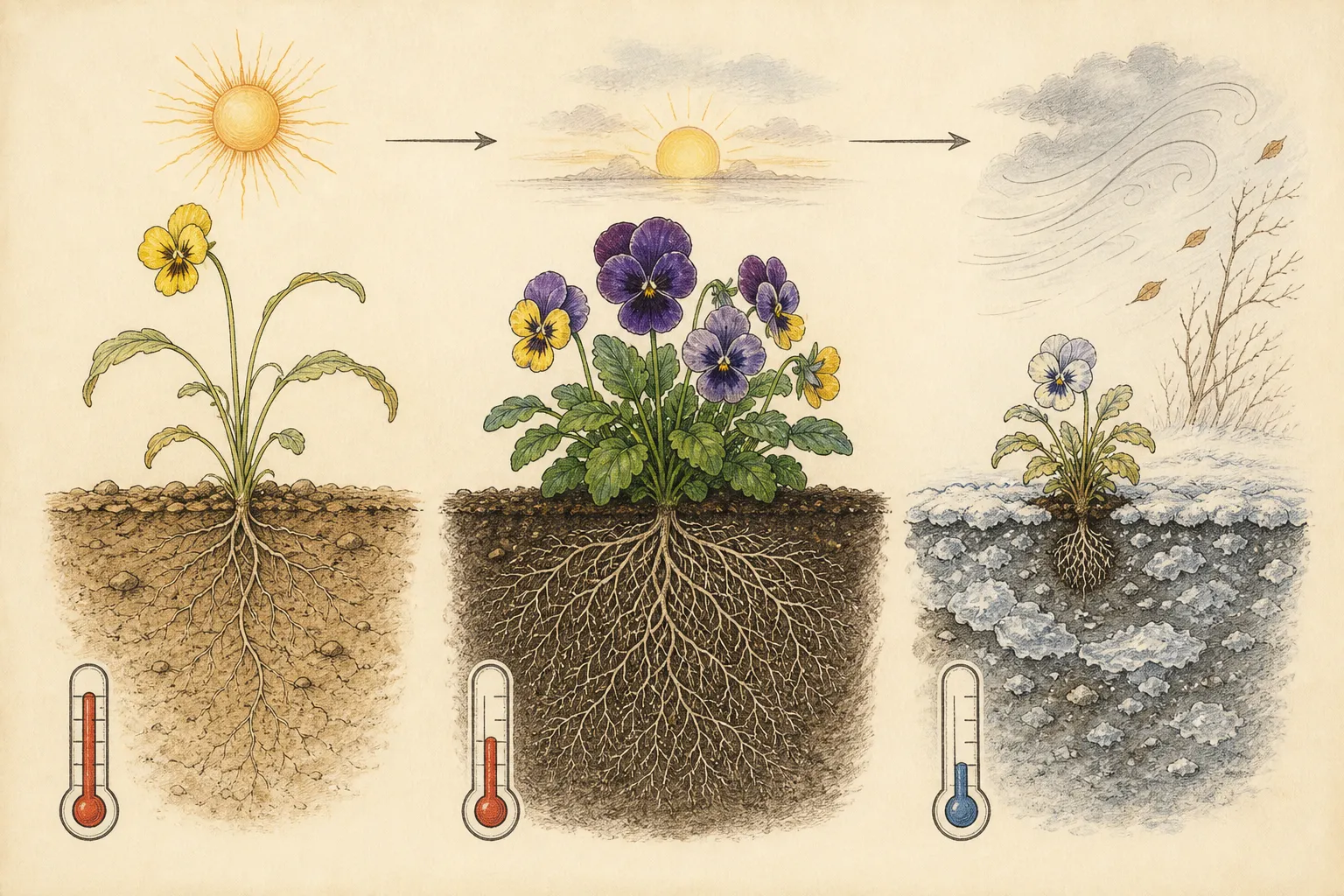
Plant Pansies for Fall Color When Nights and Soil Cool
Use soil temperature, transplant quality, drainage, and winter exposure to decide when fall pansies are worth planting and whether they may return in spring.
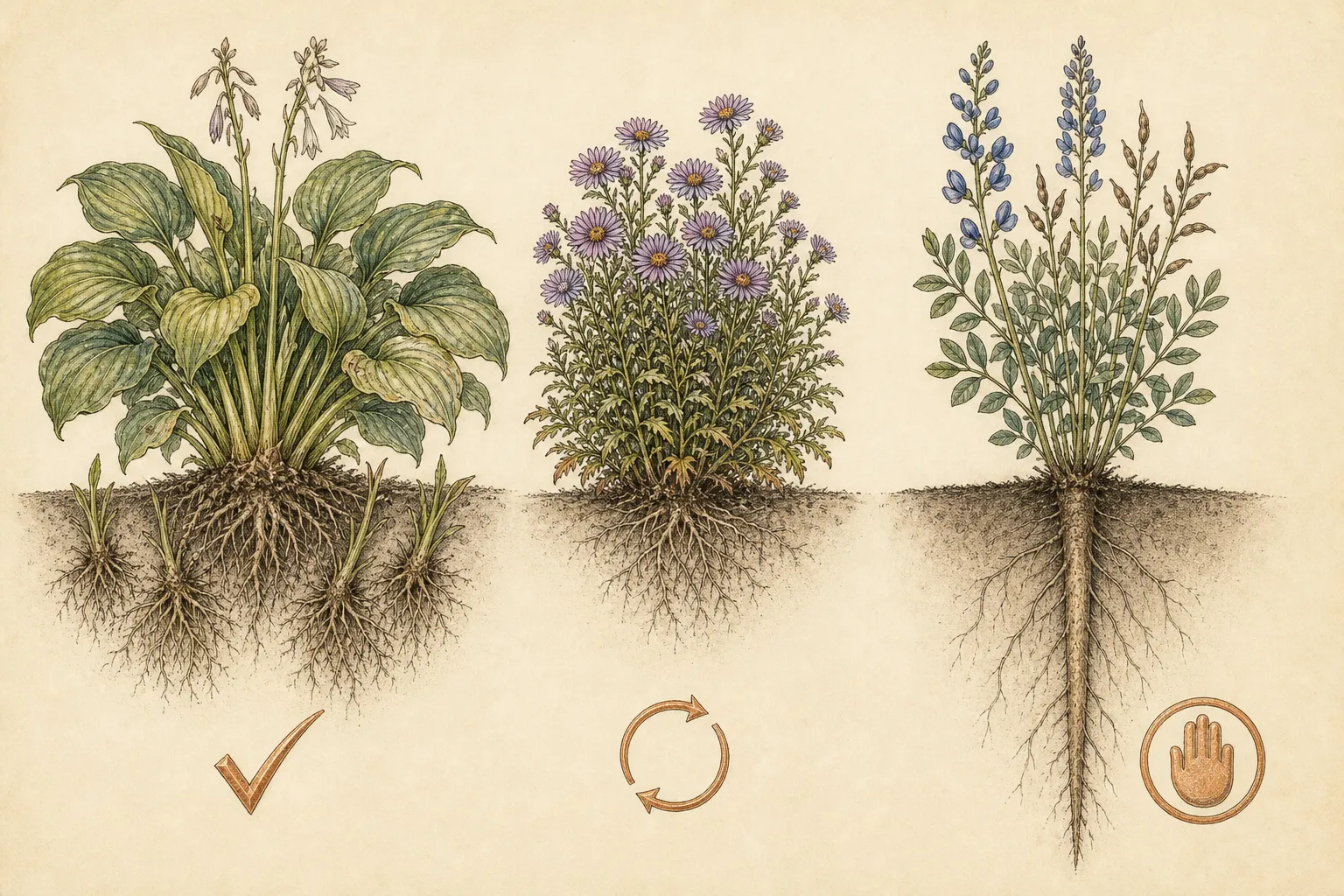
Choose Which Perennials to Divide in Fall—and Which to Leave for Spring
Sort established perennials by need, bloom time, root habit, and weeks before frozen ground before dividing anything in early fall.
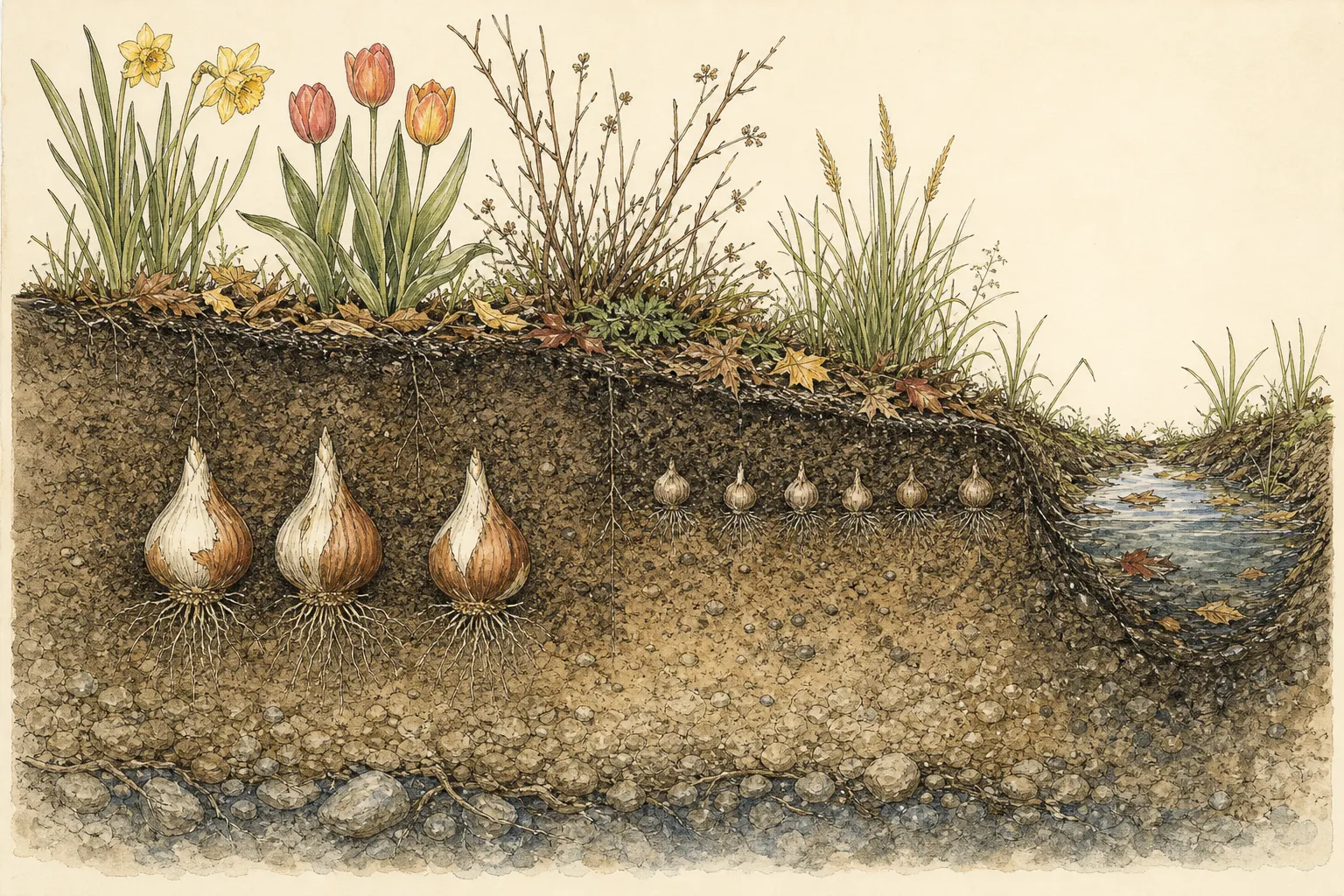
Plant Spring-Flowering Bulbs After the Soil Cools
Hold sound bulbs briefly while warm soil cools, then plant at species-appropriate depth in a draining bed so roots can establish before winter.
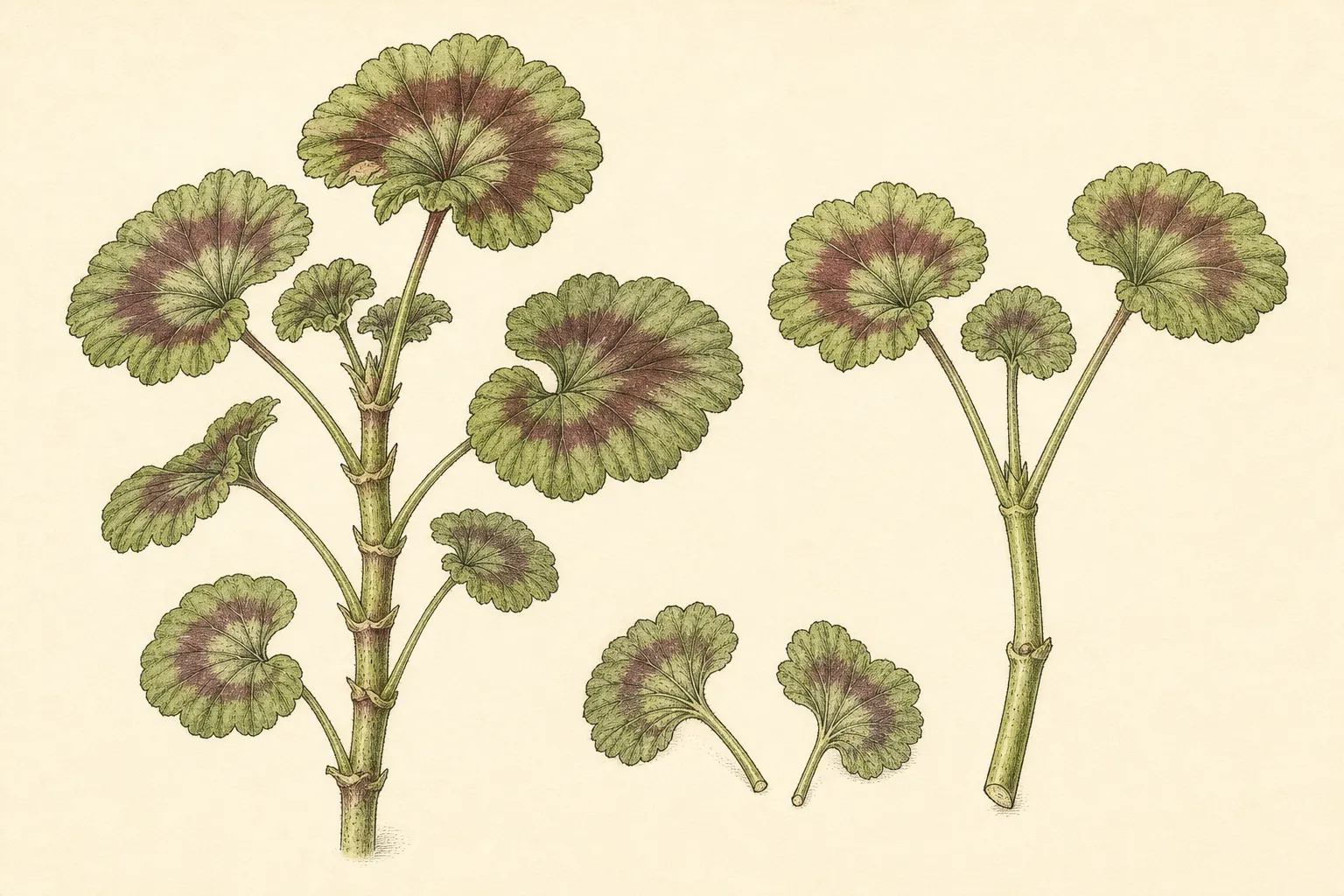
Take Annual Geranium Cuttings Before Frost
Save a favorite annual geranium as compact rooted cuttings: choose healthy Pelargonium shoots, prepare an airy medium, manage humidity, and pot only after roots form.
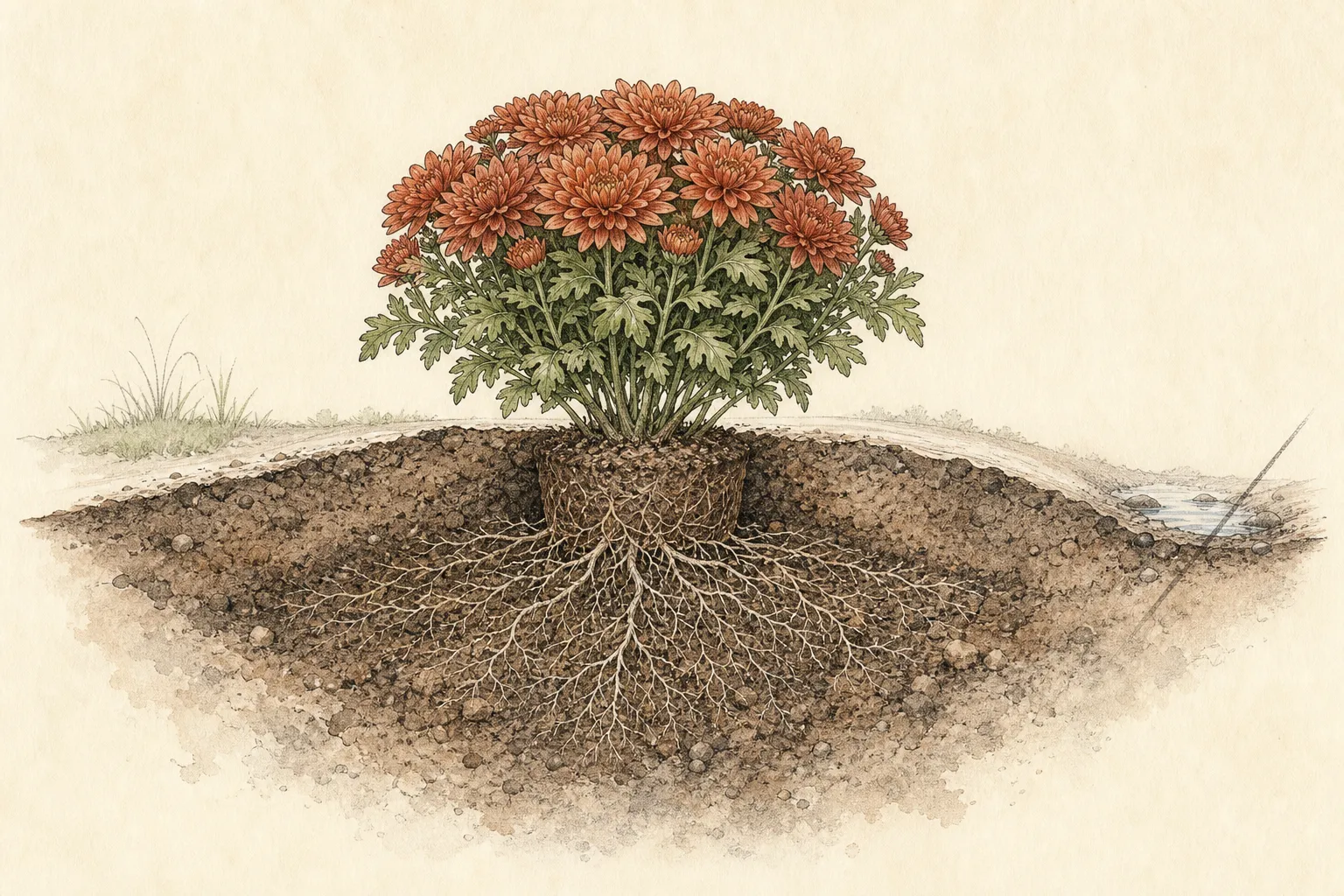
Plant Fall Garden Mums Early—or Treat Them as a One-Season Display
Decide whether a flowering fall mum is a hardy garden plant or a temporary display, then plant early, water the shallow roots, and protect them from winter heaving.
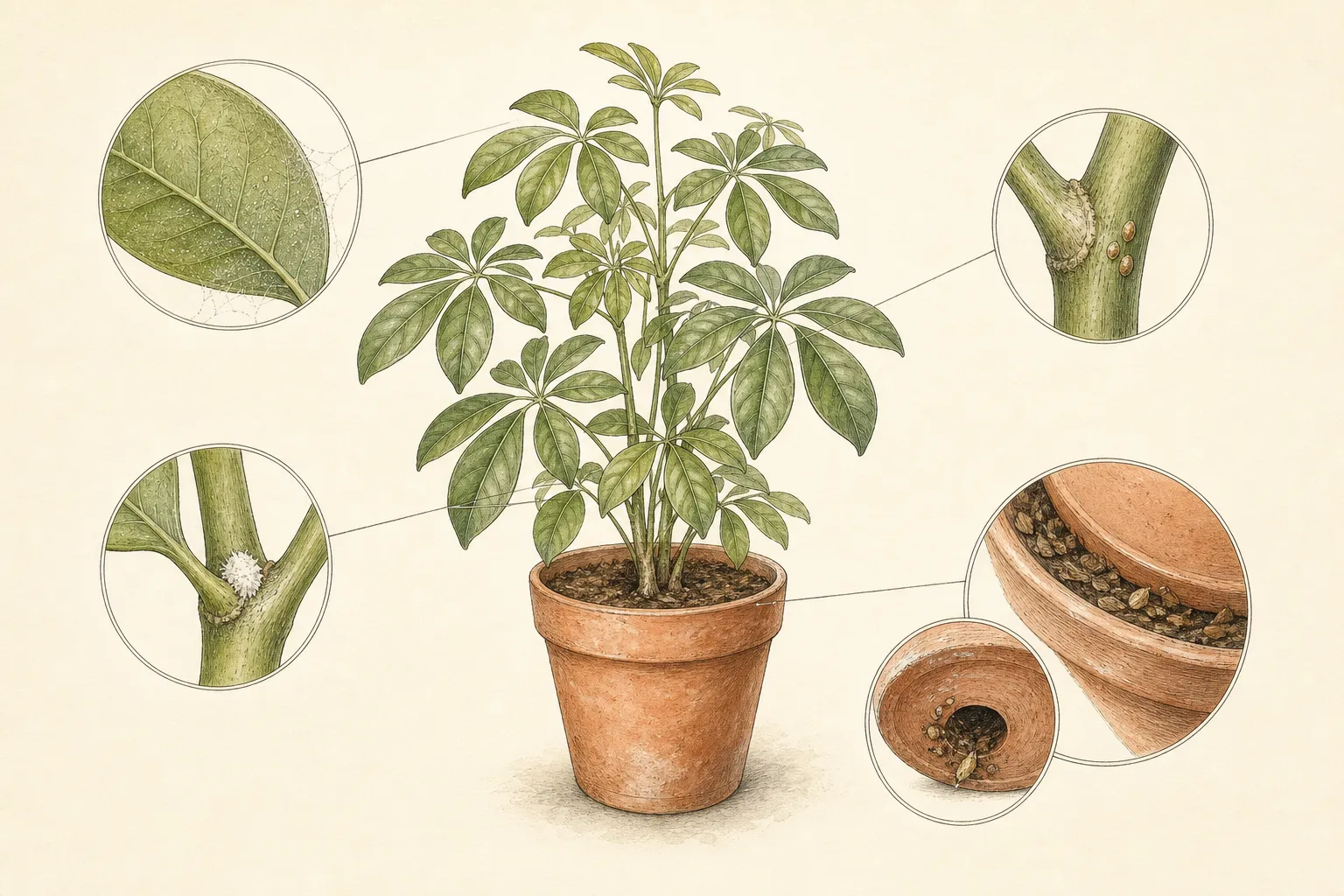
Bring Summered Houseplants Indoors Before Cool Nights
Move potted tropical houseplants indoors before chilling weather, inspect hidden pest sites, isolate the arrivals, and reset light, water, and fertilizer.
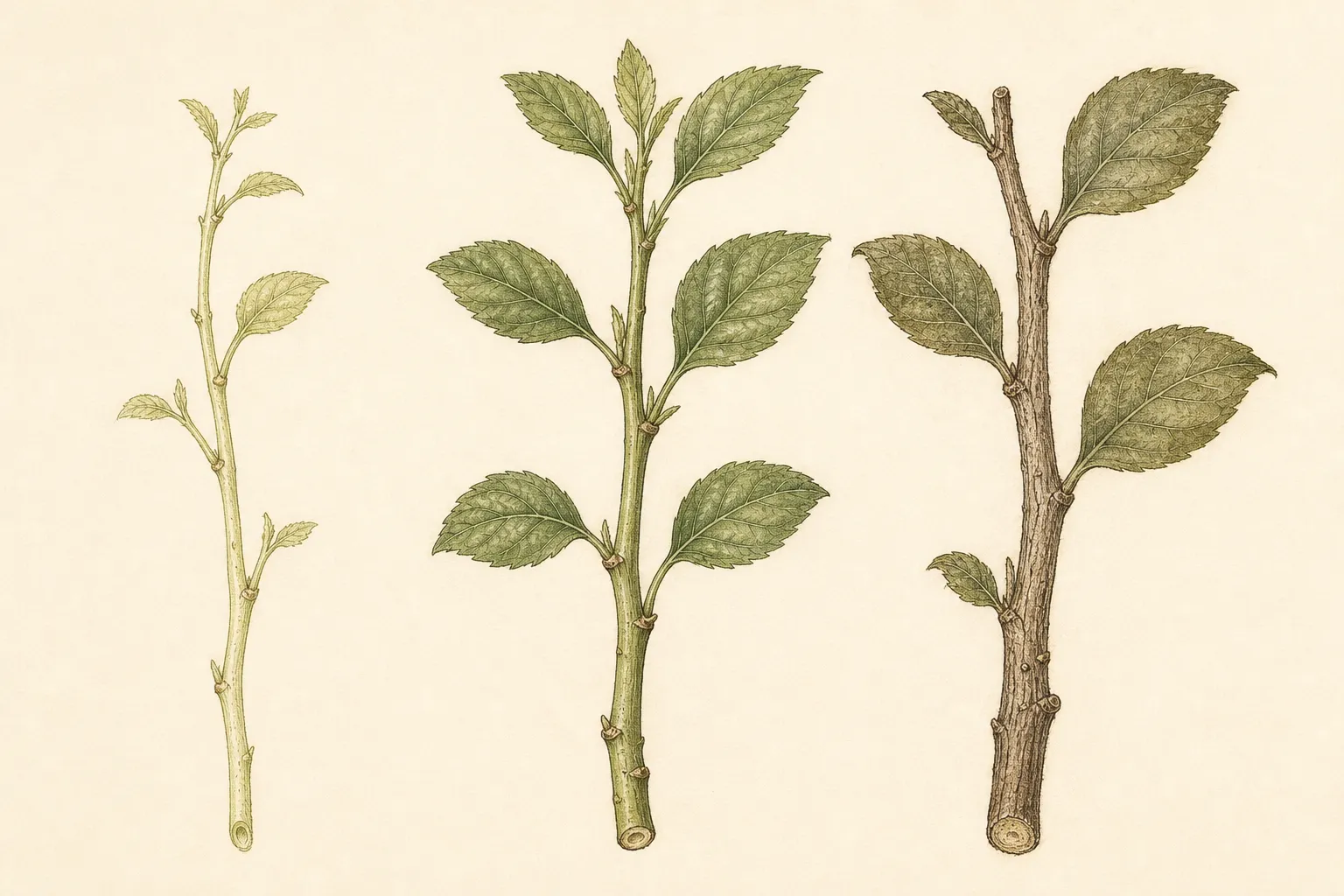
Take Semi-Ripe Cuttings from Selected Ornamental Shrubs in Late Summer
Learn to recognize a semi-ripe shoot, prepare a clean nodal cutting, balance air with moisture, and carry rooted ornamental shrubs into their next stage.
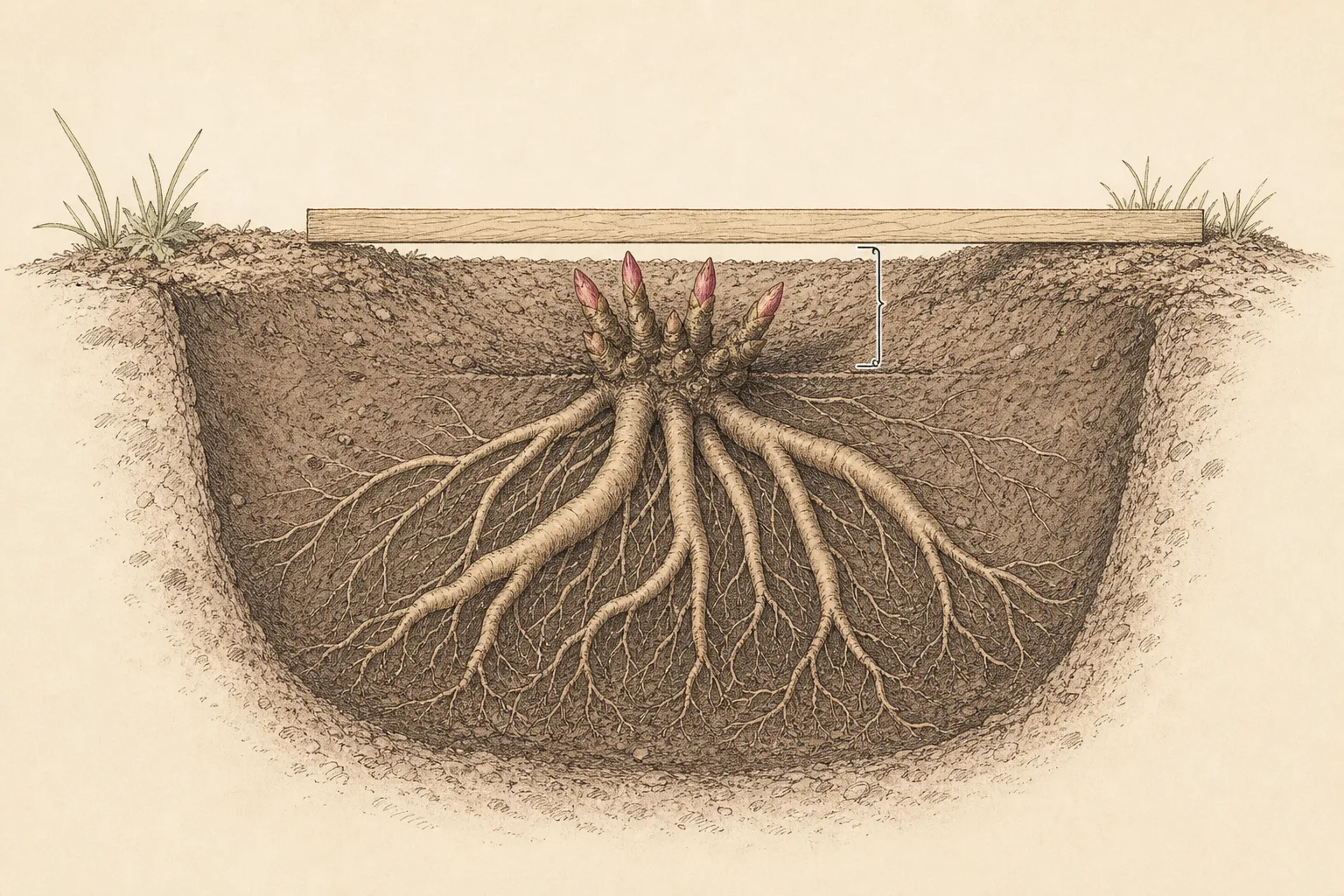
Plant Bare-Root Peonies in Early Fall at the Right Depth
Set dormant herbaceous peony divisions shallowly, with room for the mature crown, before autumn soil cools and winter closes the planting window.
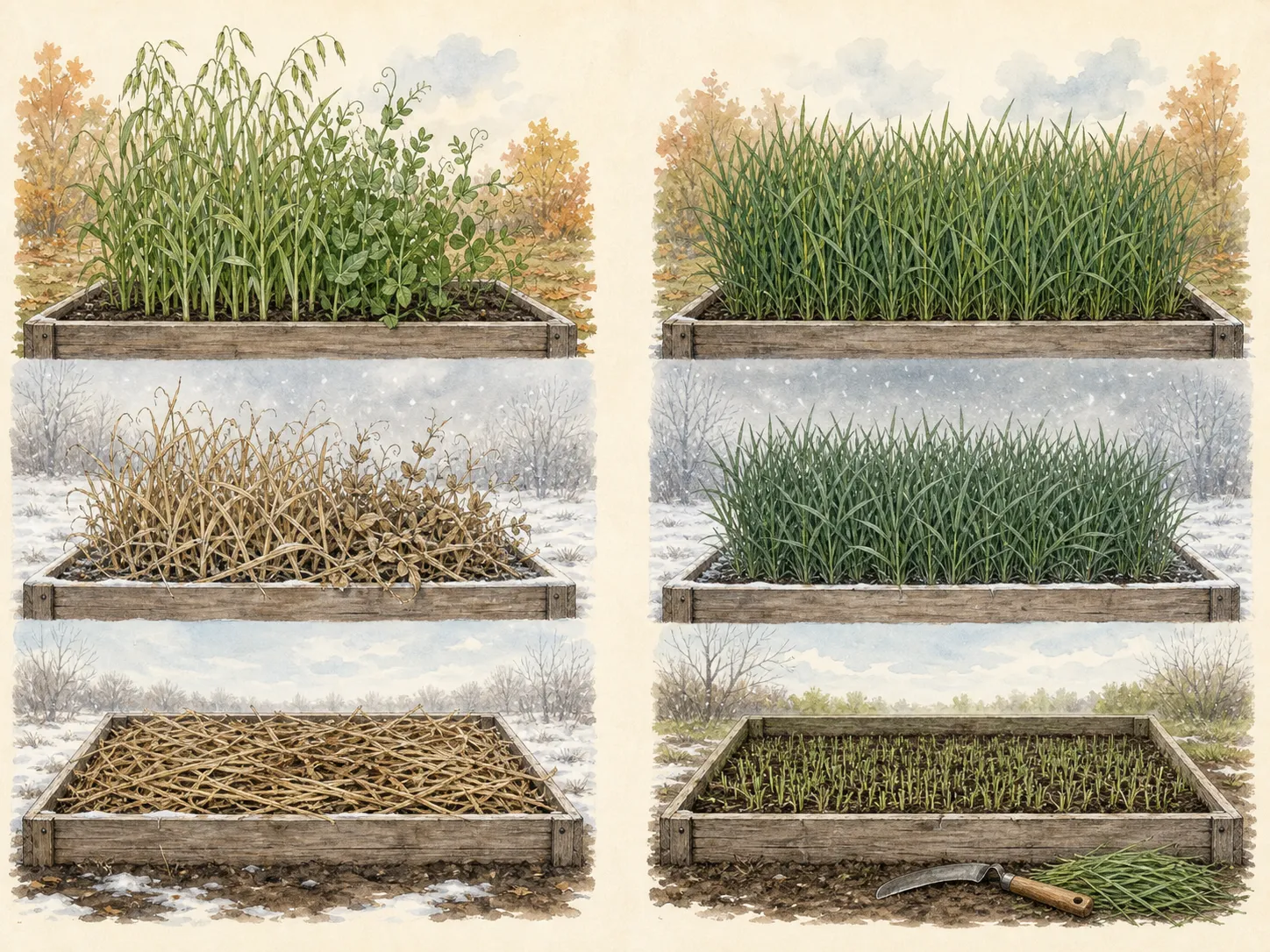
Sow a Fall Cover Crop That Fits the Spring Garden
Choose a fall cover crop by its winter behavior, spring exit, local sowing window, and place in the vegetable rotation, then establish an even stand with shallow soil preparation.
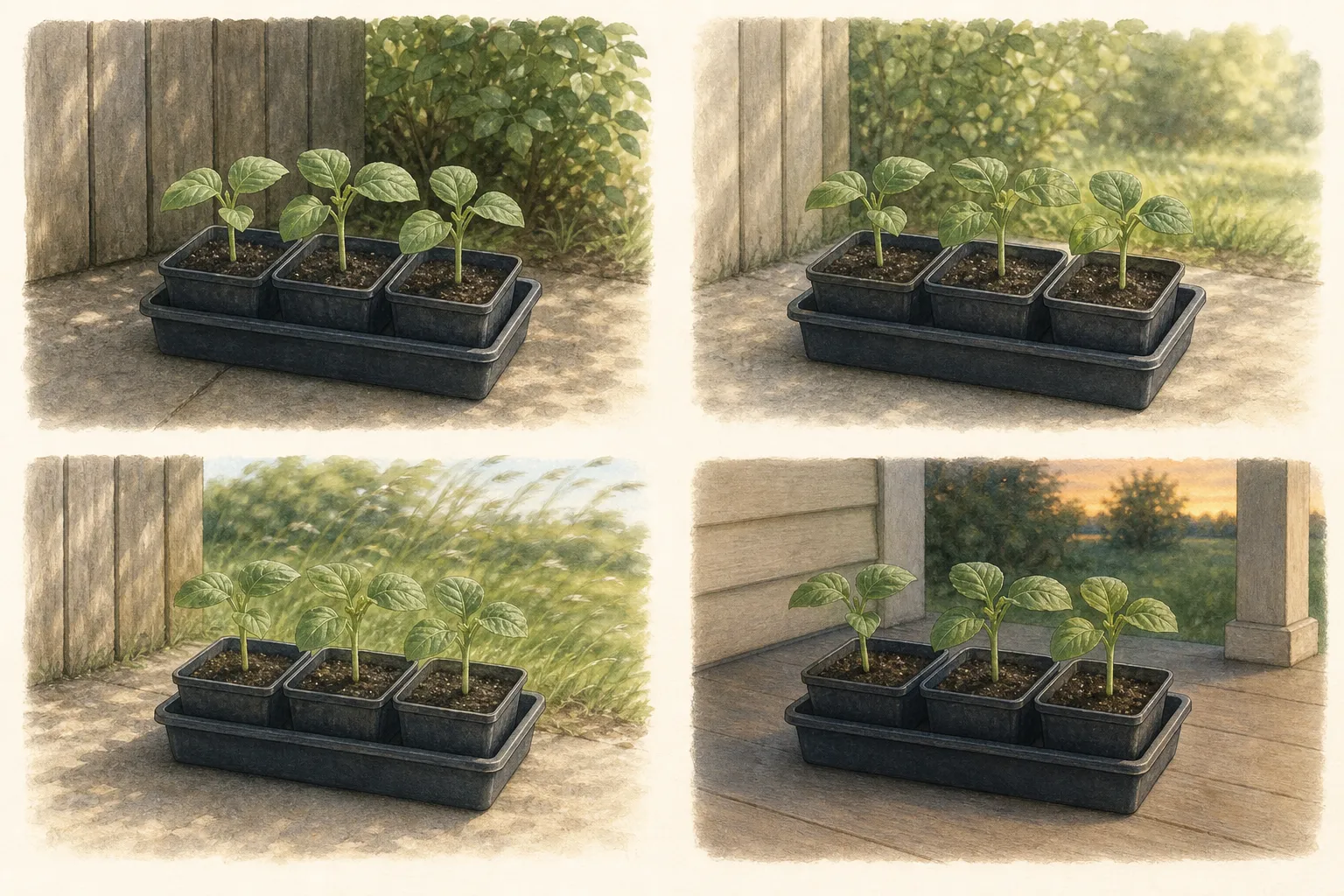
Harden Off Seedlings Before Transplanting
Acclimate indoor-grown seedlings by changing light, wind, temperature, and outdoor time in controlled increments, then transplant only when both the plants and the forecast are ready.
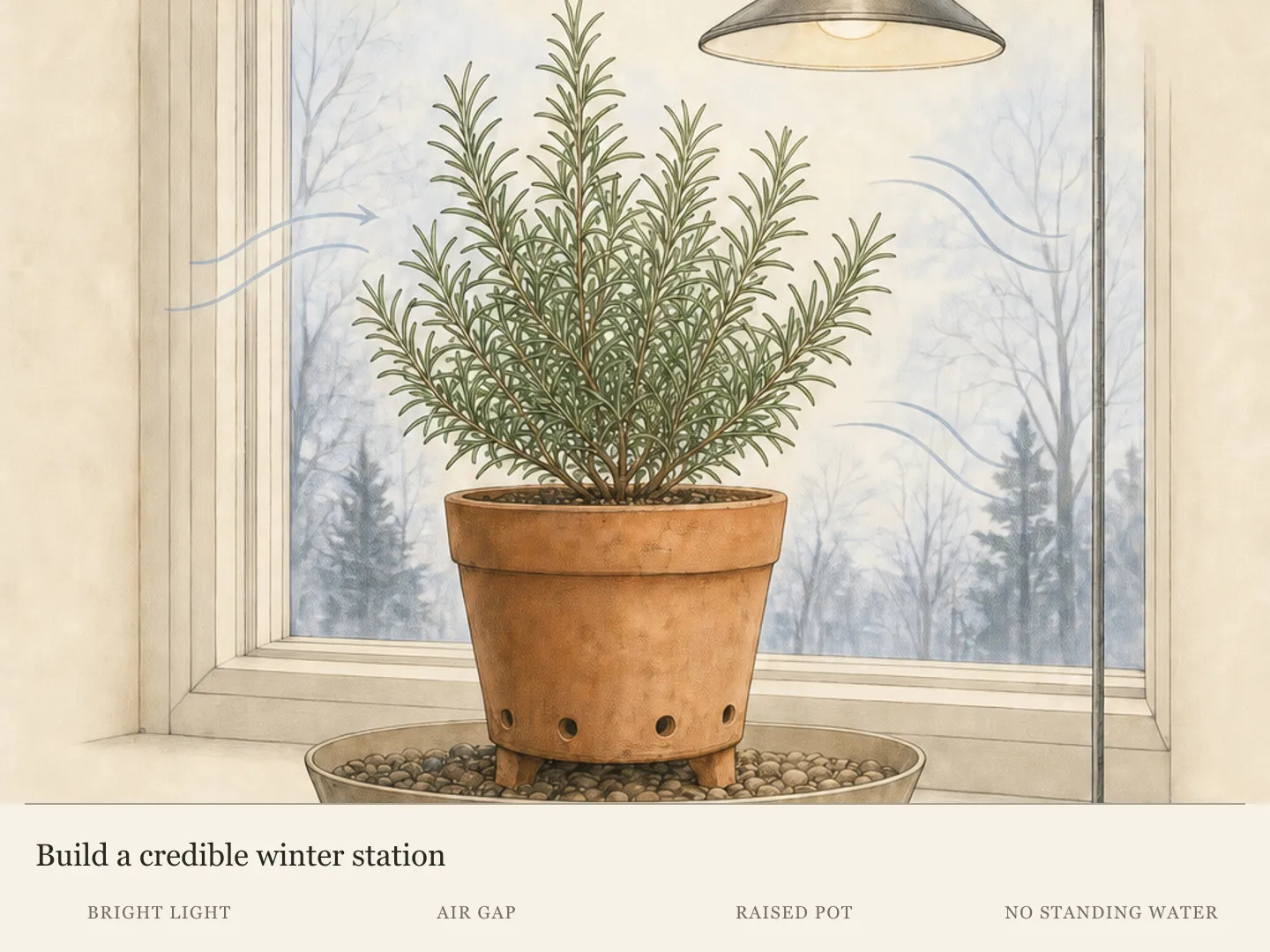
Overwintering Rosemary Indoors
Move container rosemary inside before frost only if you can provide very bright light, cool conditions, drainage, and air movement through winter.
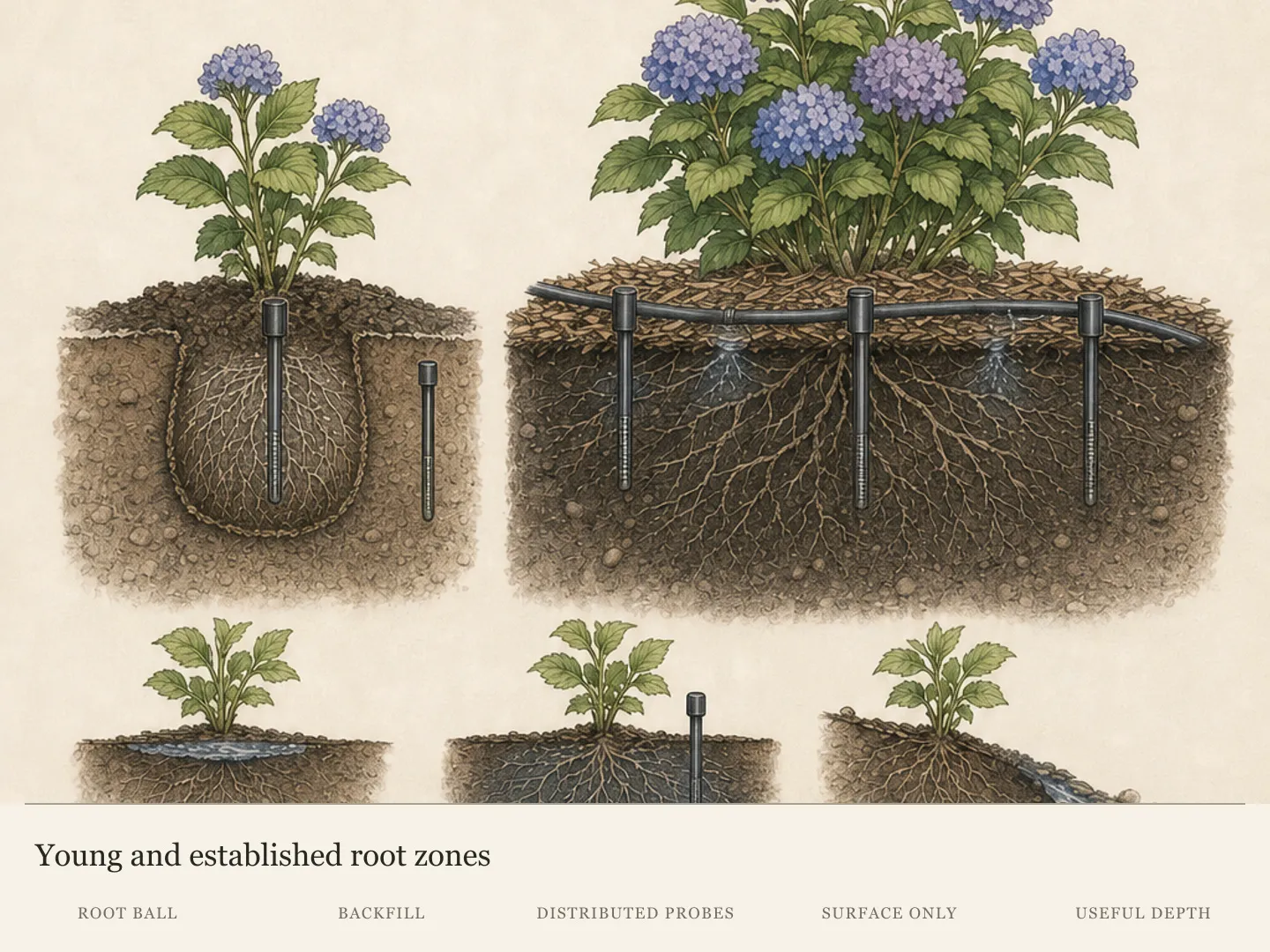
Heat-Wave Watering for In-Ground Hydrangeas
Use repeatable root-zone checks before, during, and after extreme heat so an in-ground hydrangea receives slow, verified water only when the soil needs it.
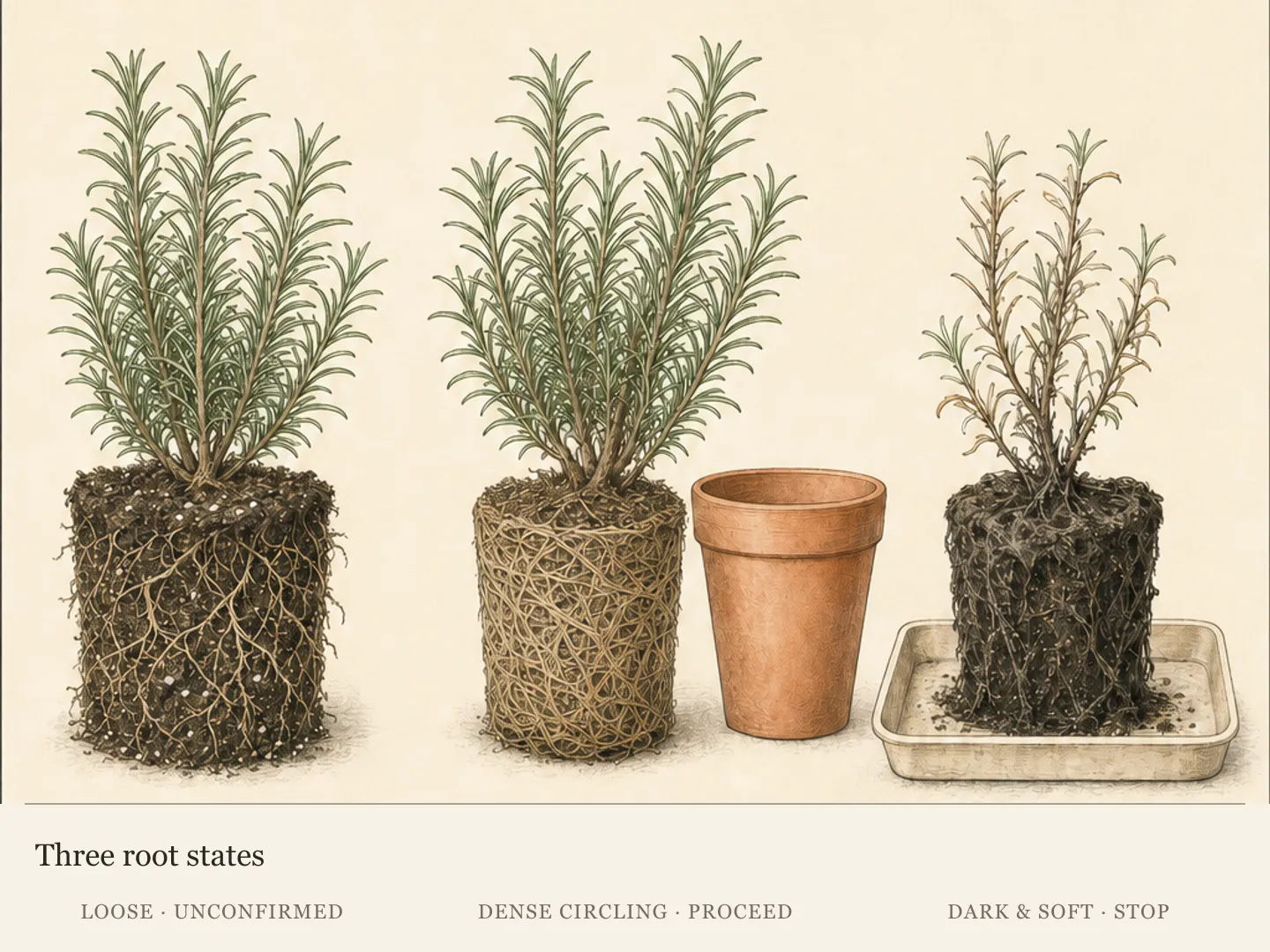
Repotting Rootbound Rosemary at Its Original Depth
Repot rootbound rosemary only after inspection confirms crowding, using a modestly larger draining container that preserves its original planting depth.
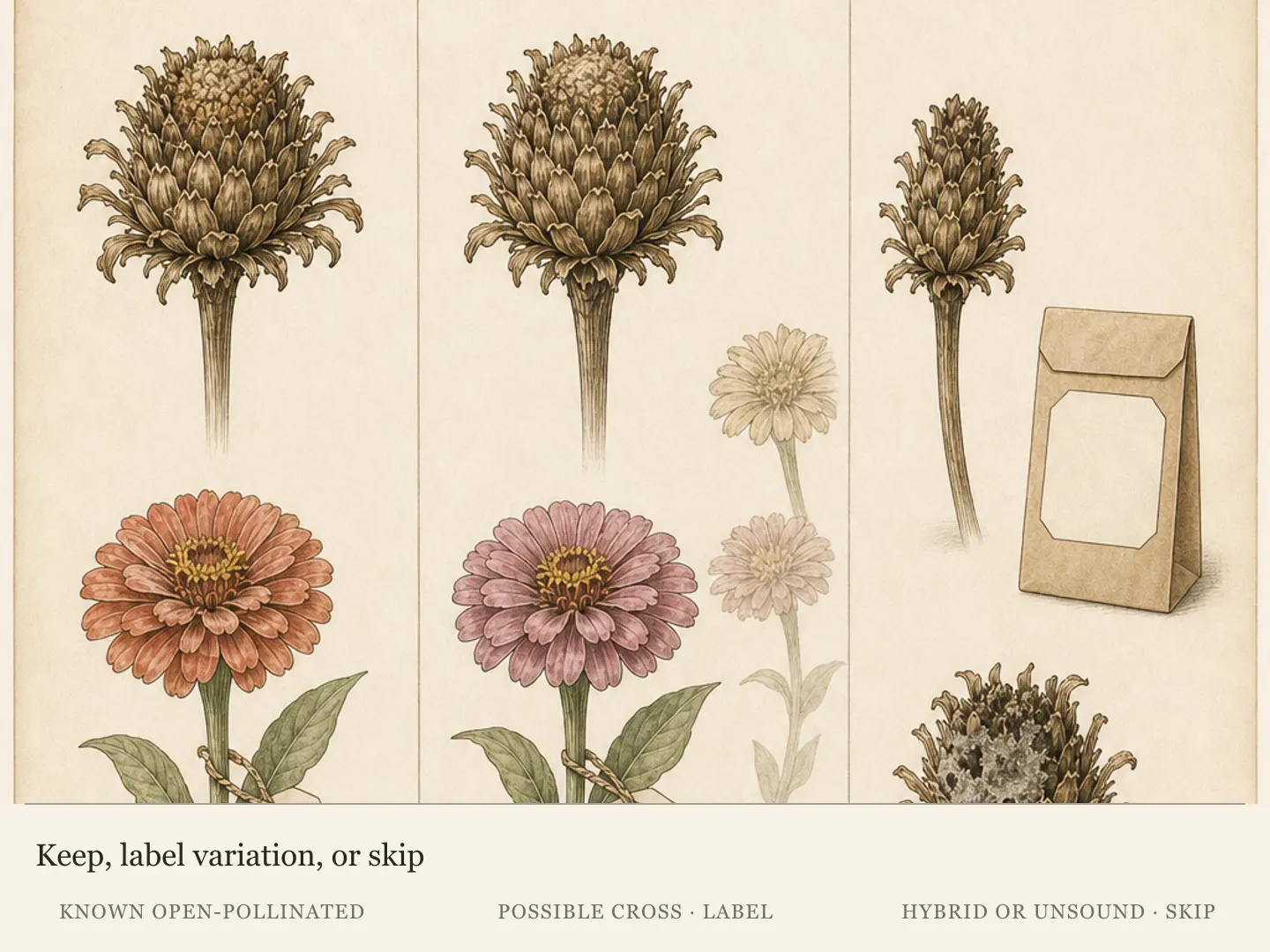
Seed Saving for Open-Pollinated Flowers
Select a known healthy flower, capture its mature dry seed head in a labeled paper bag, clean one lot, and seal only fully dry seed.
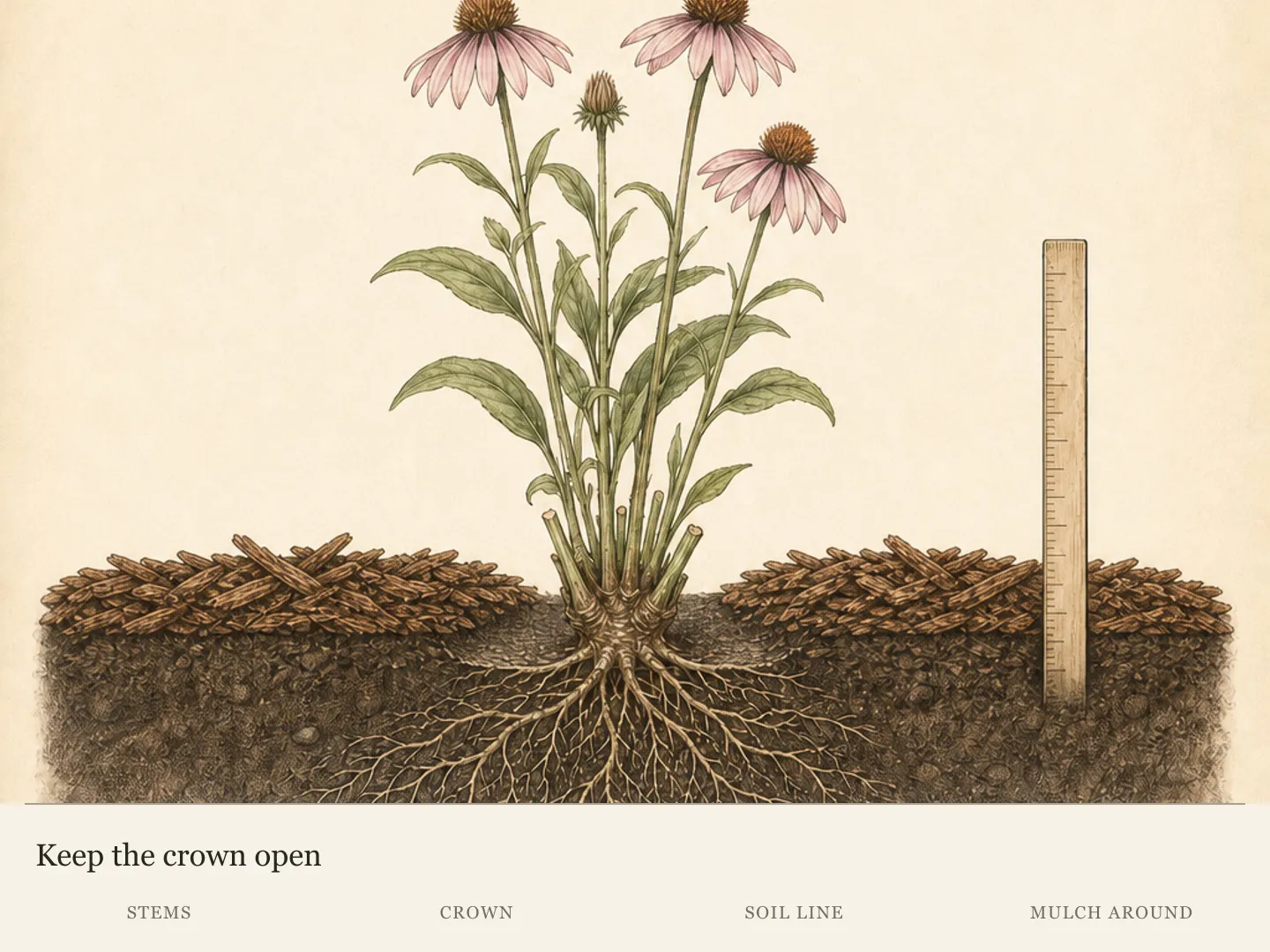
Mulching Around Perennial Crowns
Find every plant crown, measure the mulch already present, redistribute sound material, and add only enough to restore the intended final layer.

Cleaning Pruning Shears: When Disinfection Is Needed
Remove soil, sap, and plant debris first. Known disease exposure adds a separate, label-controlled disinfection step before drying and pivot care.

Deadheading Bigleaf Hydrangeas Without Cutting Old Wood
Remove faded bigleaf hydrangea heads with one tip-only cut, preserving the first healthy leaf or bud pair and the old-wood flowering framework below.
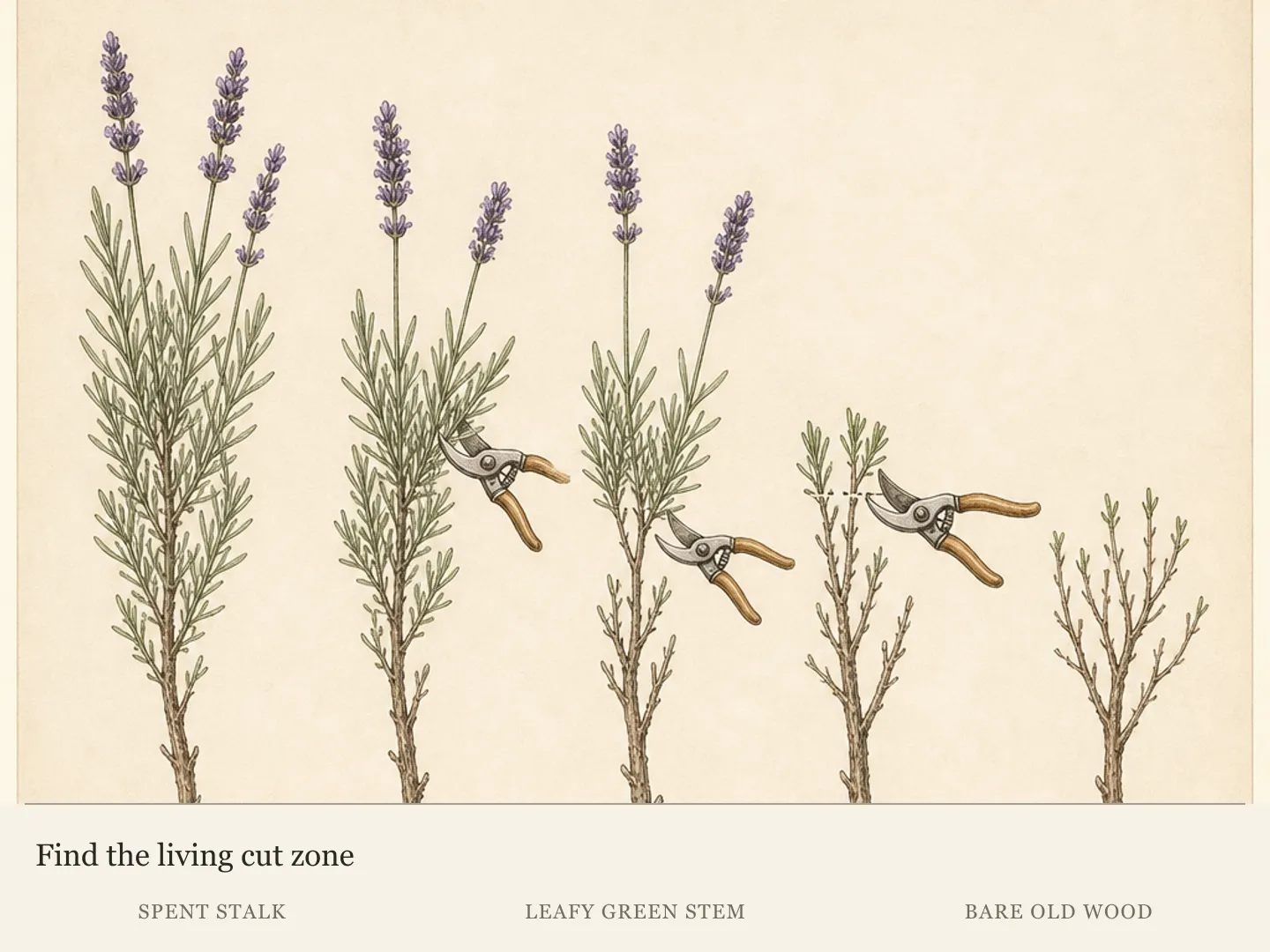
Pruning English Lavender at the Live-Growth Boundary
Prune established English lavender and lavandin while leafy shoots remain below every cut, shaping after bloom and delaying uncertain dead-stem decisions until live growth is clear.
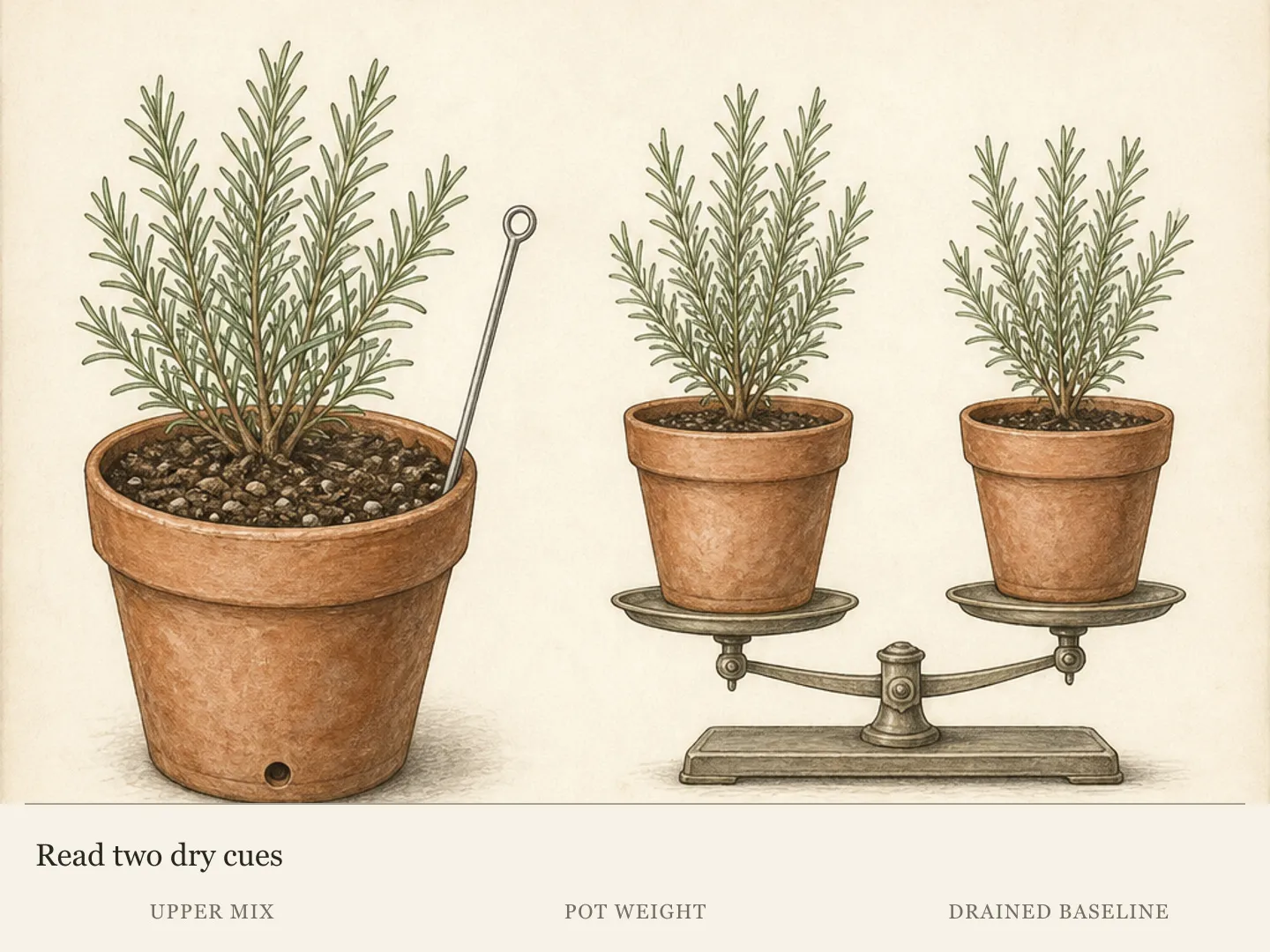
Watering Container Rosemary by Soil and Pot-Weight Cues
Use upper-mix moisture and pot weight to decide when container rosemary needs water, then wet the root ball fully and empty the runoff.
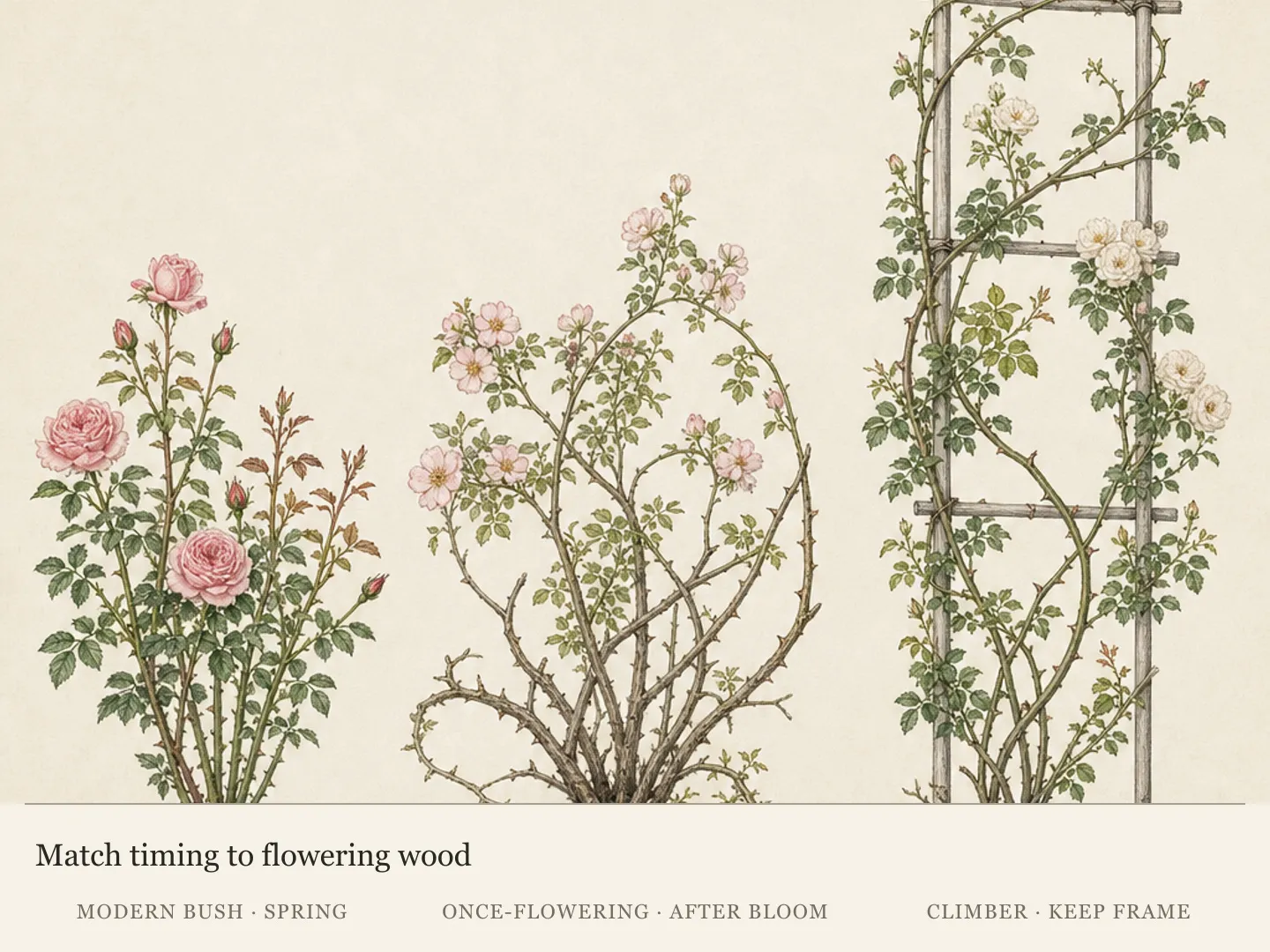
Pruning Roses by Flowering Habit and Season
Classify a rose by growth and flowering habit before pruning, then remove dead wood and make only the cuts that its framework can replace.
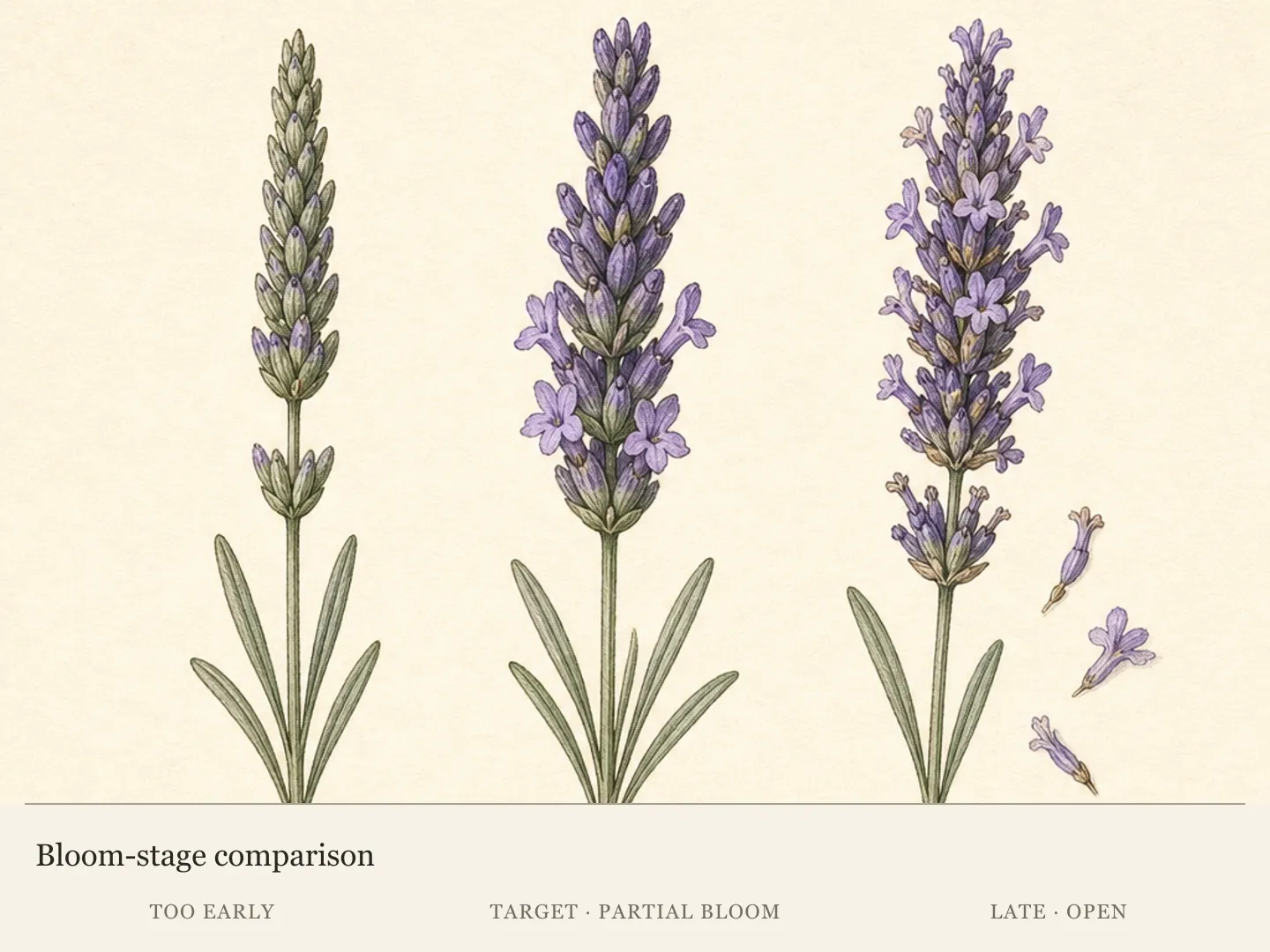
Harvest Lavender for Drying
Harvest lavender while the buds are strongly colored and only partly open, then use loose bundles, darkness, and moving air to dry the stems cleanly.
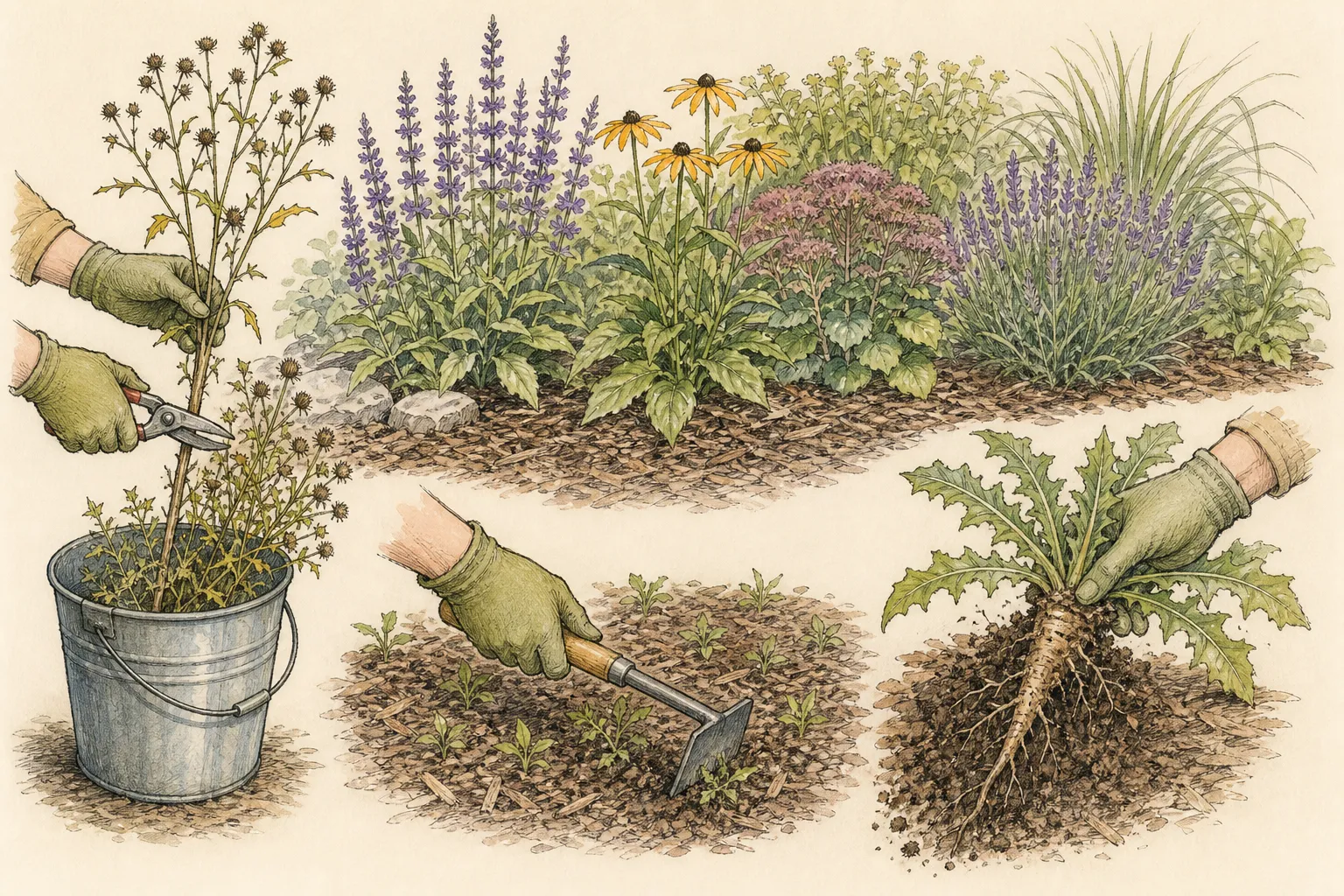
Stop Garden Weeds From Setting Seed Before You Dig the Roots
Separate urgent seed-head removal from later root control, identify annual and perennial weeds, and clear flower borders in small sections without scattering seed or damaging ornamental crowns.
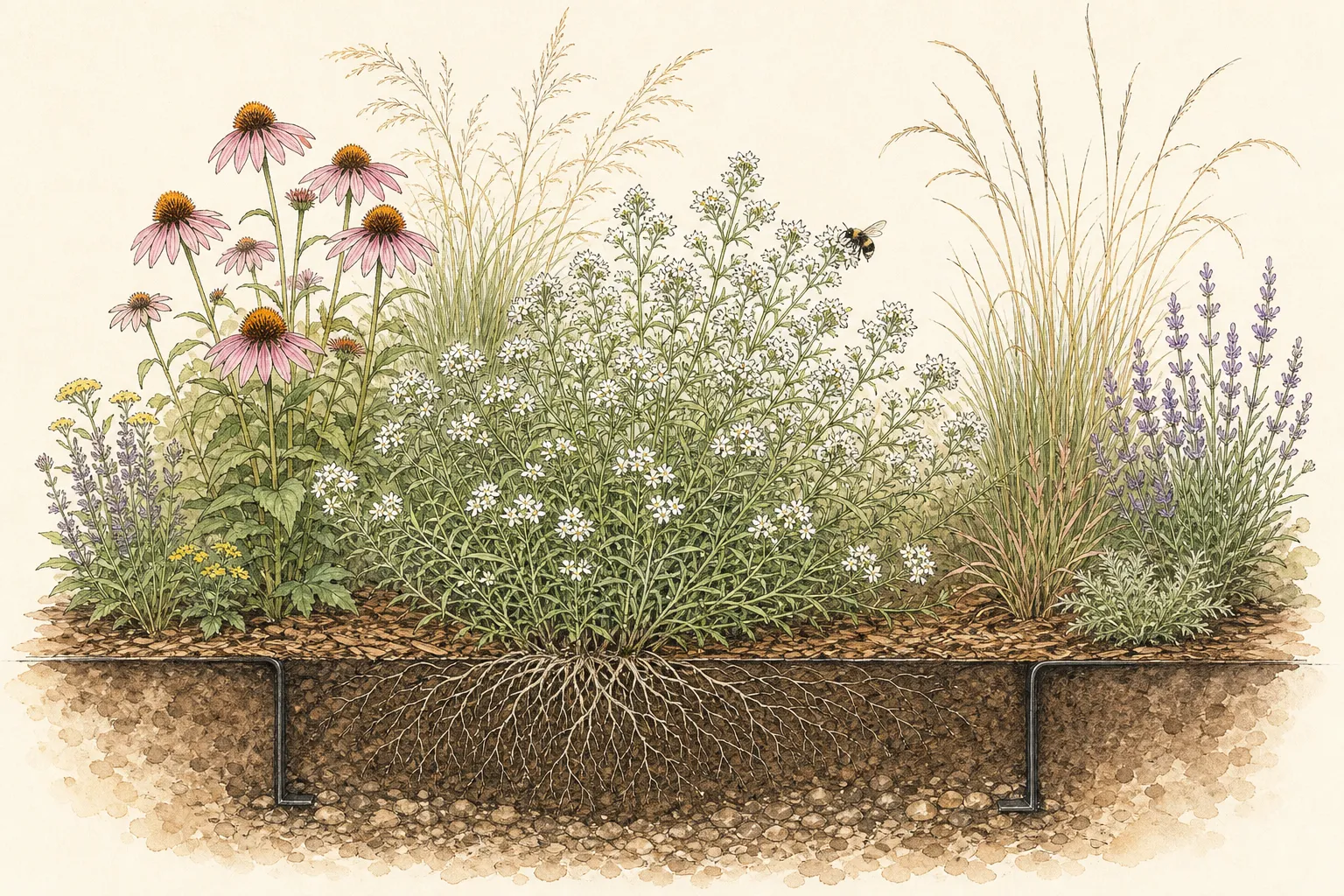
Design a Mountain Mint Drift With a Boundary You Can Maintain
Choose a locally suitable Pycnanthemum, give the pollinator-rich planting a visible edge and access, and control spread through division and editing rather than deep root disturbance.
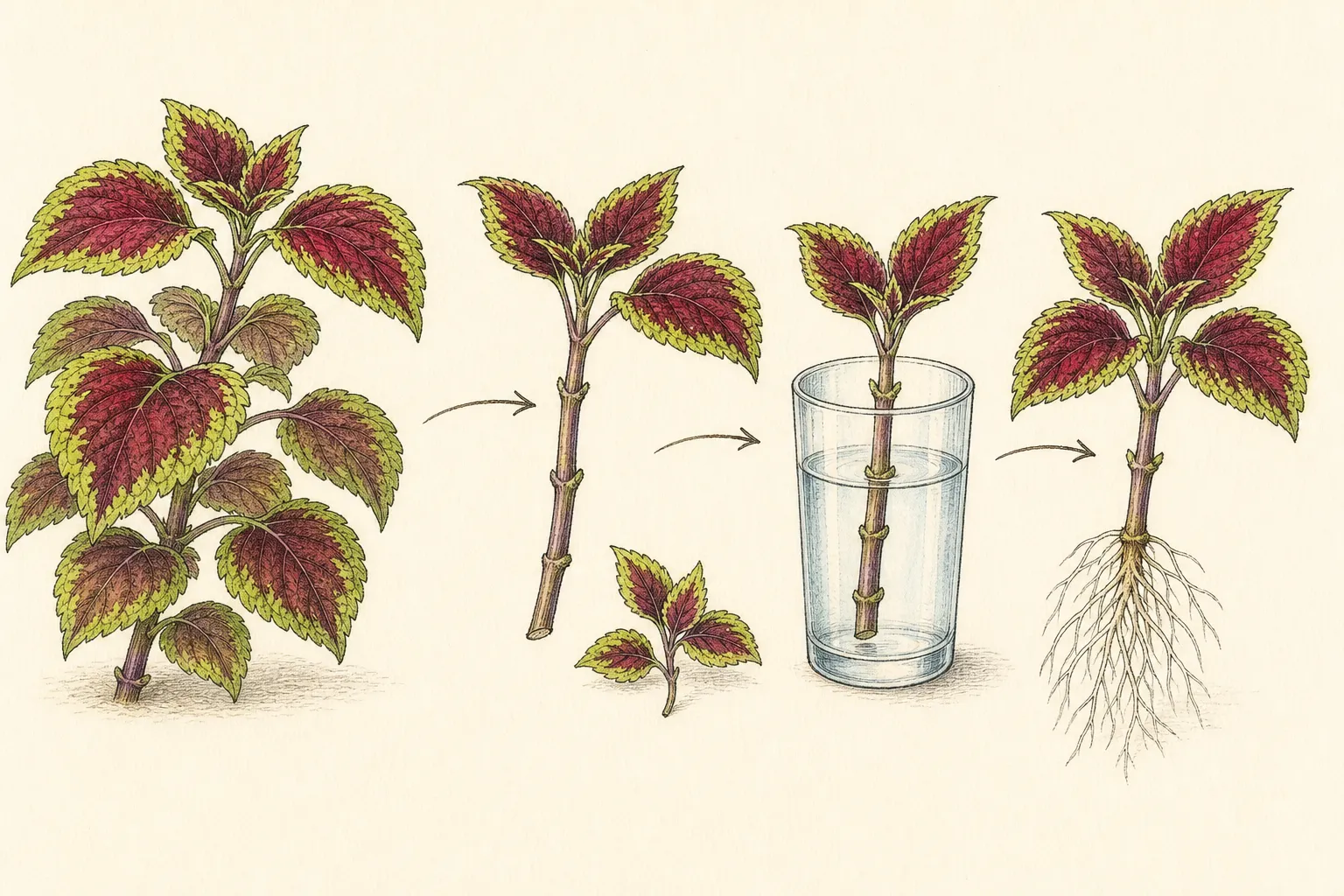
Propagate Coleus From Cuttings and Keep the New Plant Compact
Take nonflowering tips below a node, root them in clean media or water, then pot and pinch only after new roots can support a compact canopy.
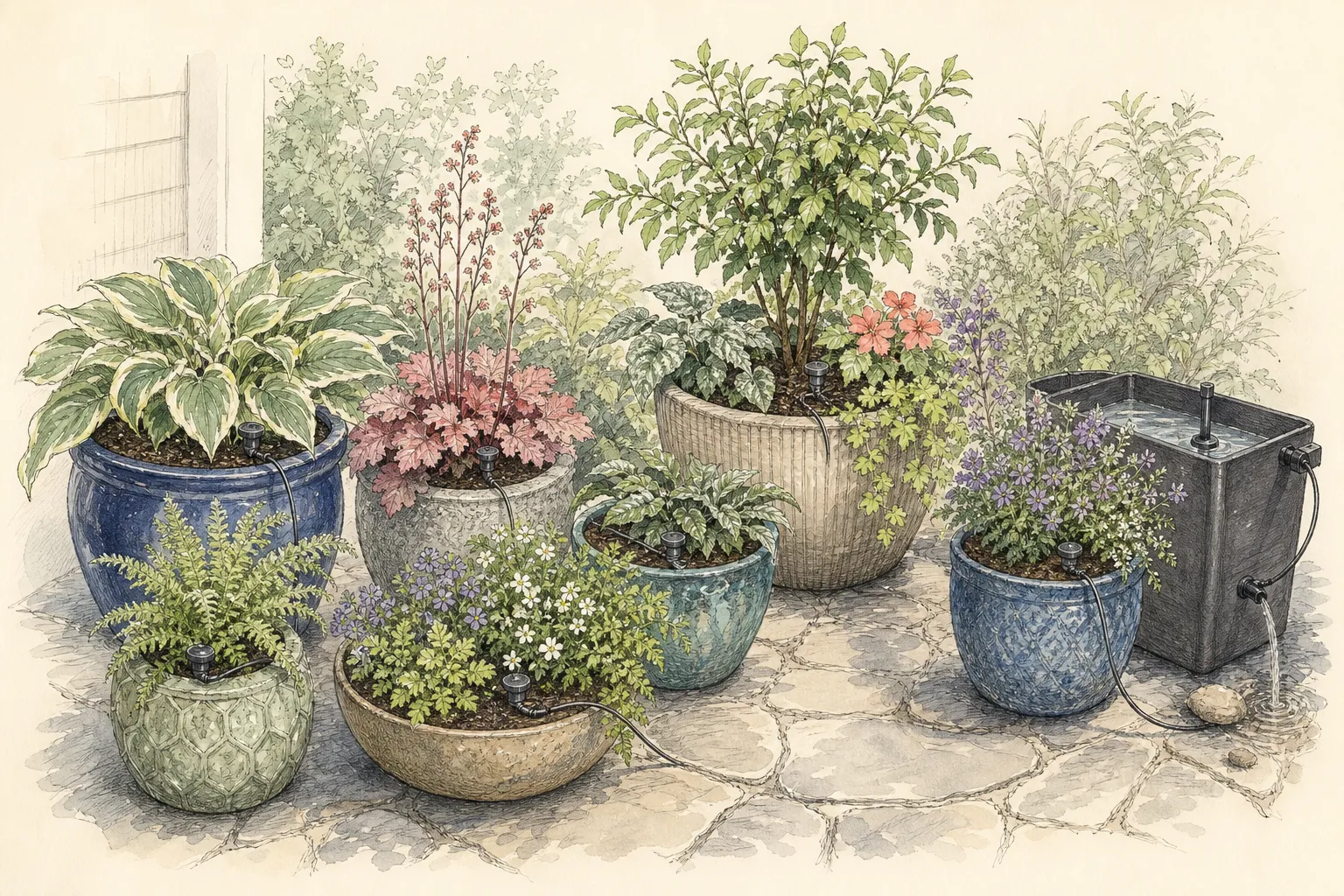
Prepare a Container Garden for Vacation Without Guessing at Water
Group pots by real water use, test emitters over several days, reduce avoidable stress, and leave a simple written plan that protects roots without keeping every container saturated.
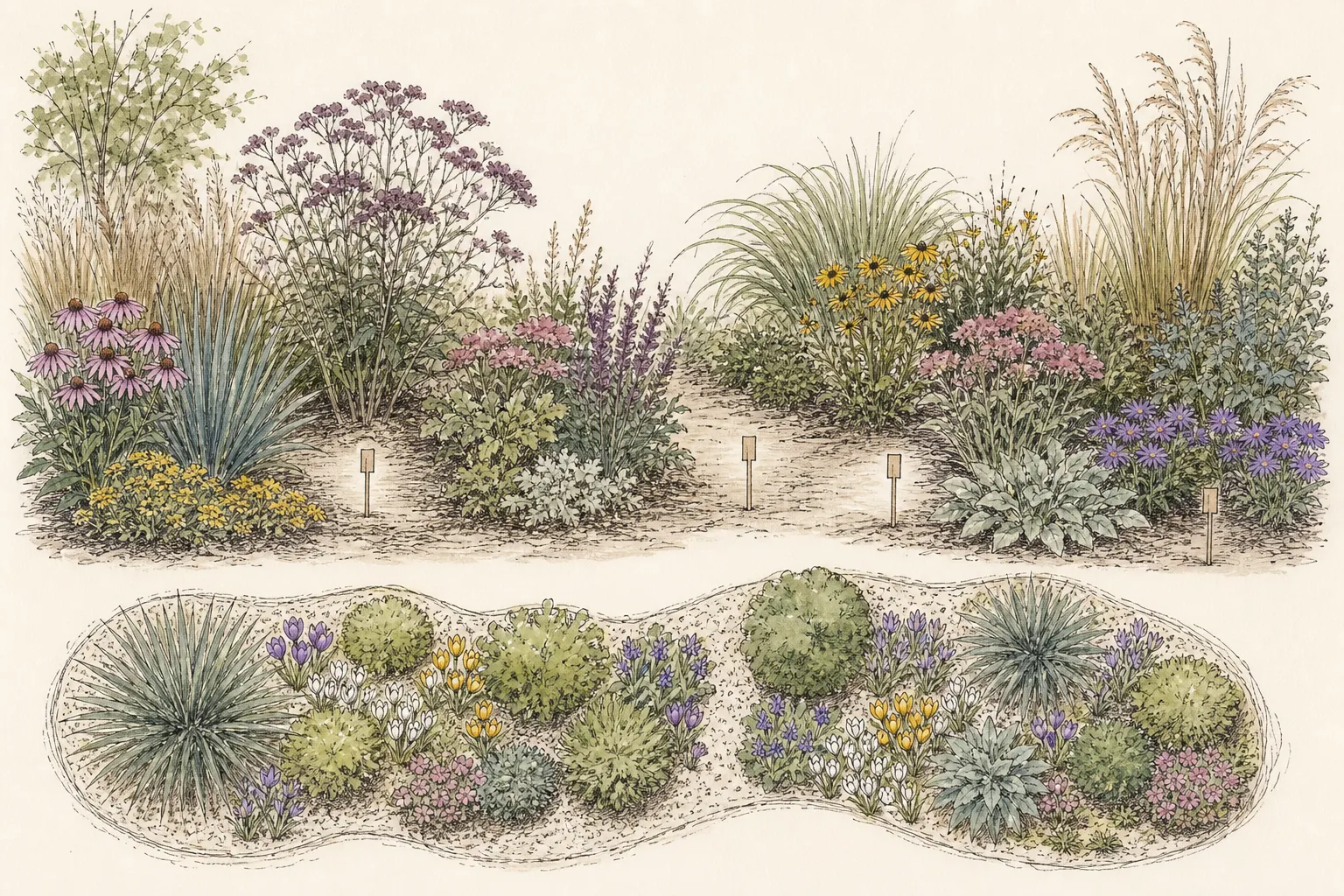
Map Late-Summer Flower Gaps Before Ordering Fall Bulbs
Photograph the border at its quietest, distinguish seasonal gaps from structural failures, and plan bulbs and later perennials without crowding crowns or losing access.
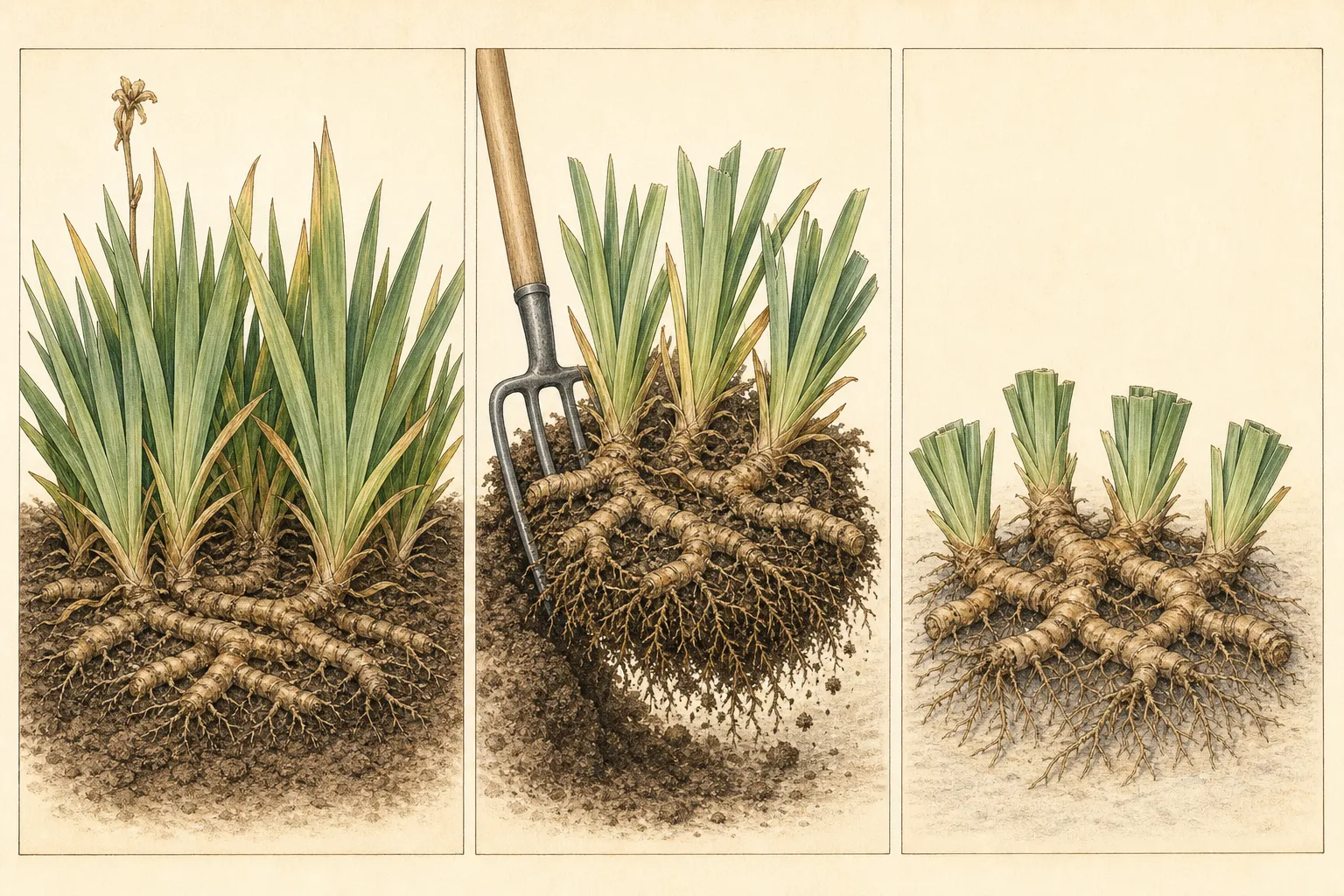
Divide Bearded Iris Without Burying the Rhizomes
Divide a crowded bearded iris clump after flowering, keep firm young rhizomes, reject borer or soft-rot damage, and replant with the rhizome tops at the soil surface.
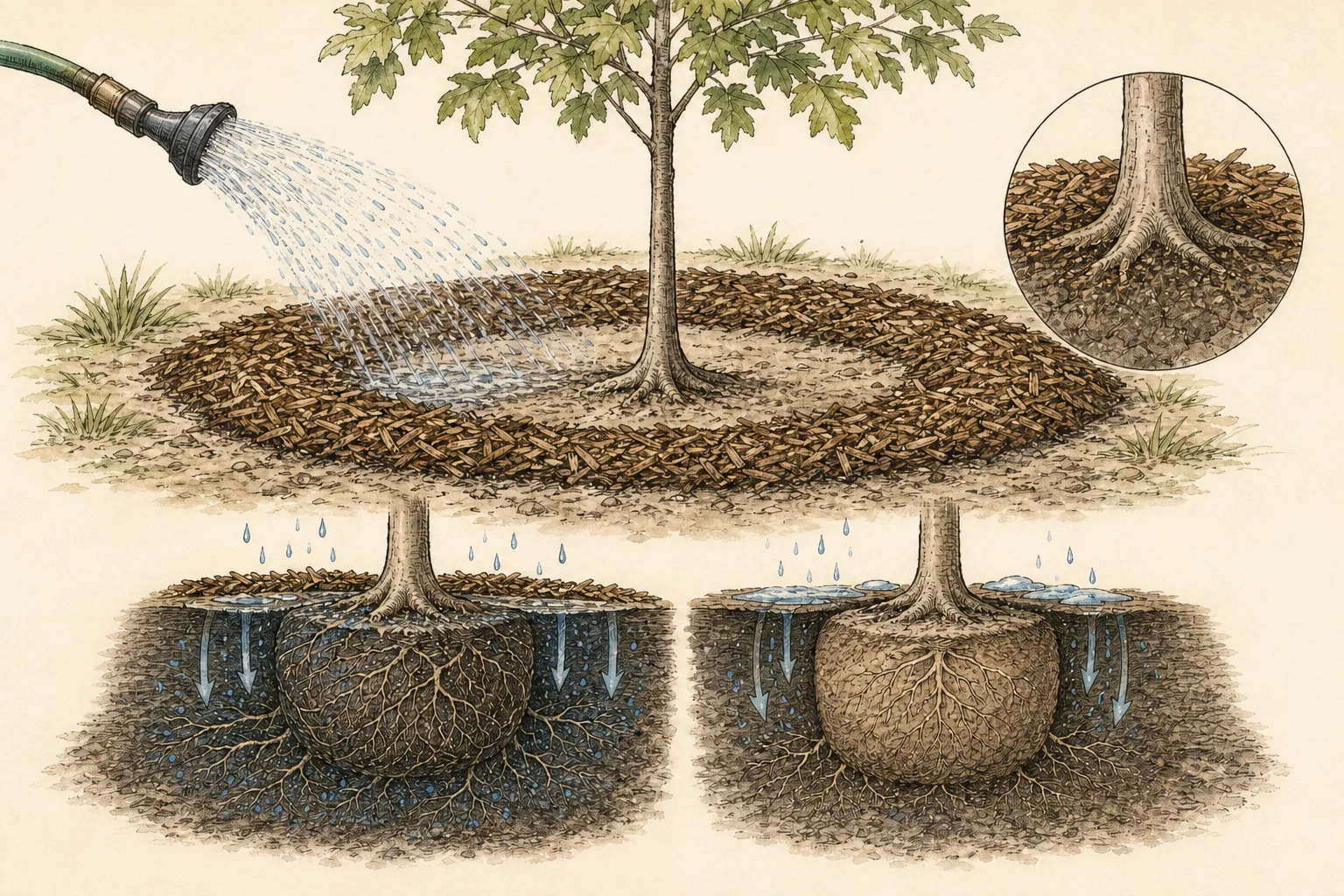
Water a Newly Planted Tree Through Summer Heat
Check the original root ball and surrounding soil separately, apply slow water across the planting zone, and adjust for rain and drainage while keeping the root flare visible.
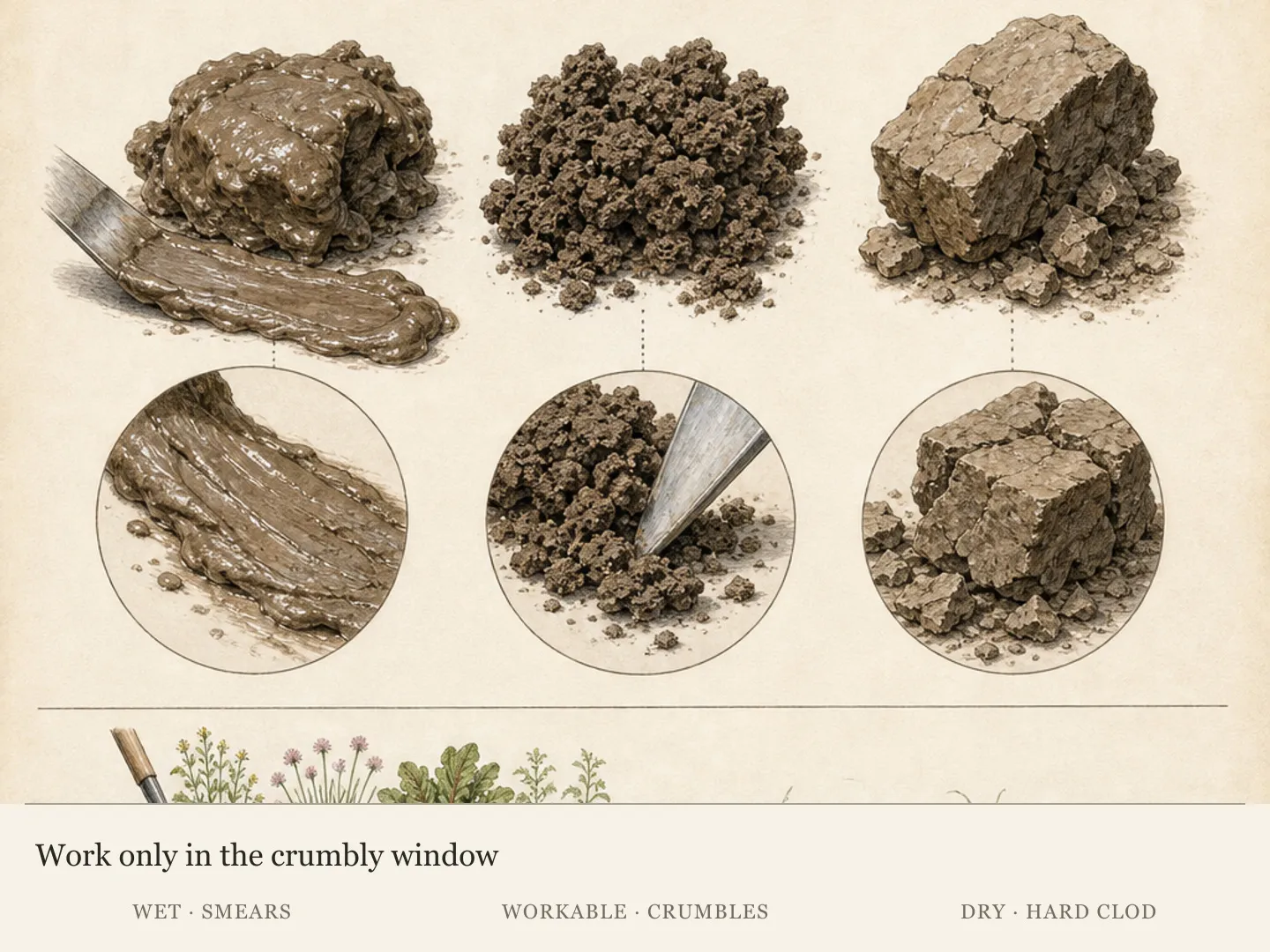
Improving Heavy Clay Soil: Drainage, Compost, and Cover
Protect clay structure by waiting for workable moisture, correcting true drainage failures and building aggregation with compost, roots and surface cover.
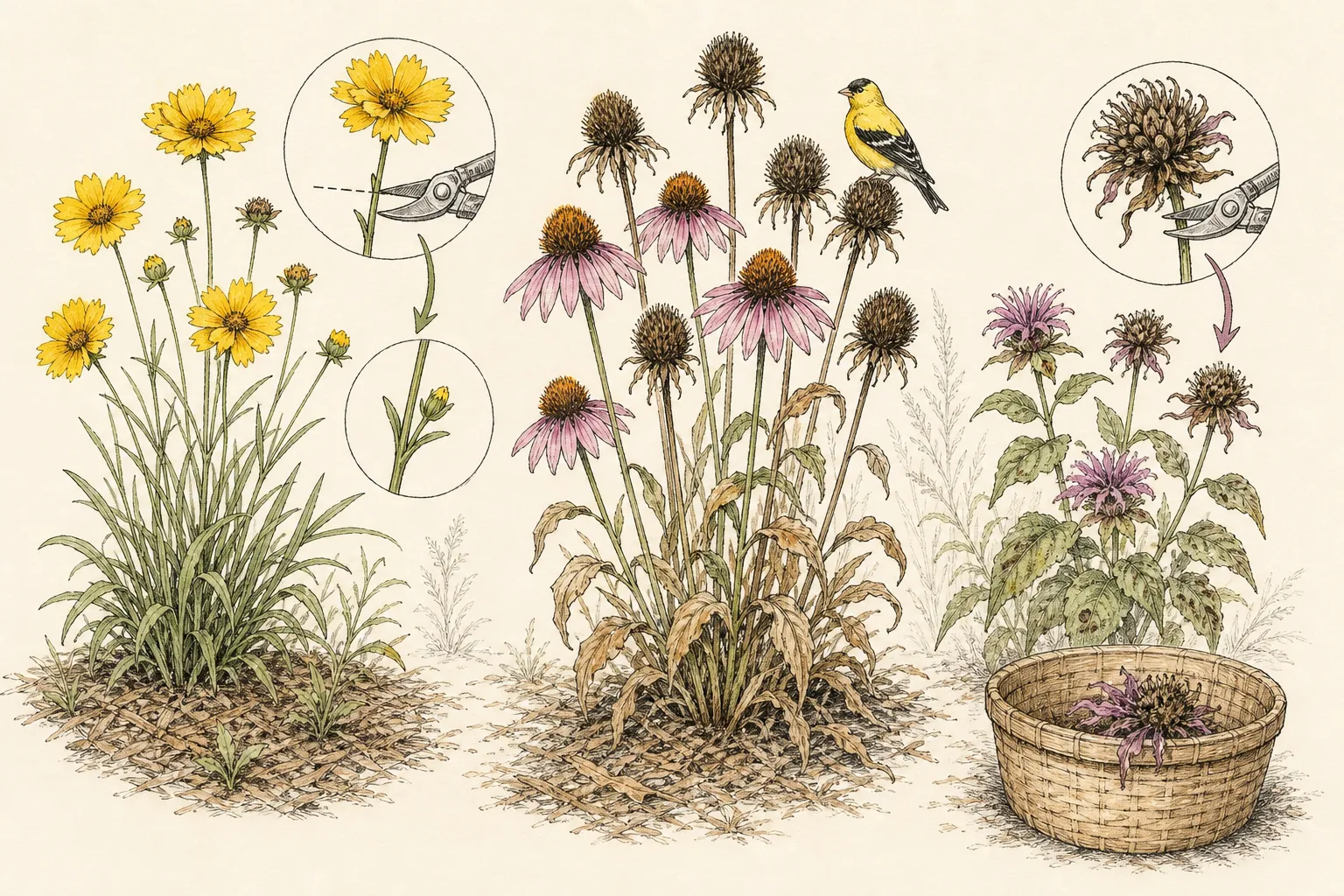
Deadhead a Perennial Border Selectively, Not All at Once
Choose which spent flowers should rebloom, hold structure, feed birds, or self-sow, then make plant-specific cuts that preserve foliage and seasonal character.
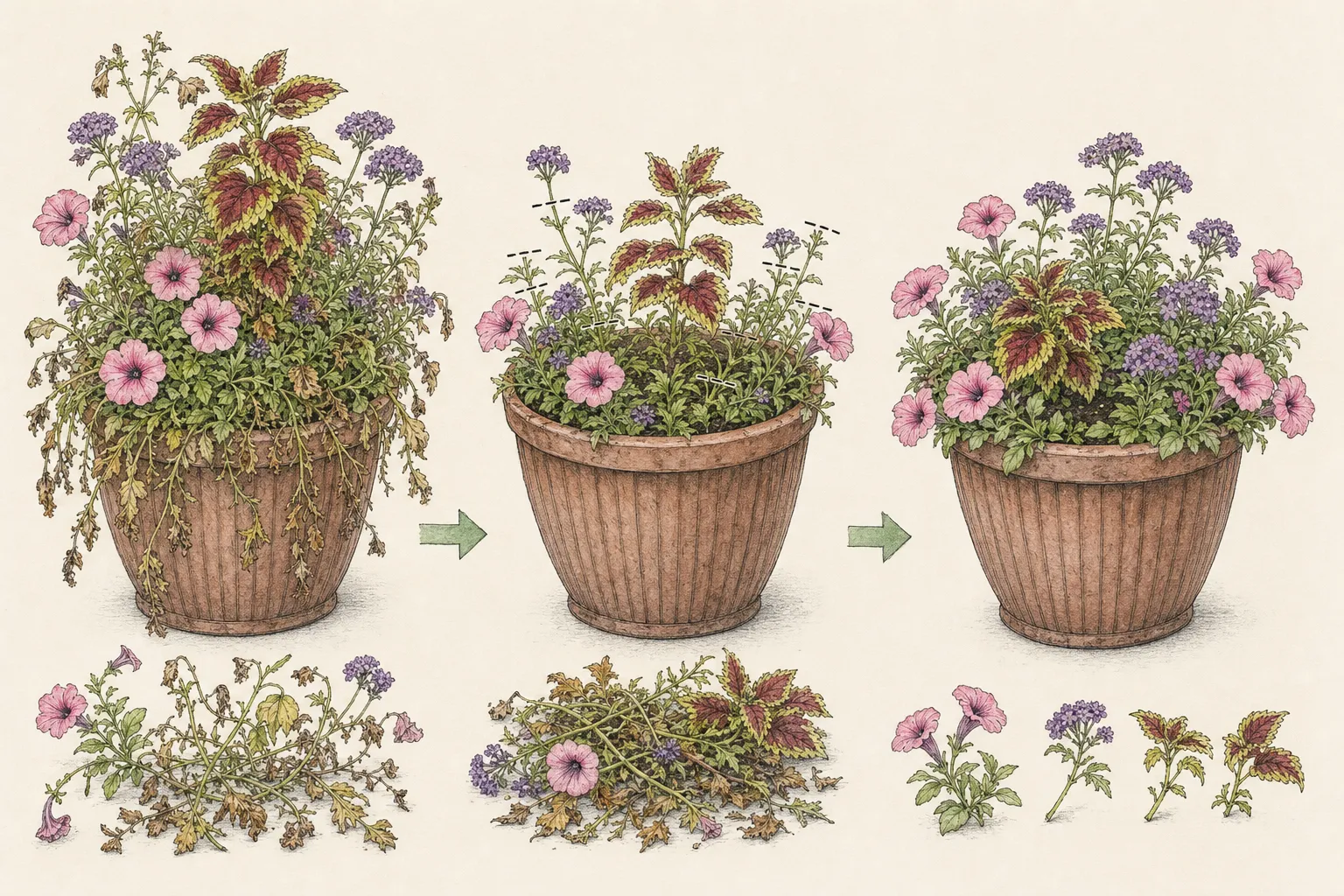
Revive a Leggy Summer Container Without Replacing Everything
Audit roots, light, water, and plant roles before pruning, then renovate the container in stages so healthy fillers and trailers can rebuild around a stable structure.
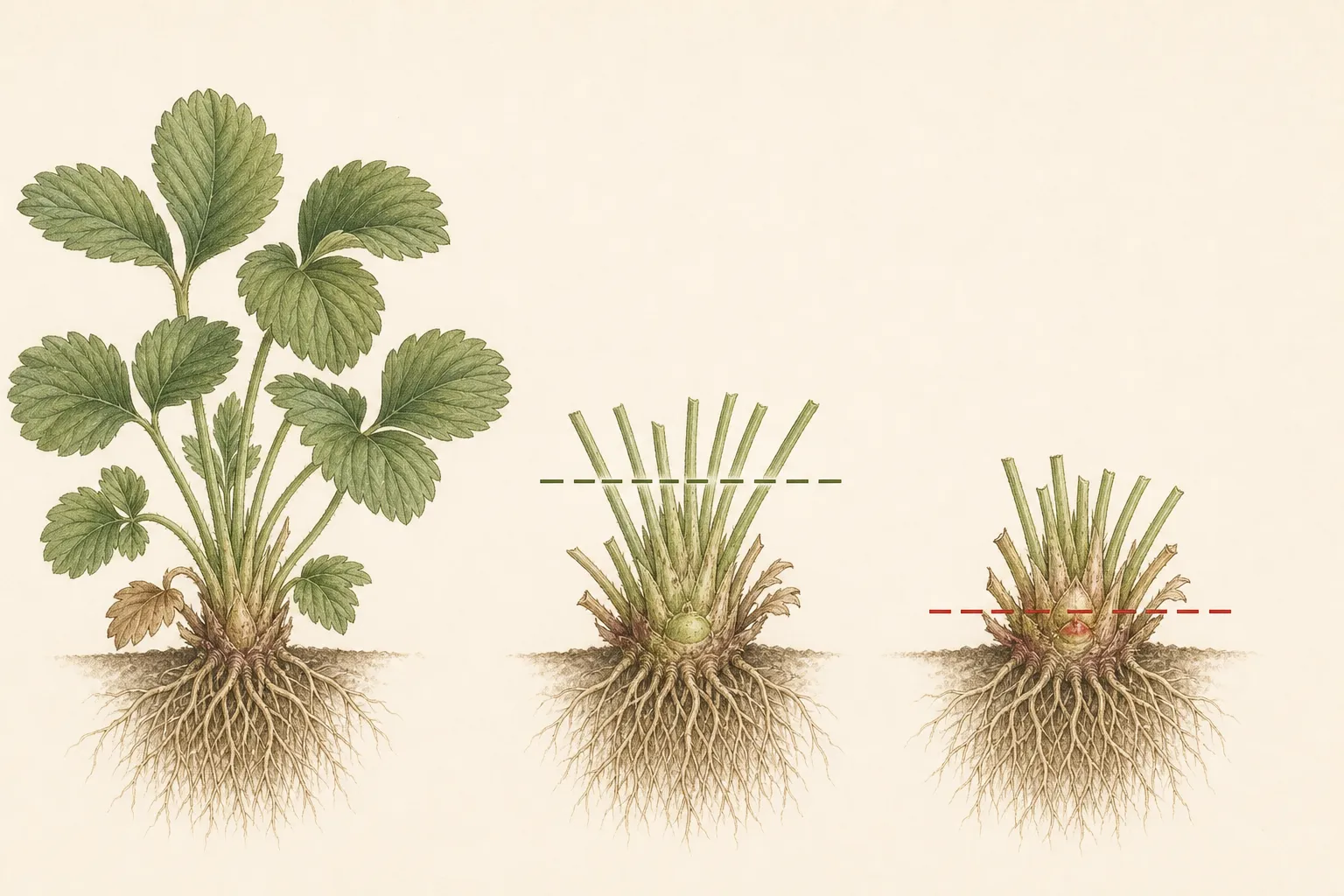
Renovate a June-Bearing Strawberry Bed After Harvest
Renovate a mature June-bearing strawberry matted row immediately after harvest: identify the right planting, protect crowns while mowing, narrow and thin the row, then water for recovery.
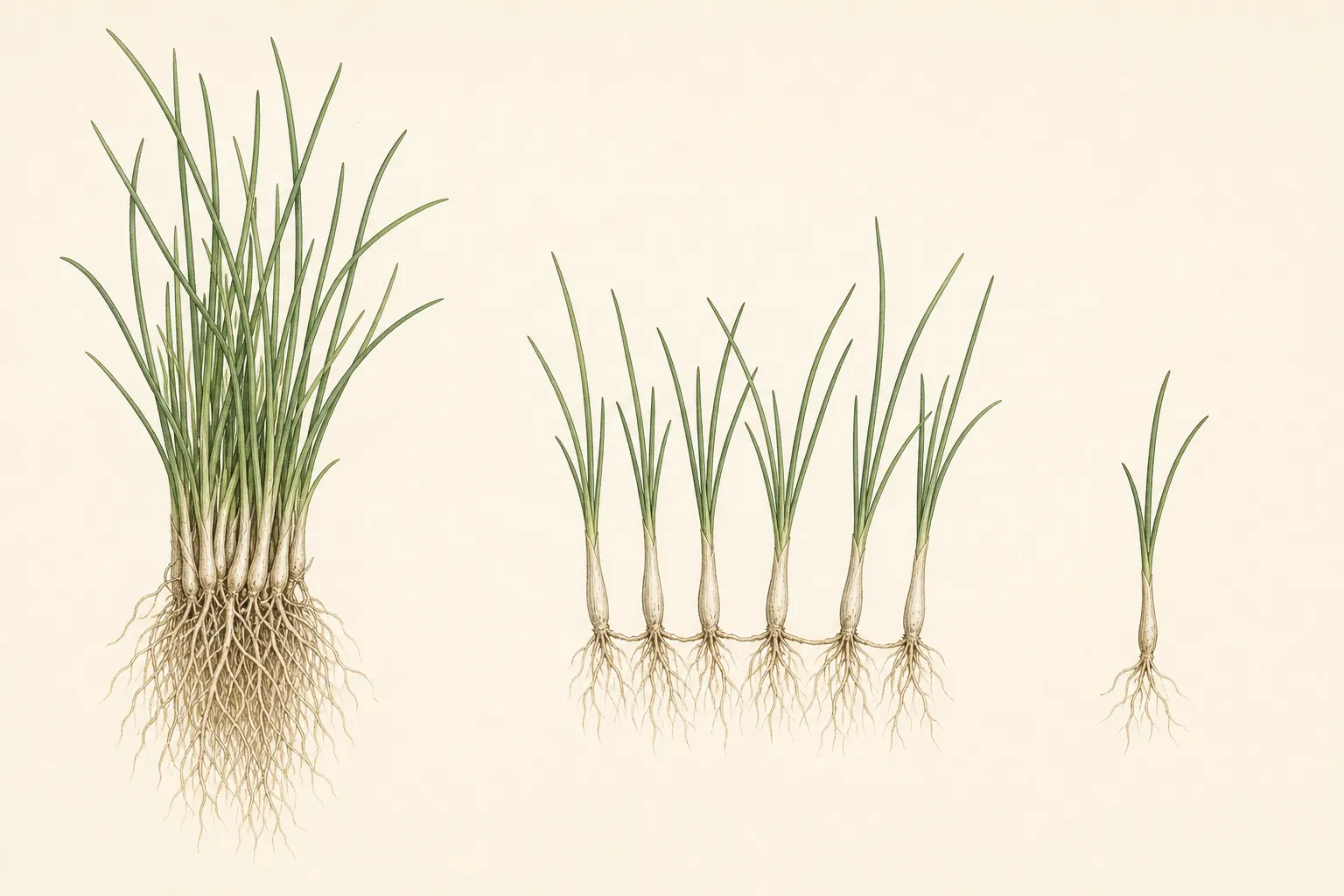
How to Divide Chives into Rooted Clumps
Divide common chives in spring. Prepare each new position first, keep five or more bulbs with attached roots in every section, replant at the same depth, water well, and pause harvest for several weeks.
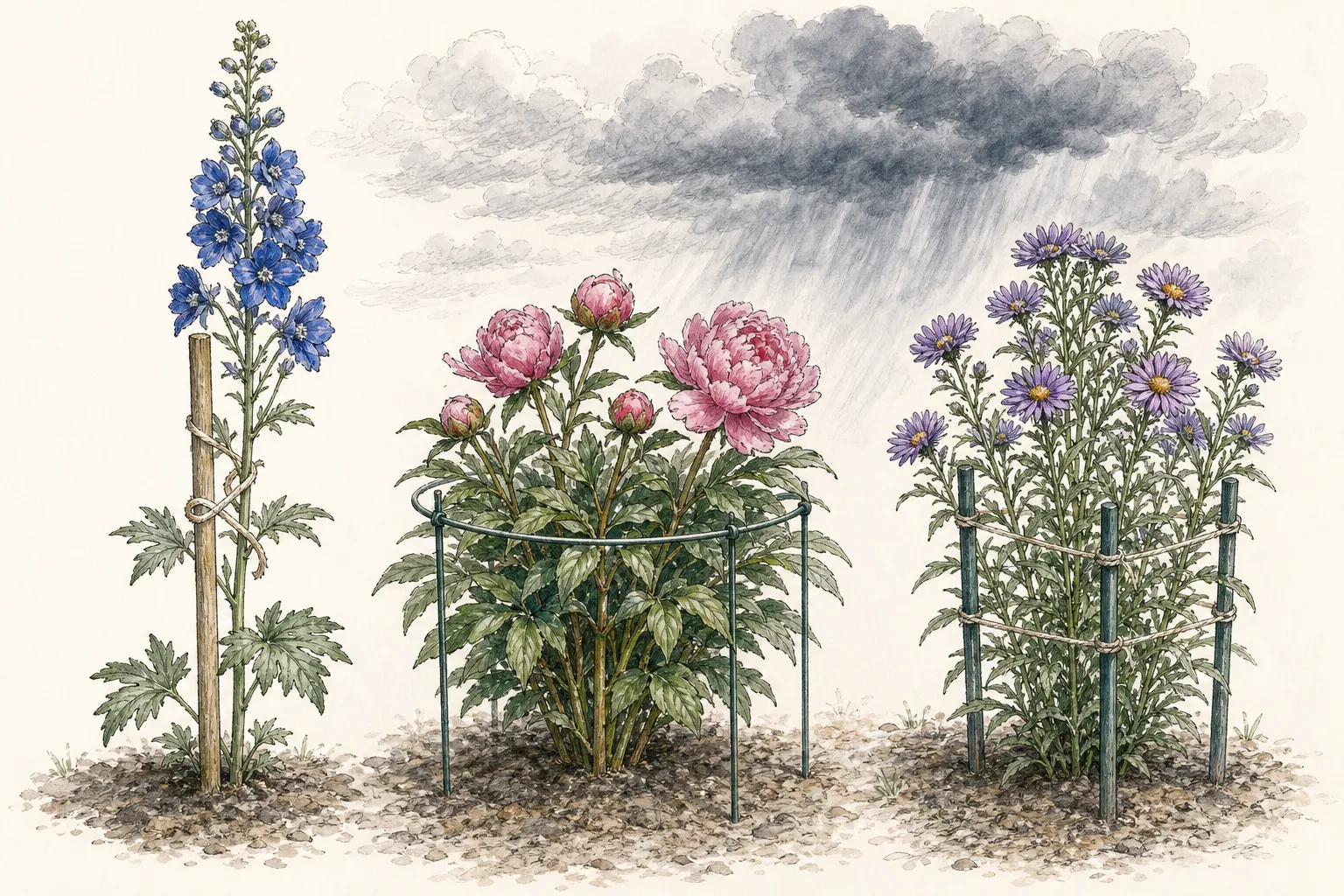
Stake Tall Perennials Before Summer Storms
Choose a support that disappears into the plant, install it beyond the crown, and tie stems loosely before wind and rain turn flexible growth into a collapsed tangle.
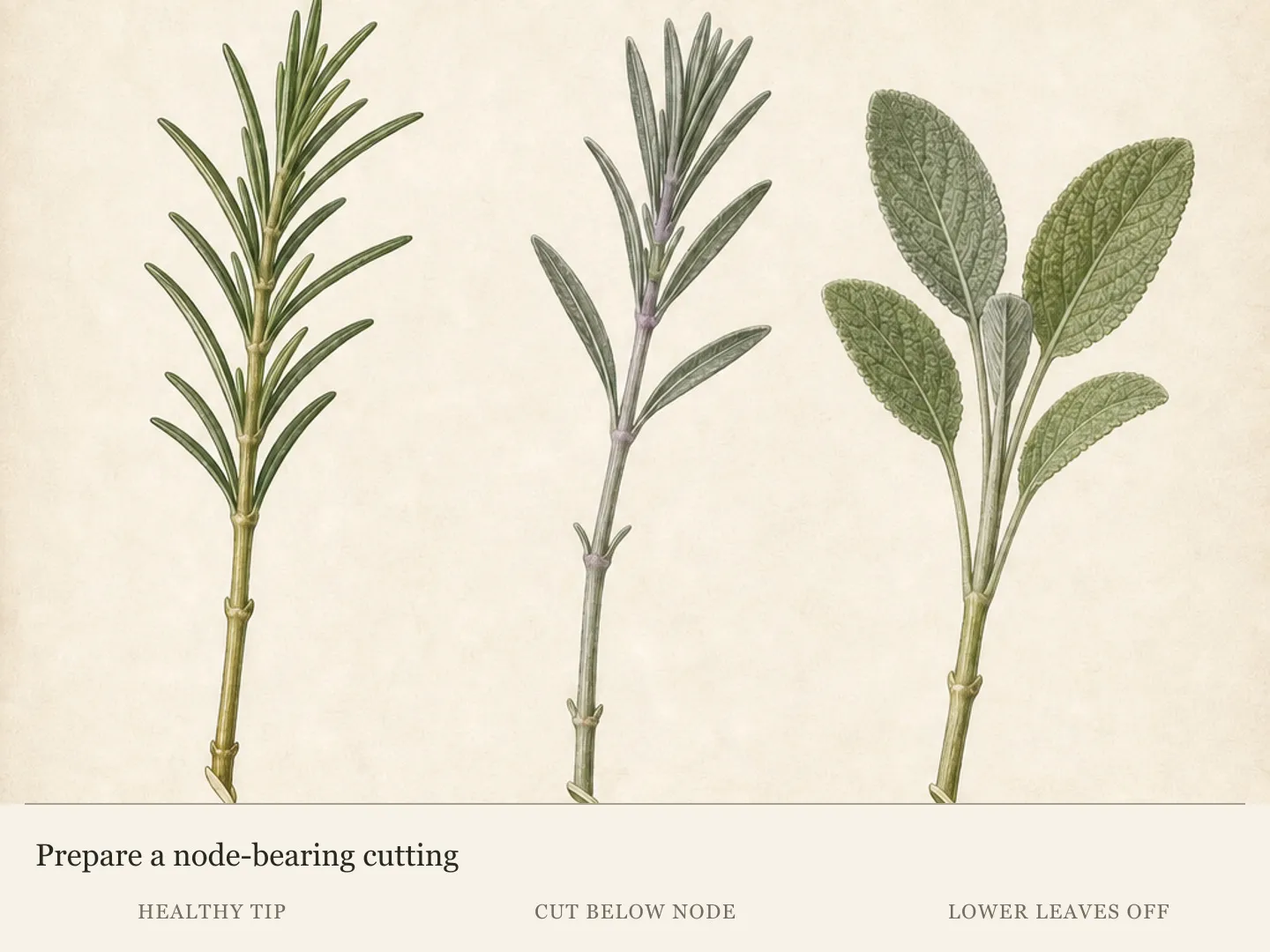
Propagating Woody Herbs from Stem Cuttings
Root rosemary, lavender and sage from clean stem sections by preserving nodes, limiting leaf loss and balancing moisture with air around the base.
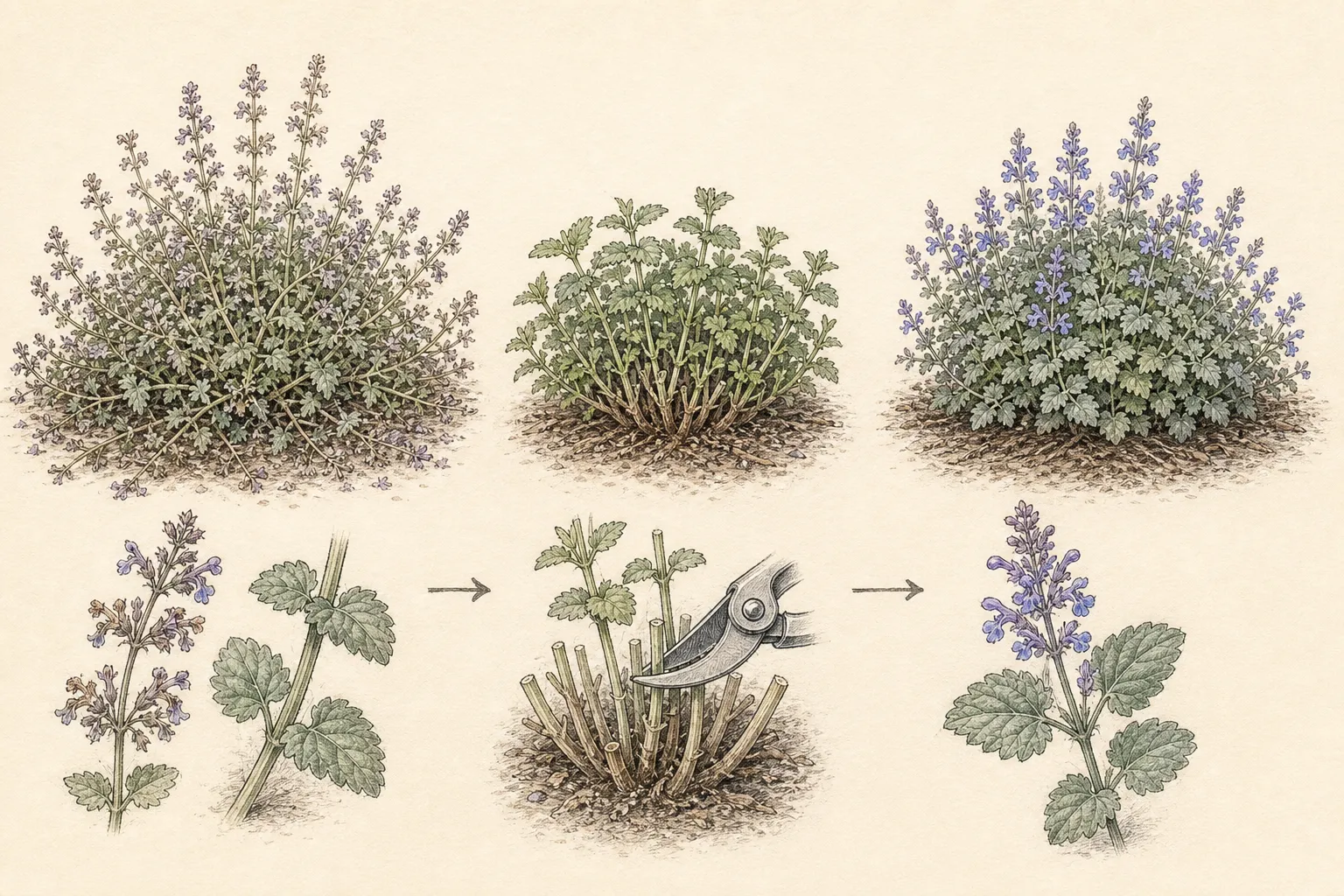
Cut Back Catmint After Bloom Without Flattening the Crown
Shear or selectively shorten a spent catmint mound above living basal growth, preserve enough foliage for recovery, and use water and light—not fertilizer—to guide the second flush.
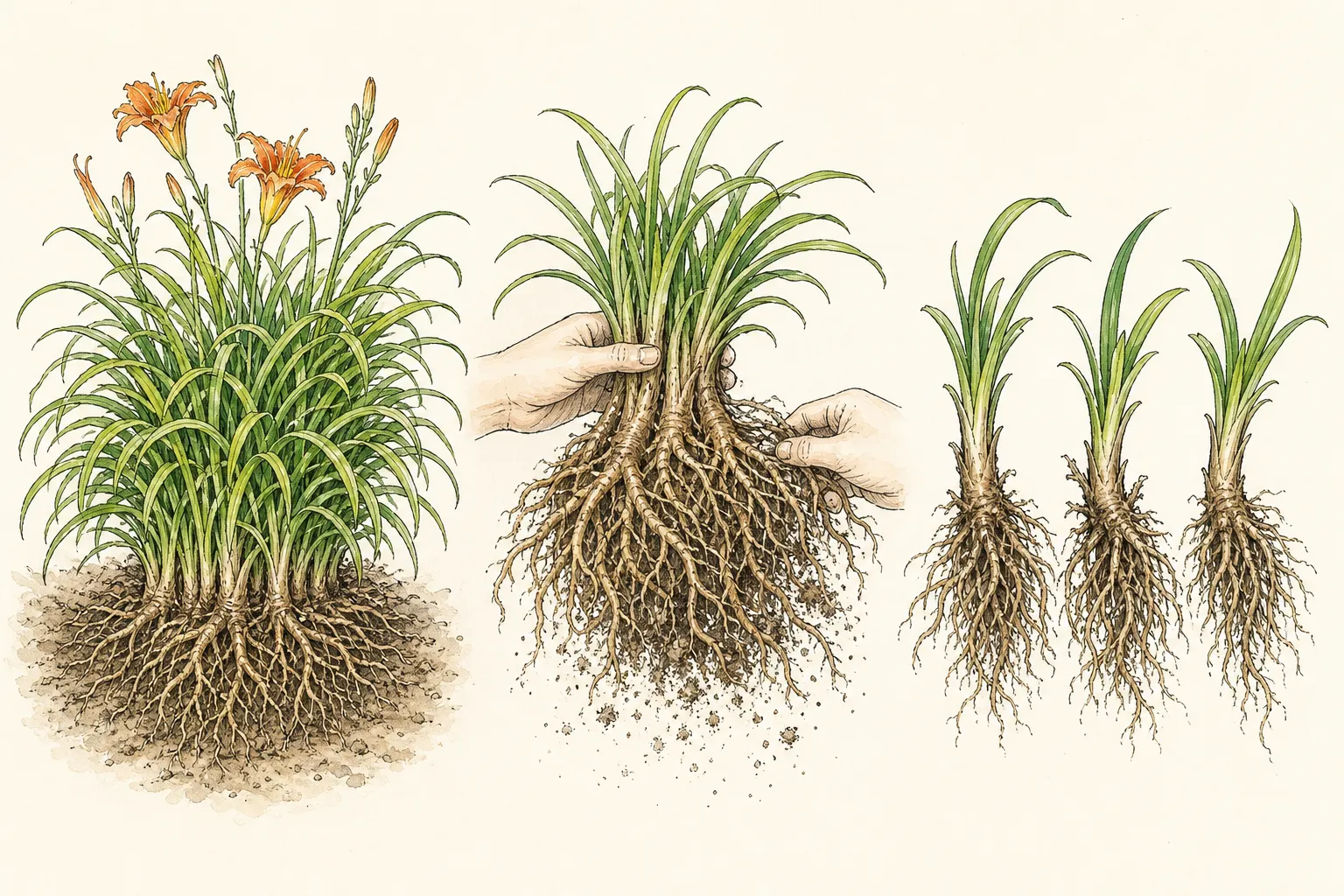
Divide Daylilies After Bloom and Rebuild the Clump
Lift a crowded daylily after flowering, separate sound fans with roots attached, reset the crown at grade, and water the divisions through establishment.
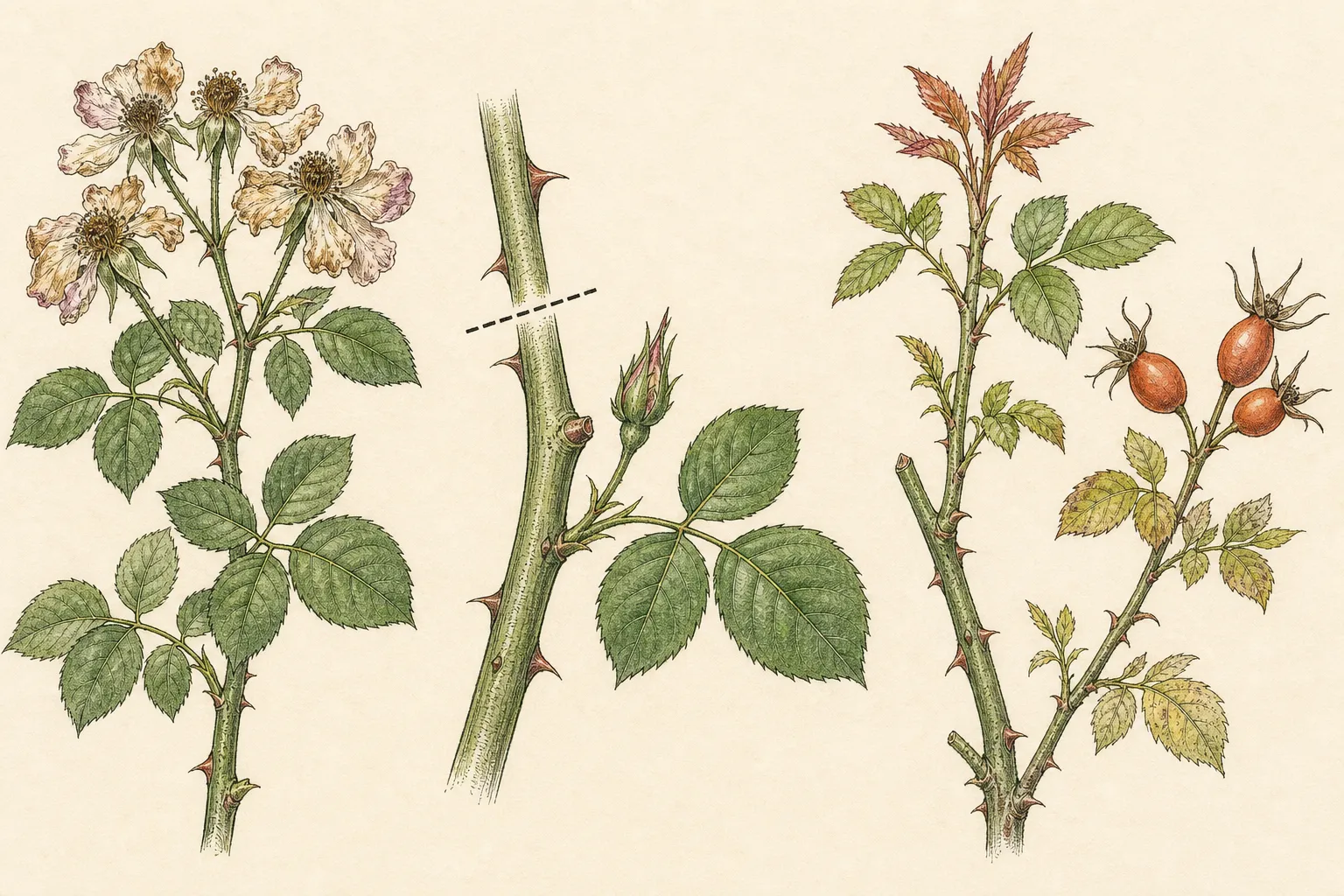
Deadhead Repeat-Blooming Roses Without Cutting Away the Next Flush
Identify the rose’s flowering habit, remove spent blooms above useful outward growth, and stop cutting when hips, dormancy, or plant stress matter more than another flush.
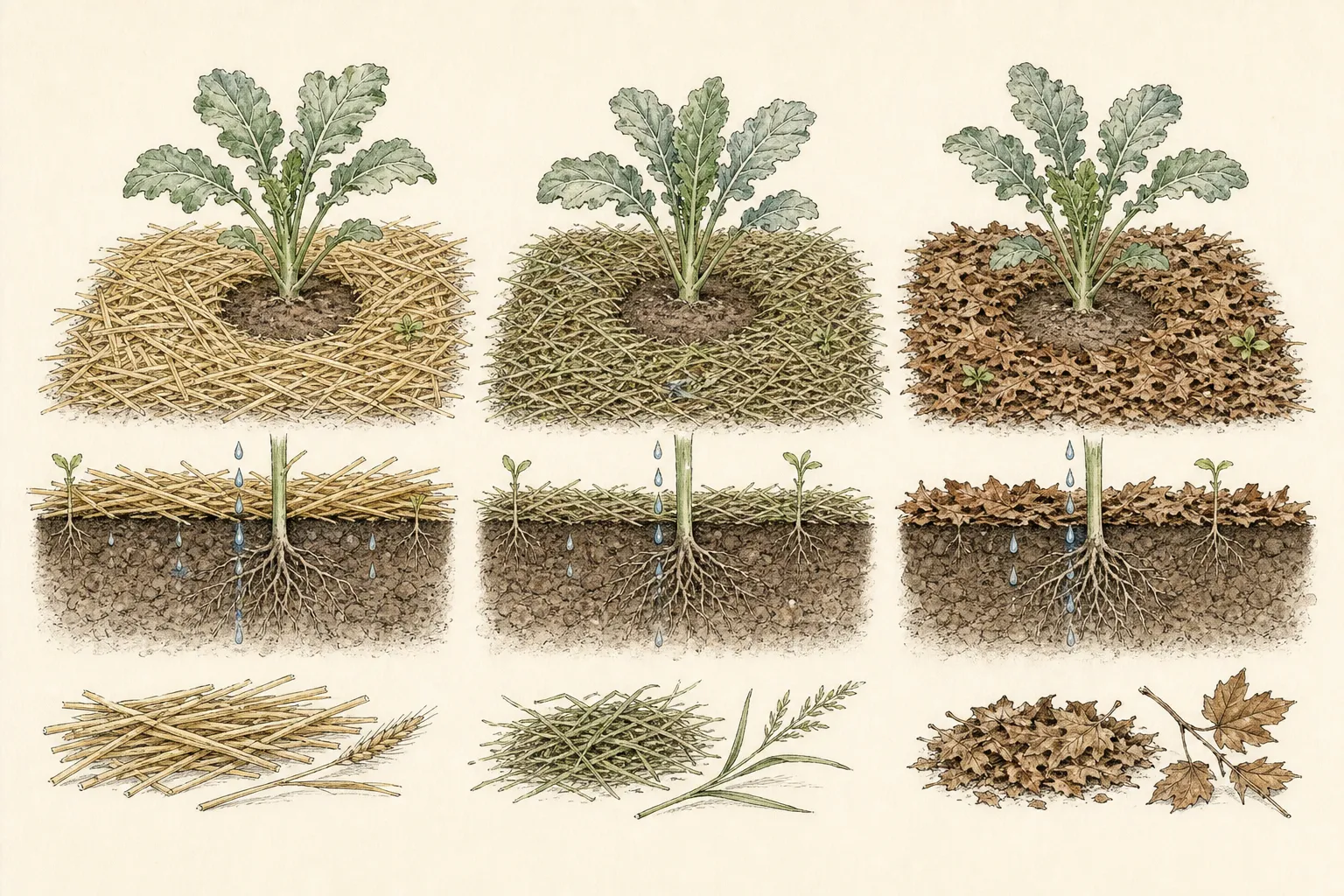
Mulch a Summer Vegetable Bed Without Hiding Wet Soil
Choose and place organic mulch after the soil warms, keep stems and crowns visible, and check beneath the layer so water and air still reach active roots.
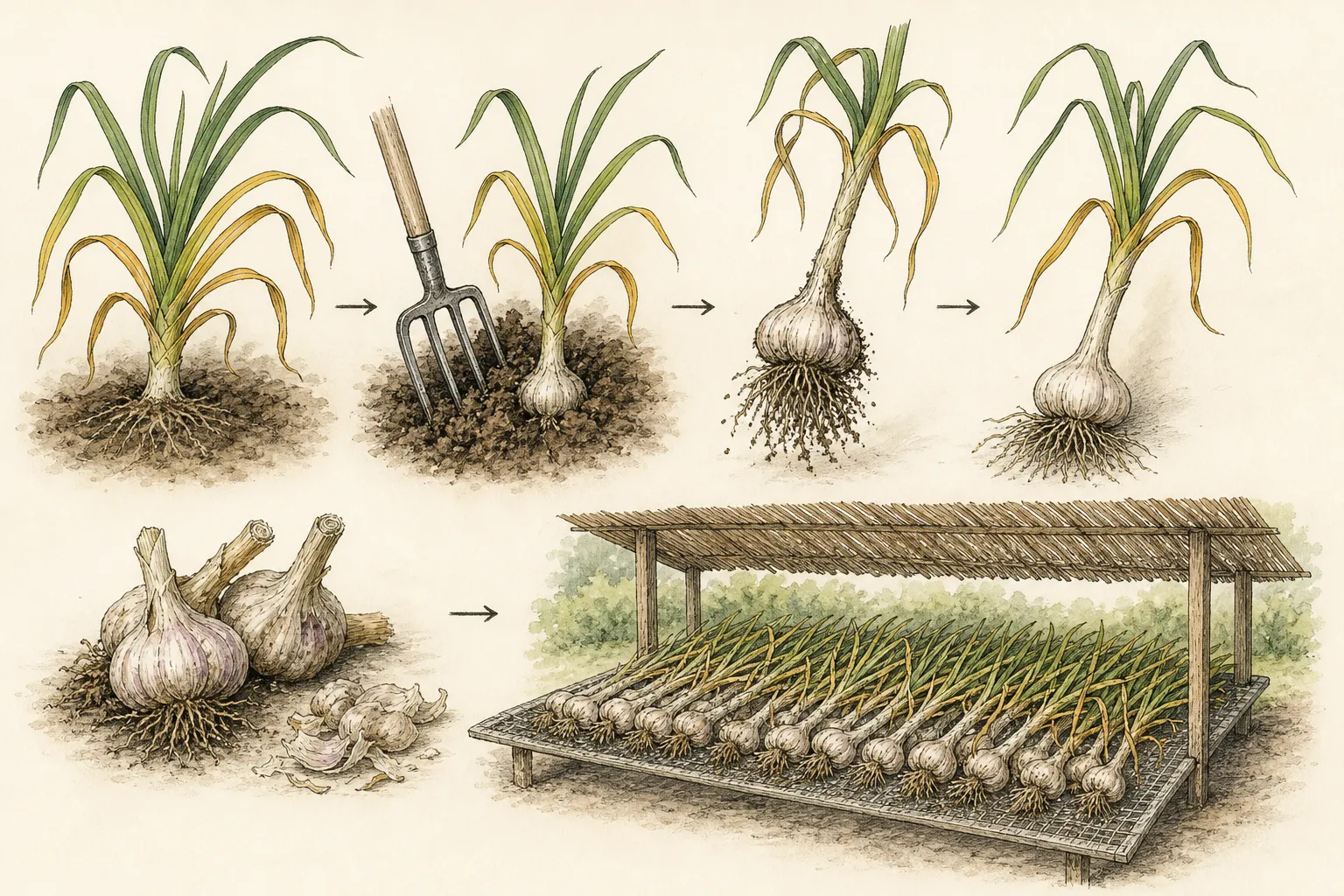
Harvest and Cure Garlic Before the Wrappers Break Down
Read the leaves and bulbs together, lift garlic without bruising it, and cure the crop in shade with moving air so sound wrappers protect it in storage.
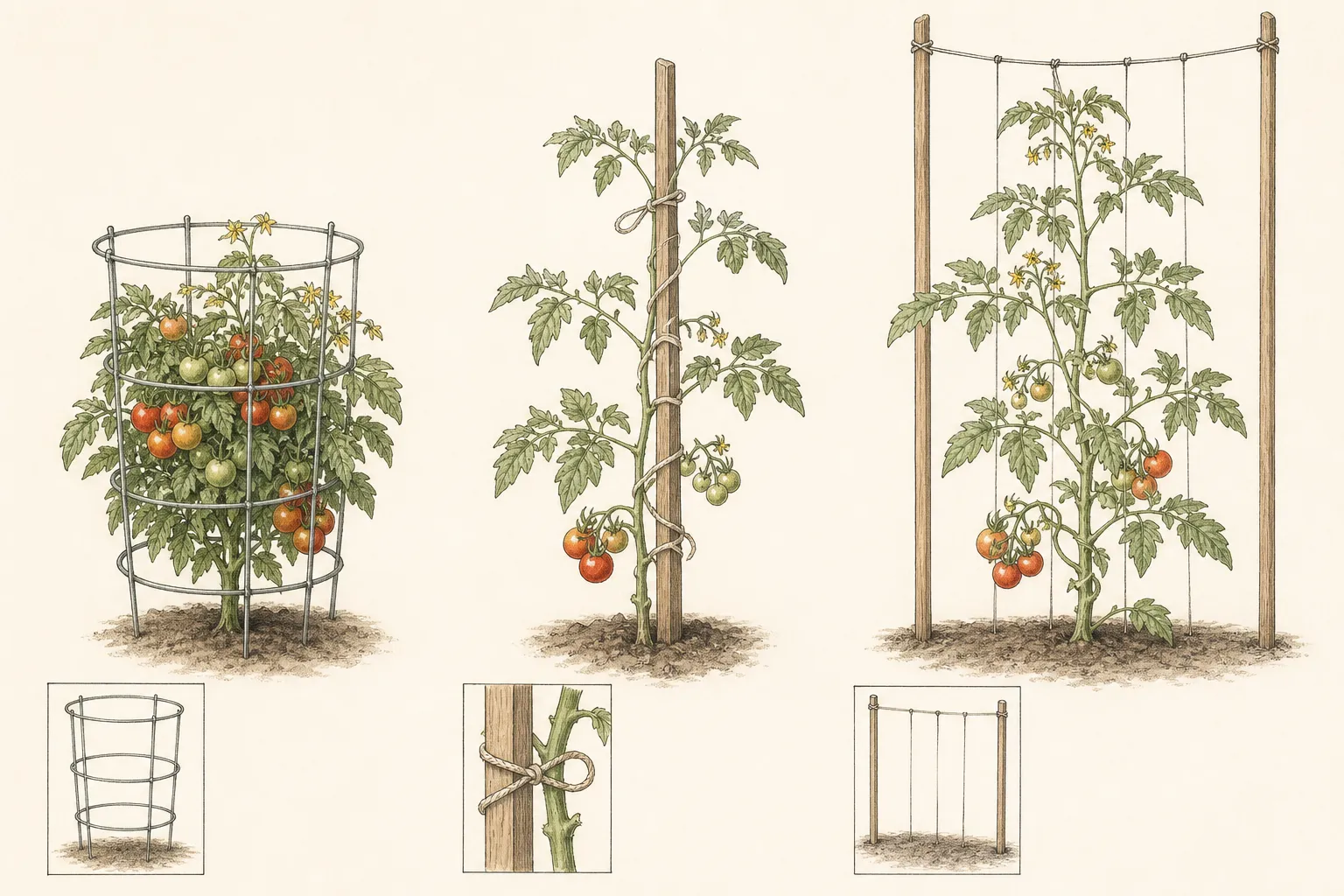
Choose a Tomato Support Before the Plant Outgrows It
Match cages, stakes, or trellises to tomato growth habit, fruit load, access, and anchoring so the support works before summer stems become difficult to handle.
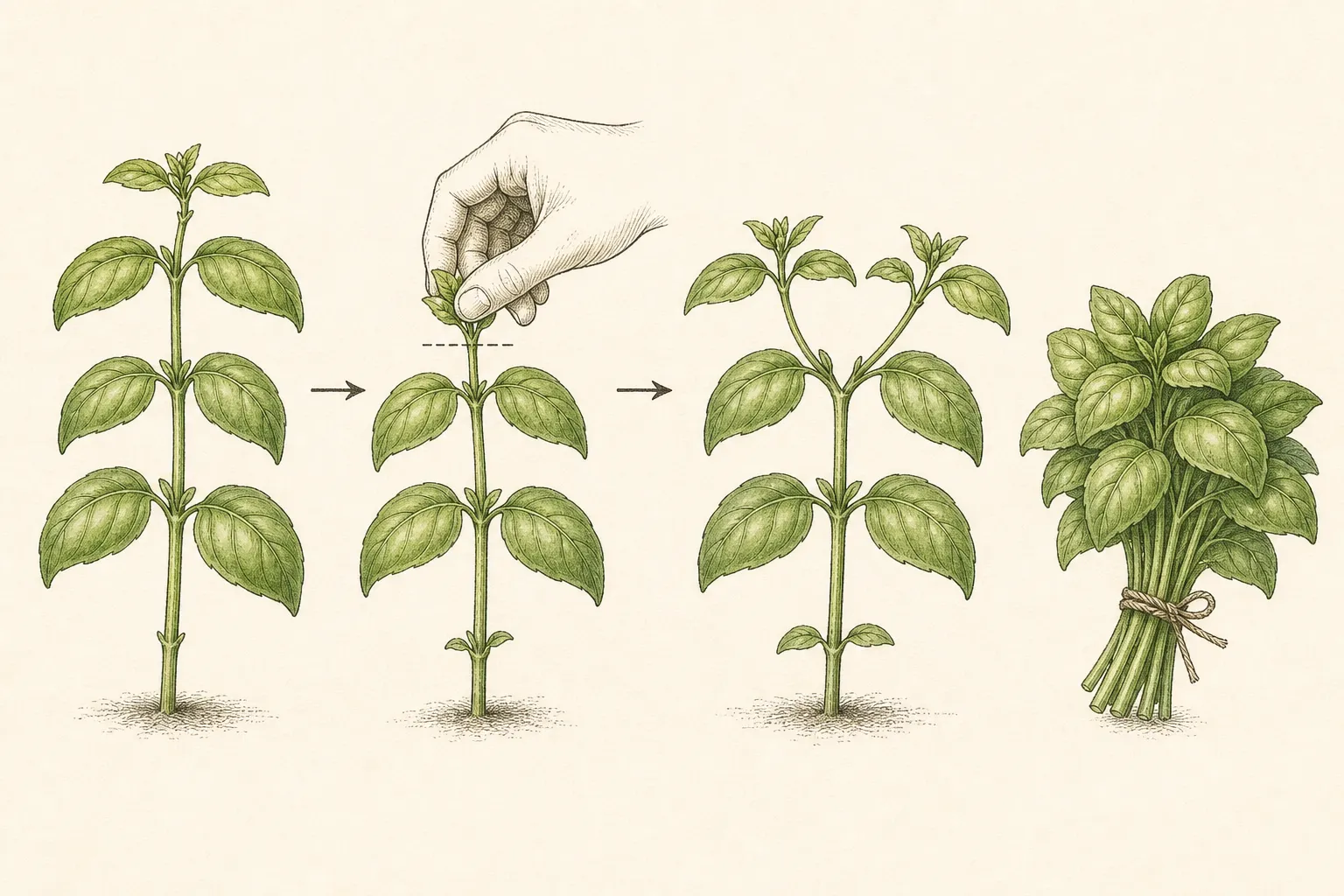
Pinch and Harvest Basil for a Branching Summer Plant
Harvest basil above living leaf nodes, remove flower spikes selectively, and keep enough foliage on the plant to build repeated side shoots through summer.
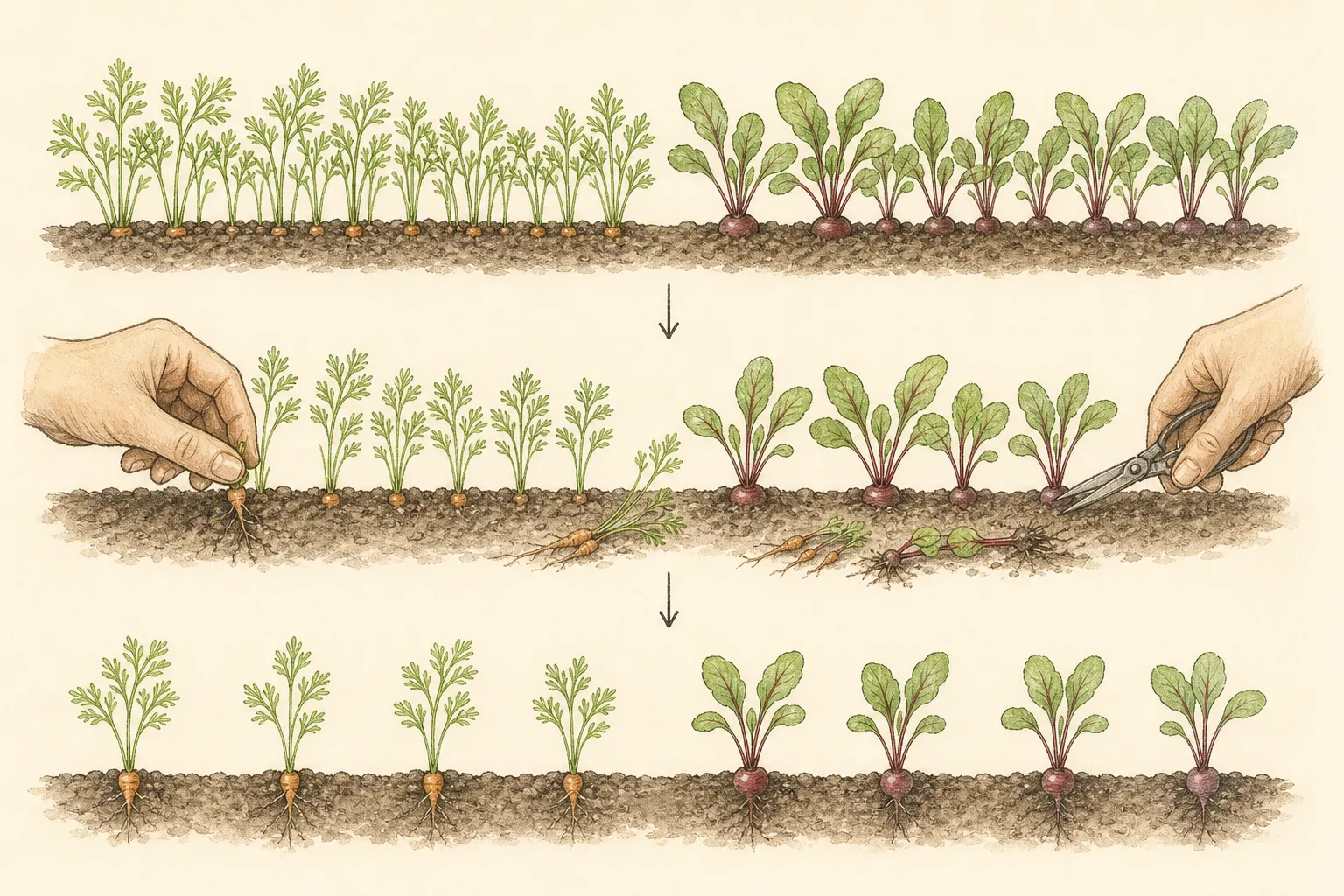
Thin Direct-Sown Root Crops Without Disturbing the Keepers
Thin carrots, beets, parsnips, and radishes in deliberate passes so each remaining seedling has room to form a straight, full root without avoidable disturbance.
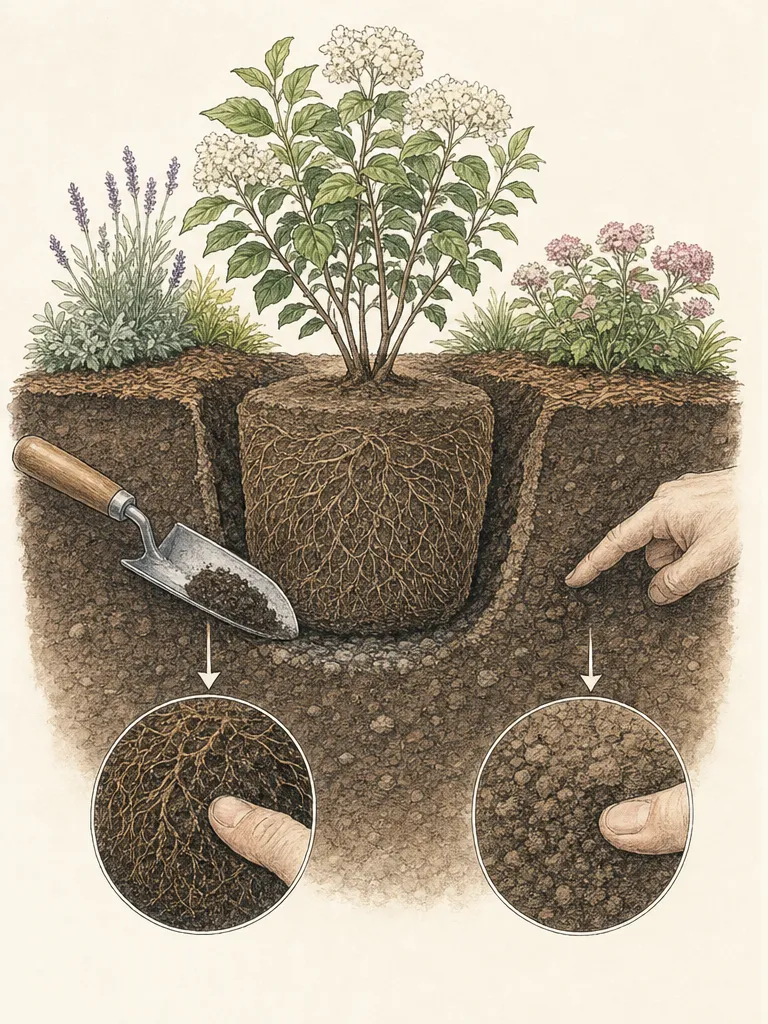
Water a Newly Planted Mixed Shrub Border Through Its First Summer
Check each original root ball and its surrounding soil before watering, then adapt delivery by plant, drainage, weather, and the developing root zone rather than following one border-wide schedule.
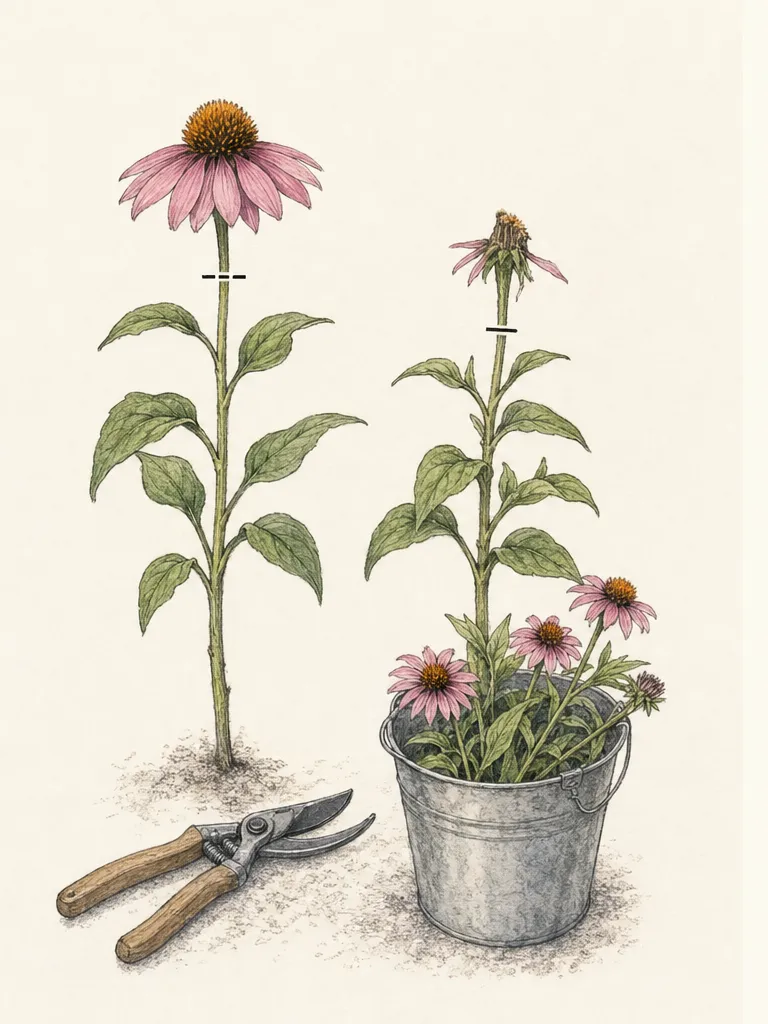
Cut Flowers from an Ornamental Border Without Hollowing Out the Display
Harvest a modest vaseful by distributing cuts across repeated groups, choosing stems by plant and opening stage, and preserving the border's foliage and silhouette.
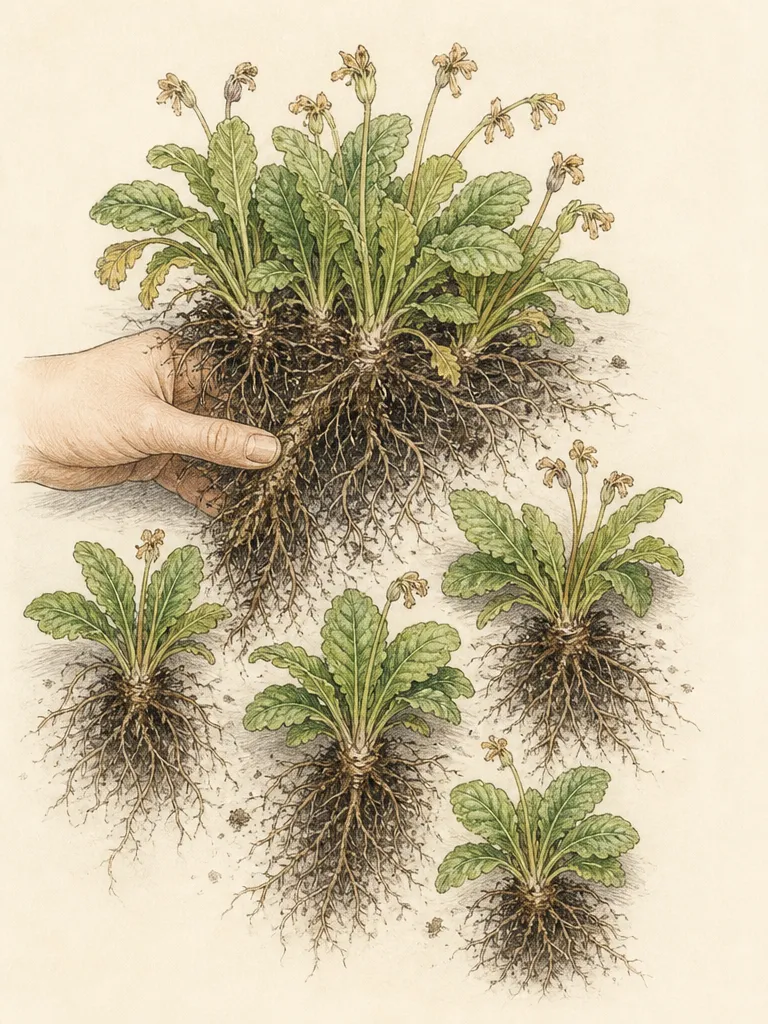
Divide and Replant Crowded Primroses After Flowering
Confirm a division-suitable primrose, wait until flowering is over, prepare cool moist positions, lift the crowded clump, keep vigorous rooted rosettes, and replant each crown at soil level.
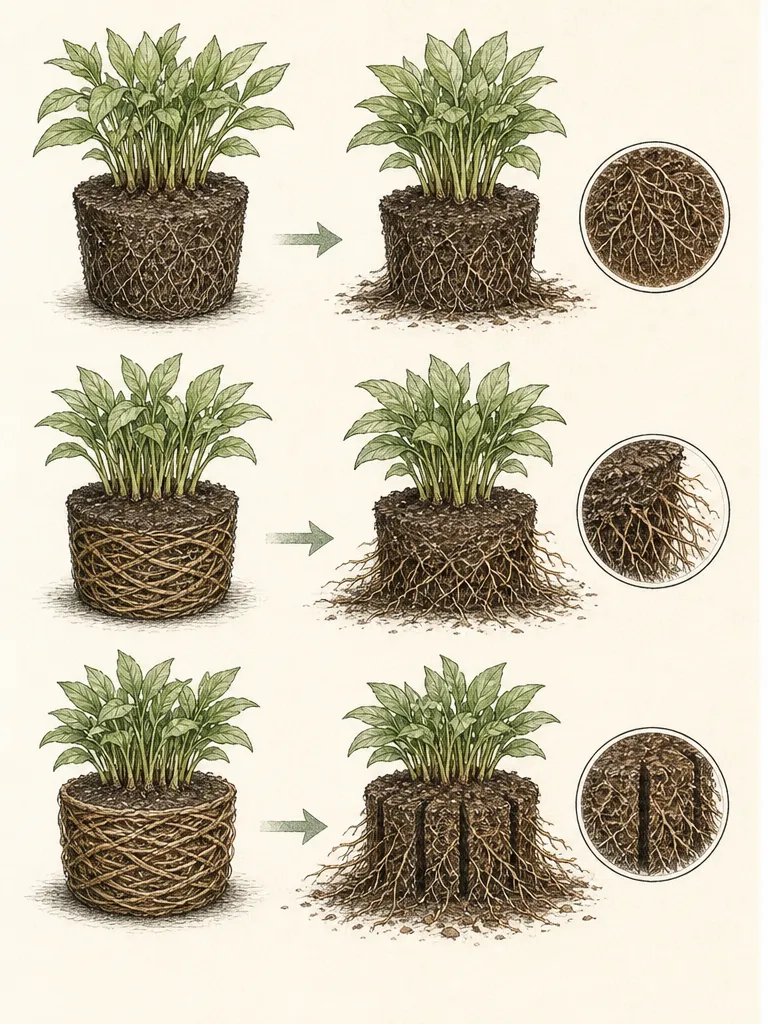
Establish Container-Grown Perennials in Early Summer
Plant container-grown perennials in early summer by inspecting each root ball, correcting only genuine root defects, setting the crown at nursery depth, and watering from soil evidence rather than a fixed schedule.
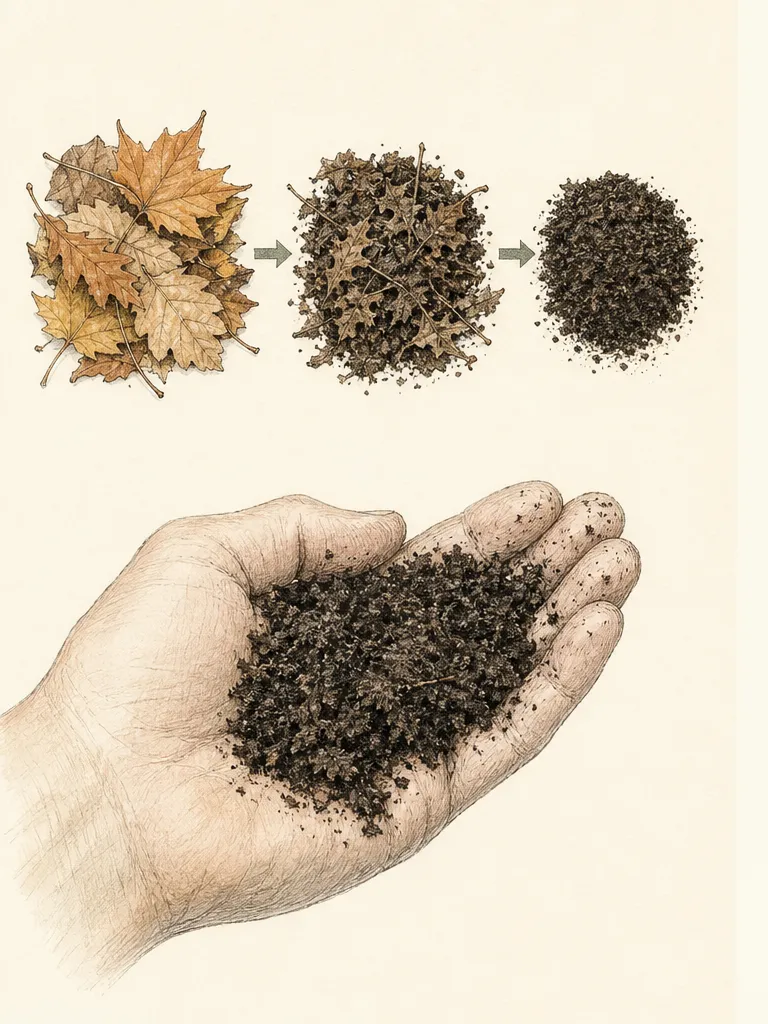
Use Finished Leaf Mold in a Shade Border Without Burying Crowns
Identify fully finished leaf mold, clear every crown and stem base, then apply a measured surface layer that conditions shaded soil without changing planting depth.
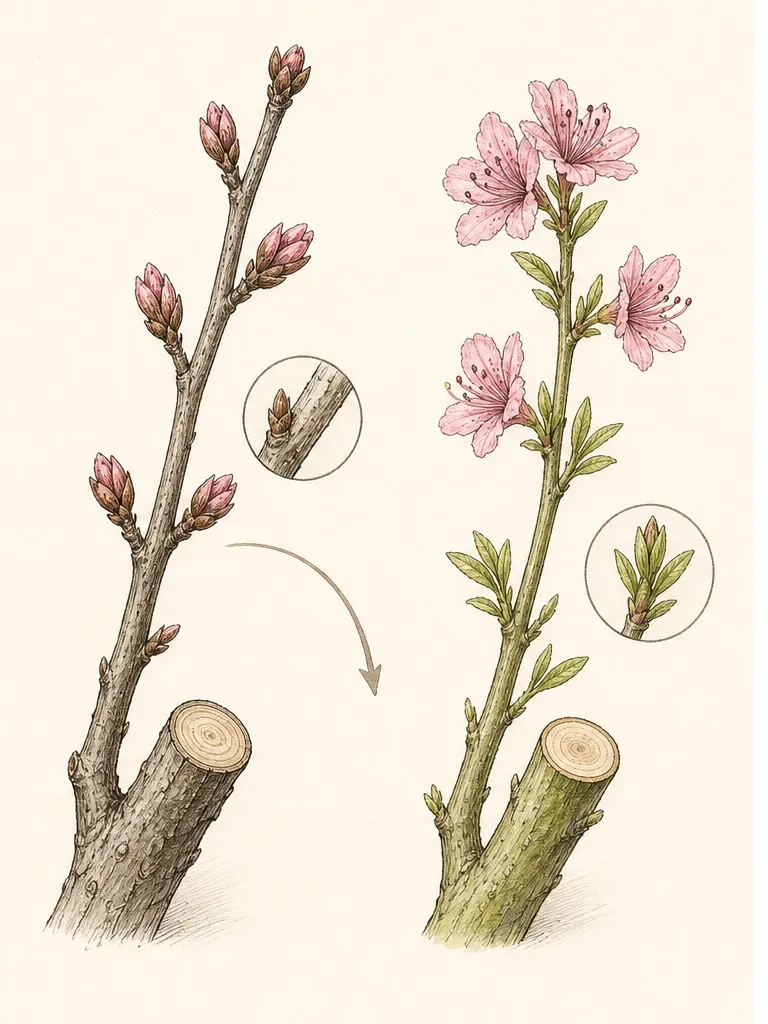
Prune Spring-Flowering Shrubs After Bloom by Flowering Wood
Identify where a spring-flowering shrub made its blooms, then thin, shorten or renew the correct wood after flowering without sacrificing next year's display.
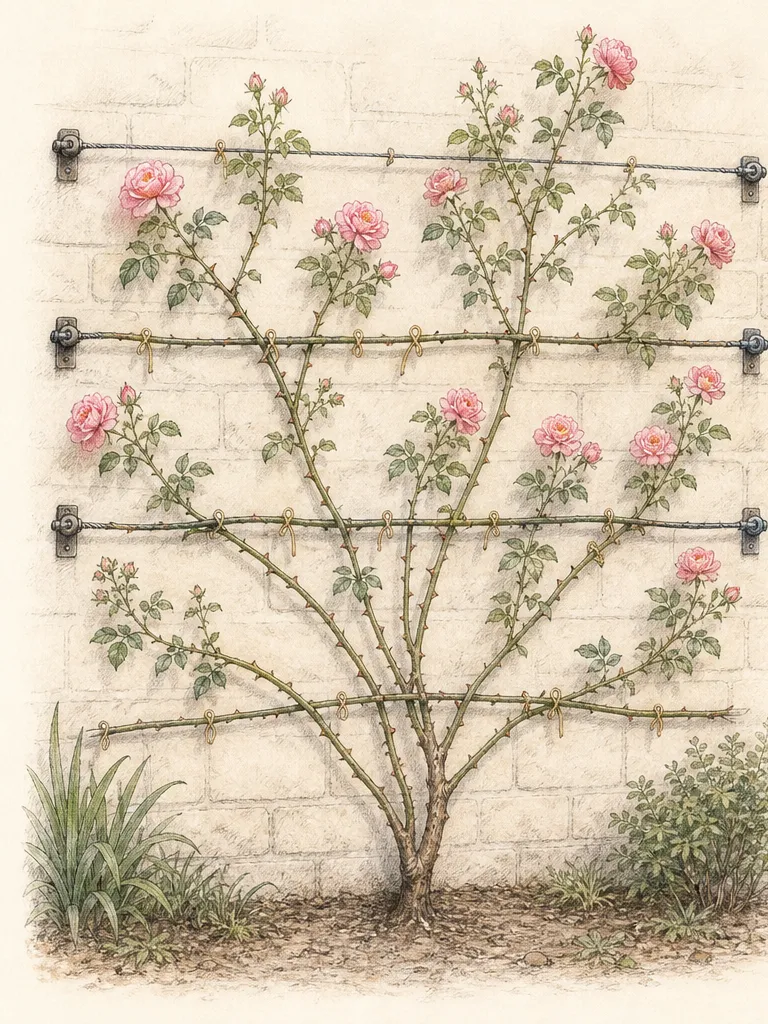
Train a Climbing Rose on Horizontal Wires With Air and Access
Build a serviceable wire framework, preserve principal canes and guide flexible growth sideways so a climbing rose flowers across the support without becoming an inaccessible thicket.
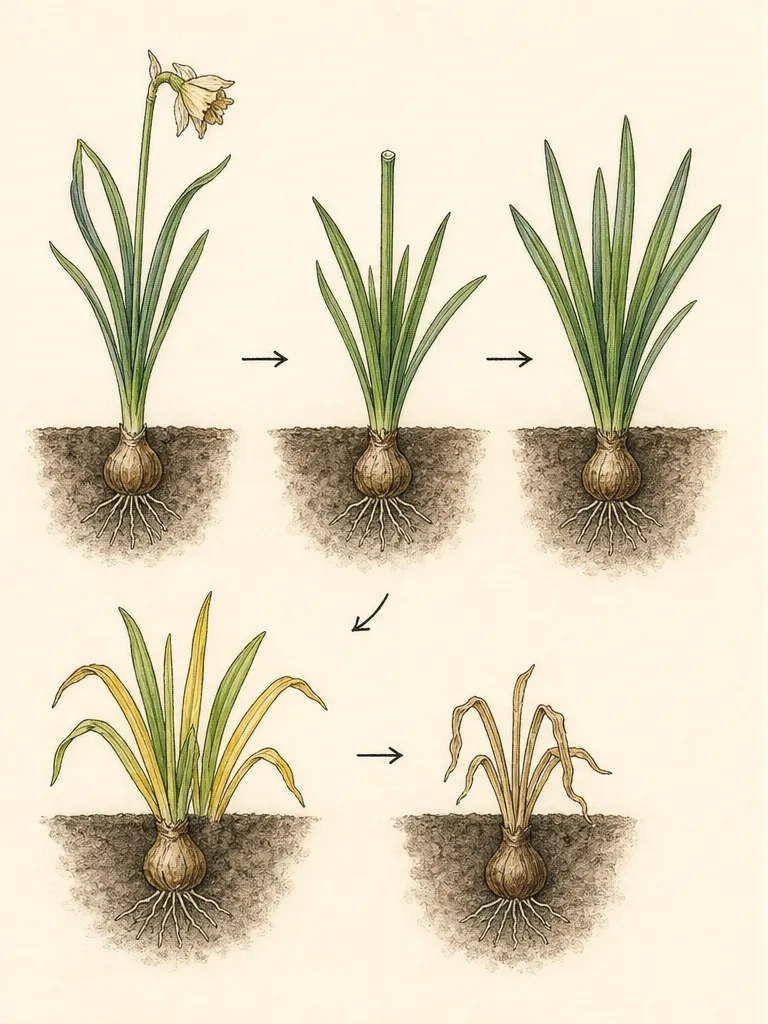
Care for Spring-Flowering Bulb Foliage From Last Bloom to Dormancy
Remove spent flowers selectively, keep spring-bulb leaves working in light, water by soil condition and wait for real yellowing before the dormant-season cleanup.
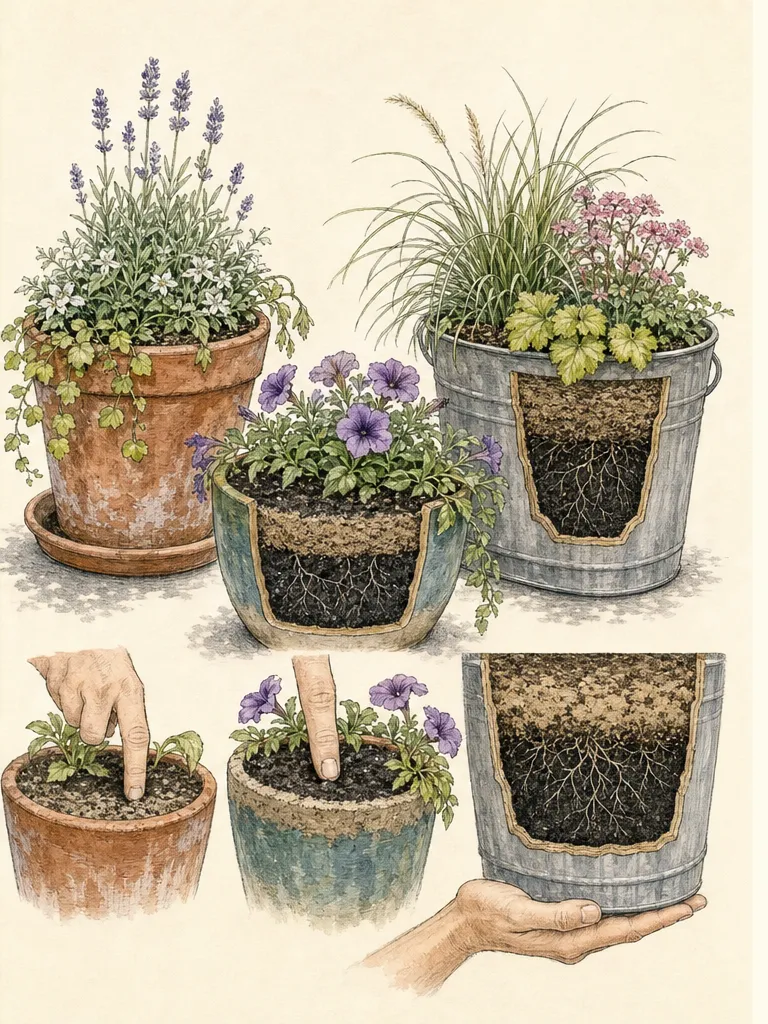
Build a Heat-Ready Watering Routine for Mixed Ornamental Containers
Read plant posture, pot weight and mix moisture together, then sort mixed ornamental containers into a heat-ready routine without putting every pot on one schedule.
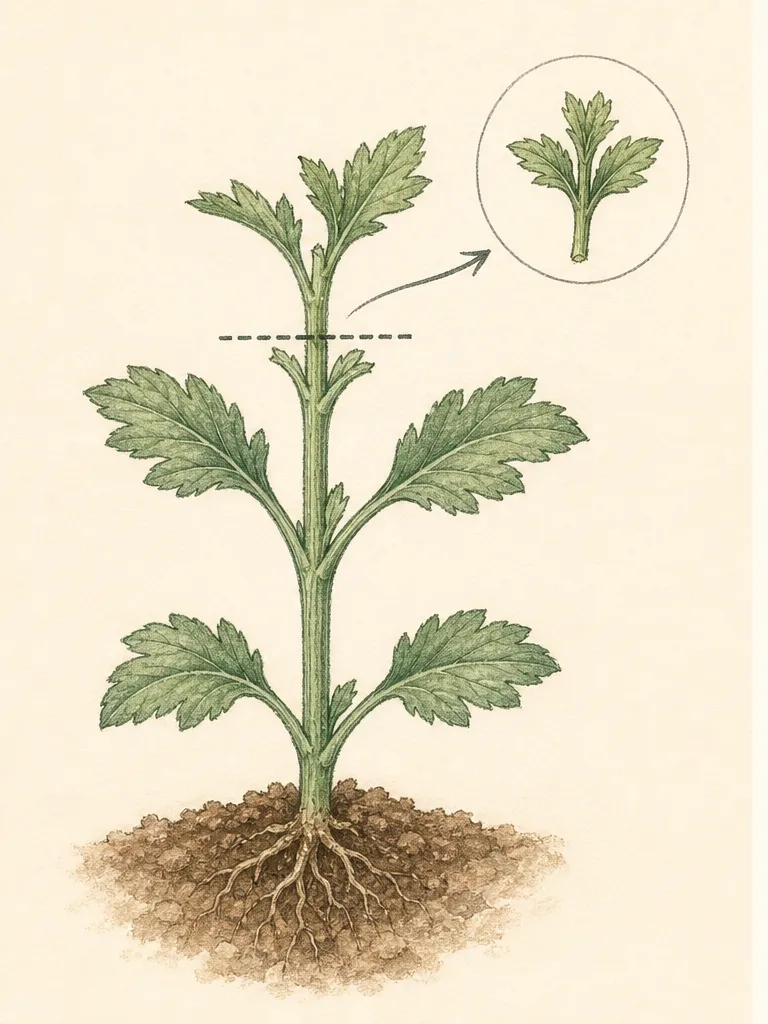
Pinch Garden Chrysanthemums in Early Summer for a Branched Autumn Display
Identify hardy garden mums, remove soft shoot tips above leaves while growth is active, repeat only on healthy plants and stop in time for local autumn bud development.
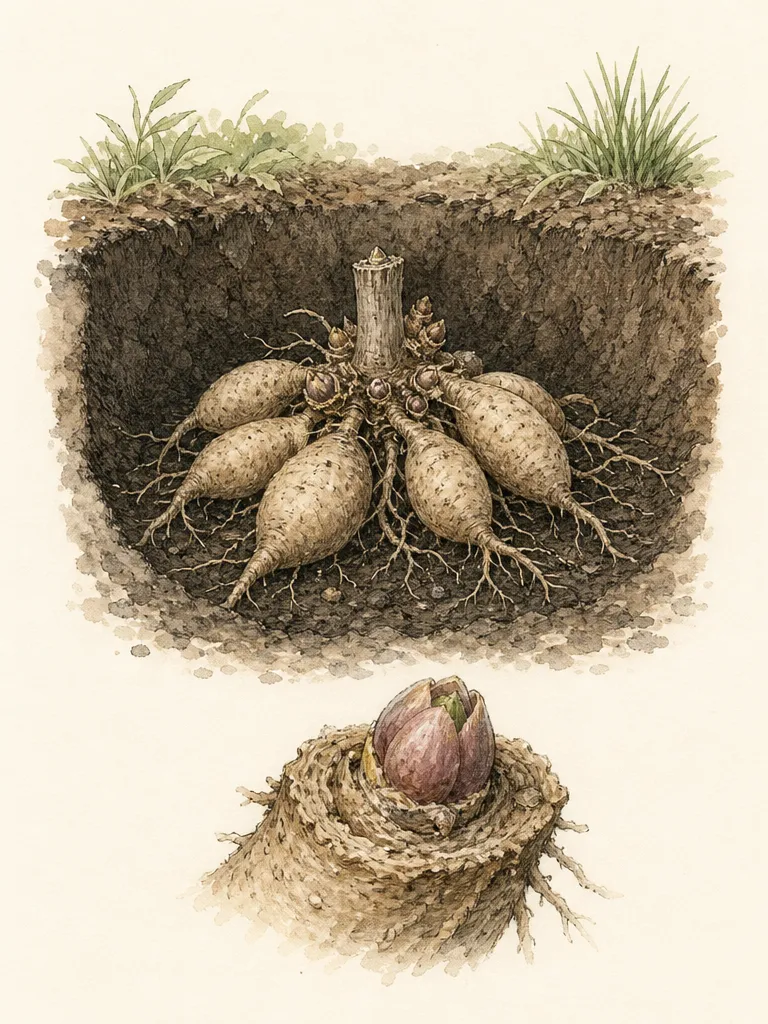
Plant Dahlias Outdoors After Frost Without Burying or Waterlogging Tubers
Wait for warm workable soil, identify the crown and eye, set the tuber horizontally in a draining bed and make moisture decisions from the soil rather than the calendar.
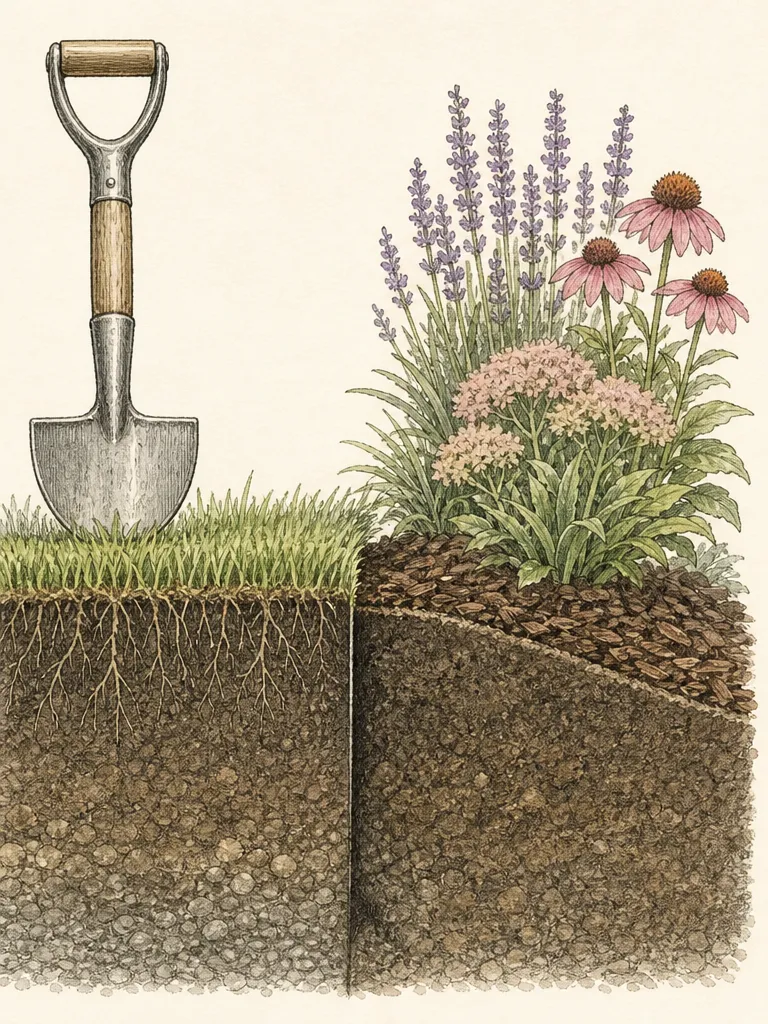
Cut and Maintain a Crisp Flower-Bed Edge Without a Deep Root Barrier
Lay out a generous curve, cut a clean lawn face, form a shallow bed-side trench and maintain the line before grass crosses it.
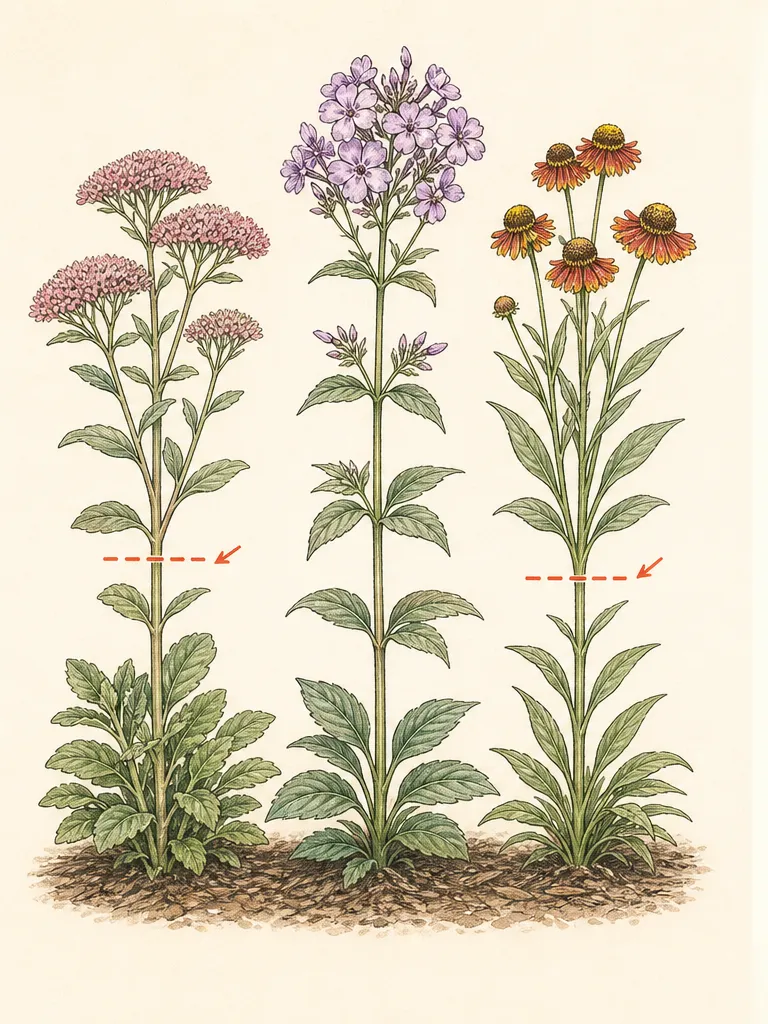
Chelsea Chop Selected Perennials Without Losing the Season's Flowers
Choose suitable tall, late-flowering perennials, match the cut to plant vigor and local bloom timing, and leave once-flowering or already budding plants alone.
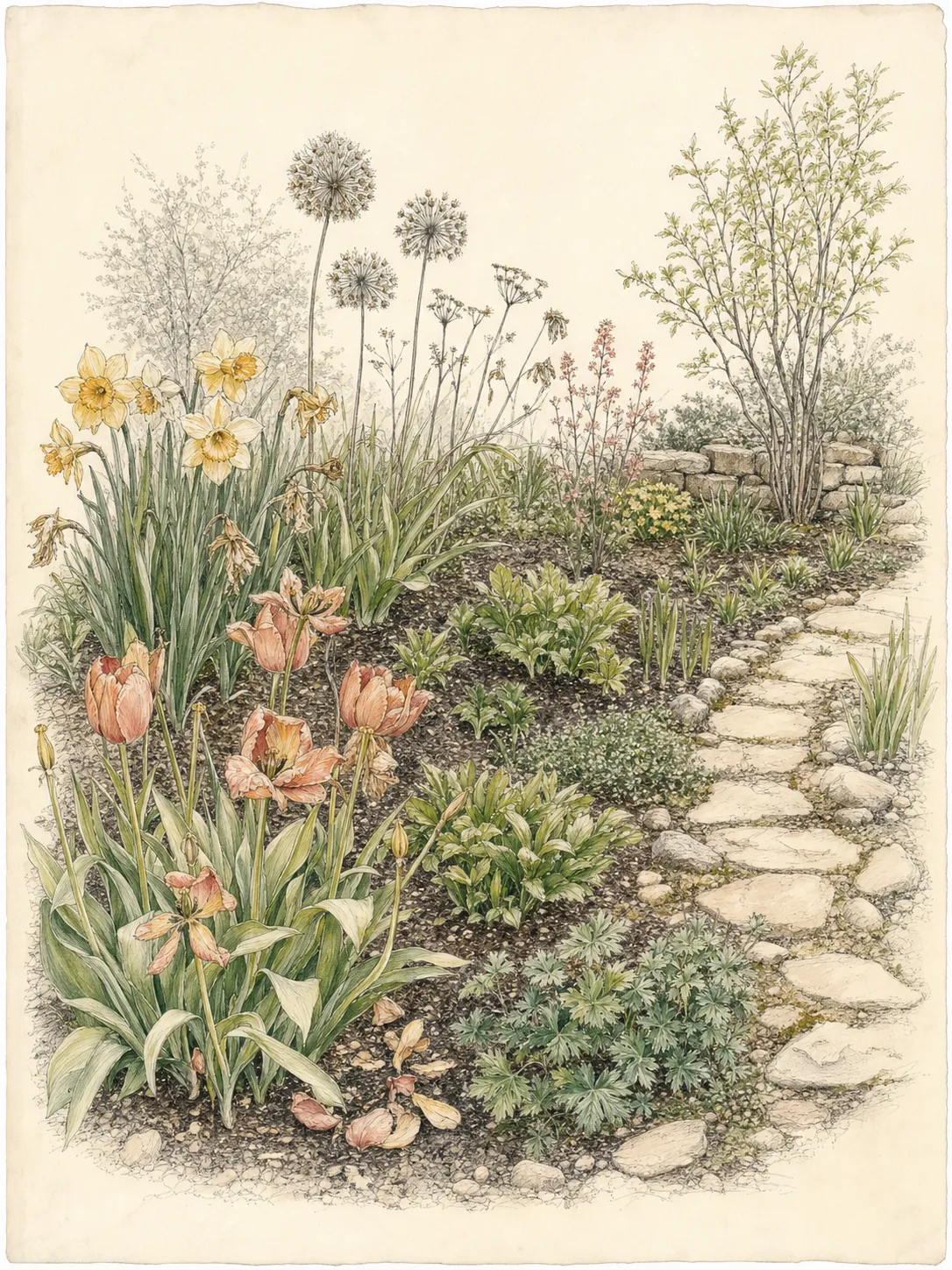
Review Spring Bloom Now and Plan Better Autumn Changes
Photograph and map spring bulbs and perennials while the evidence is visible, then convert bloom, foliage, crowding, and access notes into a restrained autumn edit plan.
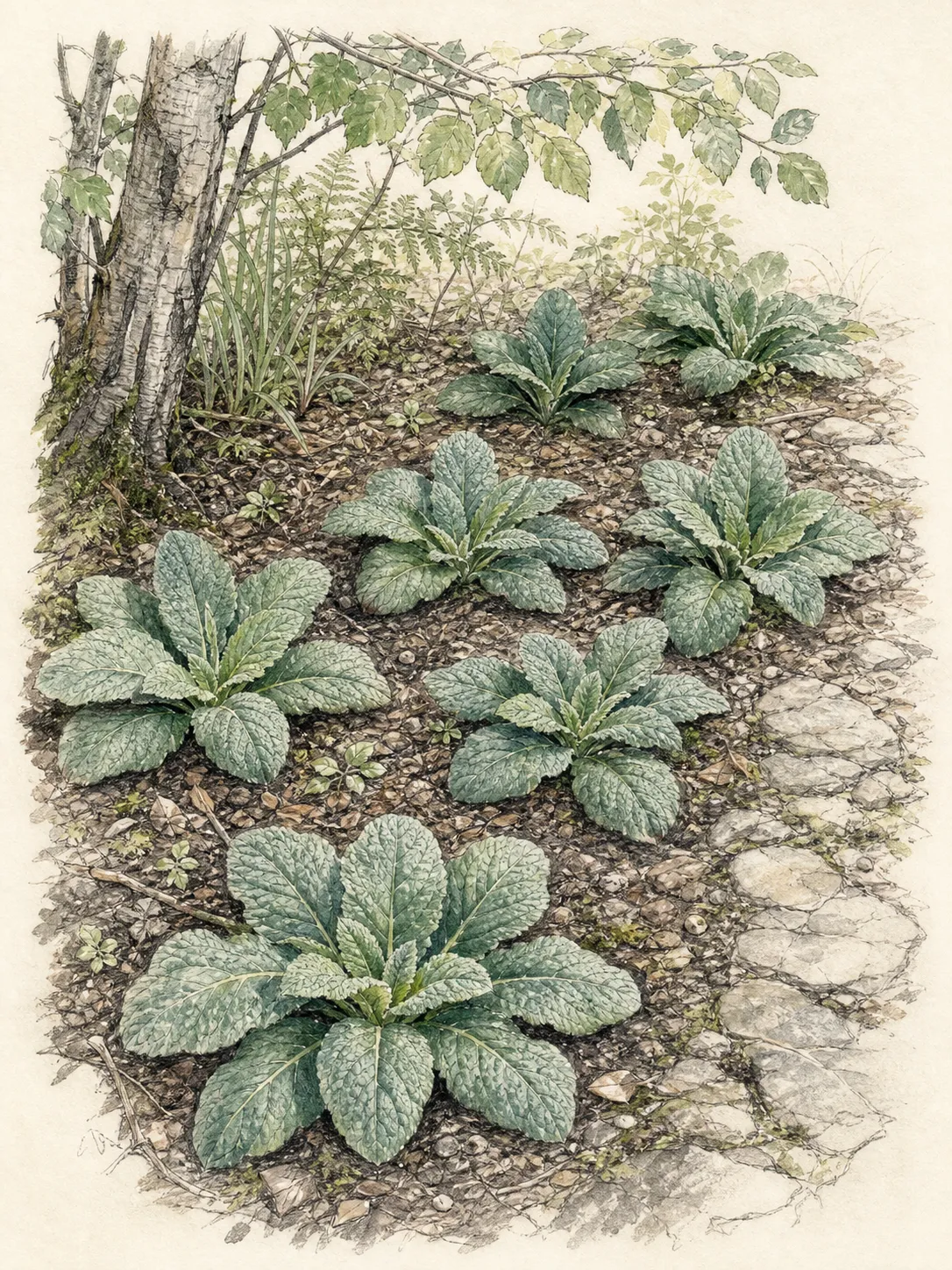
Grow Foxgloves in a Safe Two-Year Border Sequence
Maintain first-year rosettes and second-year flowering foxgloves as two visible cohorts, while controlling seed and applying strict safeguards for a highly toxic ornamental.
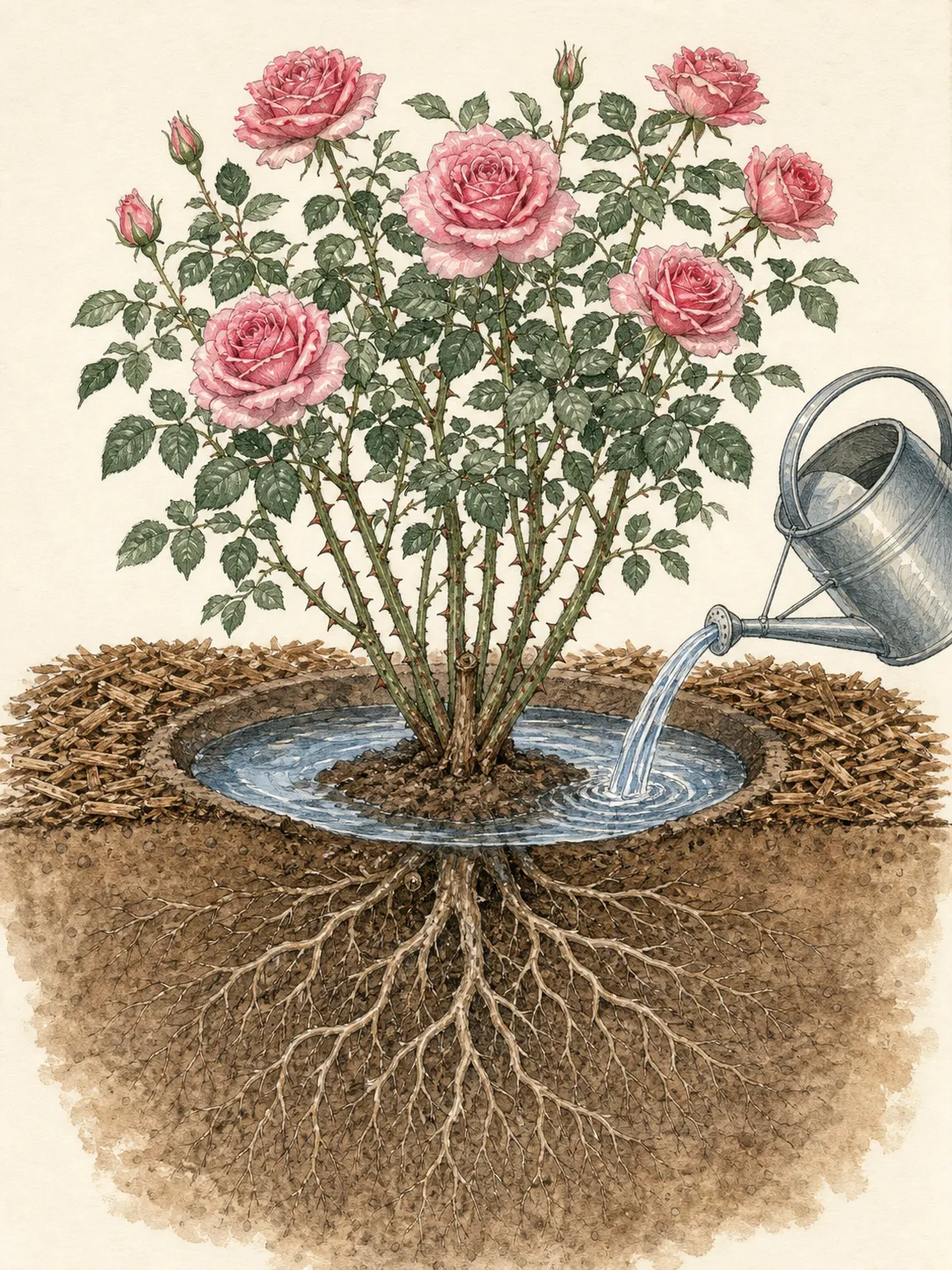
Feed and Water Established Roses by Soil, Rose Class, and Season
Separate established-rose watering from feeding, then use the soil-test framework or rose-class schedule published for the garden's region.
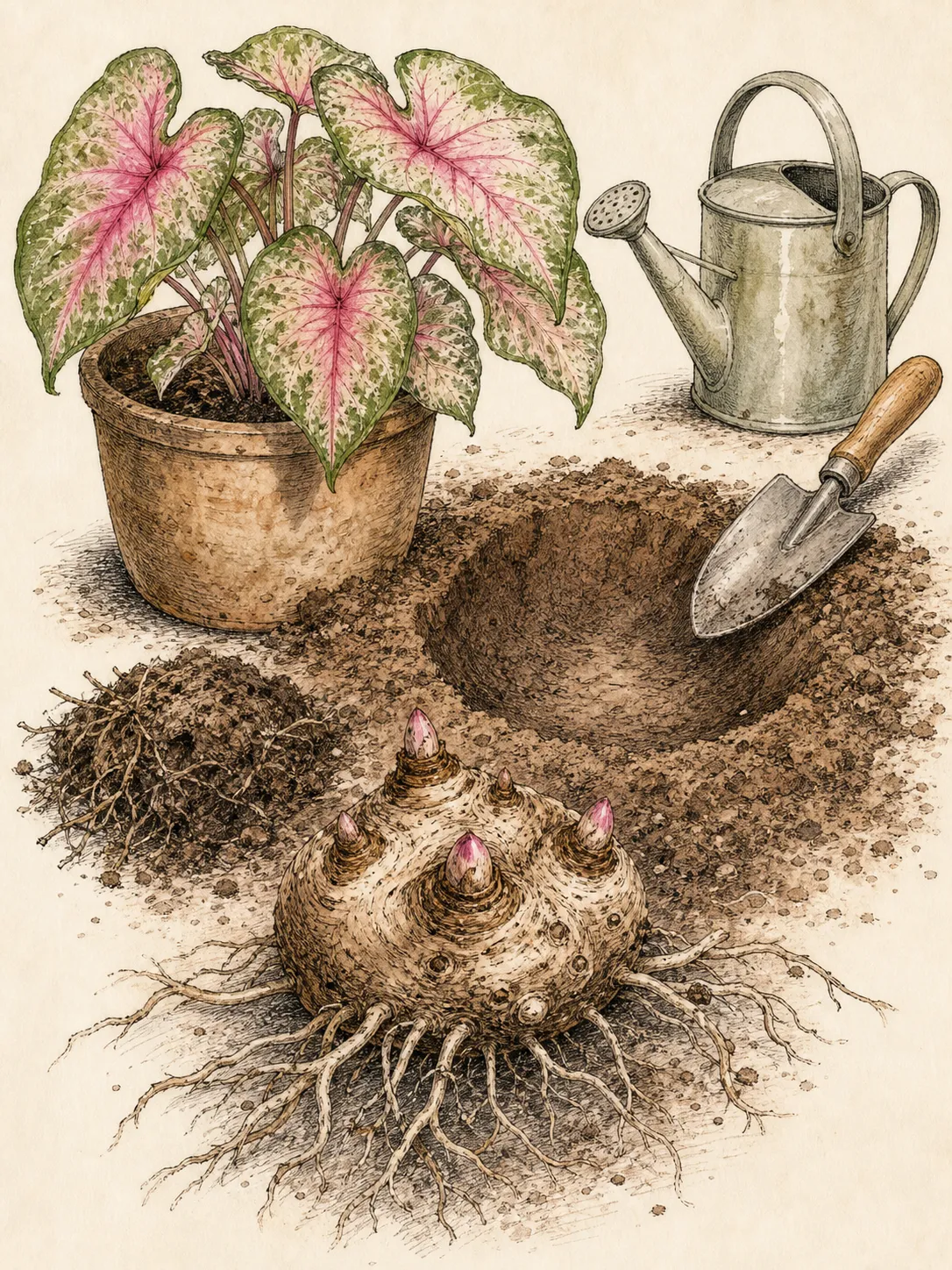
Plant Caladium Tubers Only After Soil and Nights Turn Warm
Use soil warmth, settled night temperatures, drainage, and cultivar-specific light needs to give ornamental caladium tubers a reliable garden start.
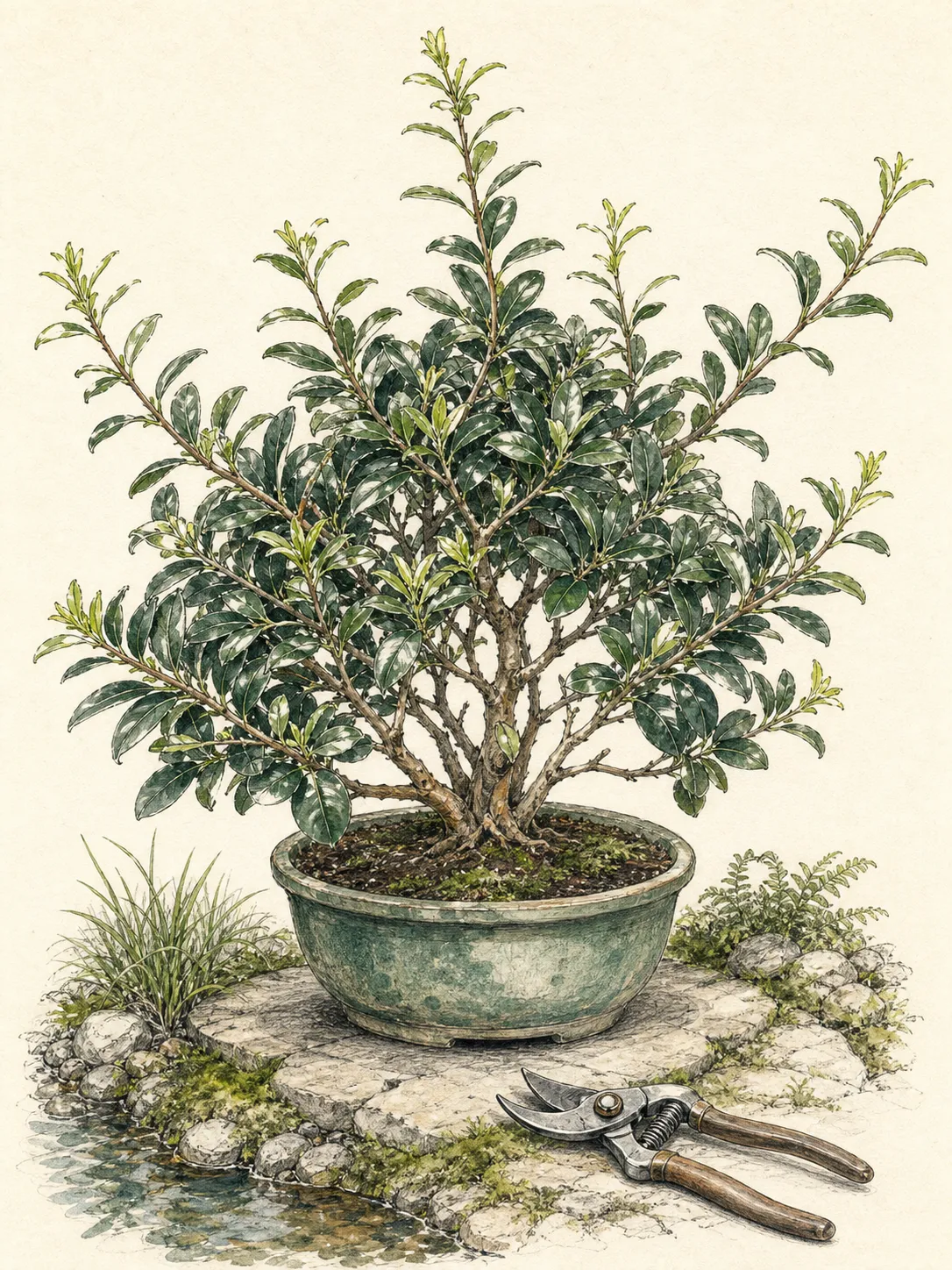
Selectively Prune Evergreen Shrubs by Their Capacity to Regrow
Identify an evergreen shrub's growth pattern, test every proposed cut against live foliage, and thin selectively without assuming bare wood will refill.
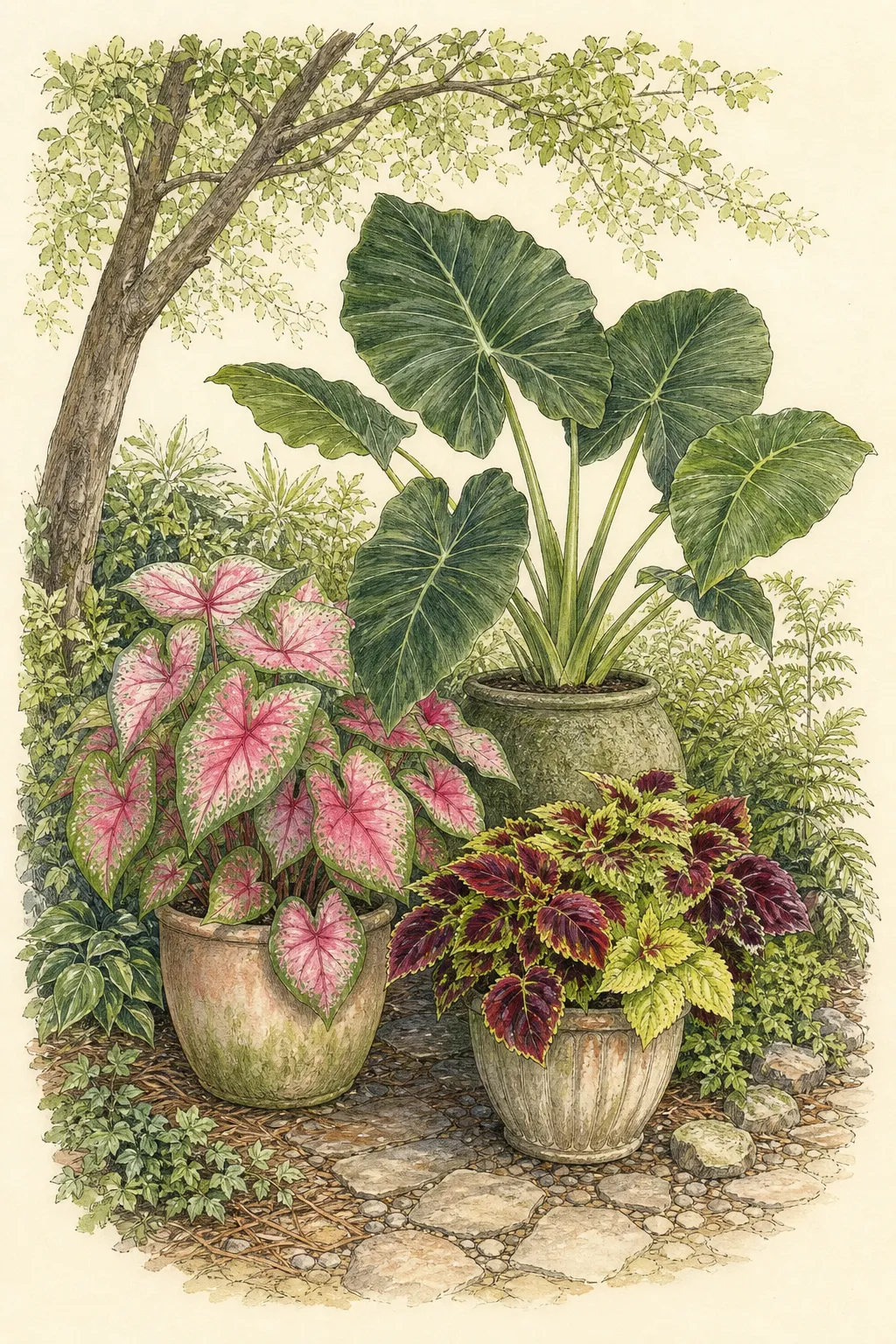
Move Overwintered Tropical Foliage Plants Outdoors Safely
Move tropical foliage plants from indoor winter conditions to sheltered outdoor summer positions without treating one warm day or one sunny exposure as readiness.
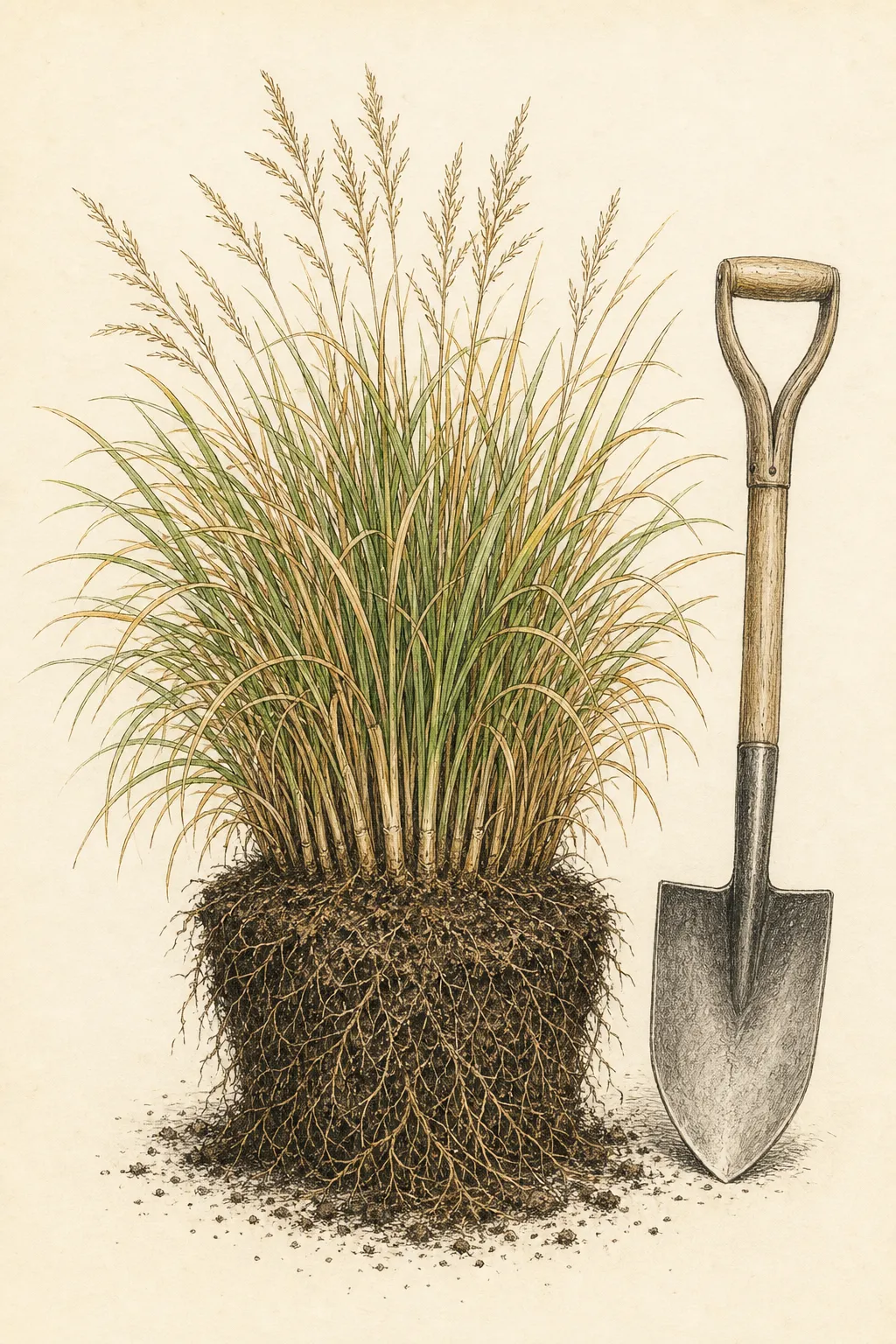
Divide Suitable Cool-Season Ornamental Grasses in Spring
Confirm that spring division fits the exact clumping grass and region, then lift, read and separate substantial crown sections with live shoots and roots.
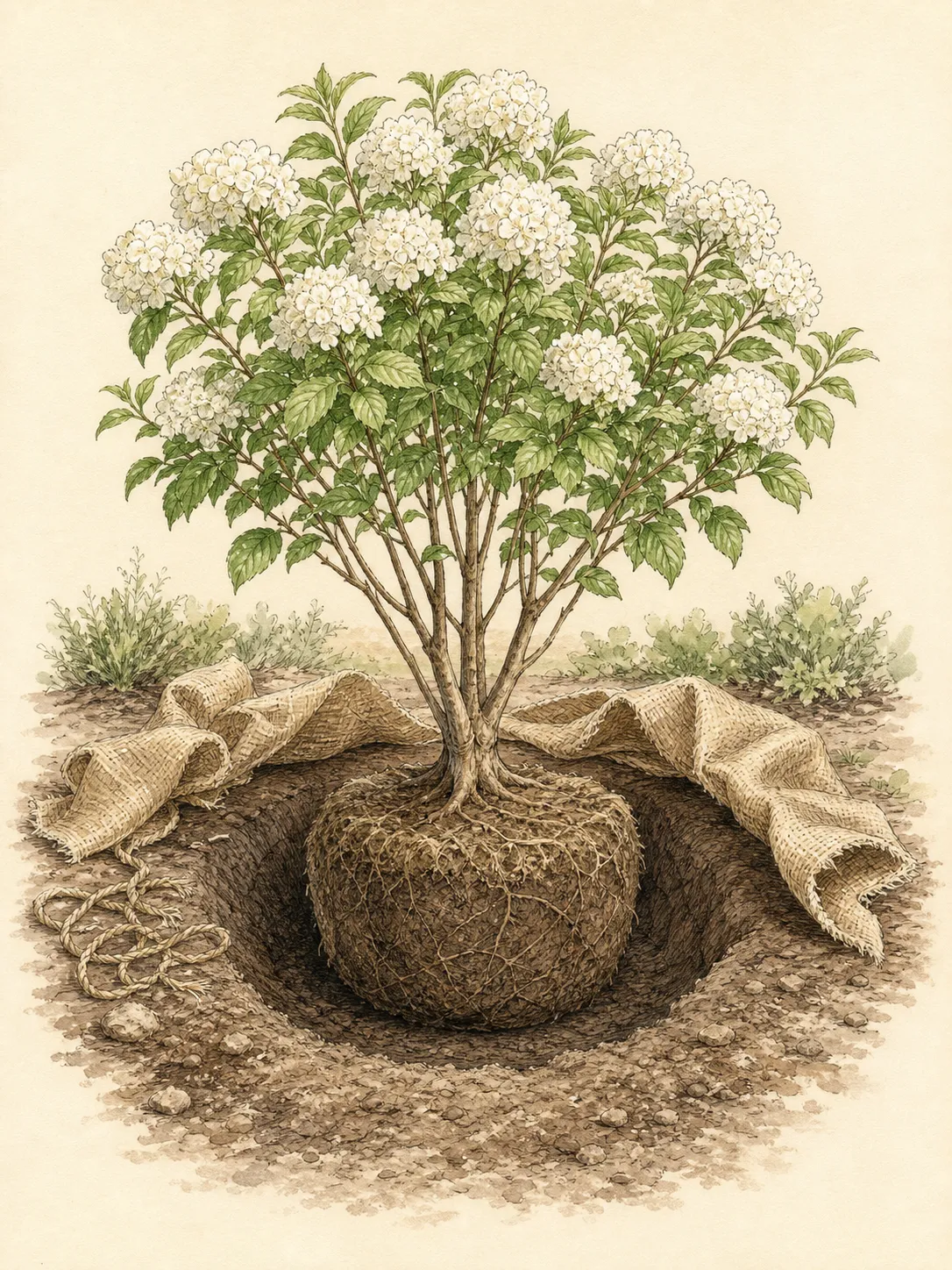
Plant a Balled-and-Burlapped Shrub at the Root Flare
Keep the soil ball intact while finding the true root flare, setting the shrub on firm soil, and removing twine, synthetic fabric, burlap, and obstructive basket sections safely.
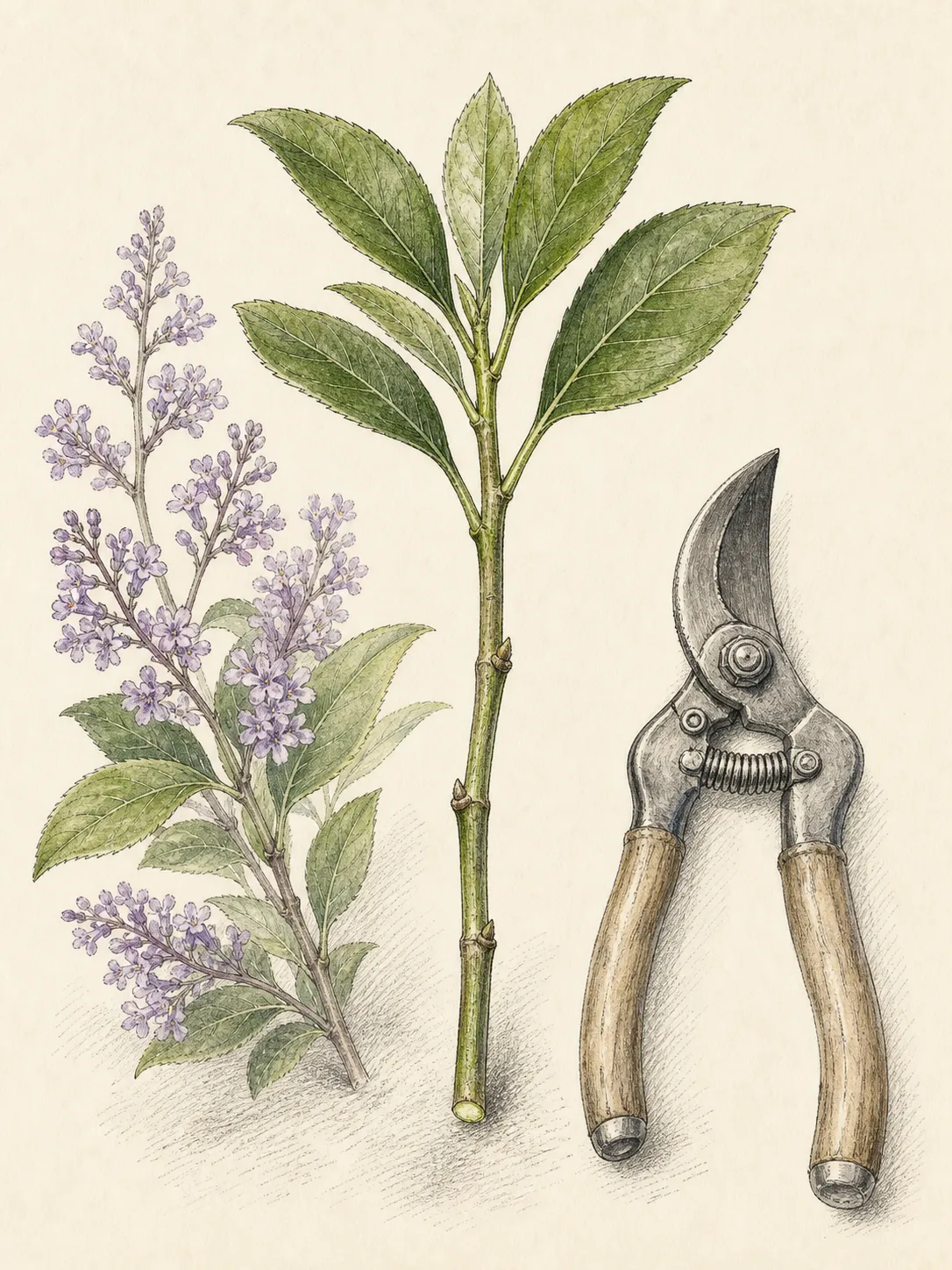
Propagate Suitable Ornamental Shrubs From Softwood Cuttings
Identify the brief softwood stage, prepare clean nodal cuttings of suitable ornamental shrubs, hold leaf humidity without saturating the medium, and wean rooted plants gradually.
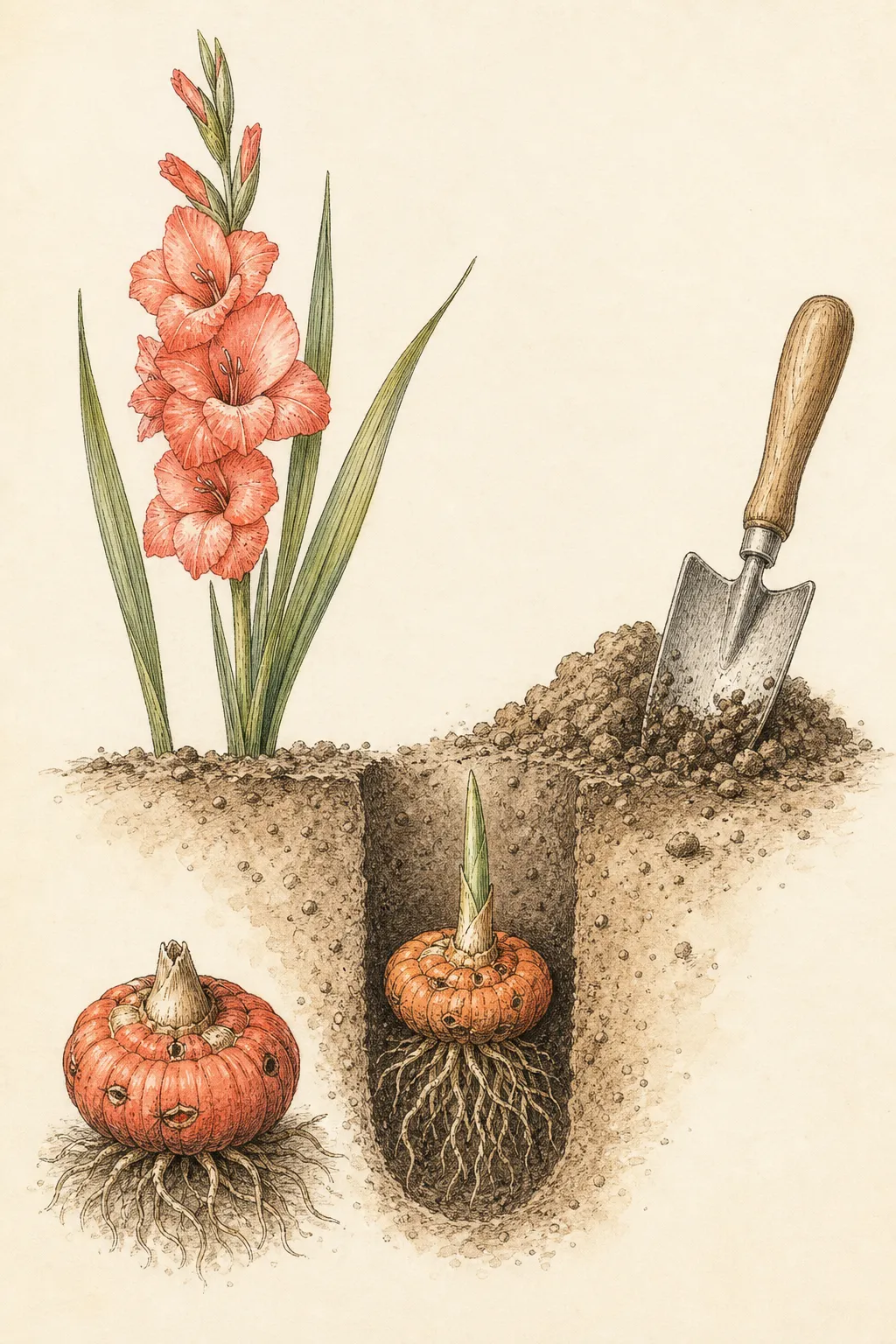
Stagger Gladiolus Planting for a Measured Flower Sequence
Divide ornamental gladiolus corms into comparable batches, reserve the full border footprint, plant on a recorded regional interval and use actual emergence and bloom dates to read the sequence.
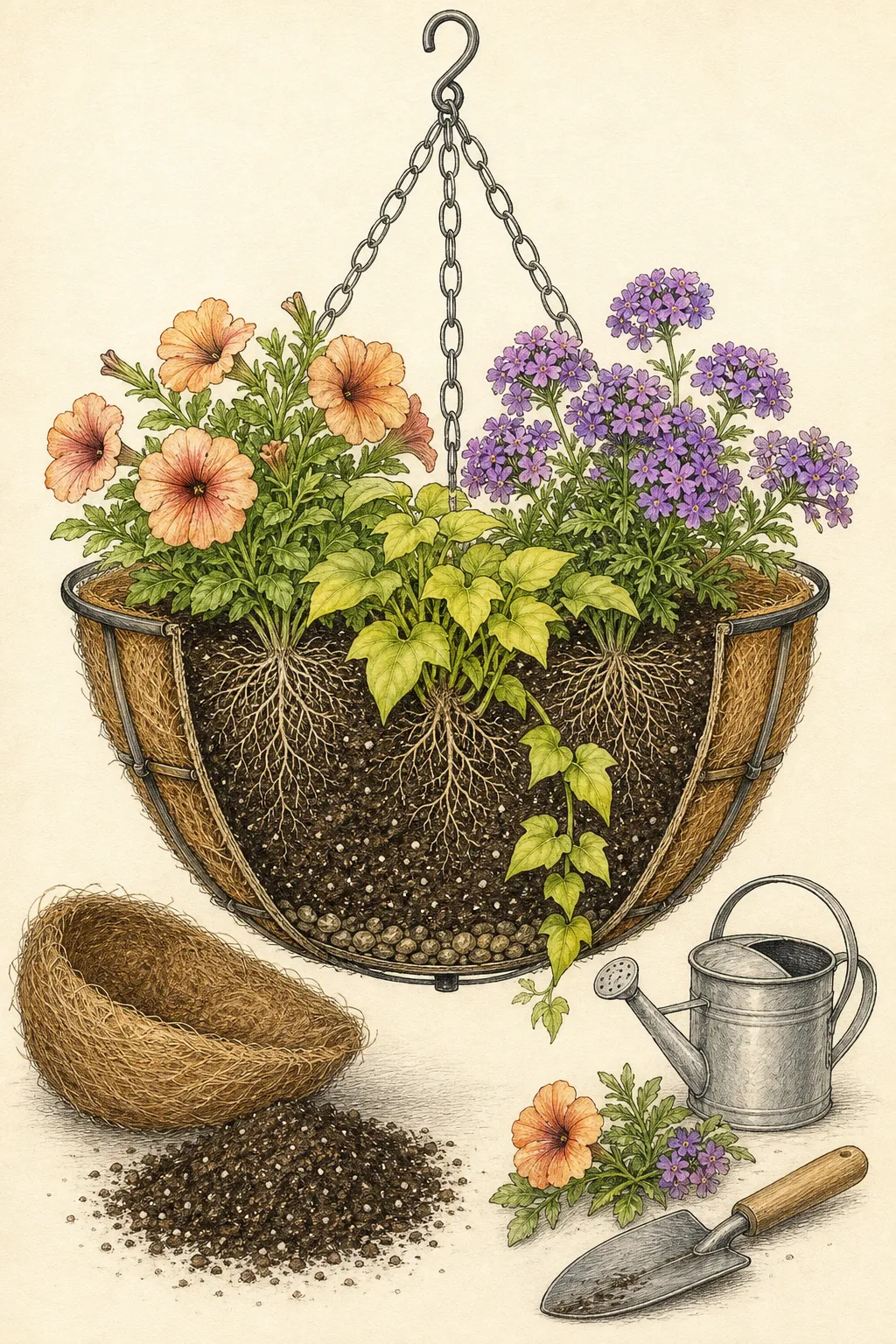
Plant a Summer Flowering Hanging Basket That Stays Serviceable
Build a flowering hanging basket around compatible plants, durable root volume, open drainage, verified wet load and a watering route that remains reachable after the display fills out.
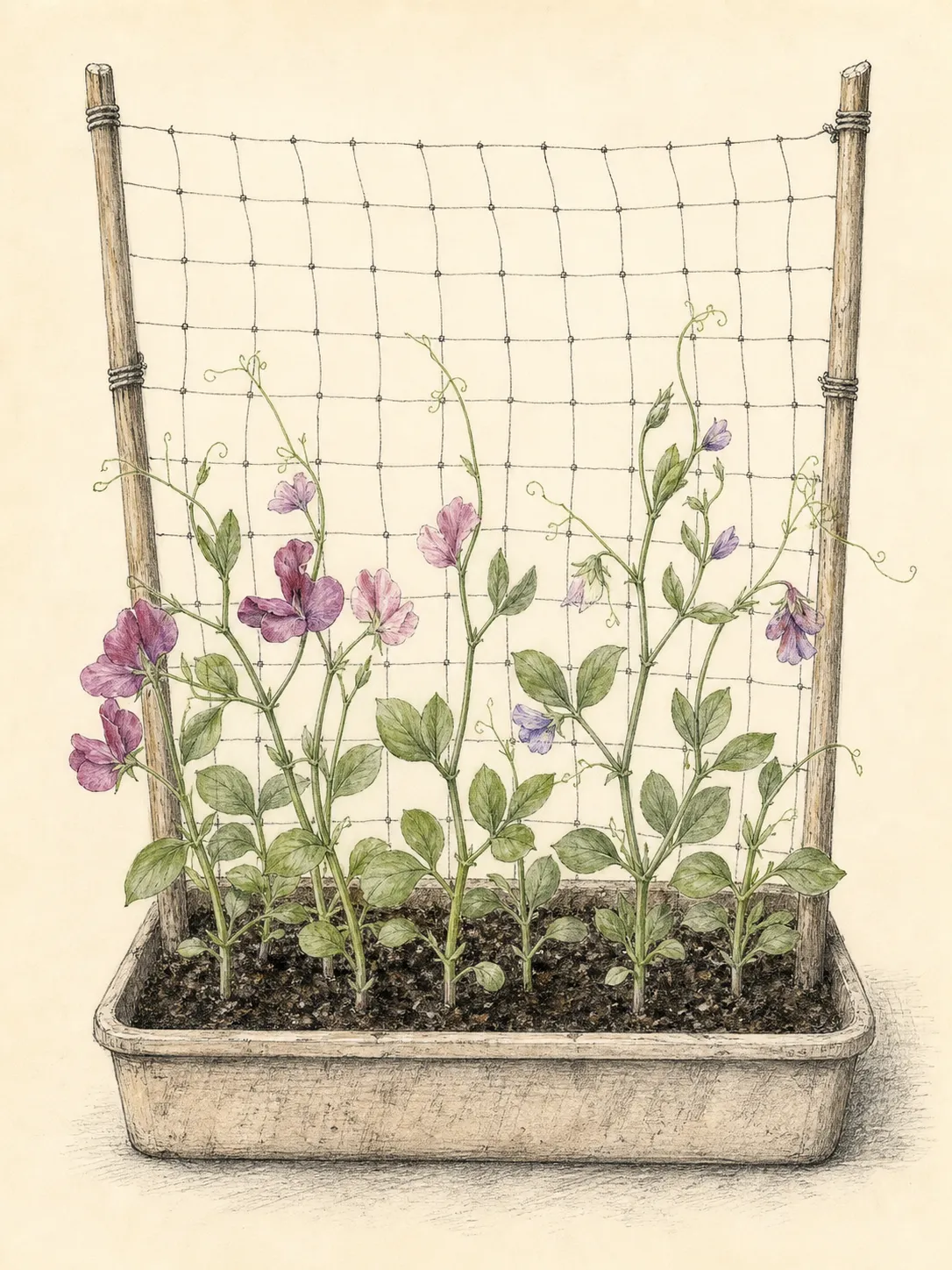
Train Ornamental Sweet Peas on Netting From Planting
Install a stable, reachable net before ornamental sweet peas go into the ground, then guide their tendrils into an open flowering screen without confusing the toxic crop with edible peas.
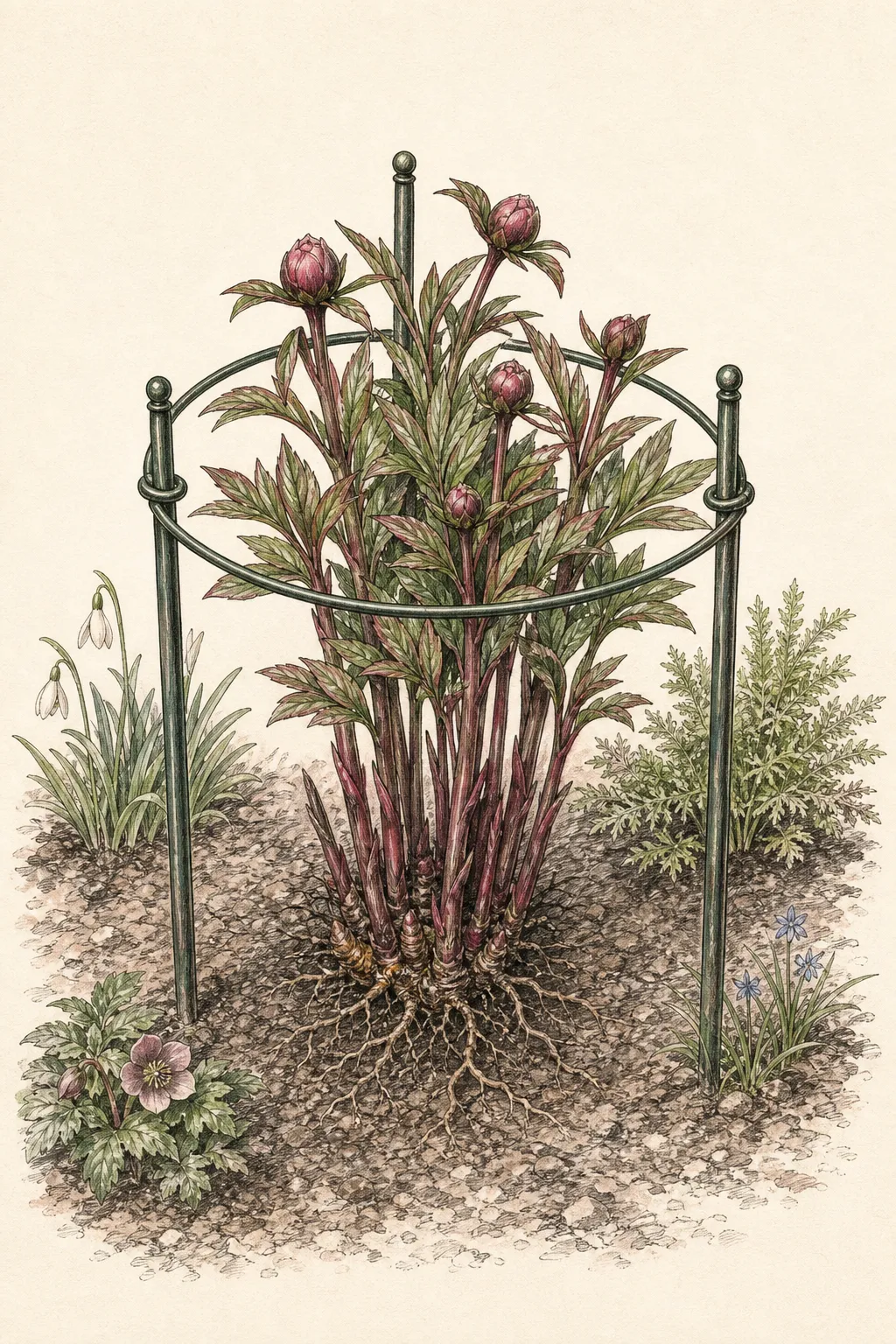
Support Peonies While Stems Are Short
Choose support by peony type and flower weight, place legs beyond the crown while shoots are short, and guide stems into a natural display before buds become heavy.
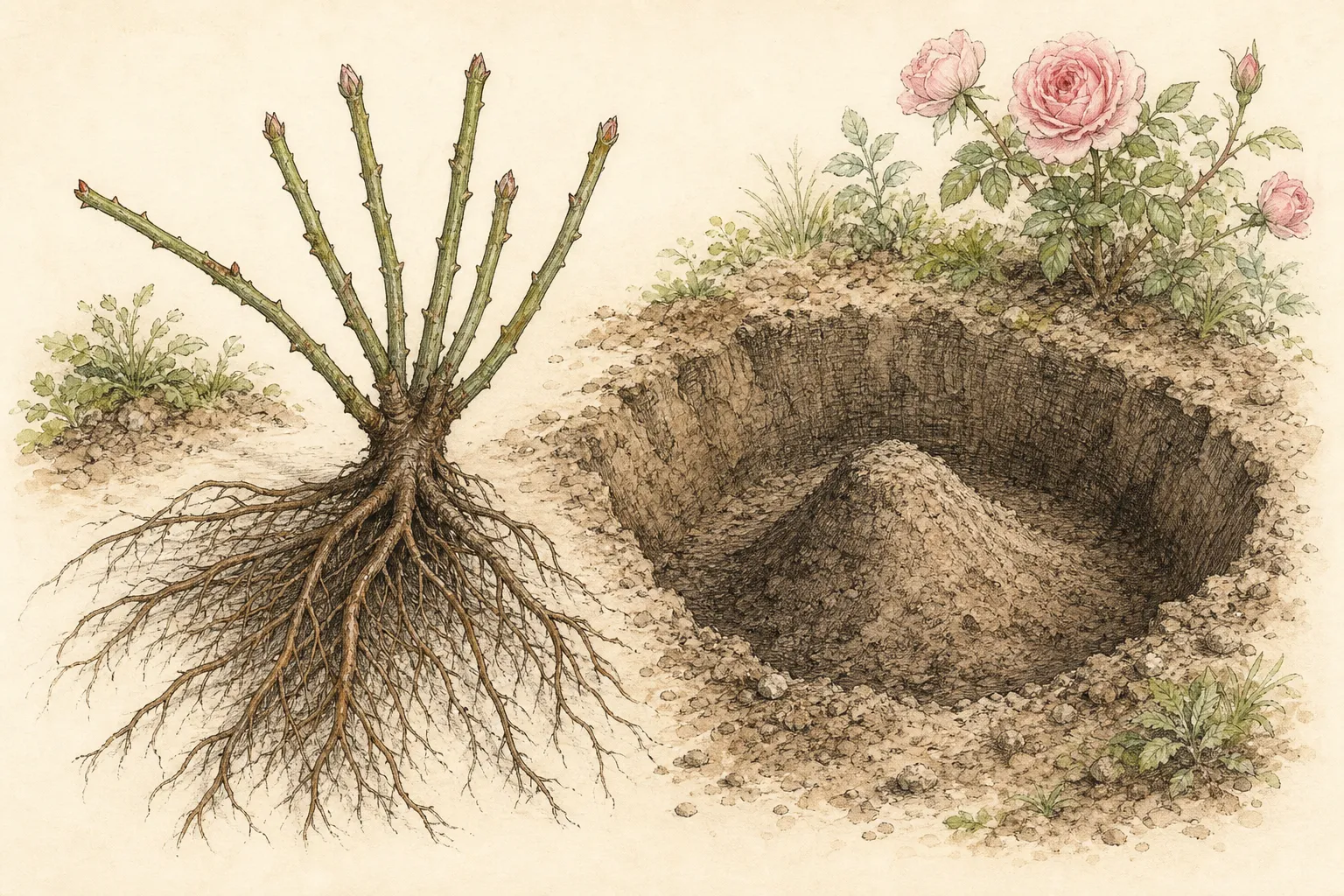
Plant Bare-Root Roses Without Guessing the Graft Union Depth
Keep dormant rose roots moist, identify grafted and own-root stock, choose a region-specific union depth and establish the plant without folding roots or burying canes by habit.
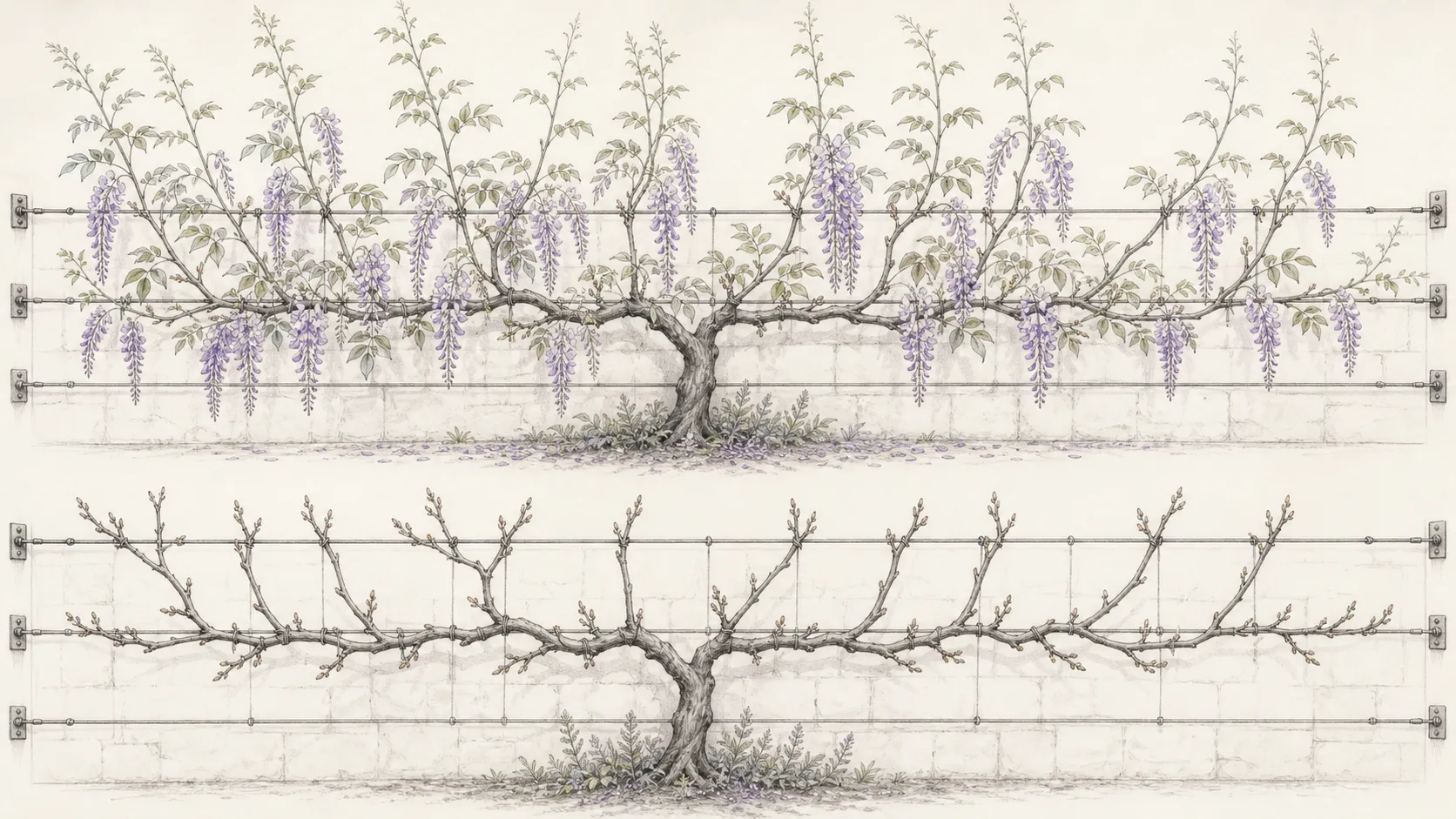
Prune Wisteria by Its Two-Season Spur-Building Cycle
Build a permanent trained framework, shorten green summer whips, return in winter to form flowering spurs, and keep vigorous growth out of structures.
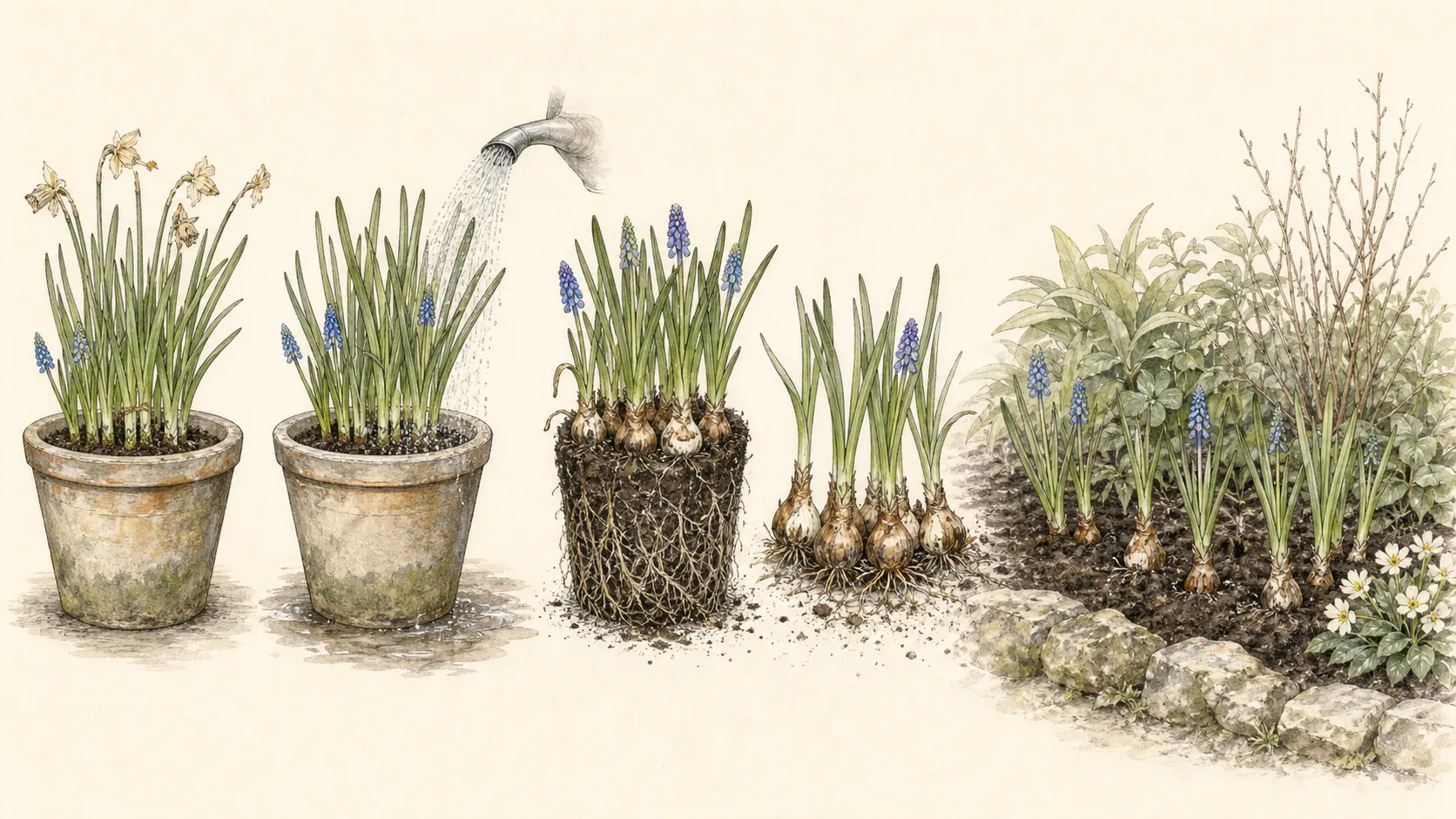
Move Potted Spring Bulbs into the Garden After Bloom
Keep post-bloom foliage working, identify forced and hardy bulbs, transplant sound root systems into compatible garden soil, and mark the future colony.
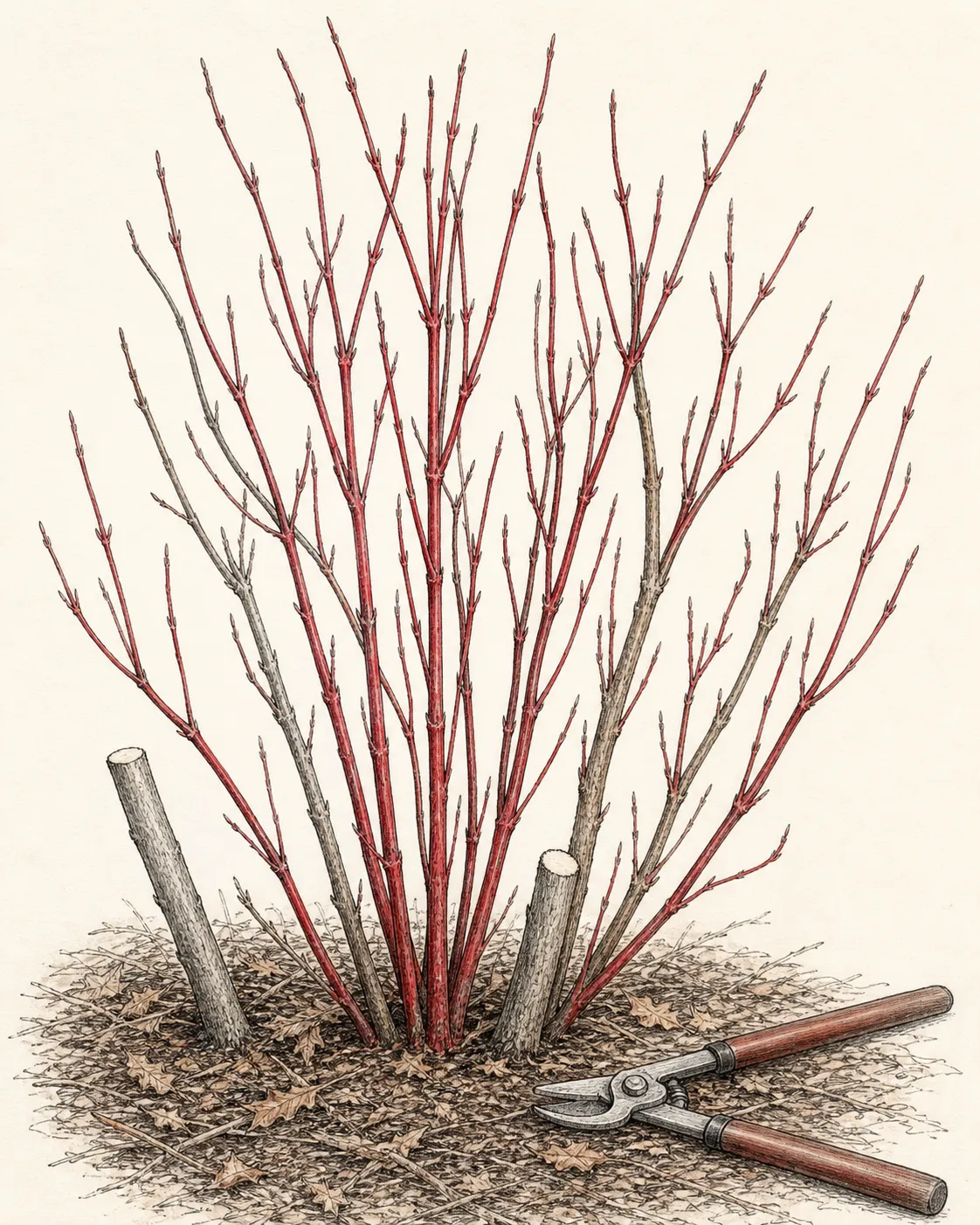
Prune Red-Twig Dogwood for Better Winter Stem Color
Renew selected old stems at the base, preserve a mixed-age framework, and avoid turning a colorful winter shrub into a weak annual stump.
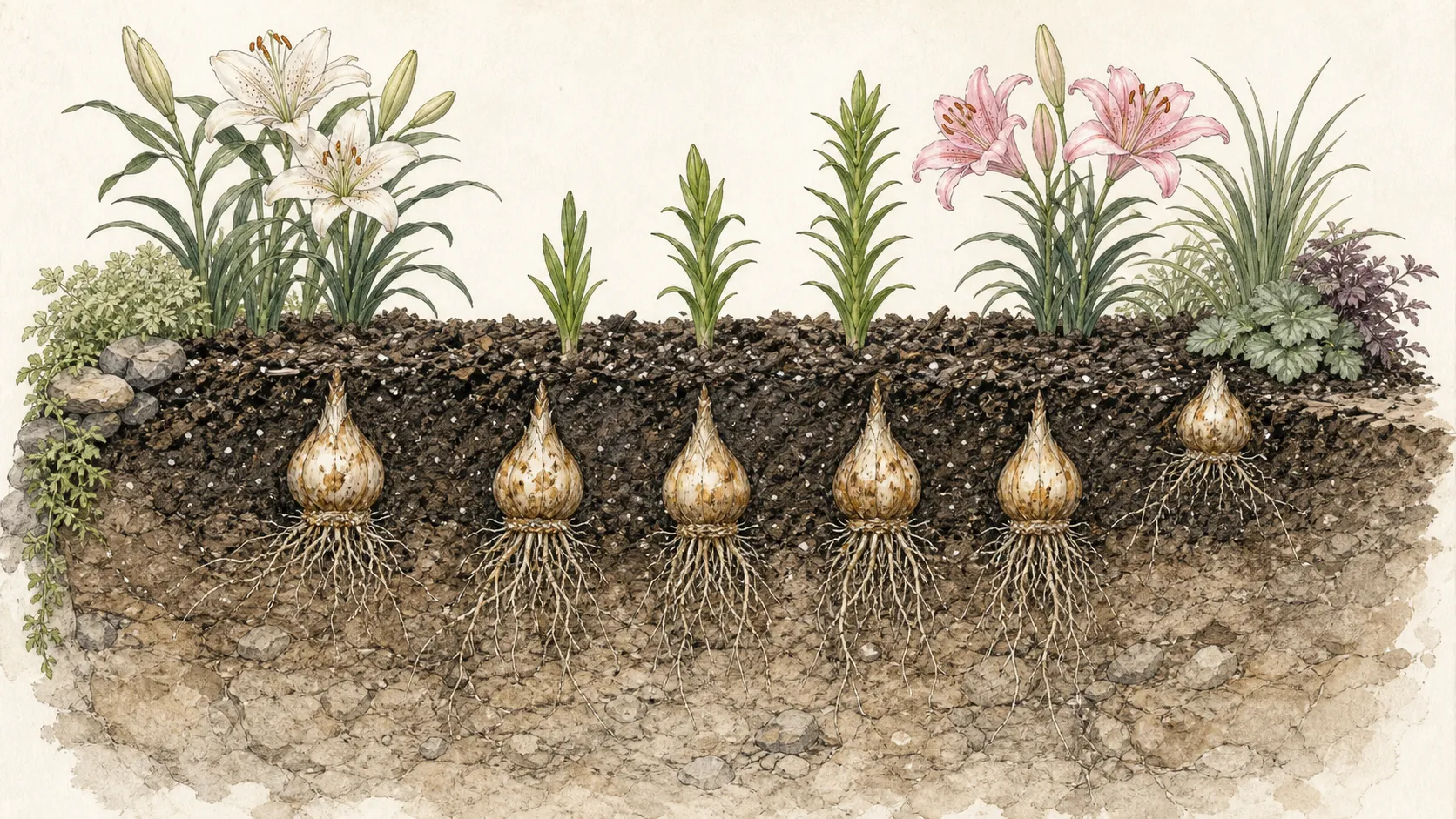
Plant Lily Bulbs for Drainage, Depth, and a Natural Group
Match lily group to soil reaction, keep bulbs from drying, plant at documented depth in draining soil, and arrange loose groups among compatible perennials.
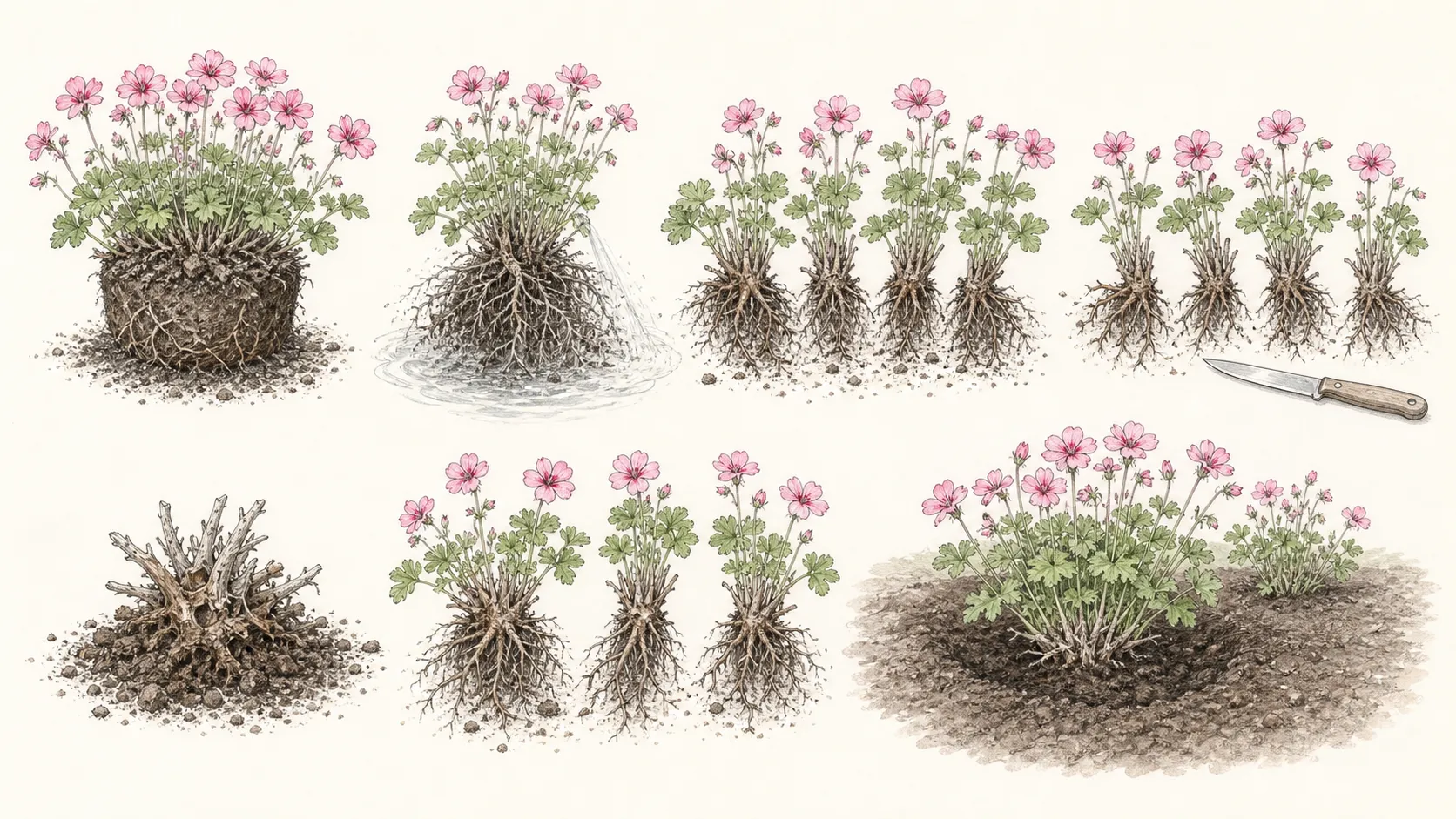
Divide Hardy Geraniums in Spring by Their Root Habit
Identify whether a hardy geranium clumps, creeps, or has a compact rootstock, then divide sound rooted sections and rebuild the border at mature spacing.
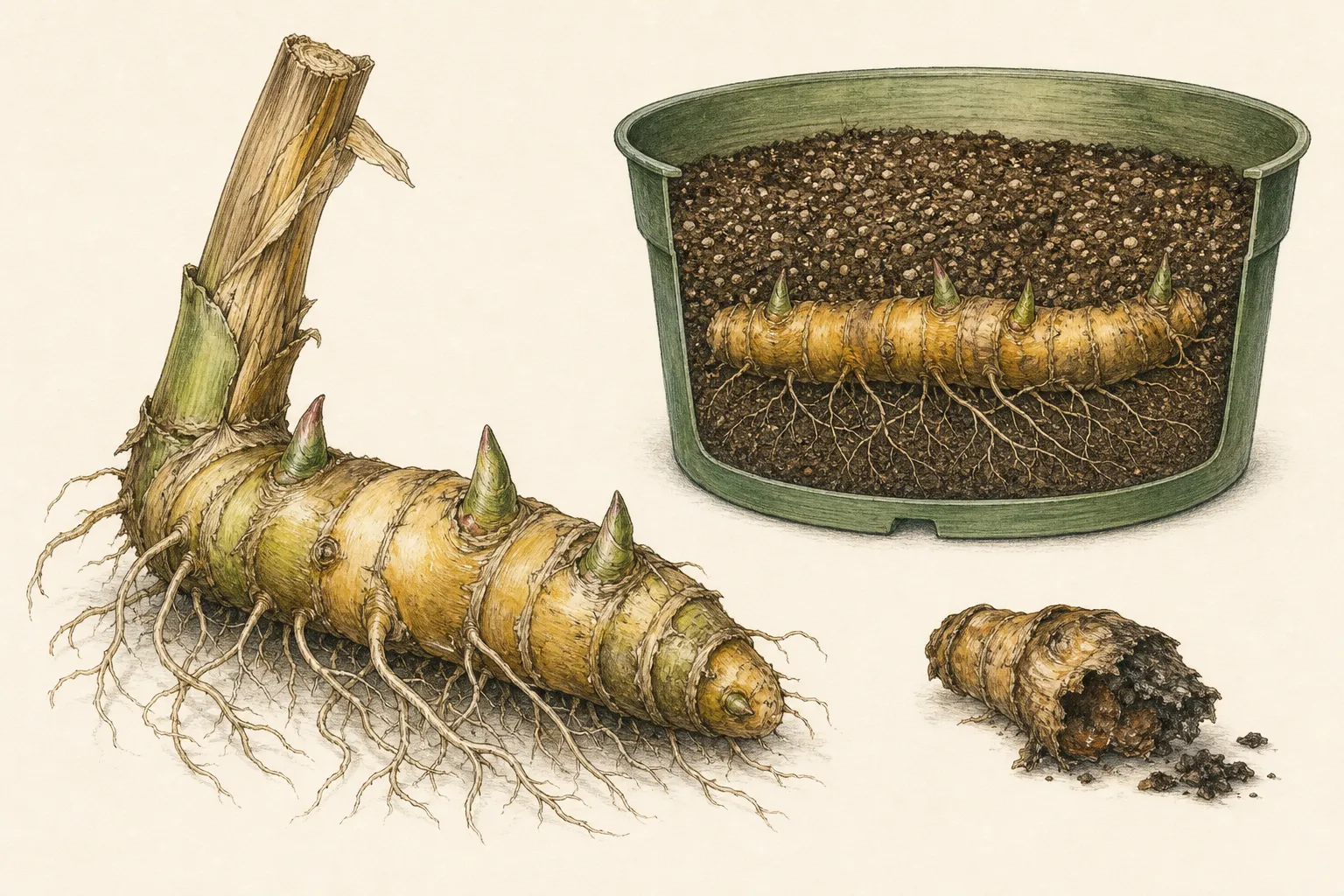
Pot Up Canna Rhizomes Indoors for a Strong Summer Start
Inspect canna rhizomes, preserve growing points, cover them shallowly, water lightly until shoots appear, and harden the leafy plants after frost.
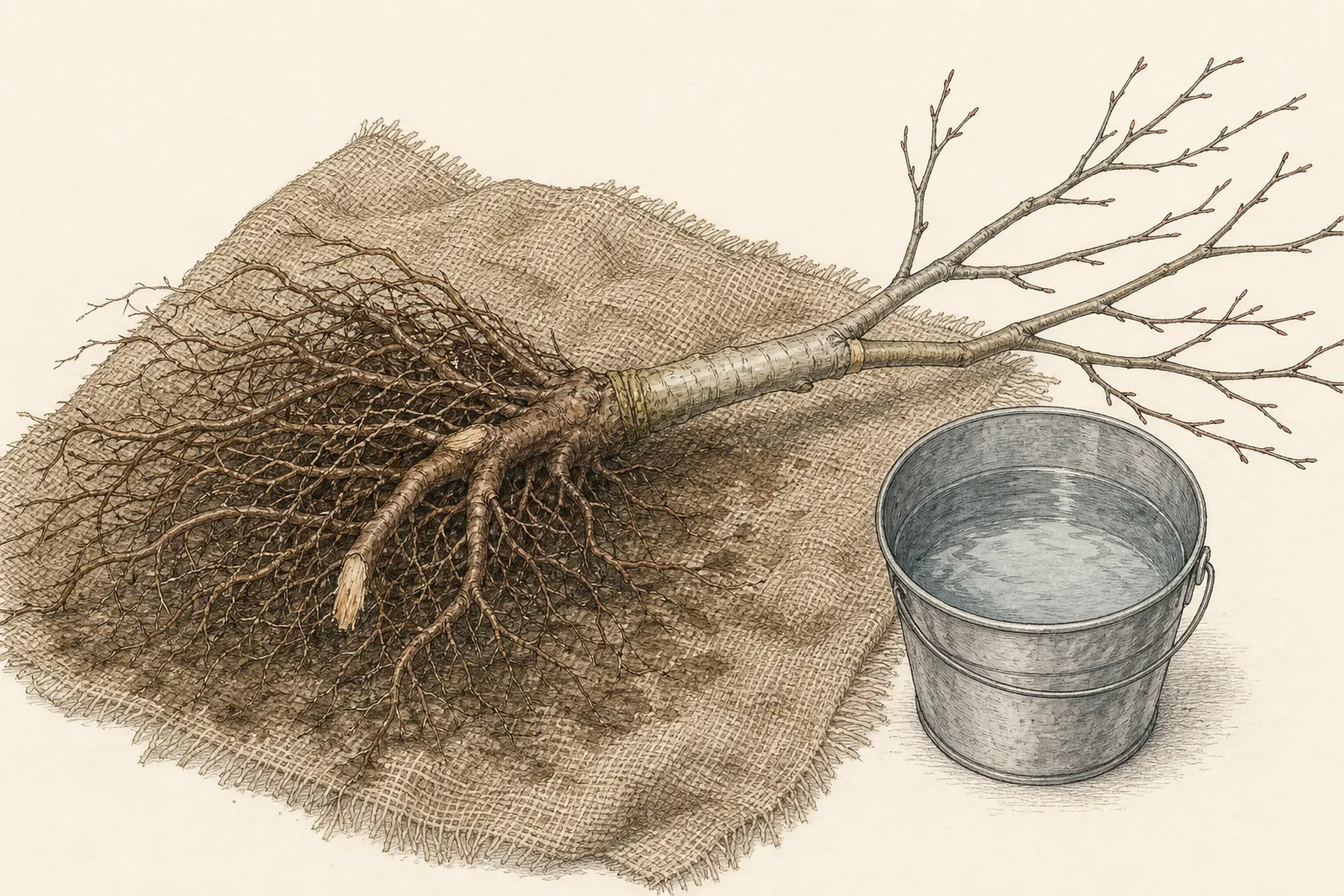
Plant a Bare-Root Ornamental Tree Before Budbreak
Keep roots moist, inspect the flare and graft, spread roots across a firm planting base, and establish a dormant ornamental tree without burying its structure.
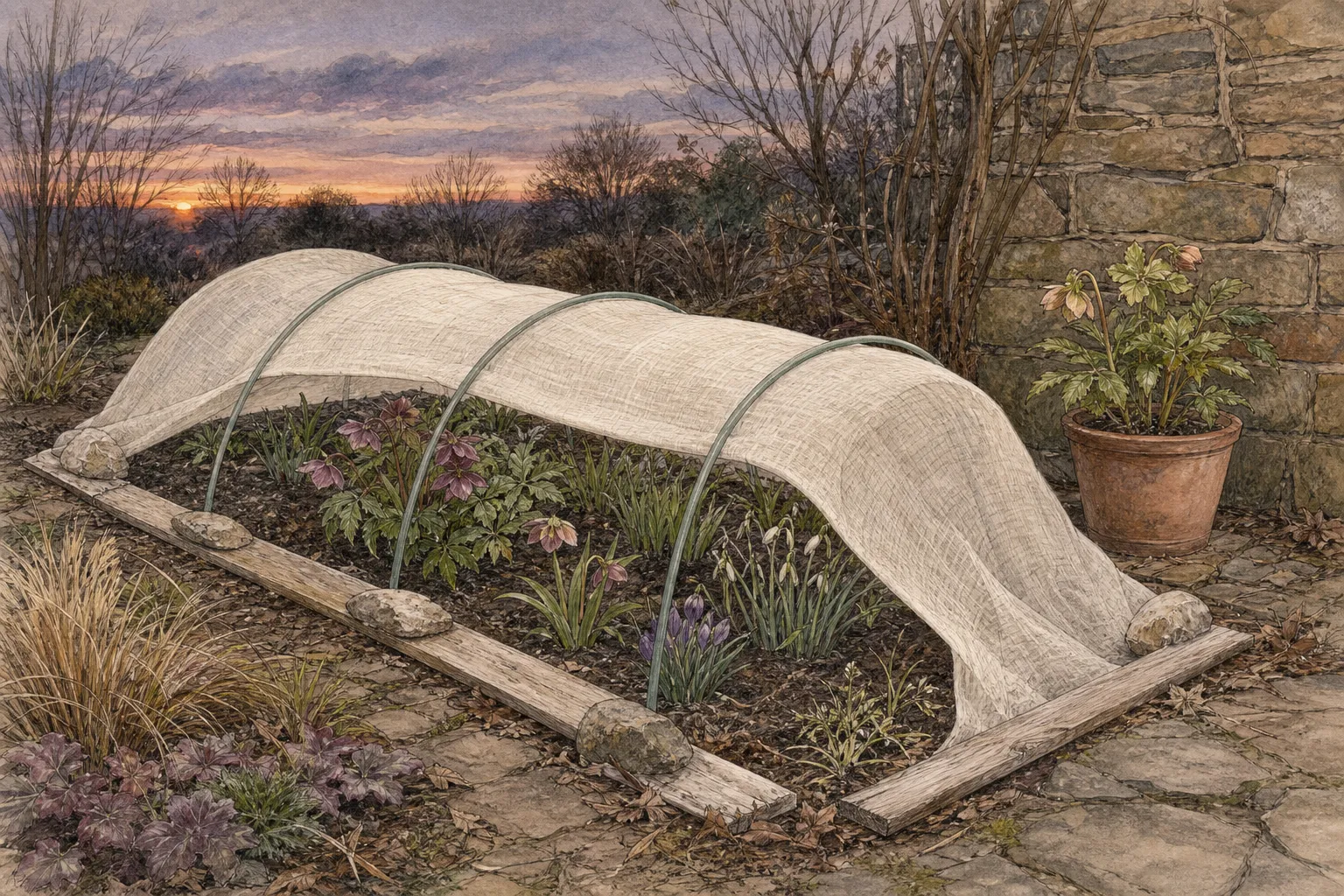
Protect Emerging Ornamentals from a Forecast Late Frost
Prioritize tender buds, trap stored ground warmth with a supported cover, move containers, and uncover promptly after the freeze risk passes.
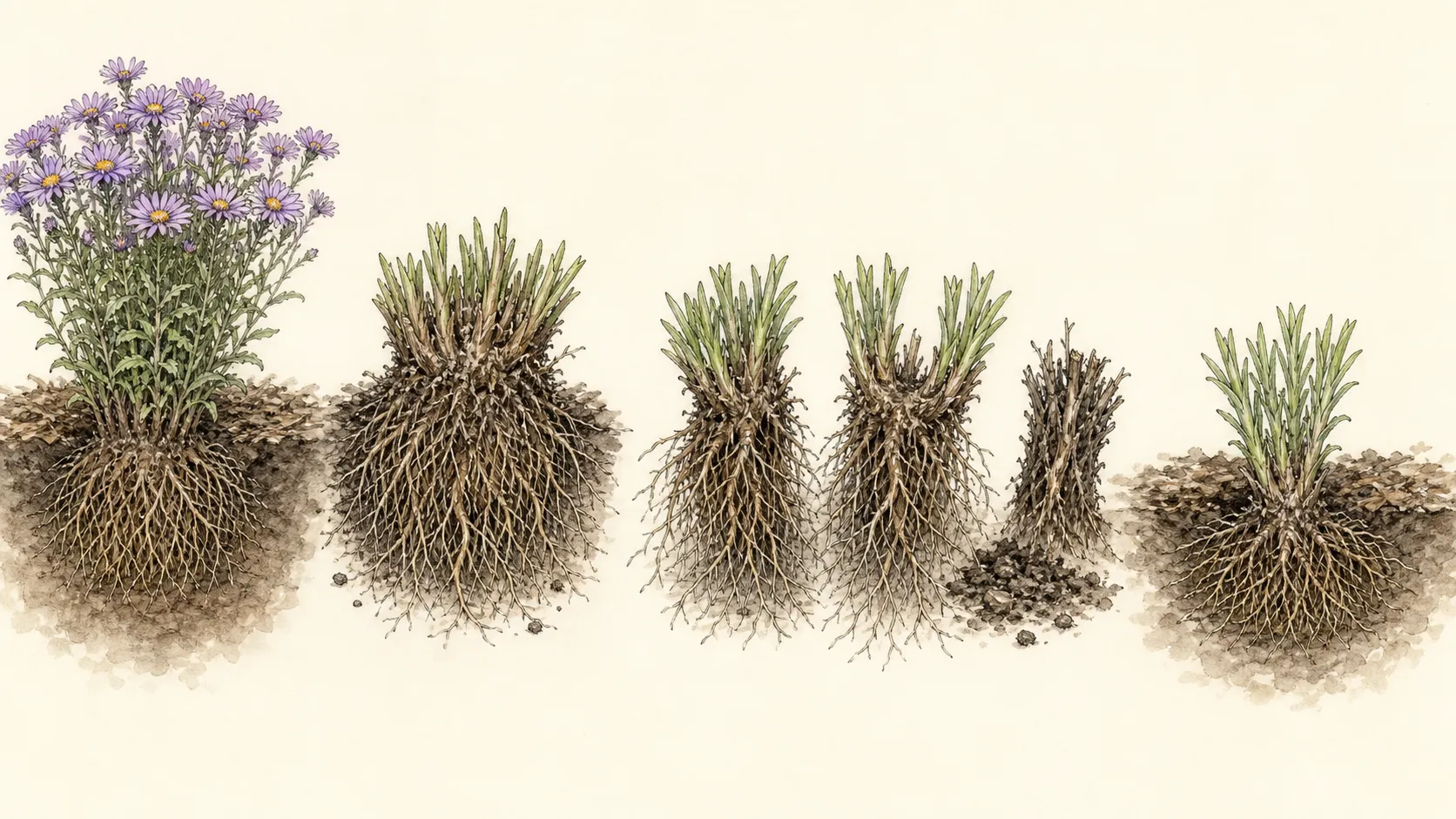
Divide Hardy Asters in Spring Before the Shoots Lengthen
Lift an aging fall aster while shoots are short, keep vigorous rooted outer pieces, and rebuild a spaced flowering group without carrying weeds through it.
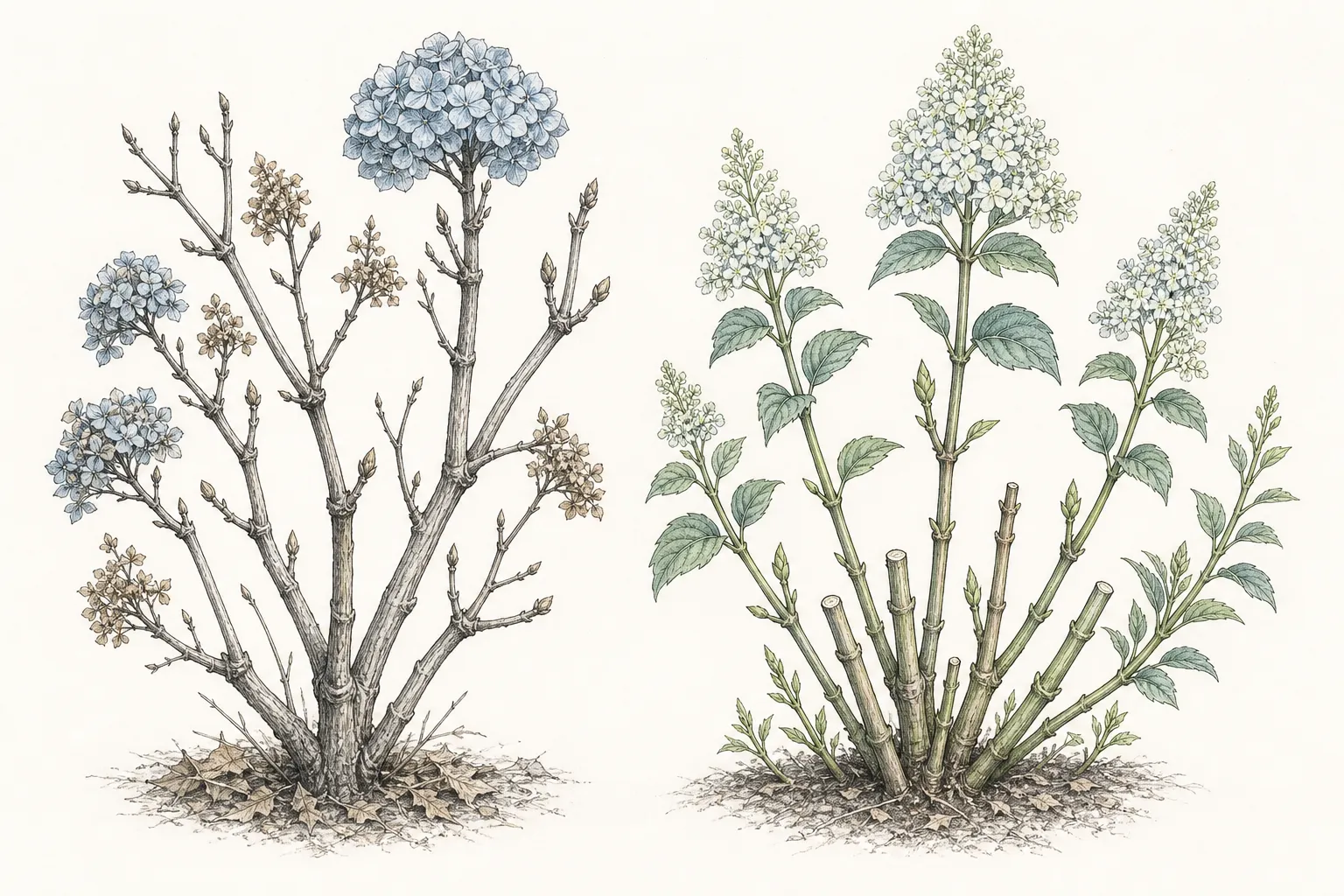
Prune Hydrangeas in Spring by the Wood That Carries Flowers
Identify old-wood, new-wood, and reblooming hydrangeas before cutting, then remove confirmed winter damage without sacrificing the season’s flower buds.
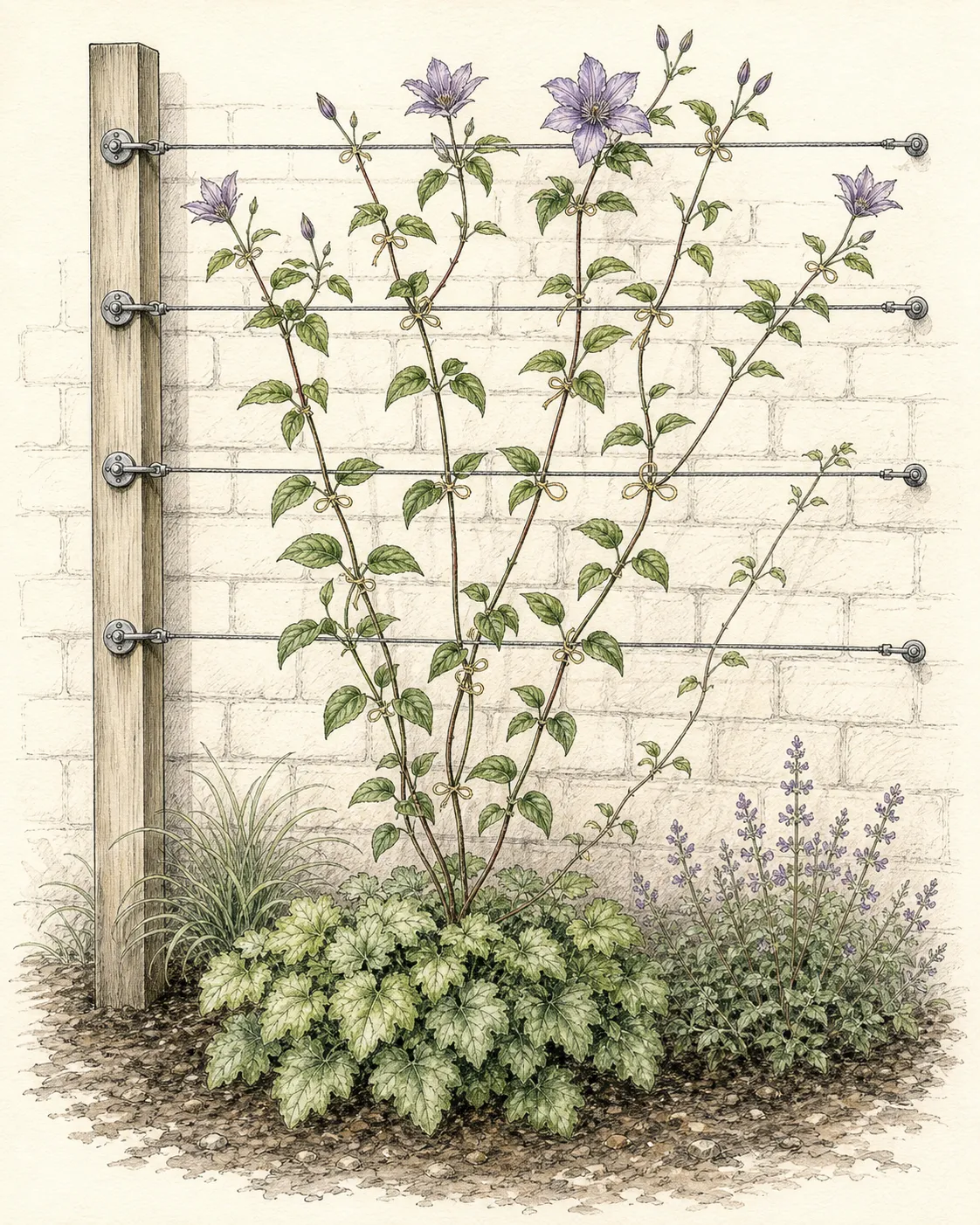
Train New Clematis Shoots Before They Tangle
Read the pruning group, separate fragile spring shoots, and fan them onto a support that keeps growth visible, ventilated, and clear of walls.
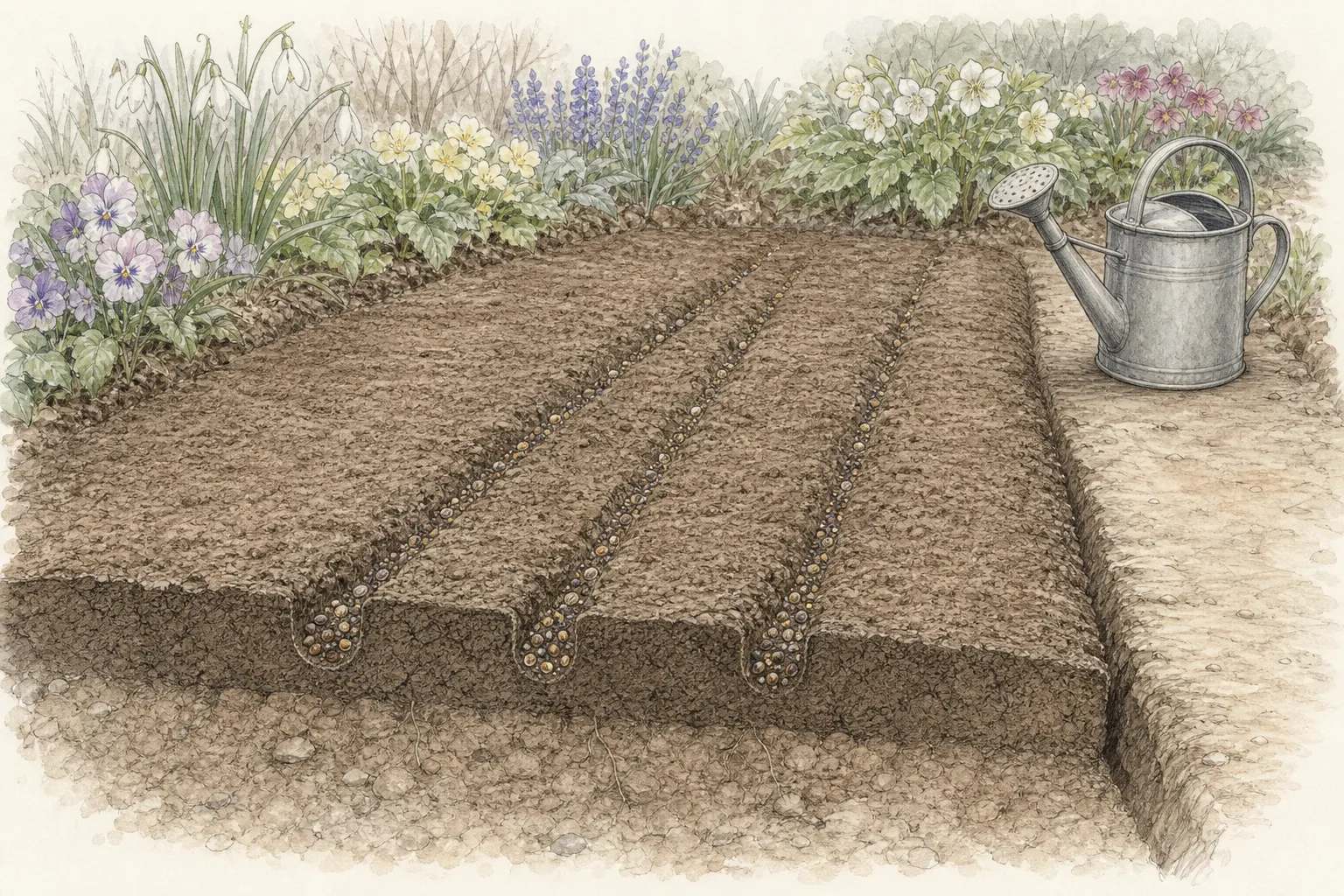
Direct-Sow Hardy Annual Flowers for a Deliberate Spring Drift
Match hardy annual flower seed to the site, prepare a clean seedbed, sow at species-appropriate depth, thin decisively, and stage a longer ornamental display.
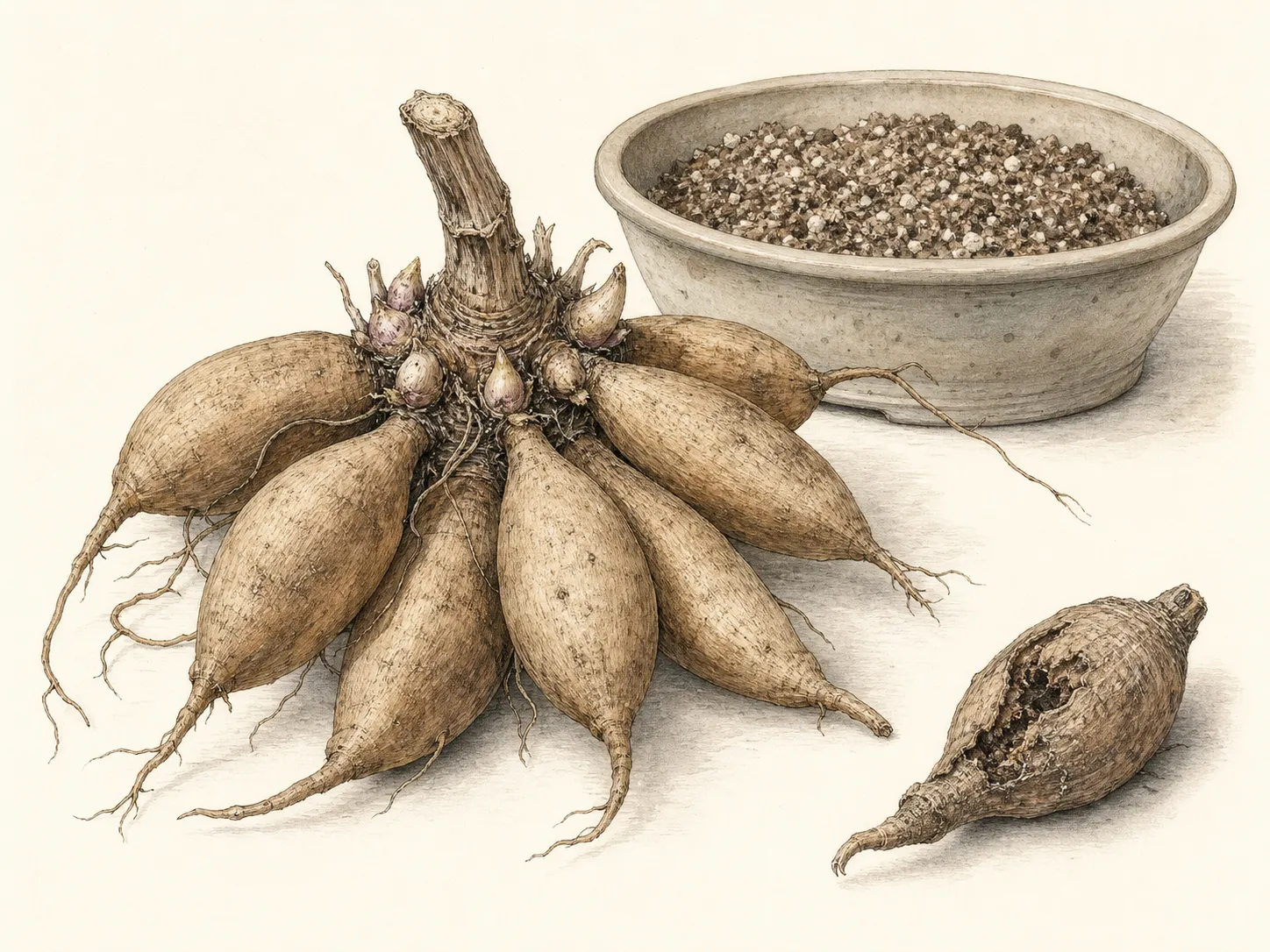
Start Dahlia Tubers Indoors Without Rotting the Crown
Inspect the crown and eyes, pot dormant dahlia tubers shallowly, hold water until growth begins, and prepare stocky plants for a frost-free move outside.
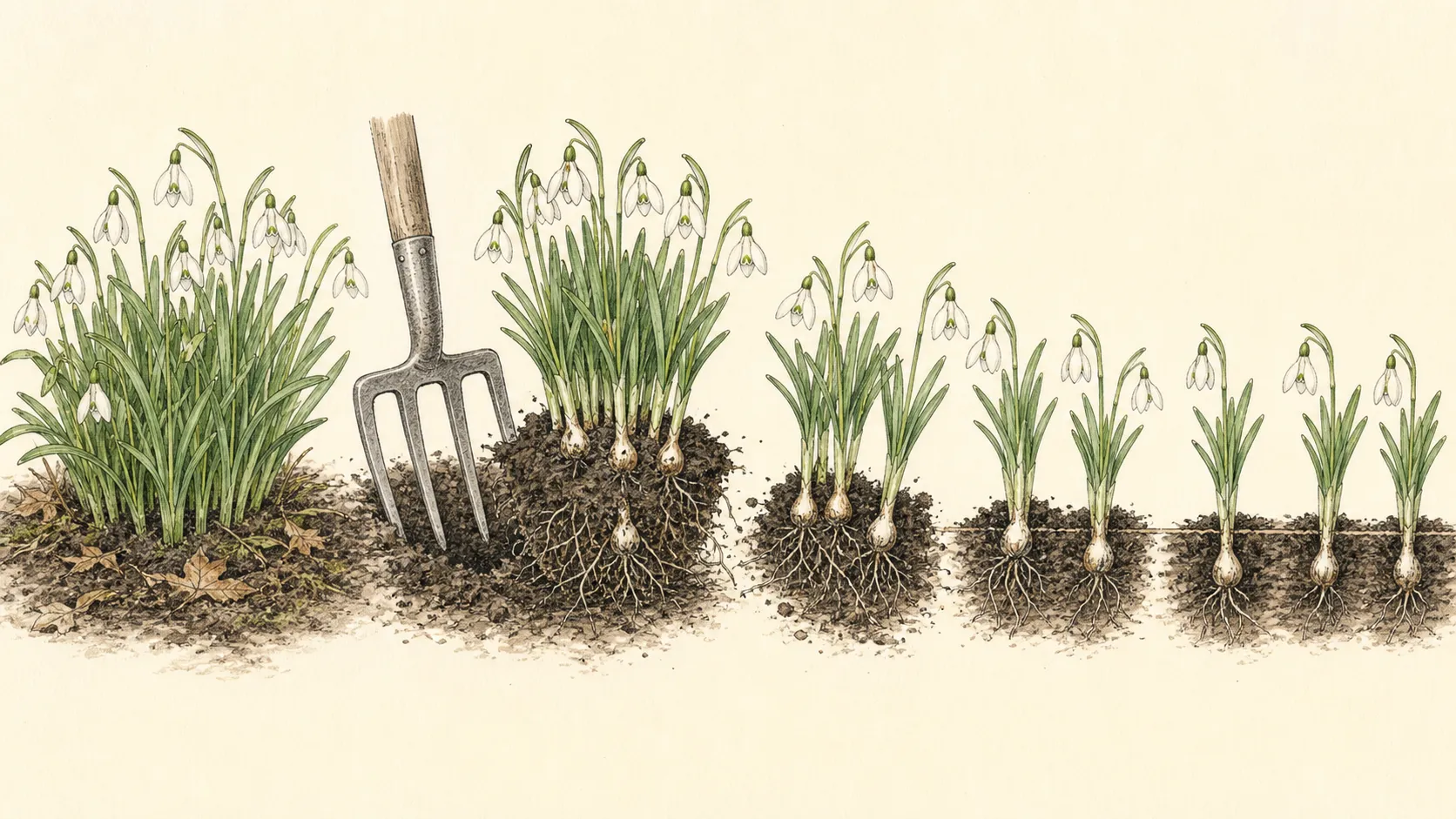
Divide Snowdrops After Flowering Without Losing the Drift
Lift snowdrops while foliage still carries the bulb’s location, separate naturally rooted groups, and replant promptly at the original depth.
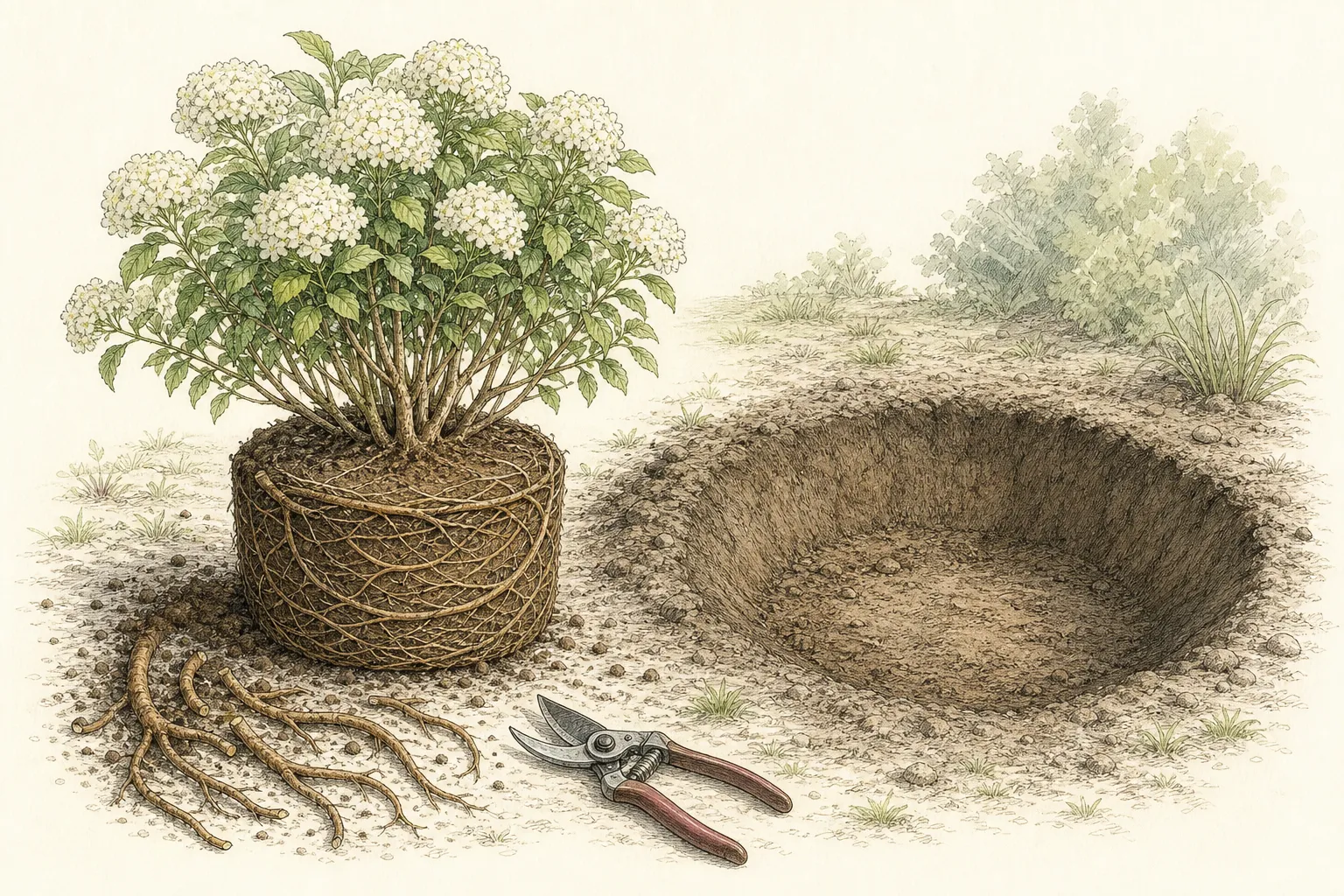
Plant a Container-Grown Flowering Shrub at the Root Flare
Inspect the nursery root ball, correct circling roots, set the uppermost roots or root crown at the correct grade, and establish a flowering shrub in compatible site soil.
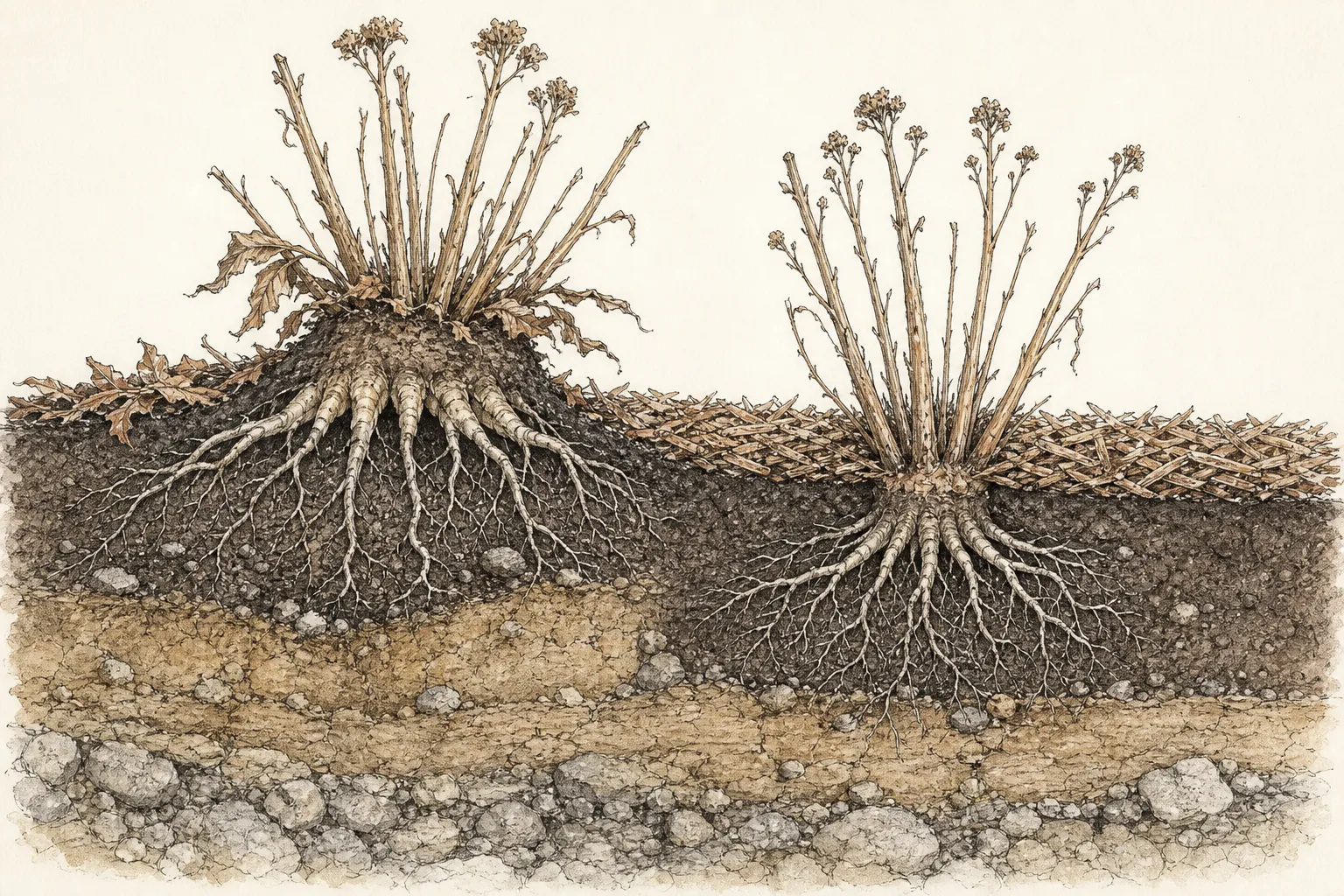
Reset Frost-Heaved Perennial Crowns After the Soil Thaws
Recognize a lifted crown, wait for workable soil, and restore root contact without burying the growth points or compacting a wet spring bed.
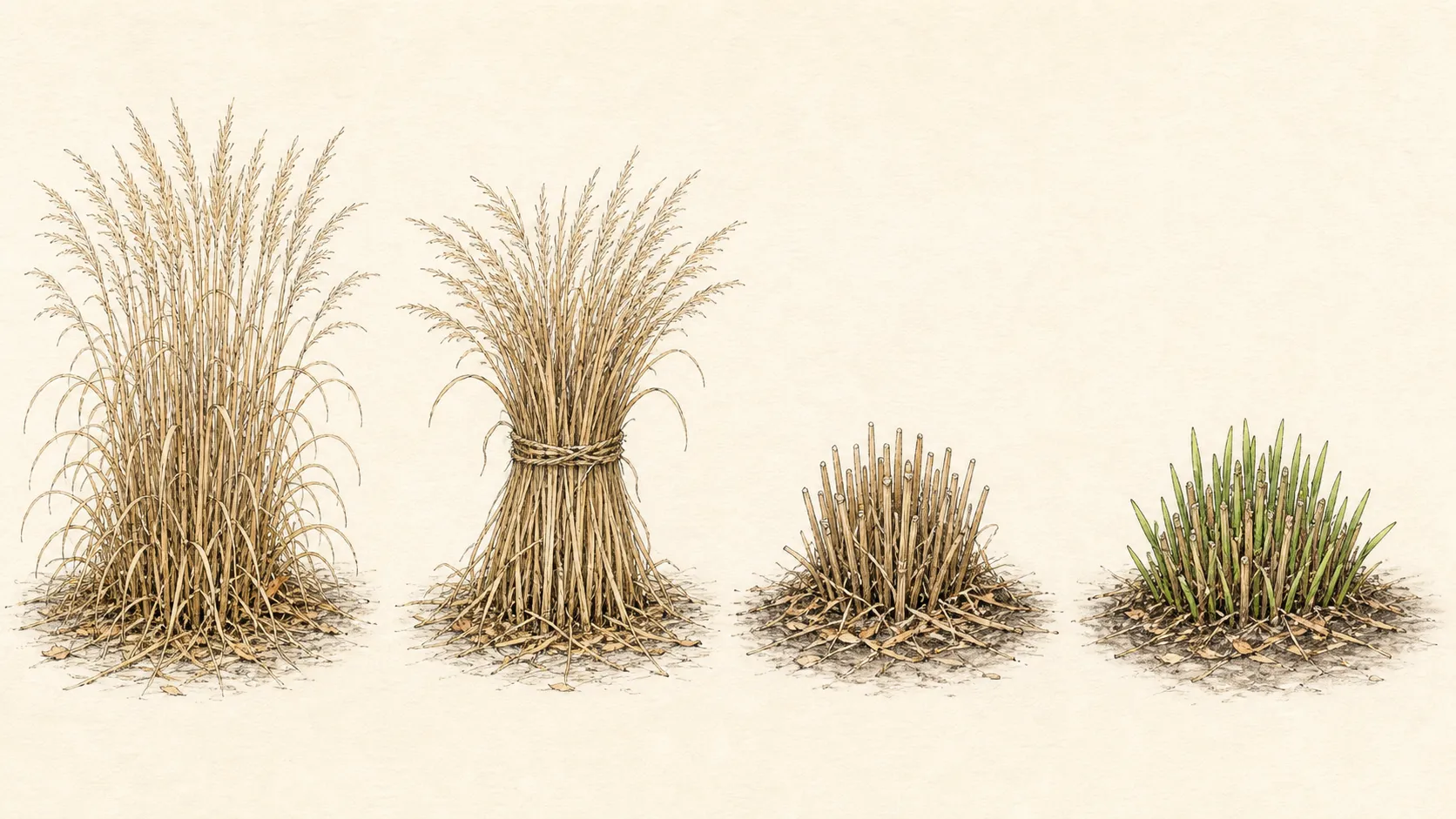
Cut Back Deciduous Ornamental Grasses Before New Growth
Separate deciduous grasses from evergreen look-alikes, read the crown, and remove last year’s stems before fresh shoots are caught in the cut.

Map Garden Sunlight Before Deciduous Trees Leaf Out
Record hourly spring shadows and projected summer canopy shade before assigning ornamental plants to misleadingly bright early-season beds.
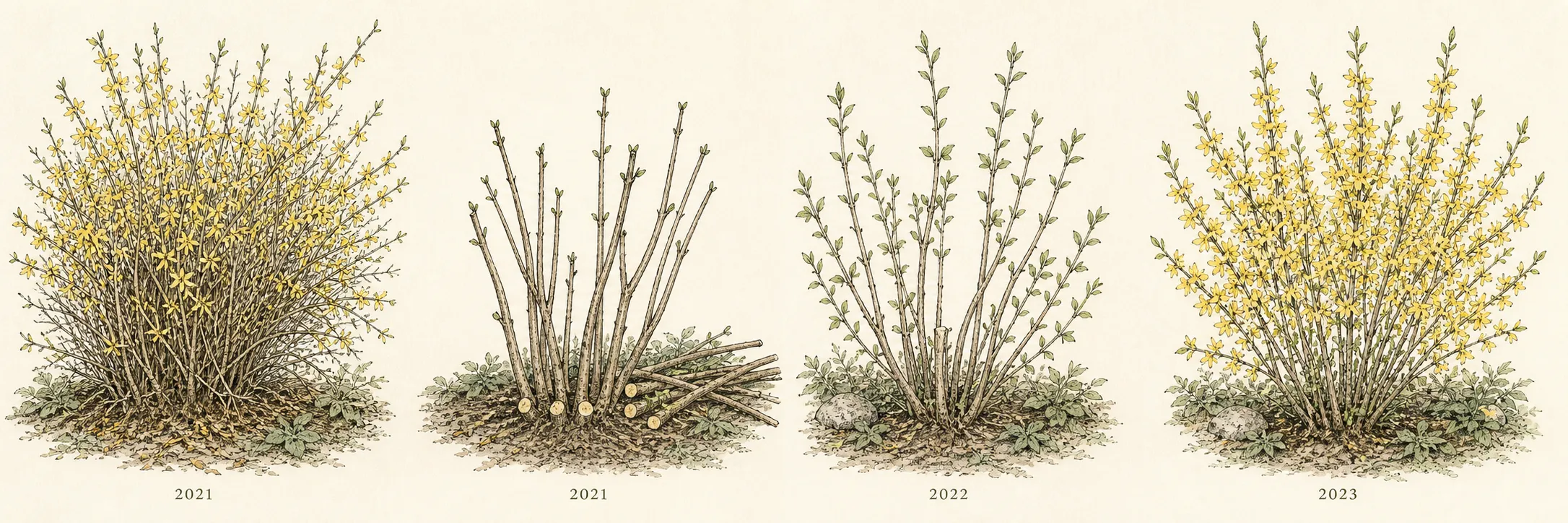
Renovate an Overgrown Forsythia After Flowering
Remove the oldest canes at ground level over several seasons so an overgrown forsythia regains open structure without losing every spring bloom.
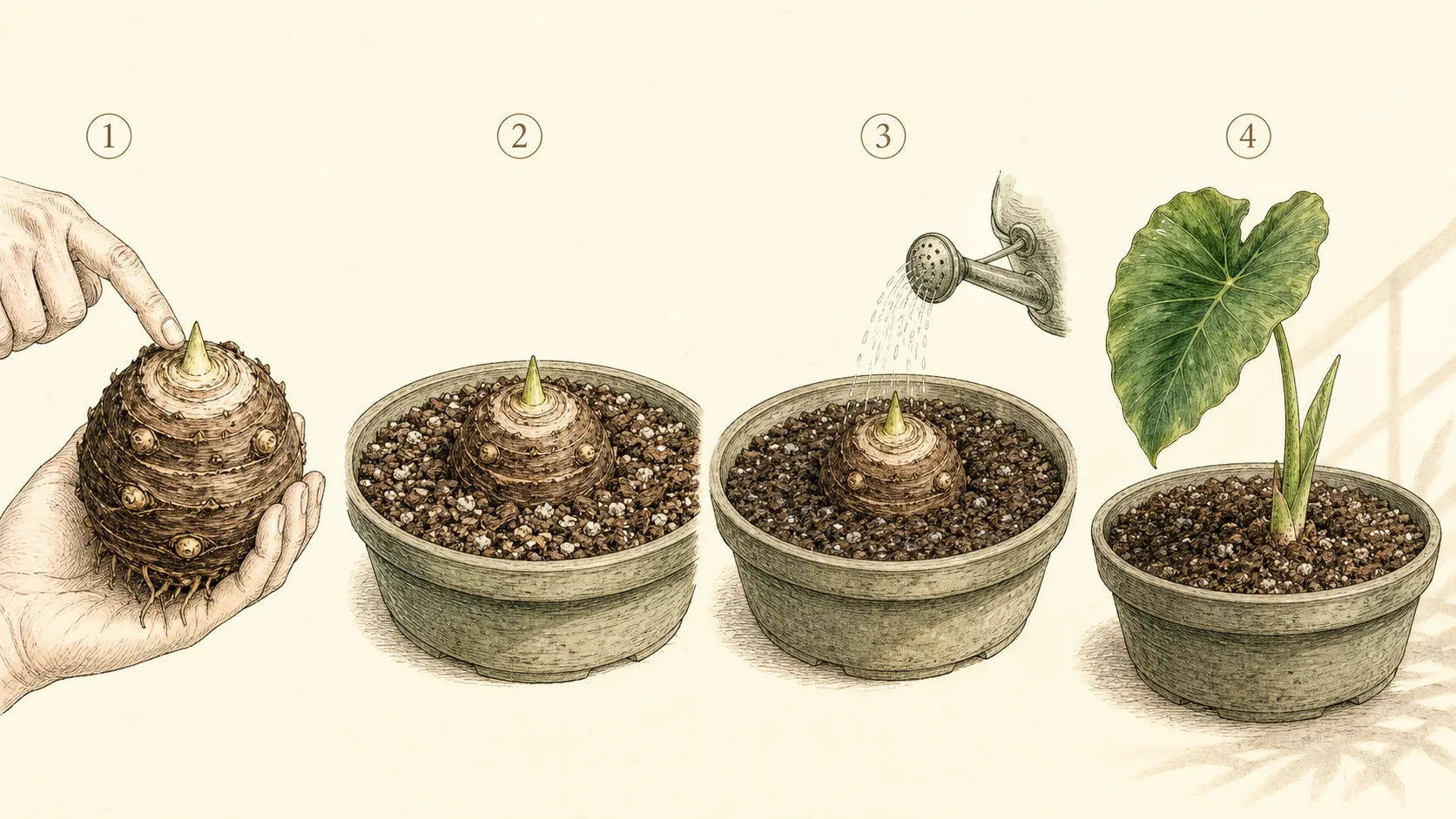
Start Elephant Ears Indoors for a Strong Ornamental Foliage Display
Wake elephant-ear corms in warmth and restrained moisture, then acclimate the rooted plants gradually to an outdoor container or bed.
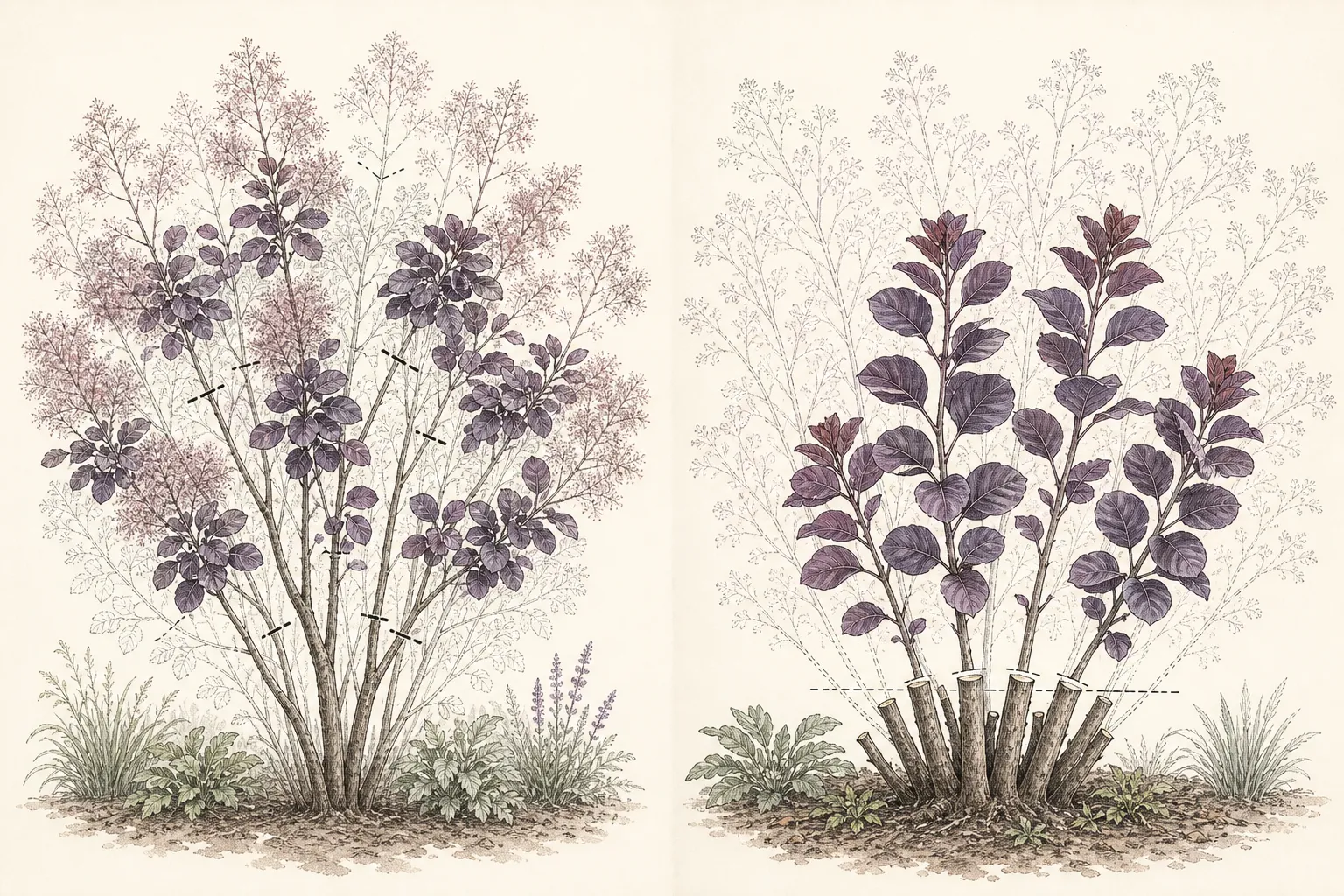
Prune Smoke Bush for Airy Flowers or Oversized Foliage
Choose between preserving mature flowering wood and stooling a vigorous smoke bush for bold leaves before making the first spring cut.
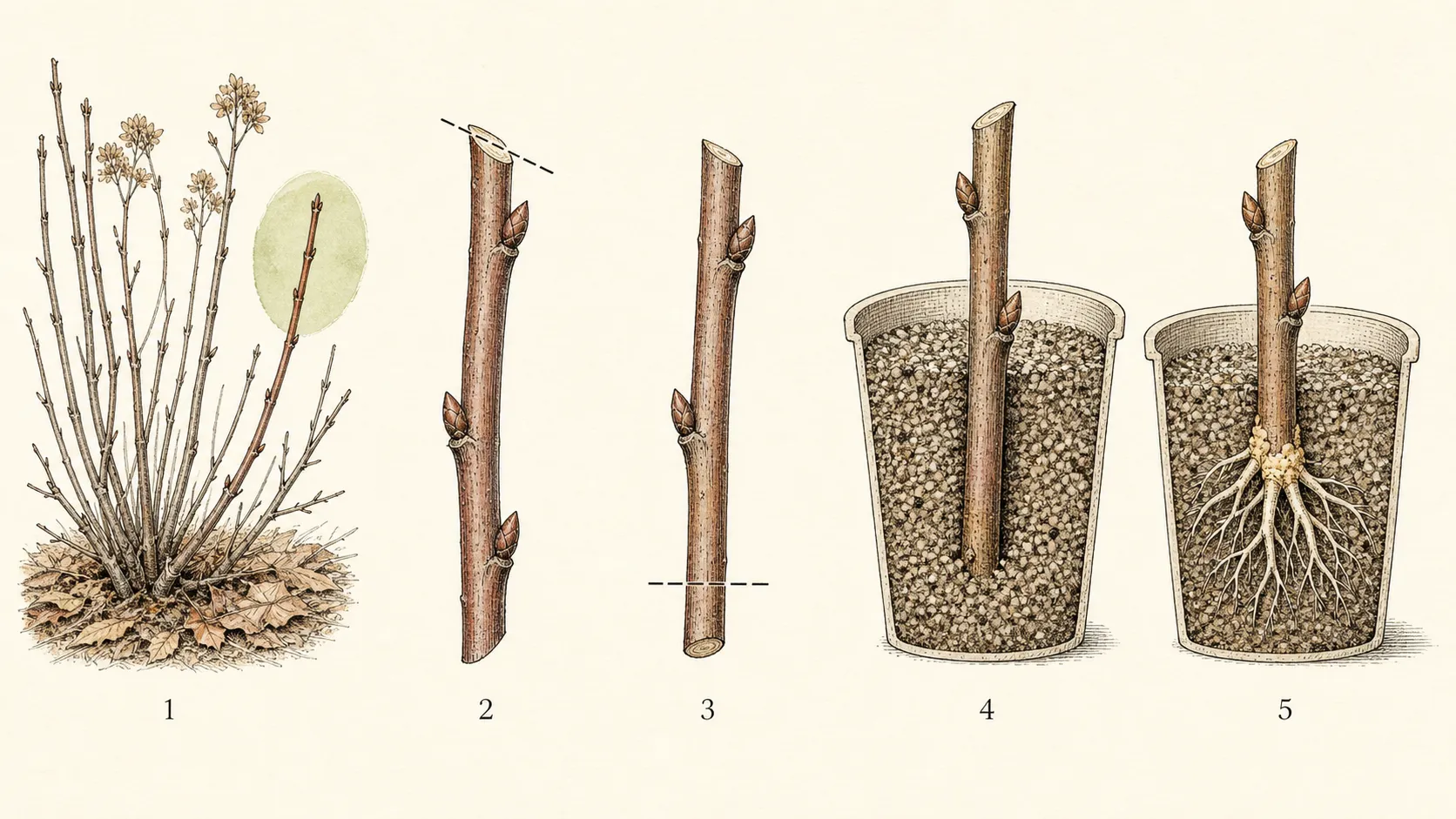
Take Hardwood Cuttings from Dormant Ornamental Shrubs
Prepare correctly oriented dormant stem cuttings, place them in a draining medium, and wait for roots before treating shoots as new plants.
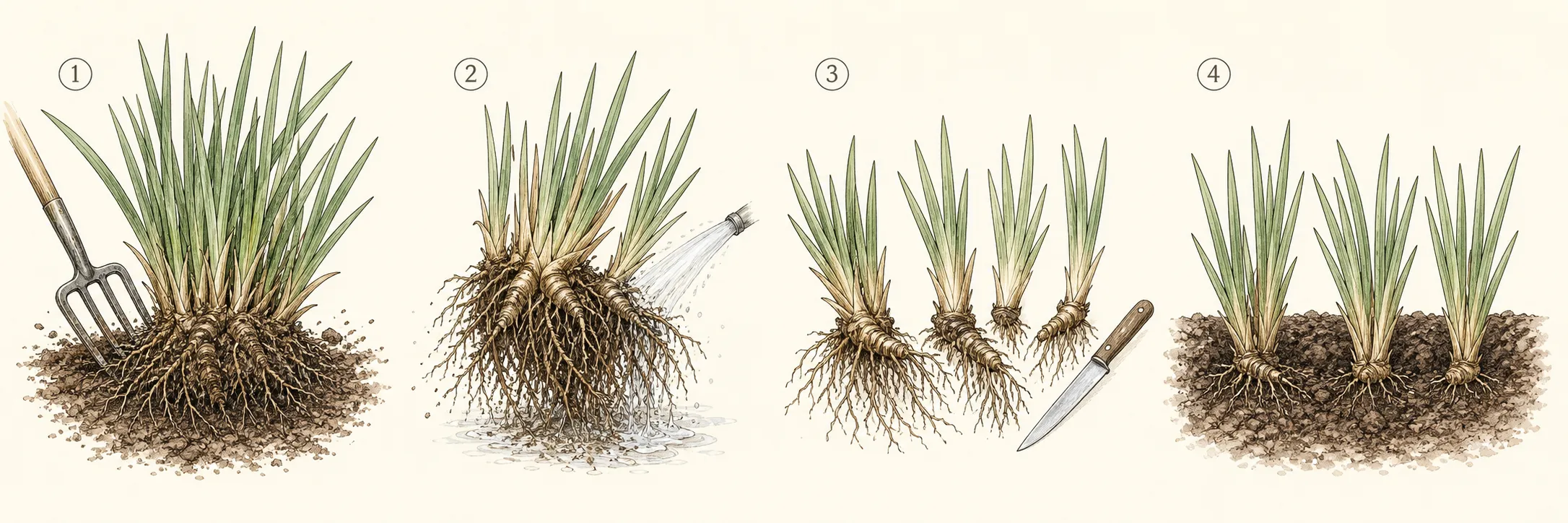
Divide Siberian Iris Before the New Fans Become Tall
Lift and split an overcrowded Siberian iris clump in early spring, keeping firm rhizomes and roots attached to each replanted fan.
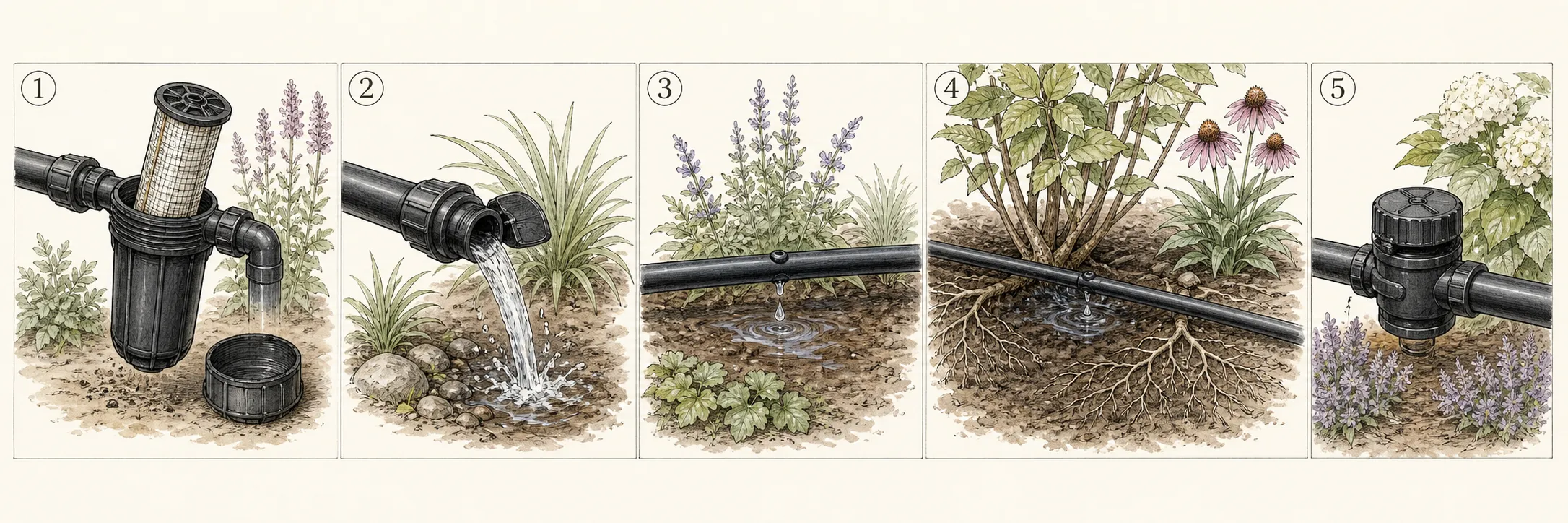
Restart Drip Irrigation in Ornamental Beds Before Spring Growth Hides It
Open, flush, inspect, and retune a dormant drip system while emitters and plant root zones are still easy to see.
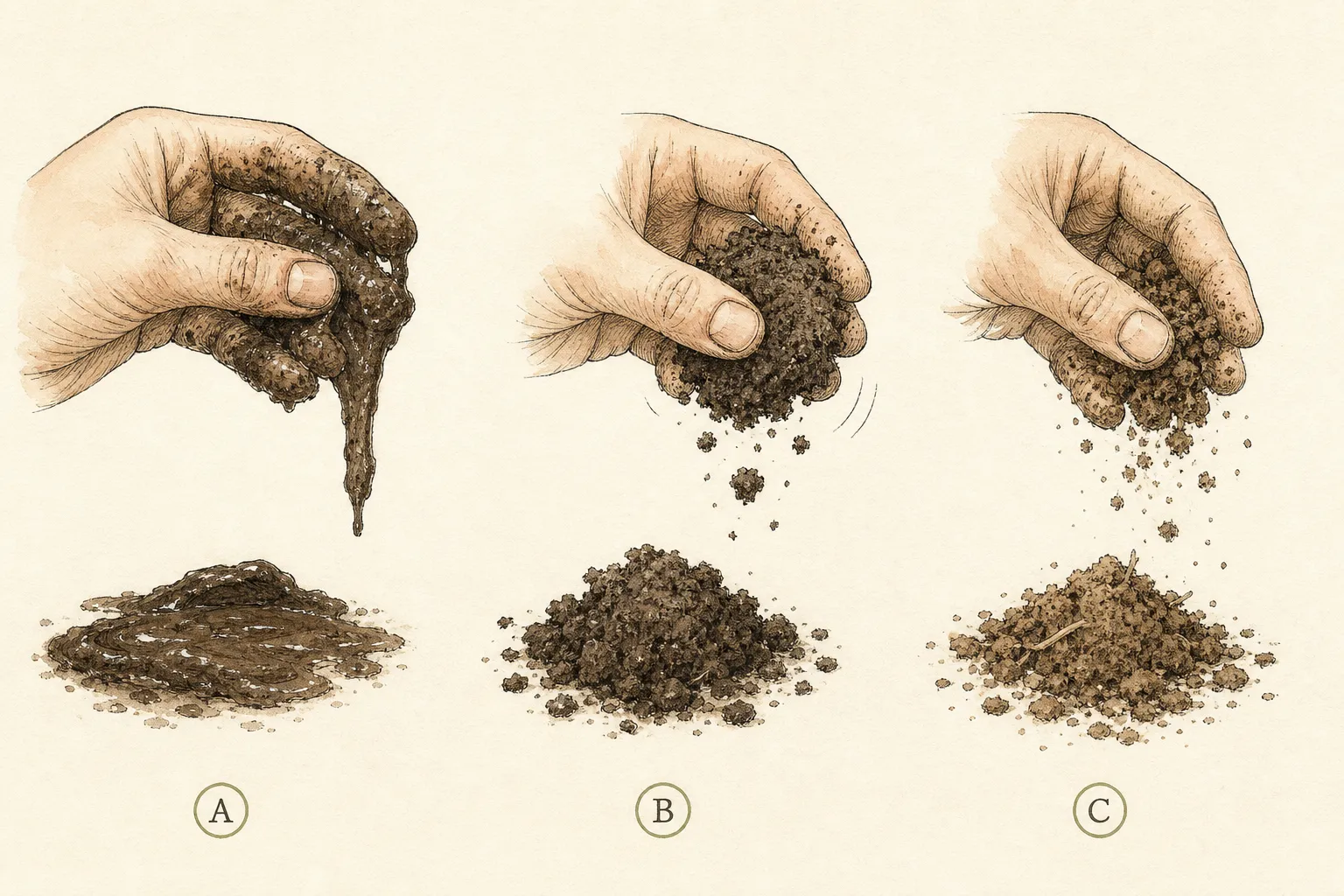
Check Whether Spring Border Soil Is Ready to Work
Use a hand test, surface evidence, and drainage pattern to postpone cultivation while soil still smears, ribbons, or compacts under pressure.
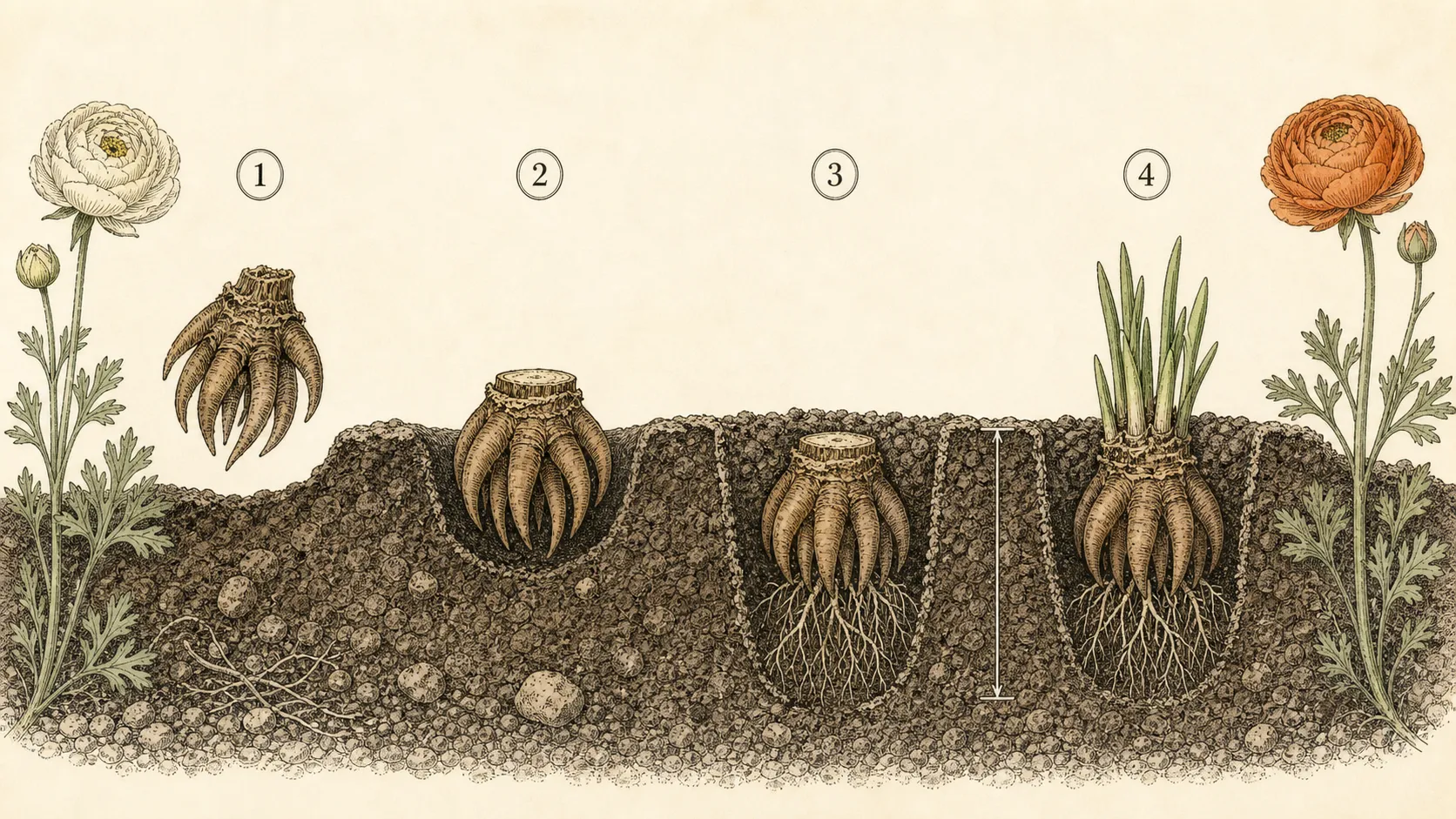
Plant Ranunculus Corms for a Cool Spring Flower Display
Orient, pre-sprout when appropriate, and plant ranunculus corms into cool, draining conditions that support roots before heat arrives.
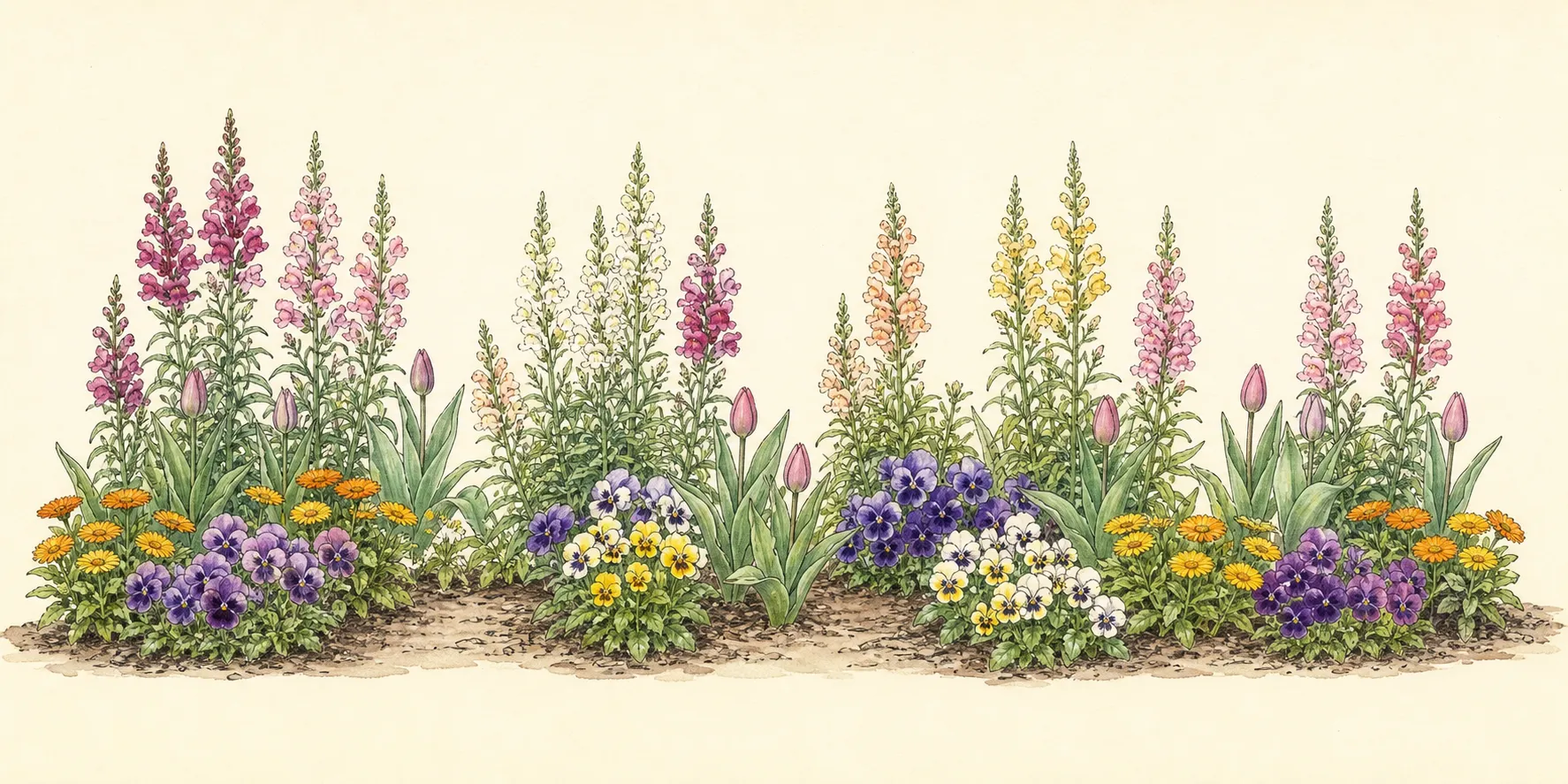
Set Cool-Season Annuals into a Spring Border Without Losing the Design
Place pansies and other cool-season annuals as measured drifts that bridge spring gaps without crowding permanent crowns or bulbs.
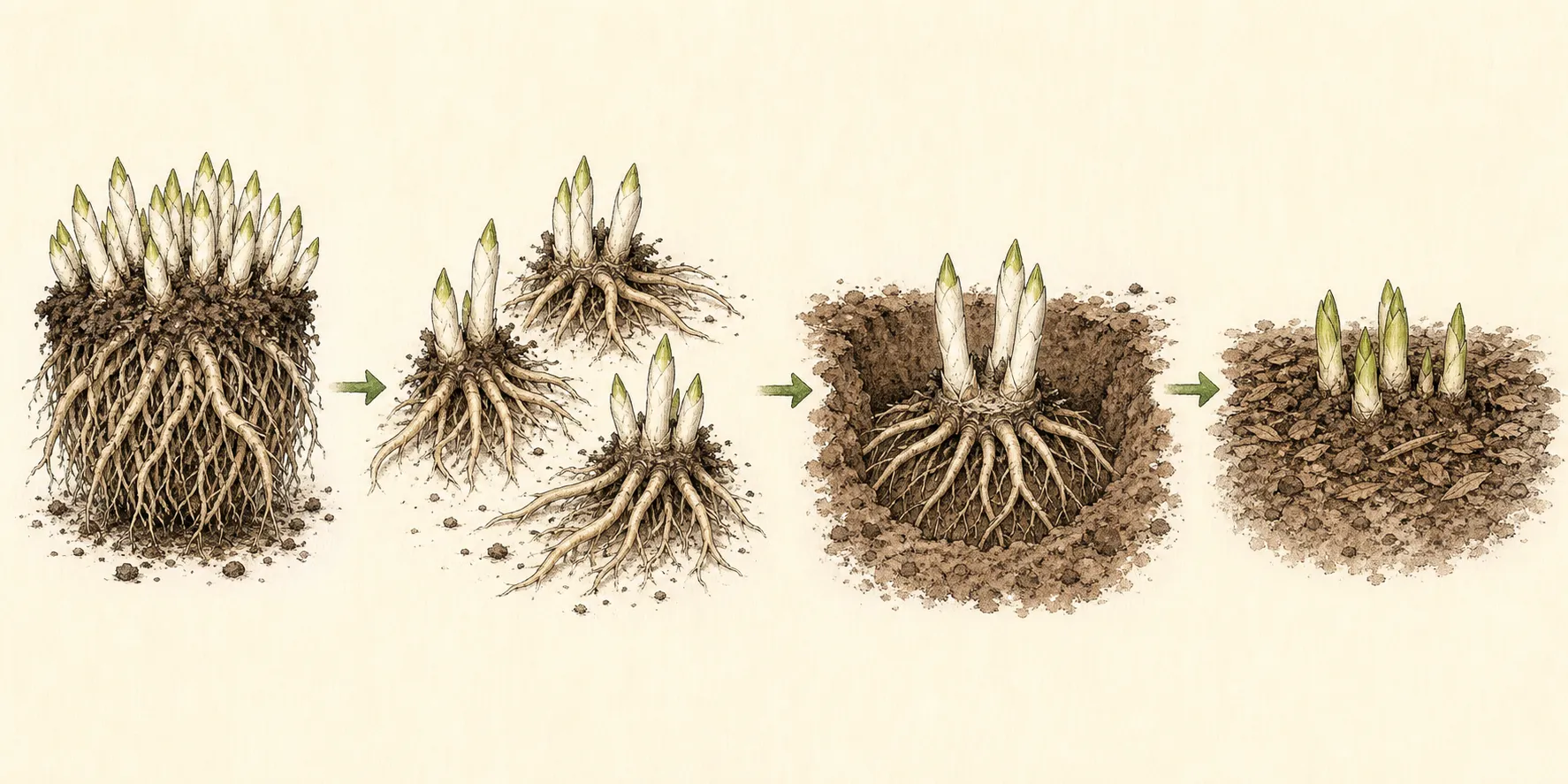
Divide Hostas While the Eyes Are Visible and Compact
Lift and divide a crowded hosta as spring eyes emerge, keeping viable buds, crown tissue, and roots together in every division.
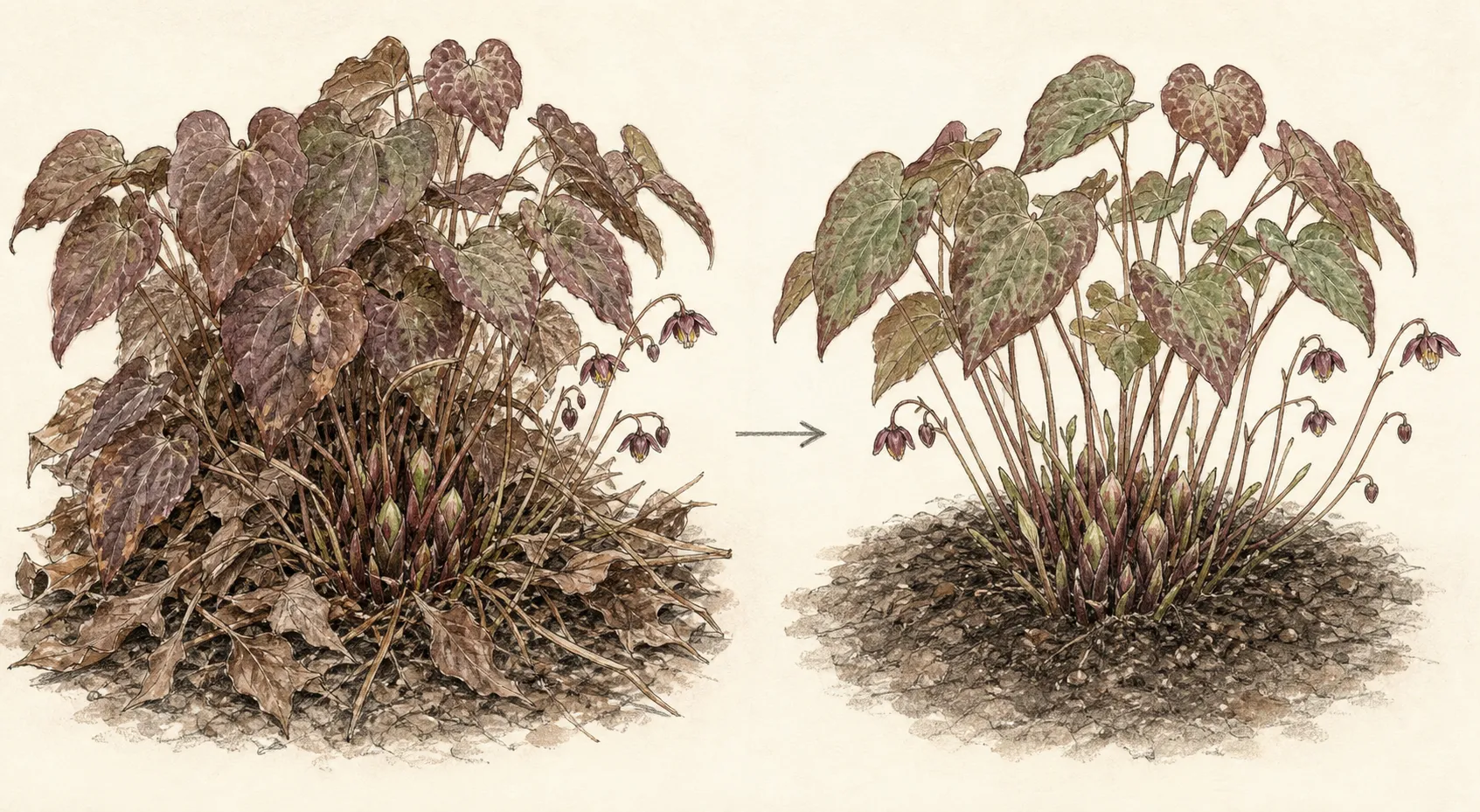
Cut Back Epimedium Before New Flowers Thread Through Old Leaves
Remove weathered evergreen epimedium foliage before flower stems rise, protecting the low crown and retaining any healthy new growth.
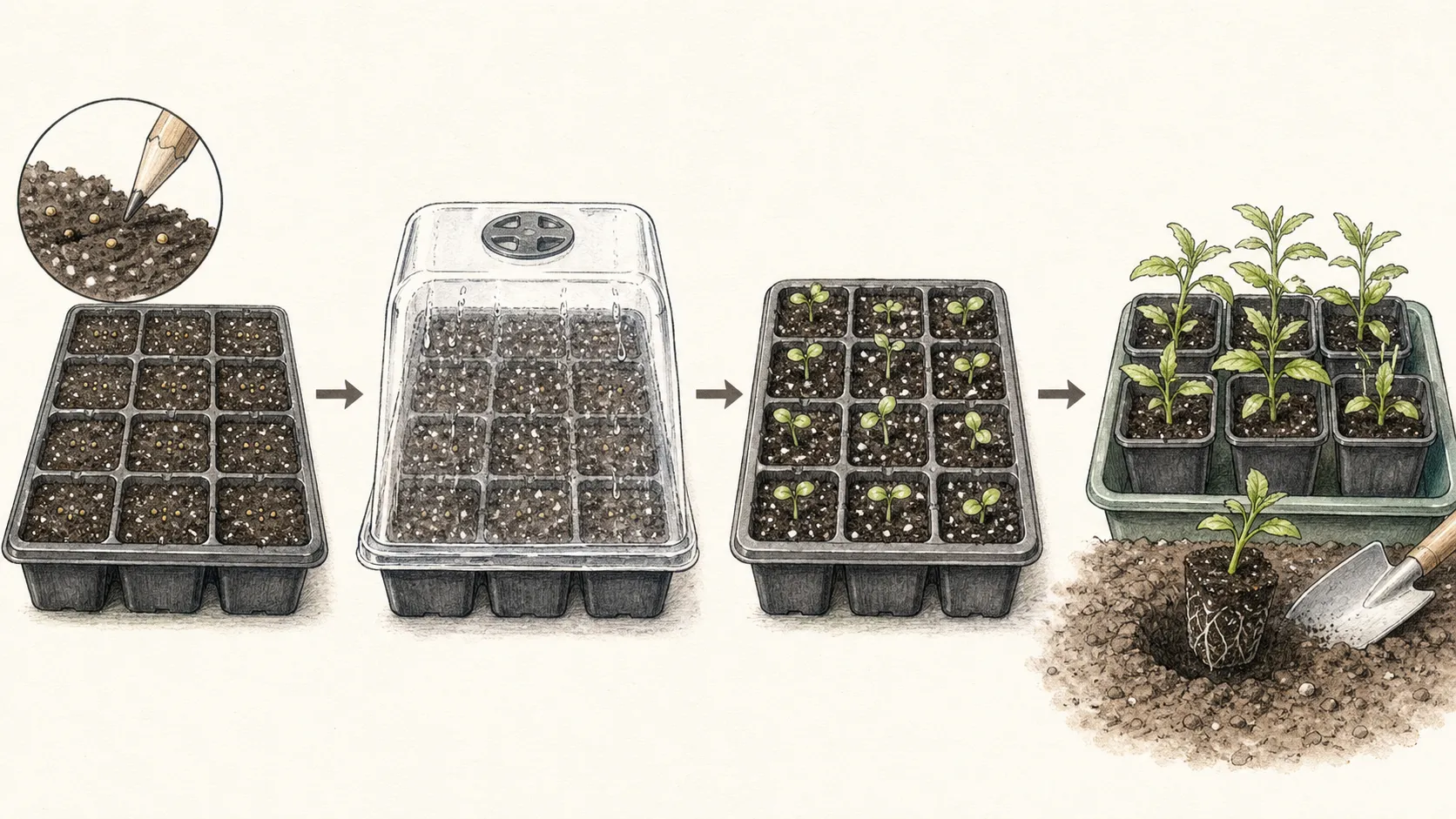
Start Snapdragons Indoors for Stocky Cool-Season Transplants
Surface-sow fine snapdragon seed, manage light and moisture precisely, and grow compact transplants for an early ornamental display.
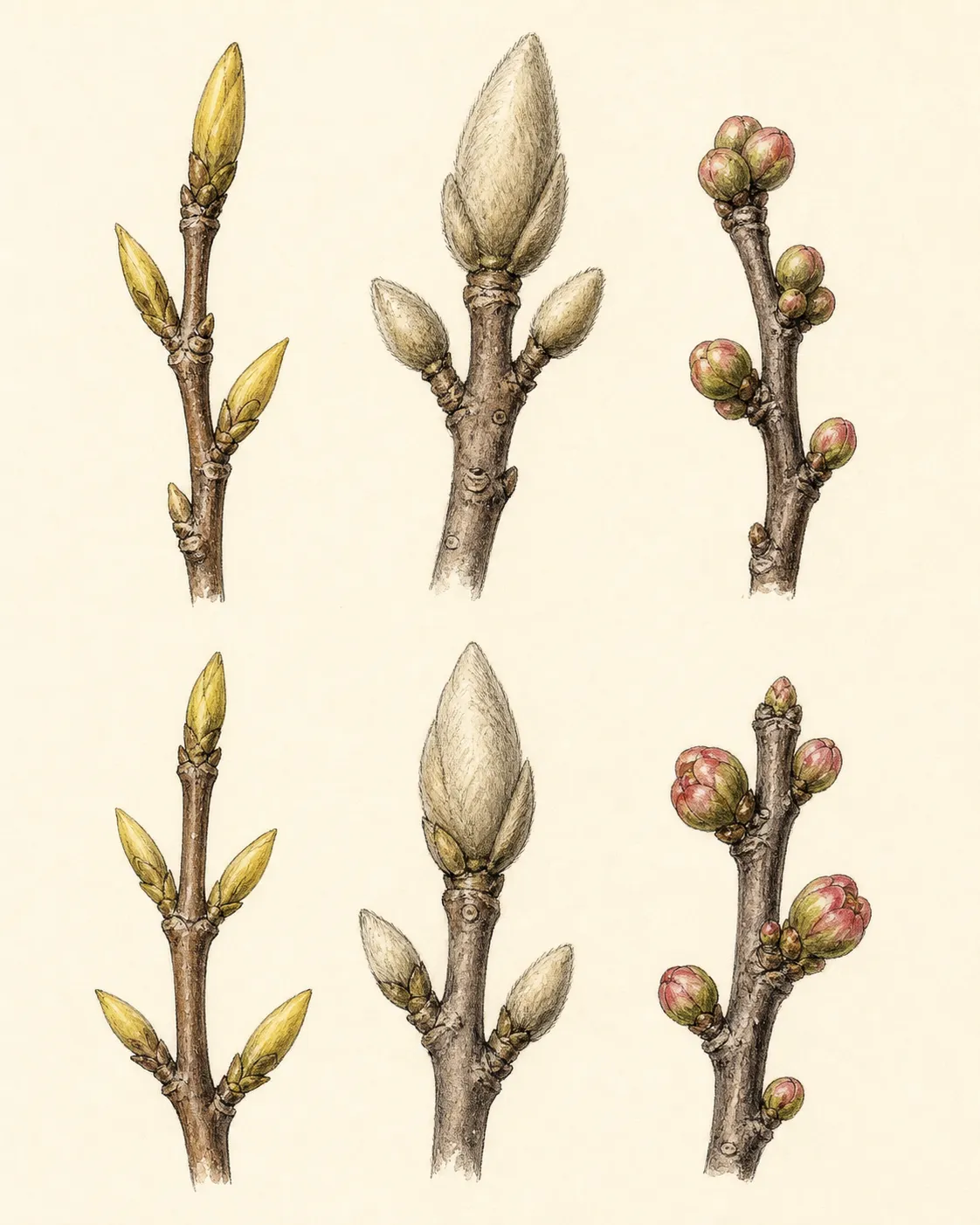
Force Spring-Flowering Branches Indoors from Swollen Buds
Cut a few well-placed branches after chilling, condition them gradually, and bring early spring flowers indoors without disfiguring the shrub.
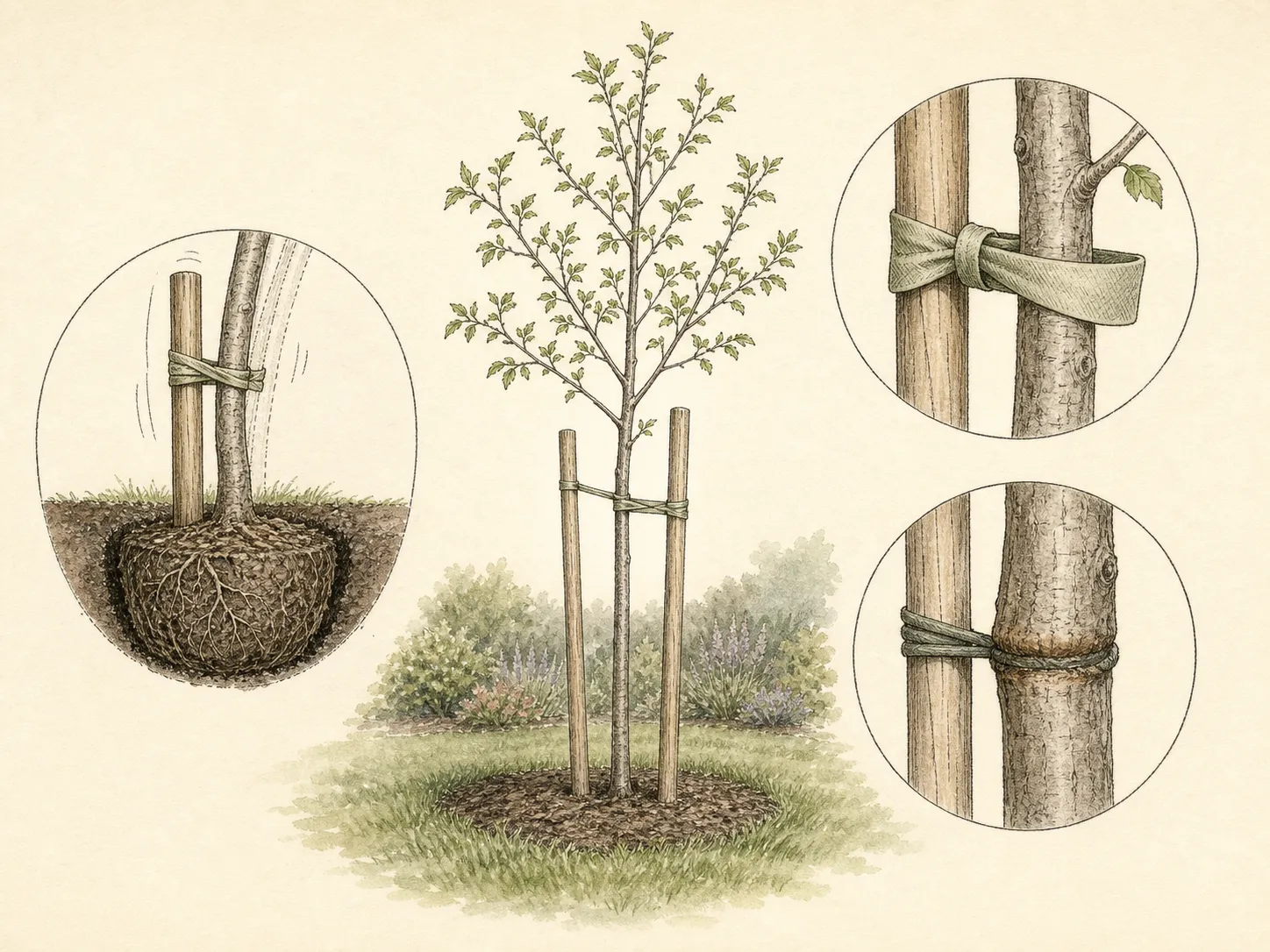
Reset Stakes and Ties Before They Damage a Young Tree
Inspect a young ornamental tree after winter, remove unnecessary support, and reset only the ties needed to keep the root ball stable.
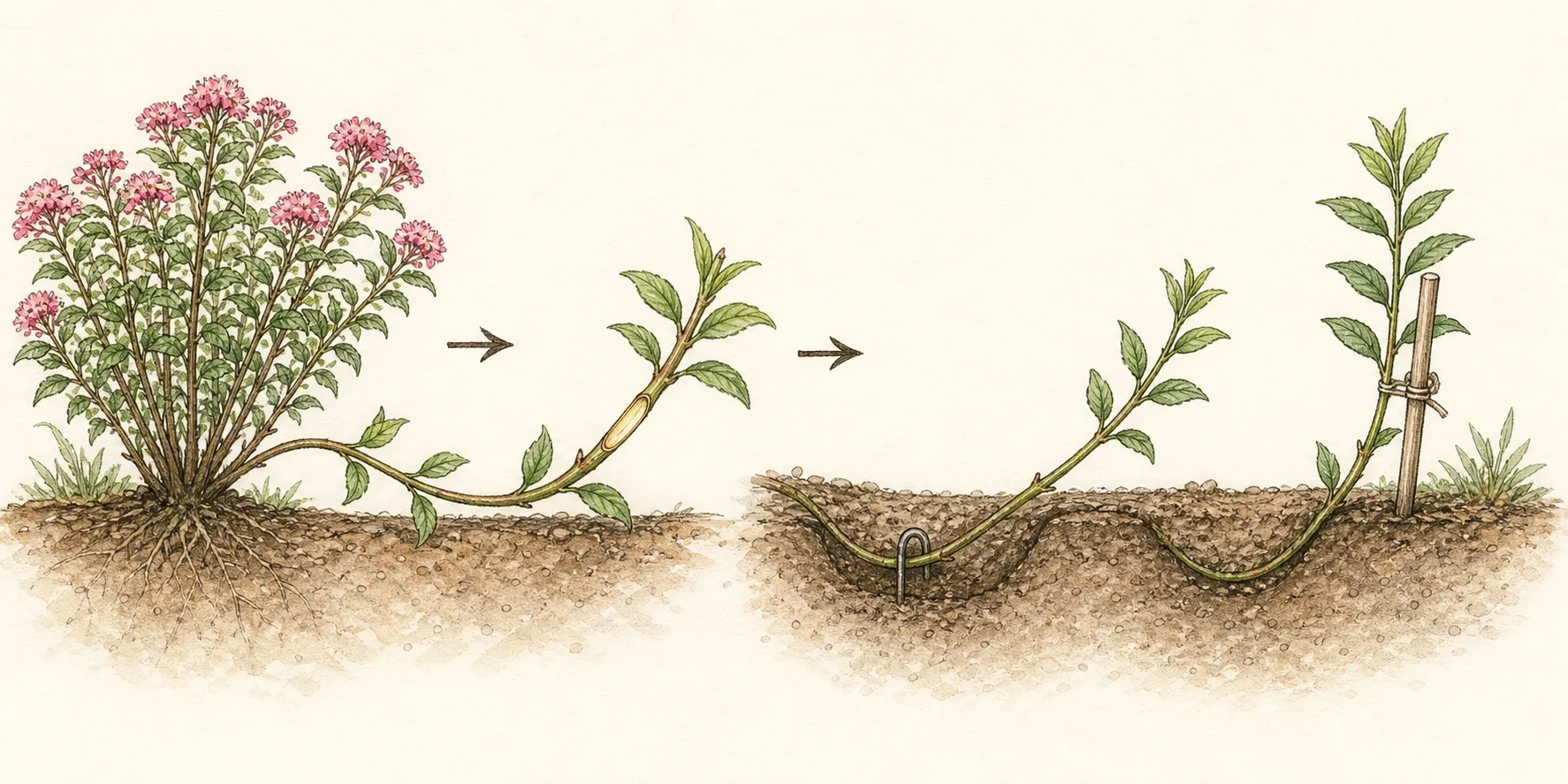
Propagate an Ornamental Shrub by Simple Layering
Root a flexible low stem while it remains attached to the parent shrub, then separate it only after a firm root system has formed.
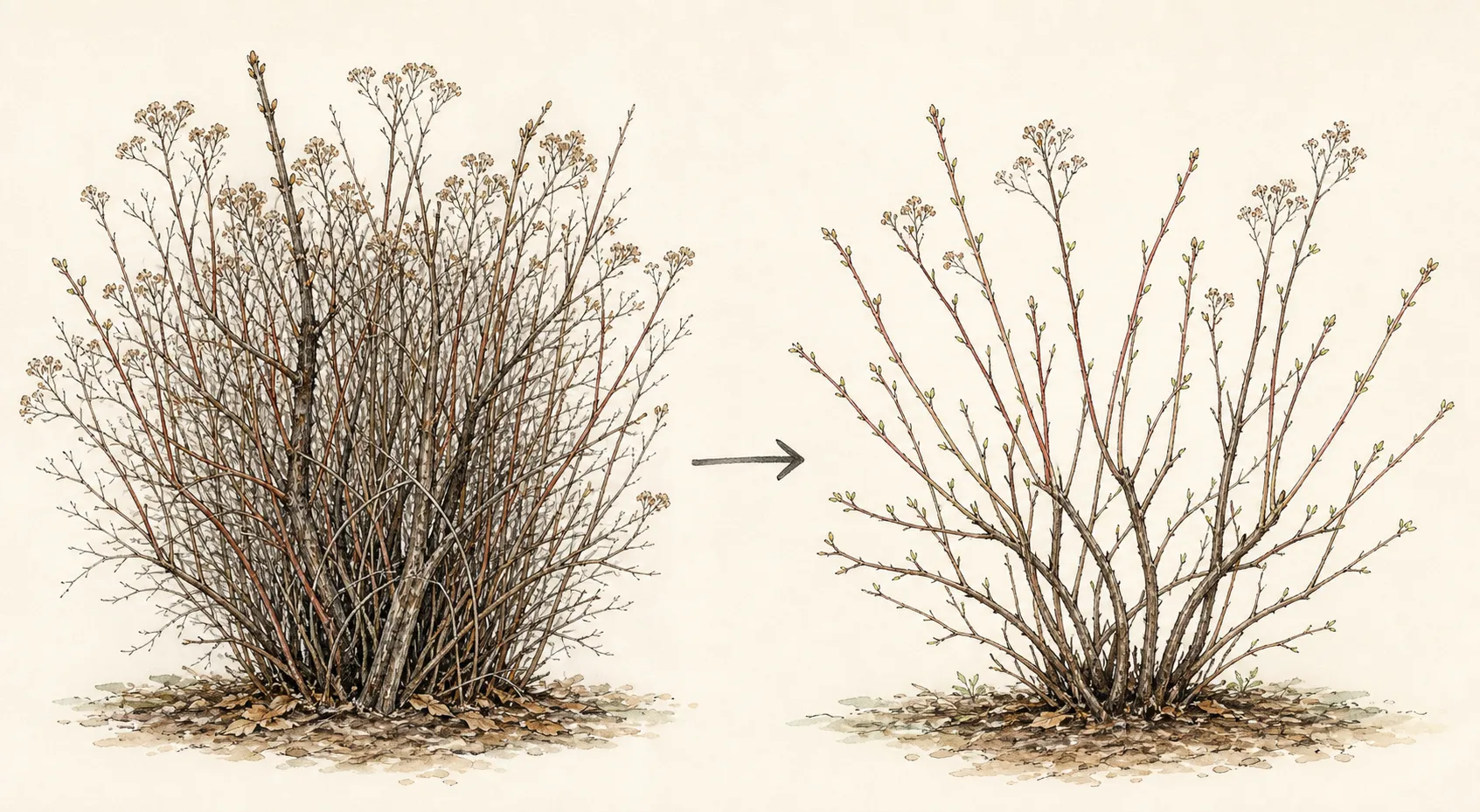
Prune Summer-Flowering Spirea Before New Growth Takes Over
Thin, shorten, or renew summer-flowering spirea in early spring according to stem age, shrub vigor, and the role it must fill.
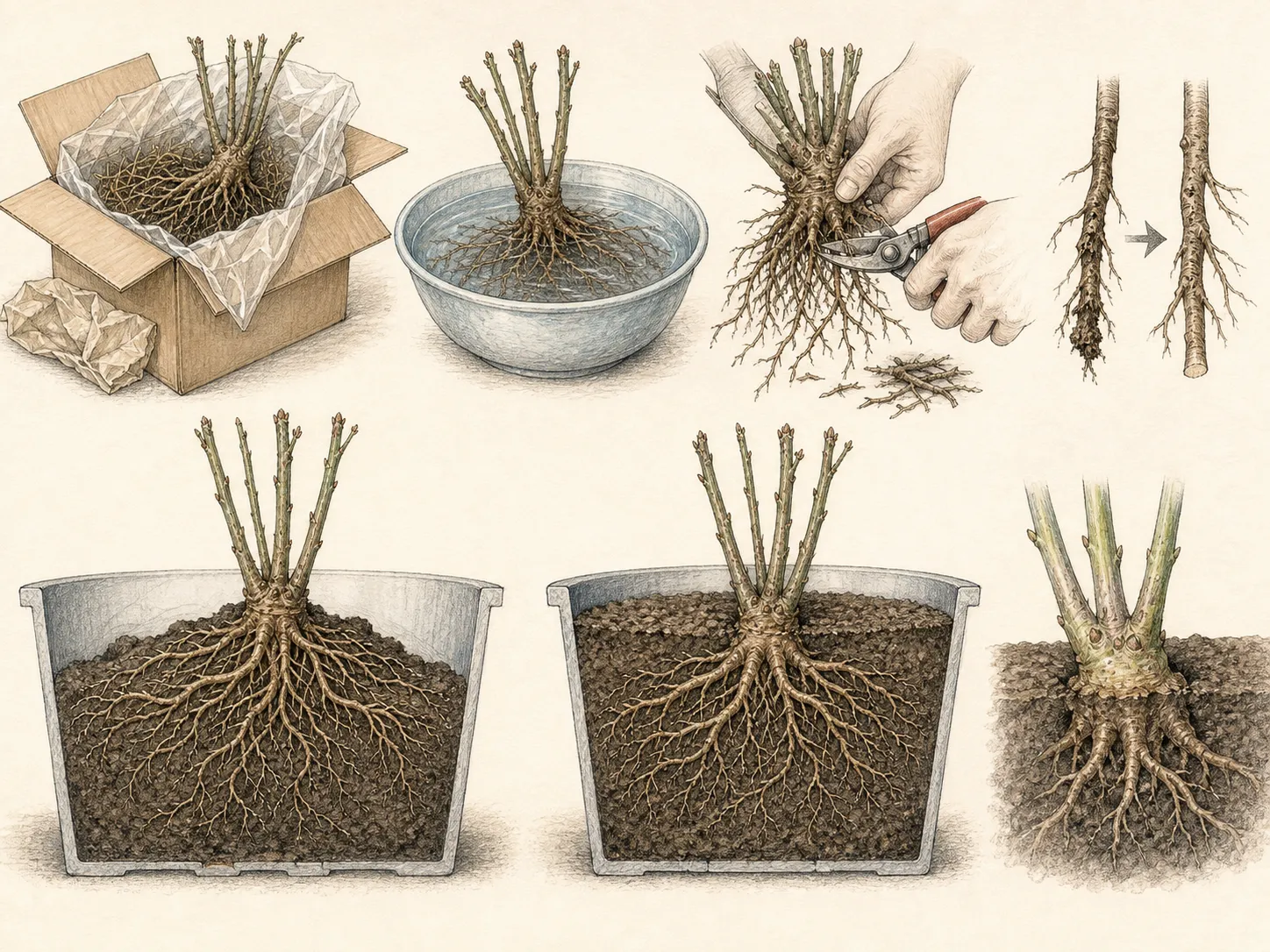
Pot Bare-Root Perennials When the Garden Soil Is Not Ready
Hold bare-root perennials in individual pots when beds are frozen or saturated, keeping crowns identifiable, roots spread, and growth cool.
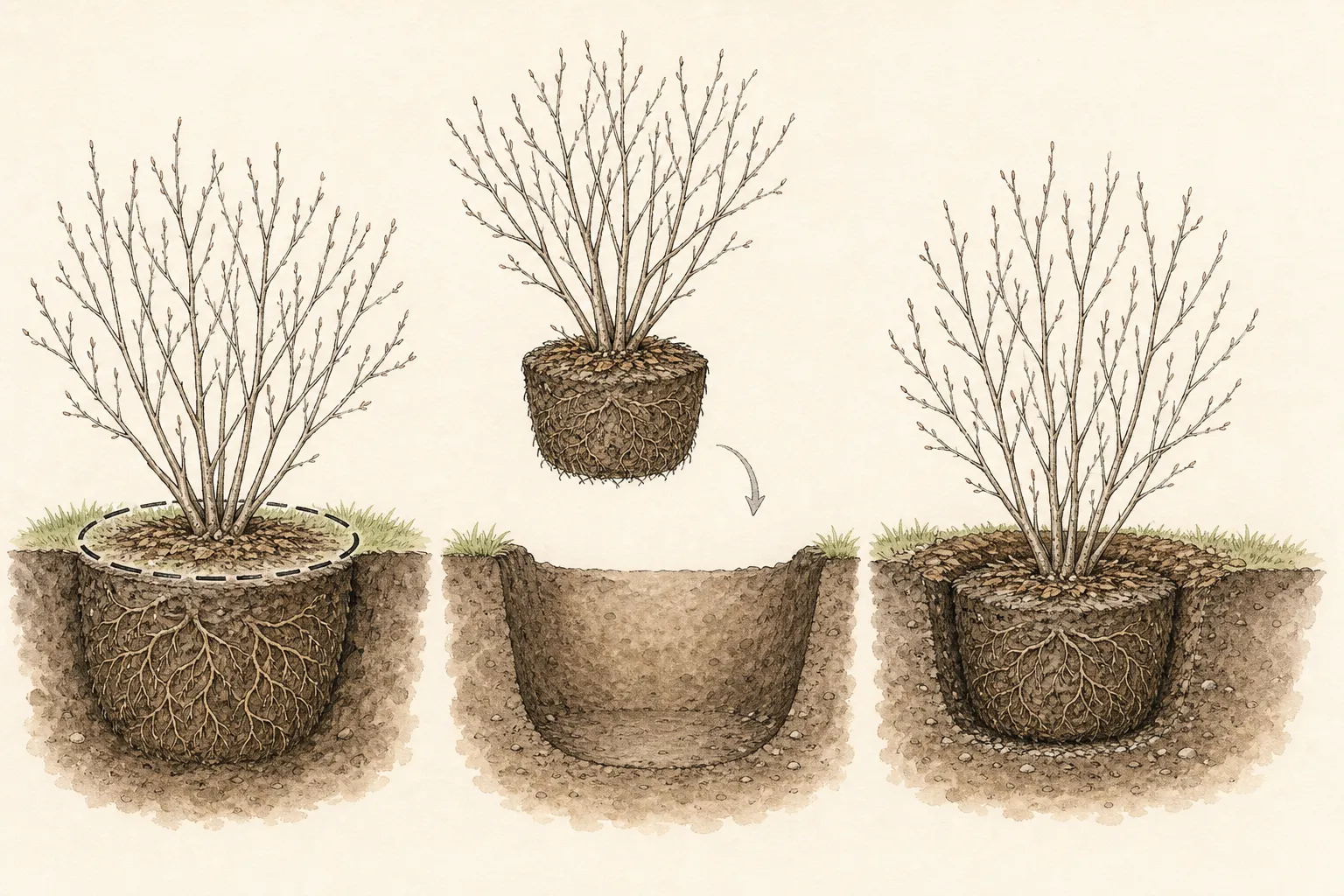
Move a Dormant Deciduous Shrub with Its Root System Intact
Plan, lift, and replant a dormant deciduous shrub while preserving a practical root ball, correct grade, and aftercare access.
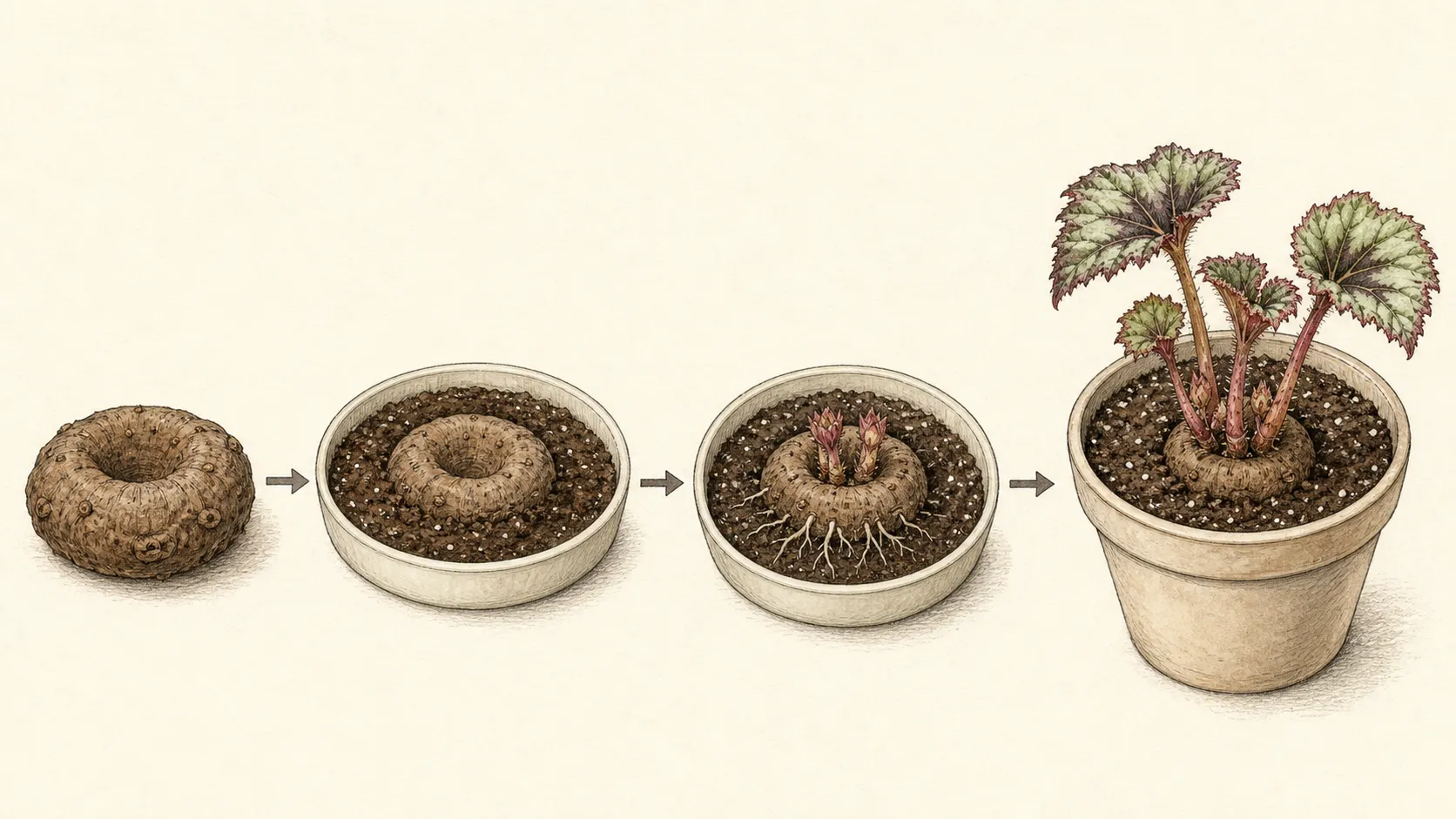
Start Tuberous Begonias Indoors Without Rotting the Tubers
Wake tuberous begonias in shallow, warm, lightly moist mix, then pot them on only after roots and shoots show steady growth.
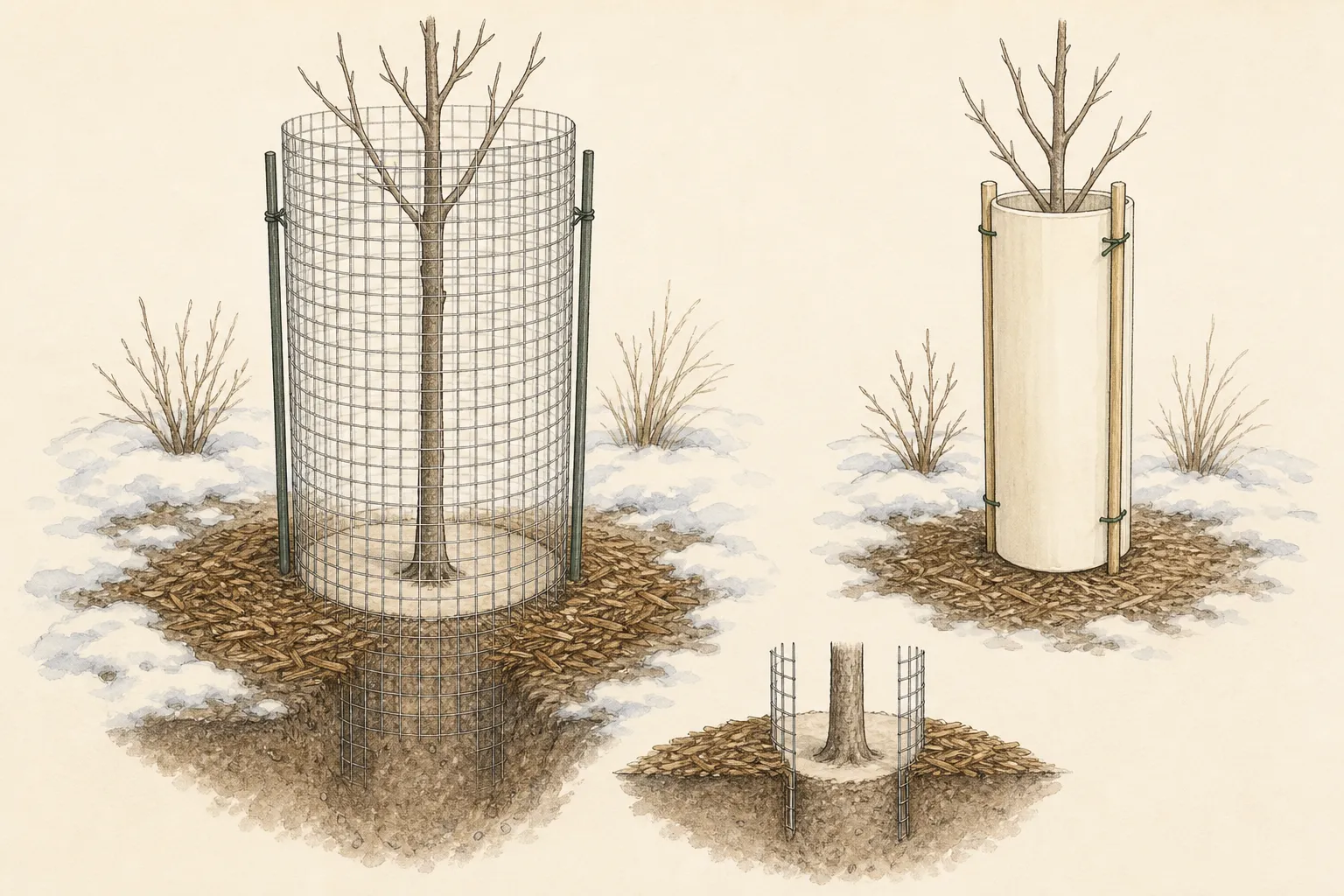
Protect Ornamental Tree Trunks from Winter Browse Without Hiding the Bark
Identify the animal and snow-line risk, then install a breathable stand-off guard that protects young ornamental bark while preserving inspection, root flare, and spring removal.
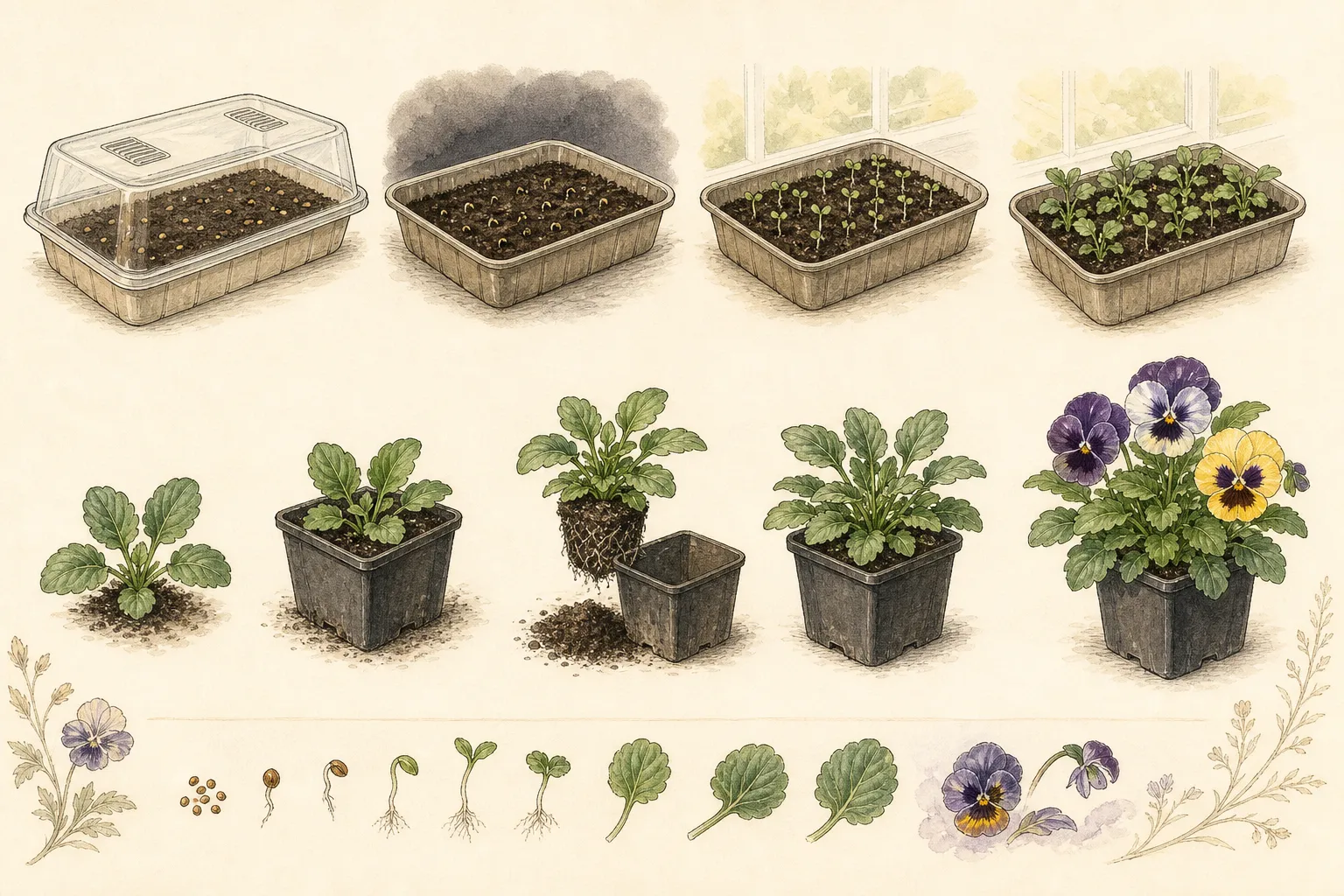
Start Pansies from Seed for a Cool-Season Garden Display
Plan backward from a locally useful cool-season planting window, then manage darkness, temperature, close light, roots, and acclimation for compact pansy transplants.
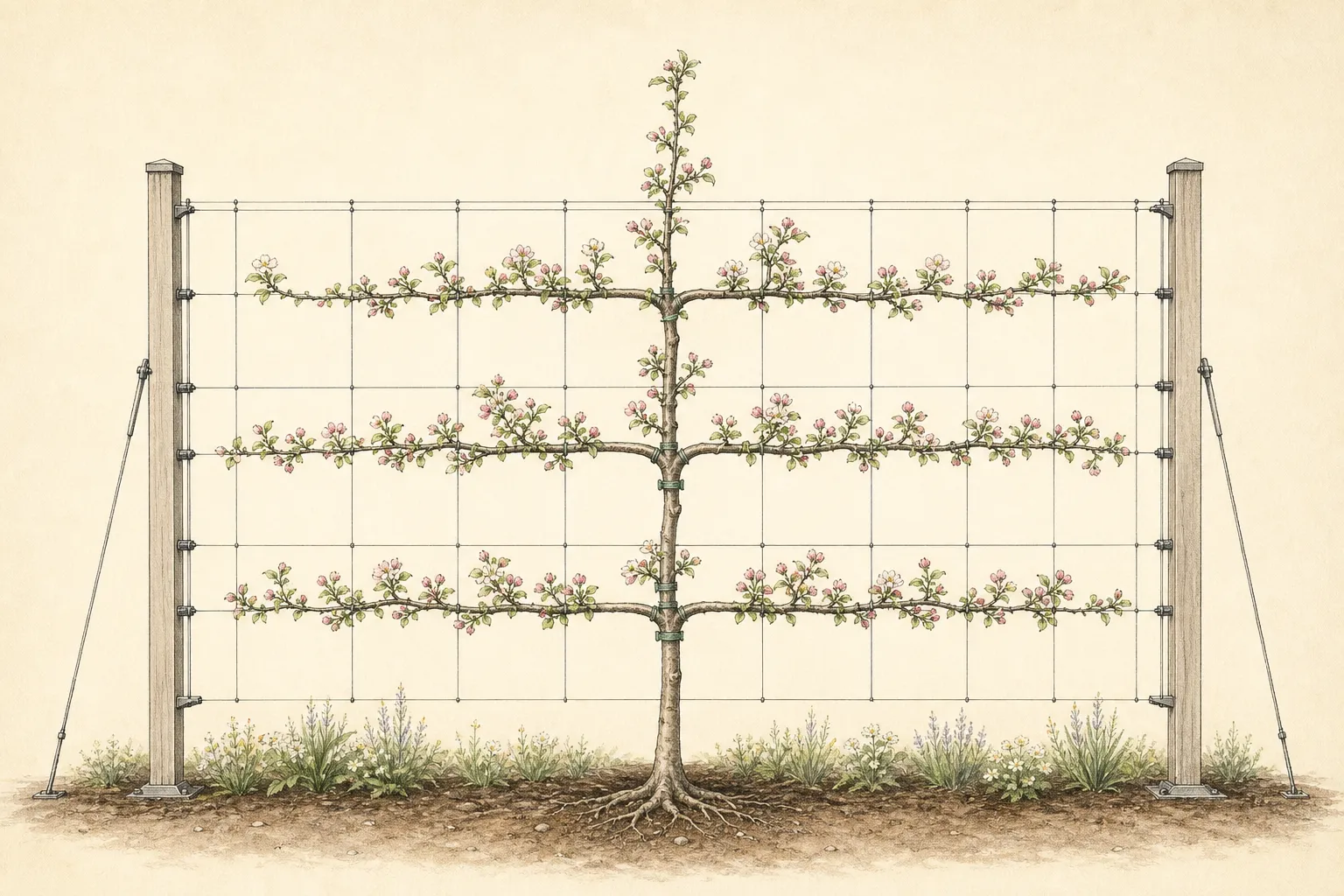
Train a Young Flowering Crabapple as an Espalier Framework
Select a suitable crabapple and support, establish horizontal tiers from well-placed buds and laterals, and preserve flowering spurs without forcing mature wood flat.
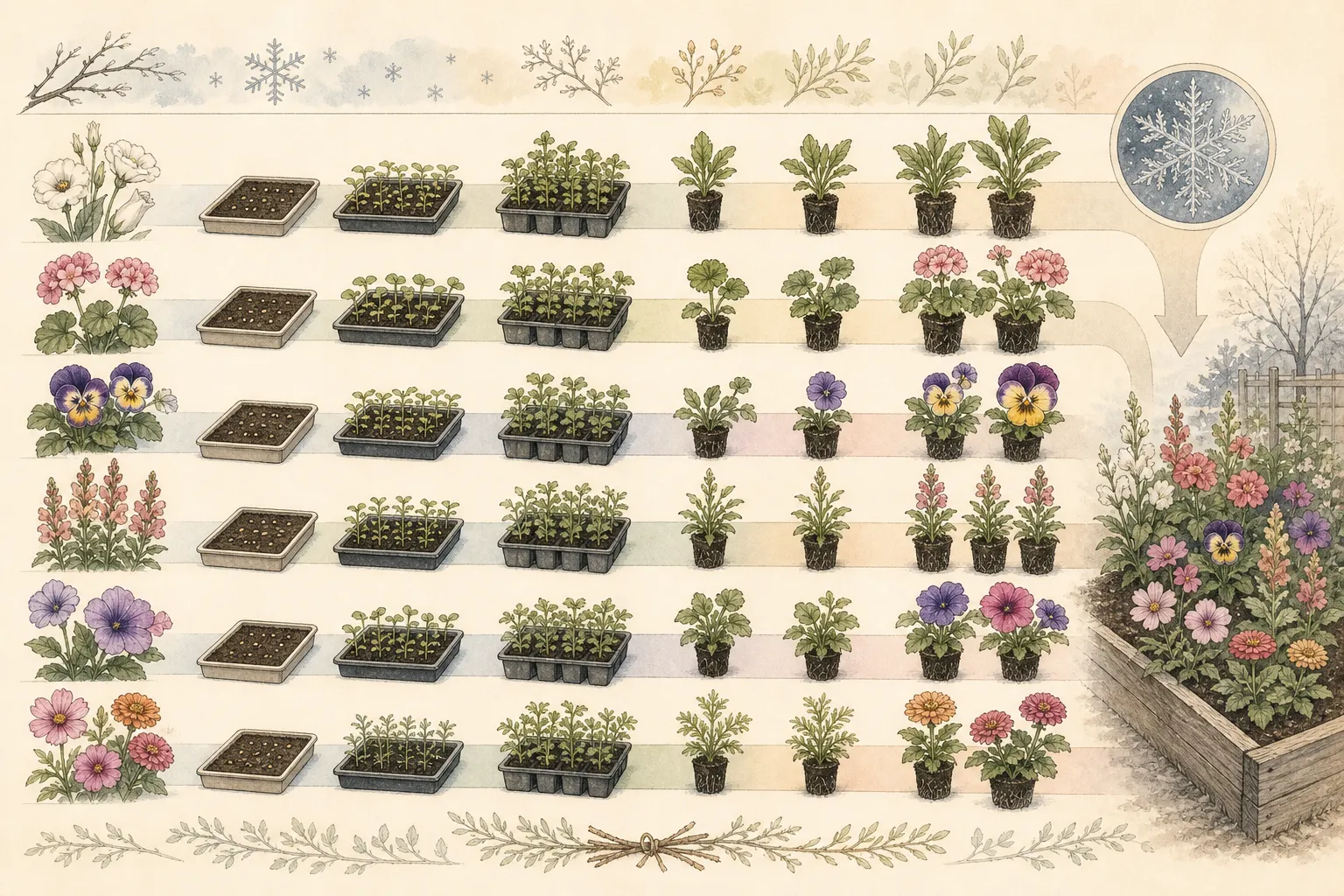
Build an Ornamental Flower-Seed Schedule from the Garden Date Backward
Coordinate pretreatment, germination, indoor growth, potting, hardening, and direct sowing for several ornamental flowers without overloading the propagation shelf.
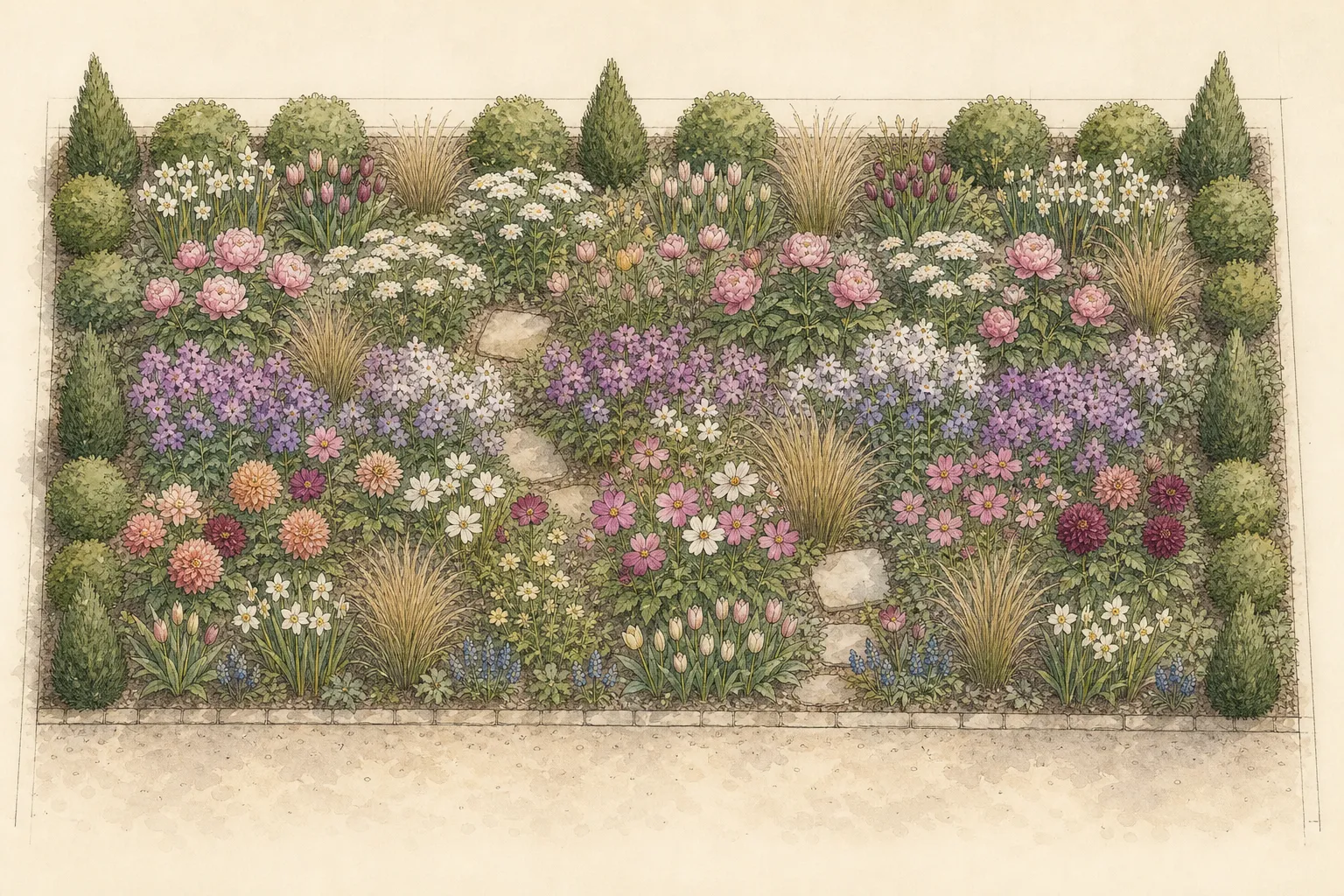
Plan an Ornamental Cut-Flower Border That Still Looks Like a Garden
Set a cutting quota, mature plant matrix, access route, bloom sequence, and harvest rules so flowers can enter the house without leaving a stripped production row.
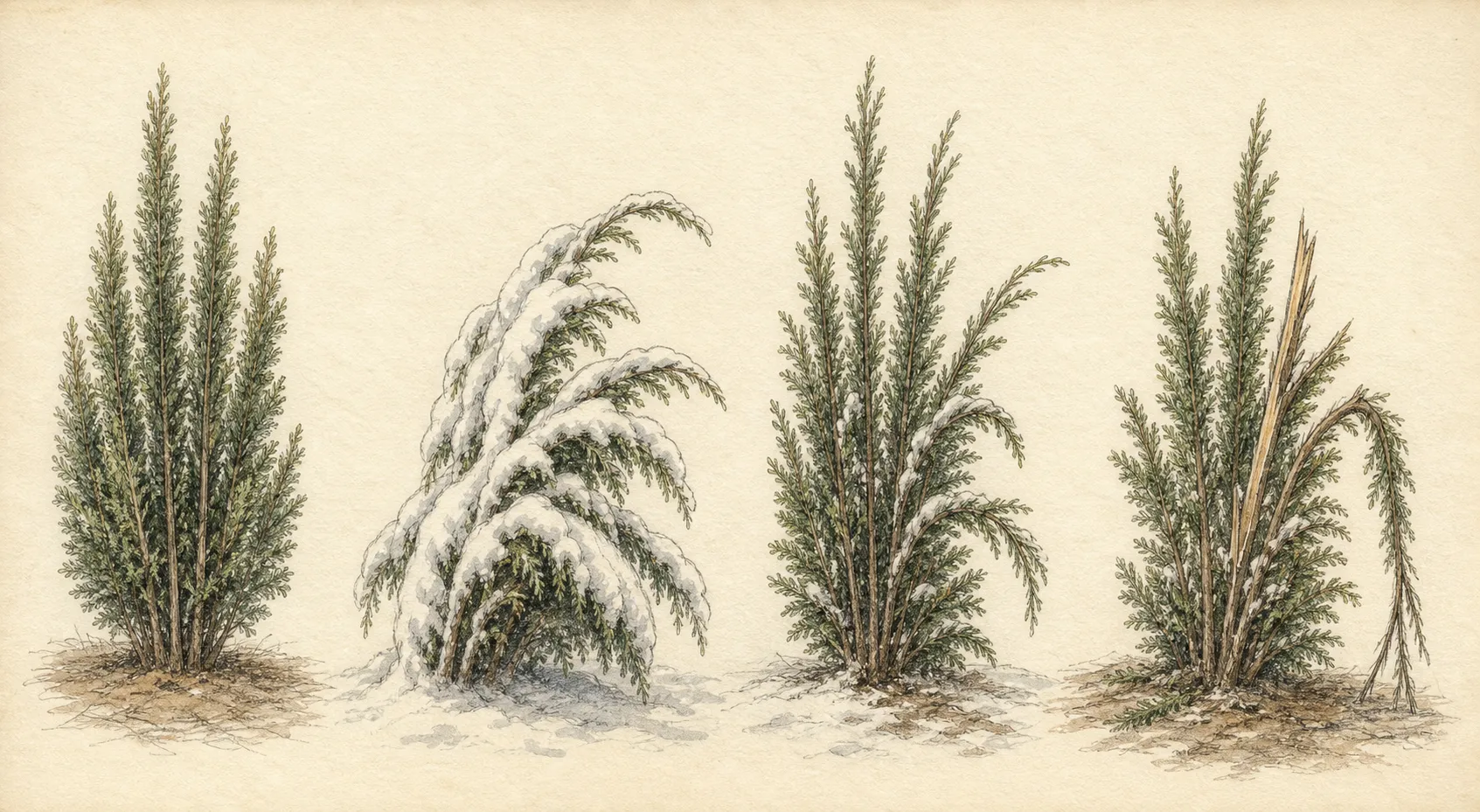
Recover a Snow-Splayed Evergreen Without Binding It into a Bundle
Wait for safe thaw, distinguish bent from broken stems, release snow correctly, make selective cuts, and support only branches that can recover their natural position.
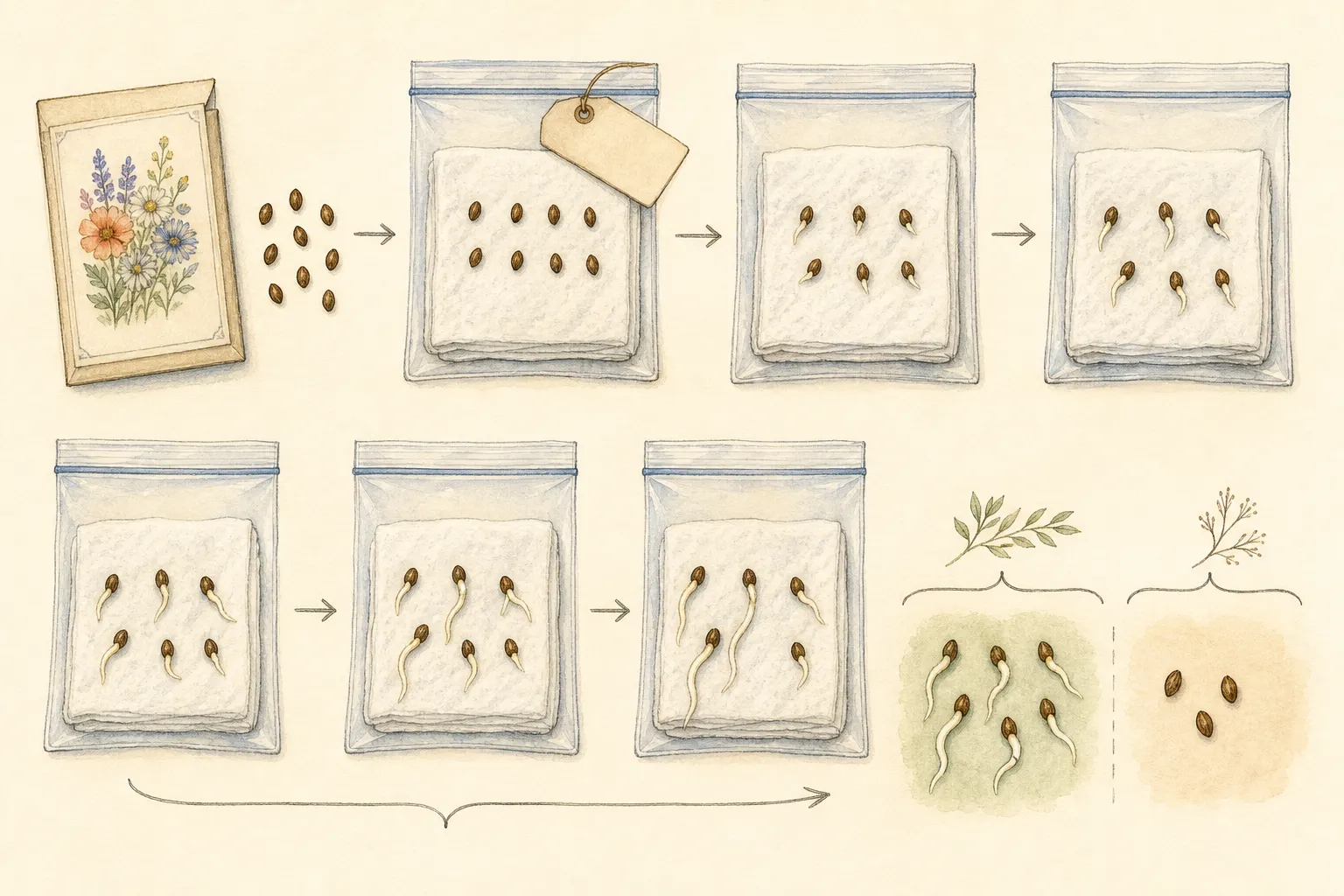
Test Leftover Flower Seed Before Giving It Bench Space
Run a small controlled germination test, distinguish viability from dormancy, and convert the result into a sowing decision without wasting rare ornamental seed.
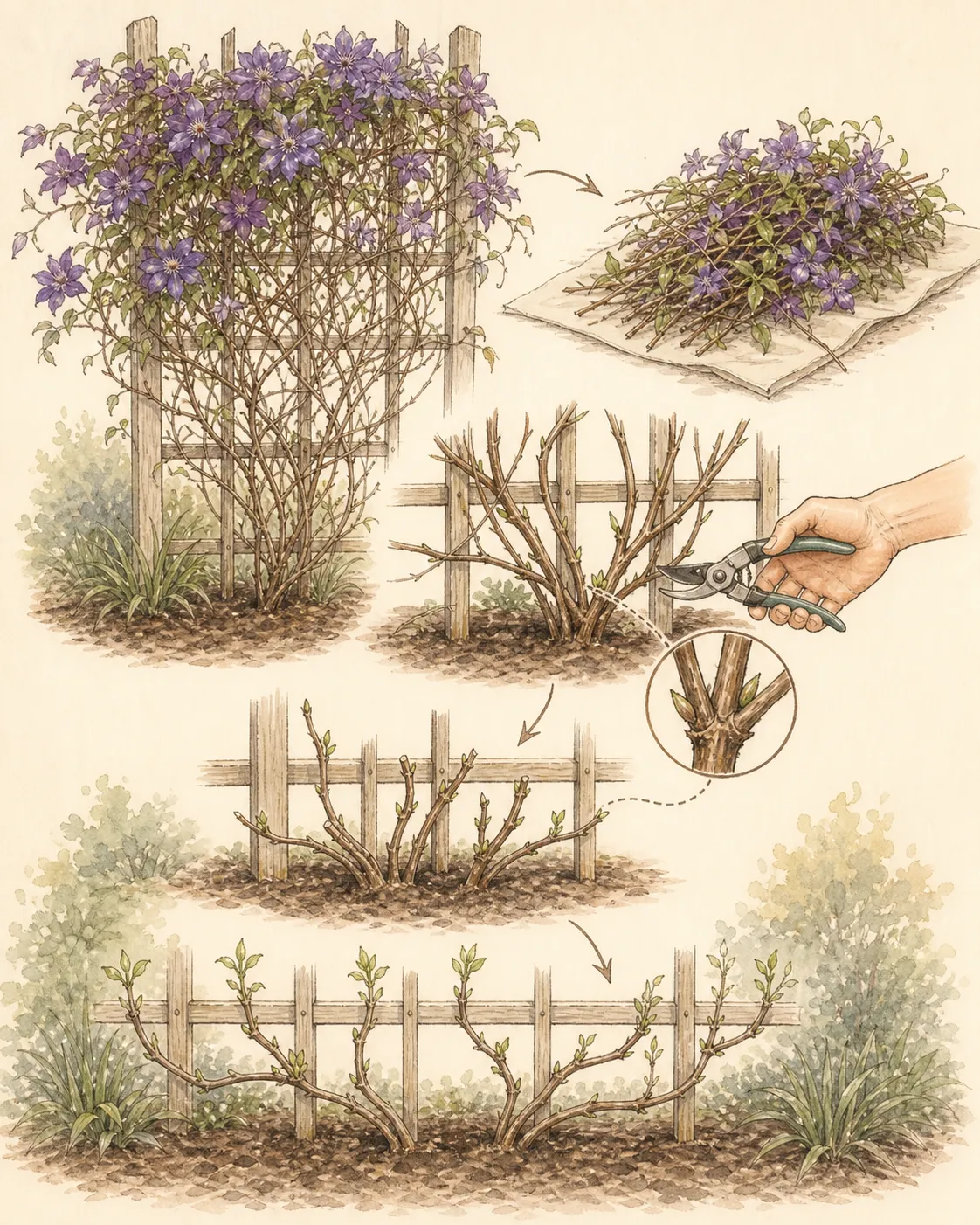
Prune Group 3 Clematis Before Spring Growth Becomes a Tangle
Confirm a late-flowering clematis belongs to pruning Group 3, then retain a low framework of sound buds and reconnect new shoots to a suitable support.
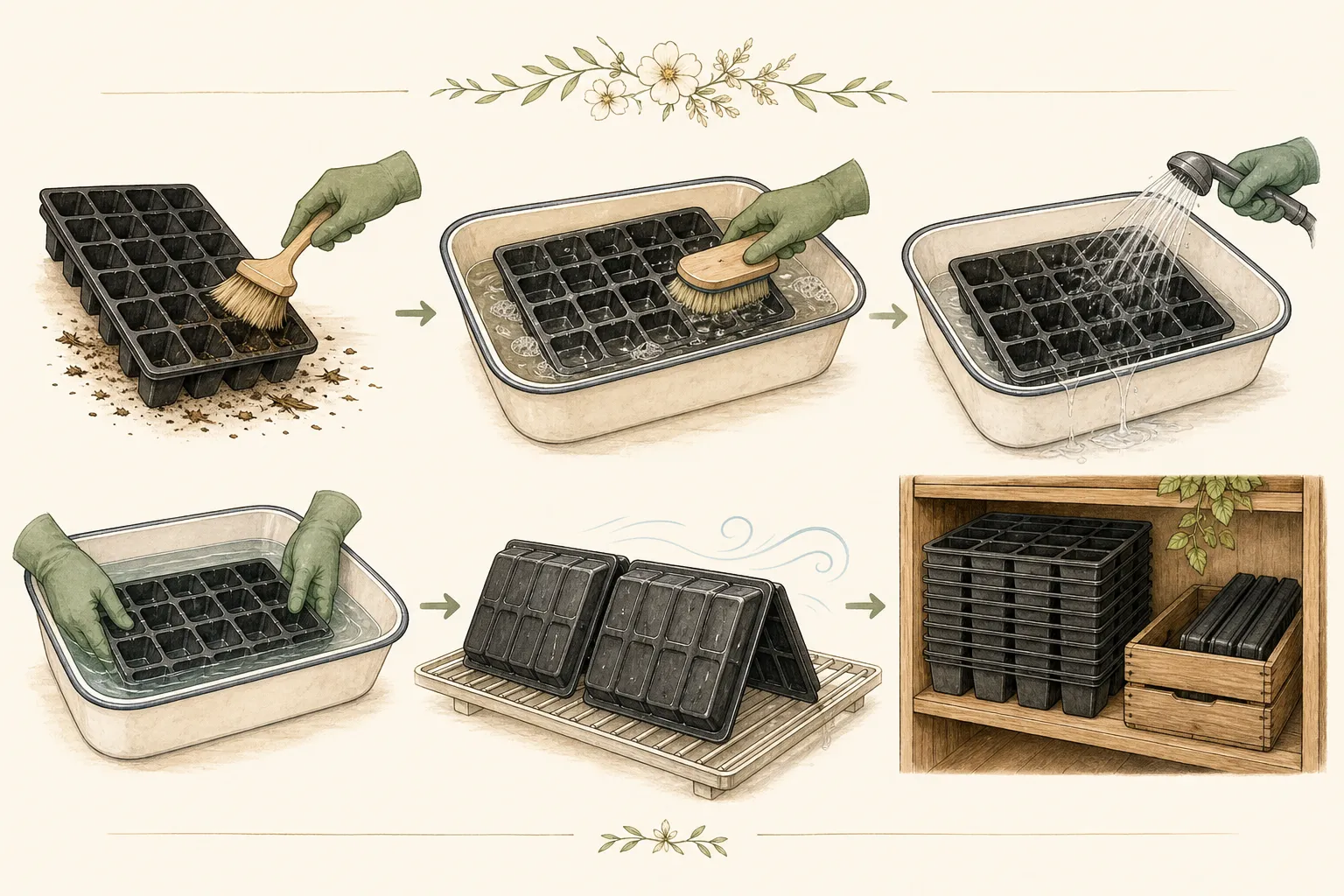
Clean Reused Seed Trays Before the Next Flower Sowing
Remove old roots and film, wash every cell and drain, then use a label-directed disinfecting step only when the tray material and crop history warrant it.
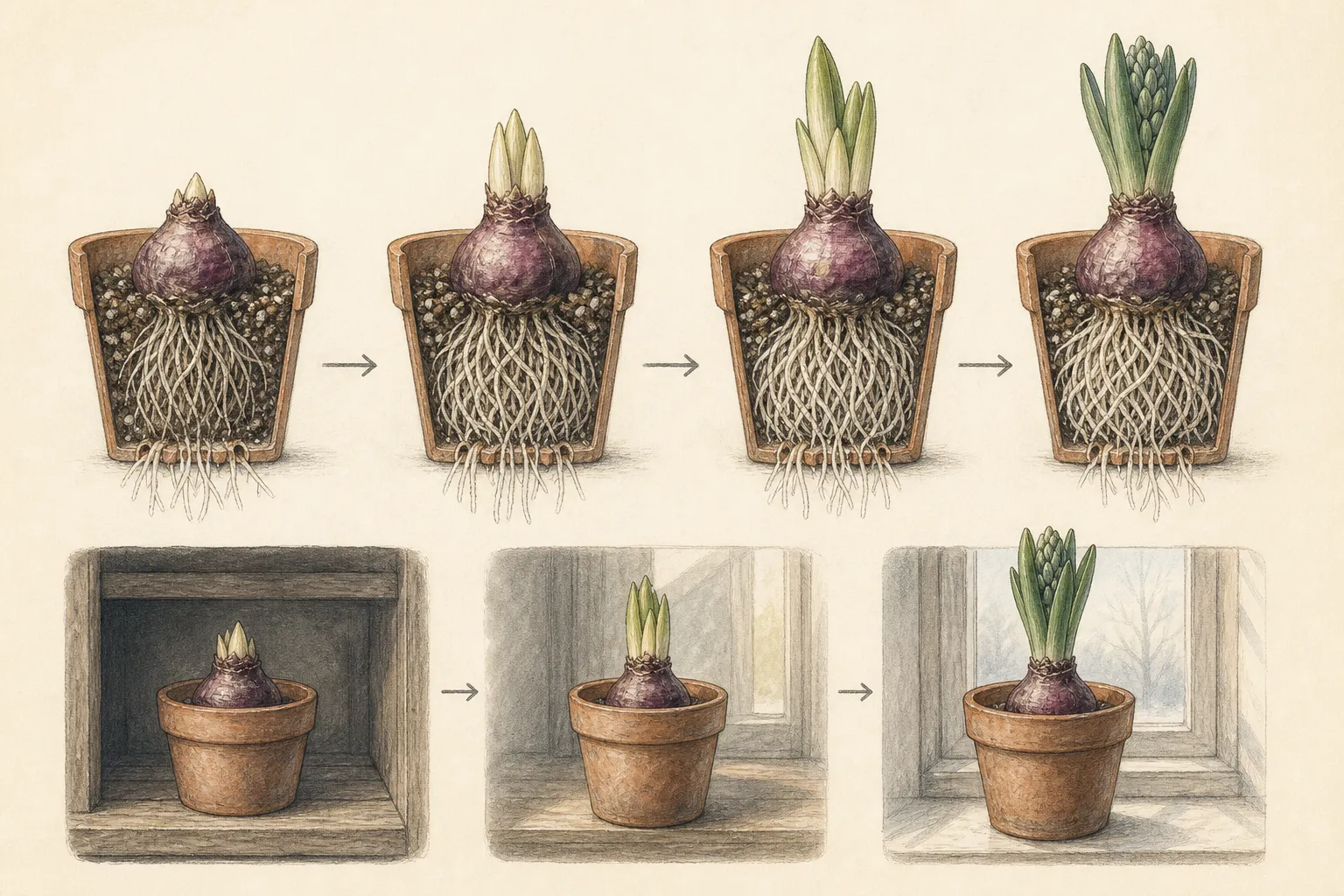
Bring Chilled Hyacinths into Bloom Without Rushing the Roots
Judge chilled hyacinths by root and shoot development, then stage light and temperature so flower stems open compactly rather than stretching or aborting.
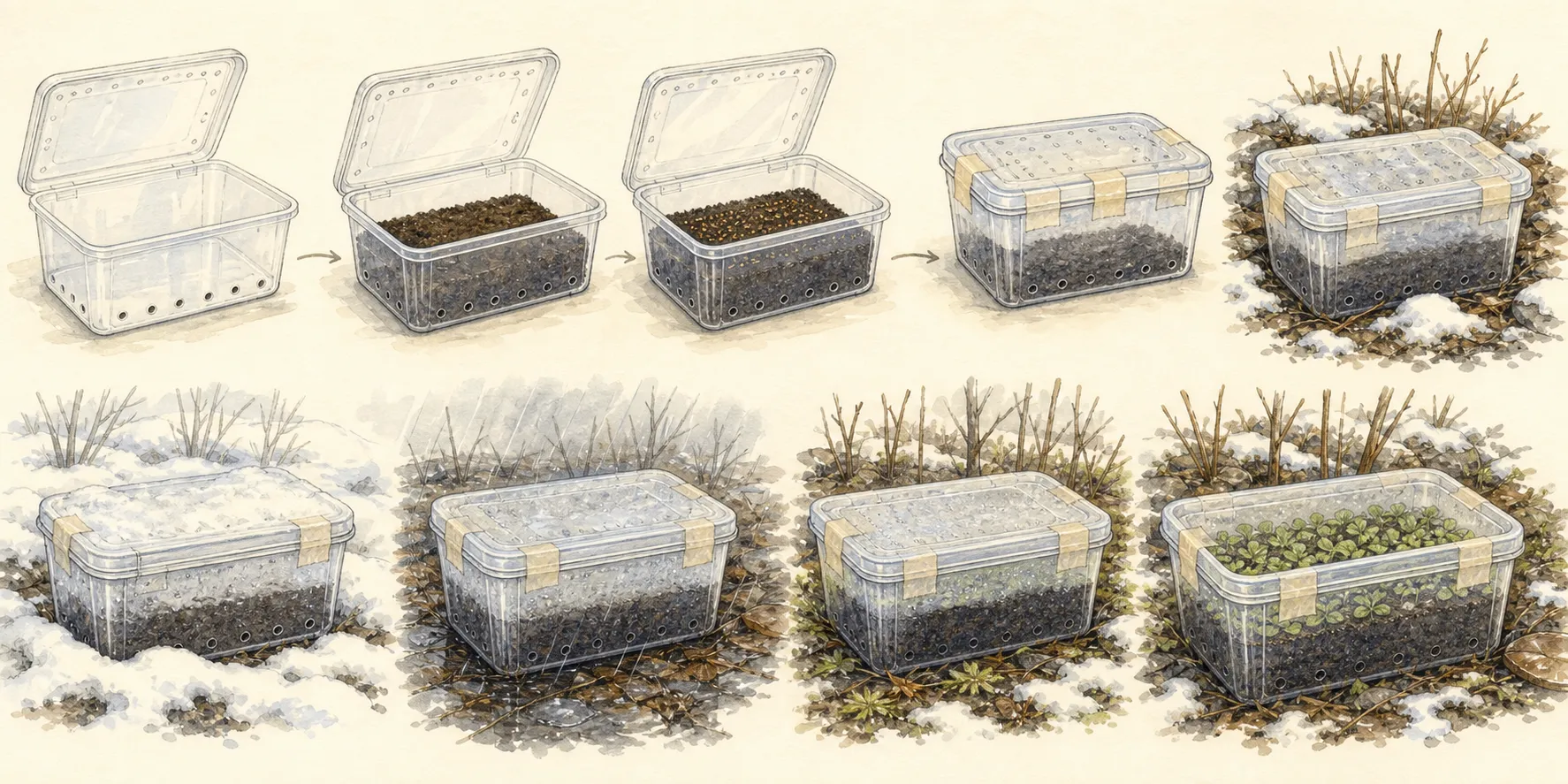
Winter-Sow Hardy Perennials Without Turning a Jug into a Greenhouse
Use ventilated outdoor containers as protected seedbeds for suitable hardy ornamentals, with species-specific pretreatment, drainage, weather exposure, and spring aftercare.
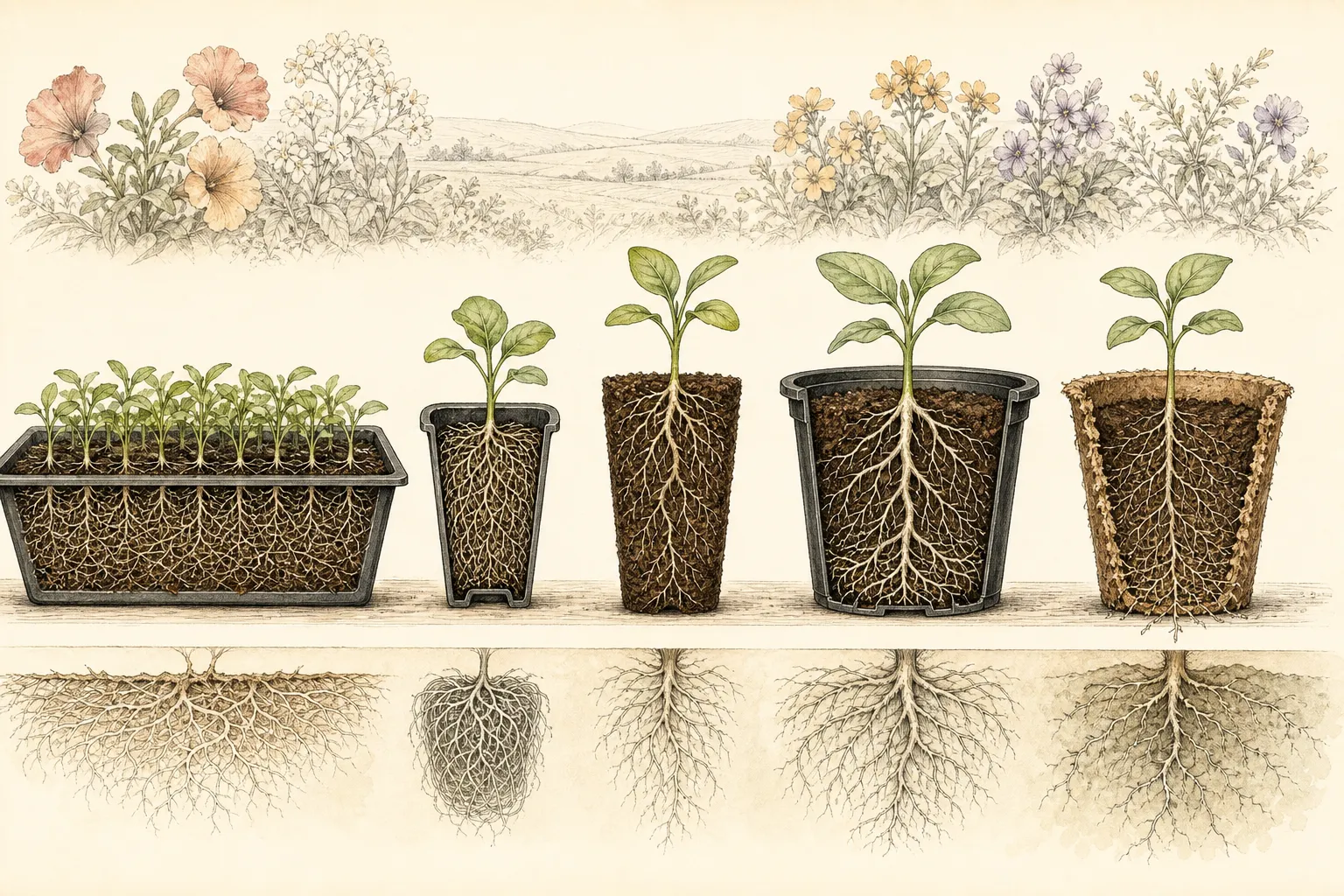
Choose Seedling Containers by Root Habit, Not Convenience
Match cell depth, volume, drainage, and transplant timing to the roots and growth rate of ornamental seedlings instead of using one tray for every flower.
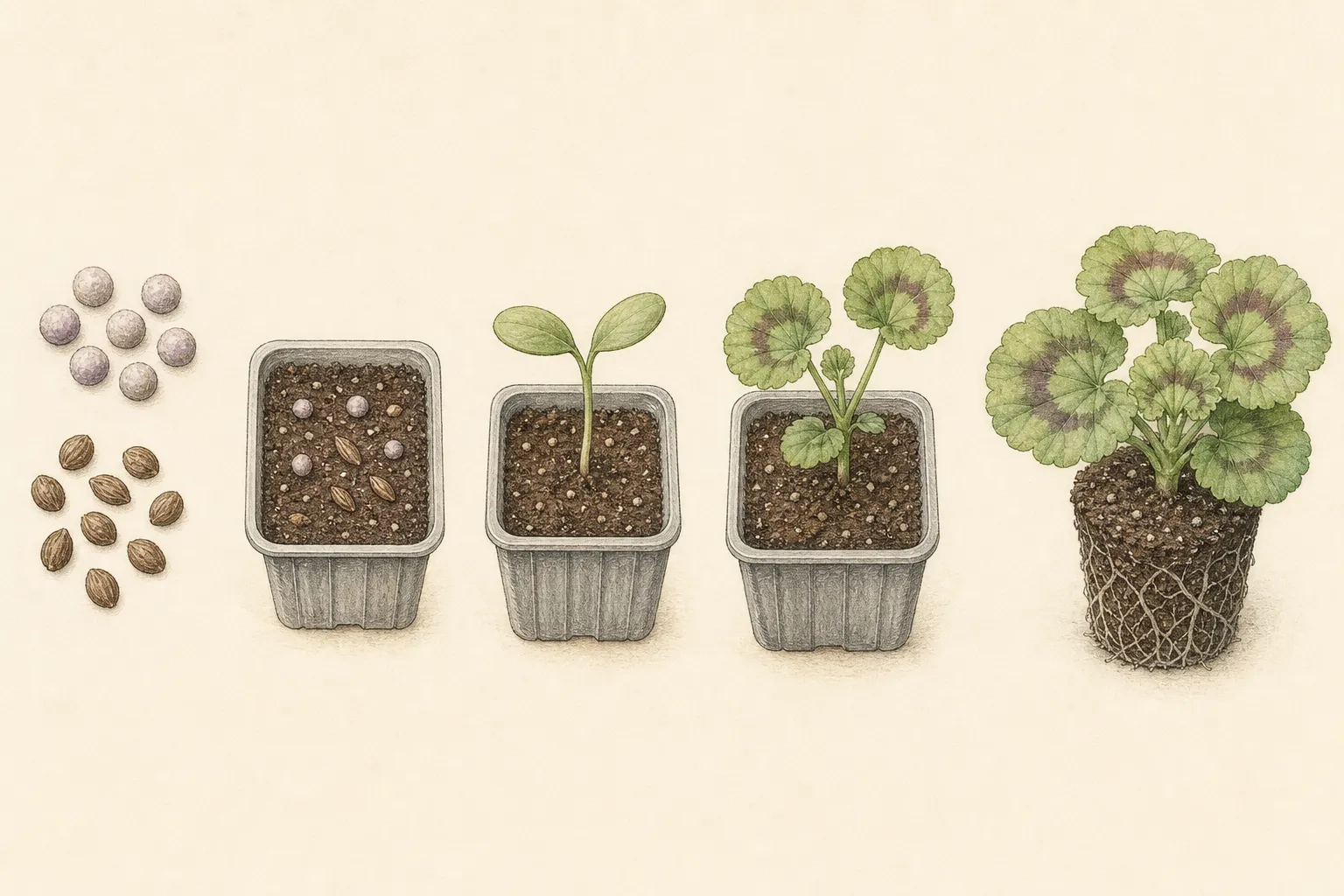
Start Zonal Geraniums from Seed for Compact Garden Plants
Sow seed-grown Pelargonium early enough for summer flowers, then manage warmth, light, moisture, roots, and potting space without stretching the plants.
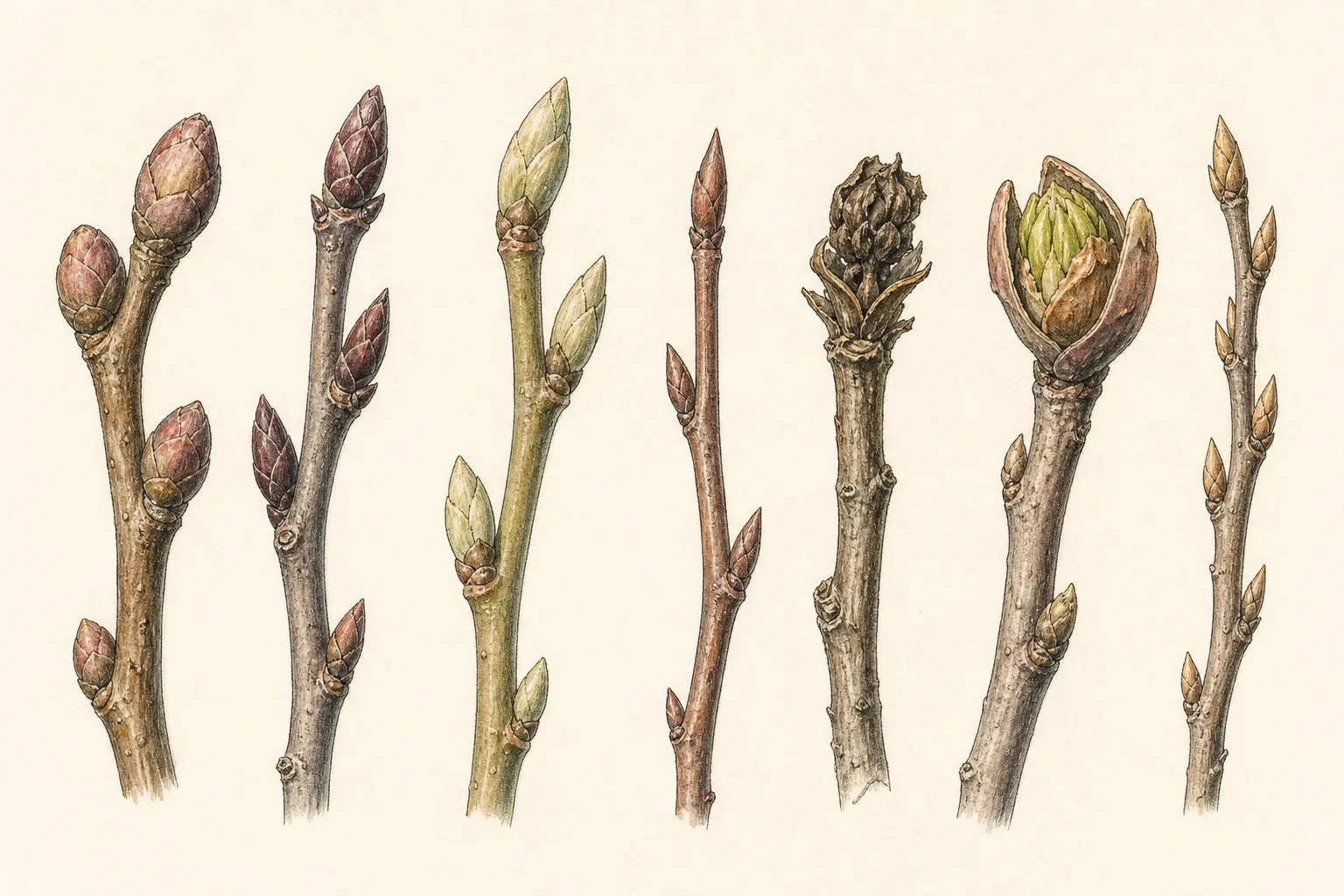
Read Dormant Buds Before Pruning an Ornamental Shrub
Use bud shape, twig condition, flowering wood, weather, and plant identity to decide what can be cut before growth resumes.
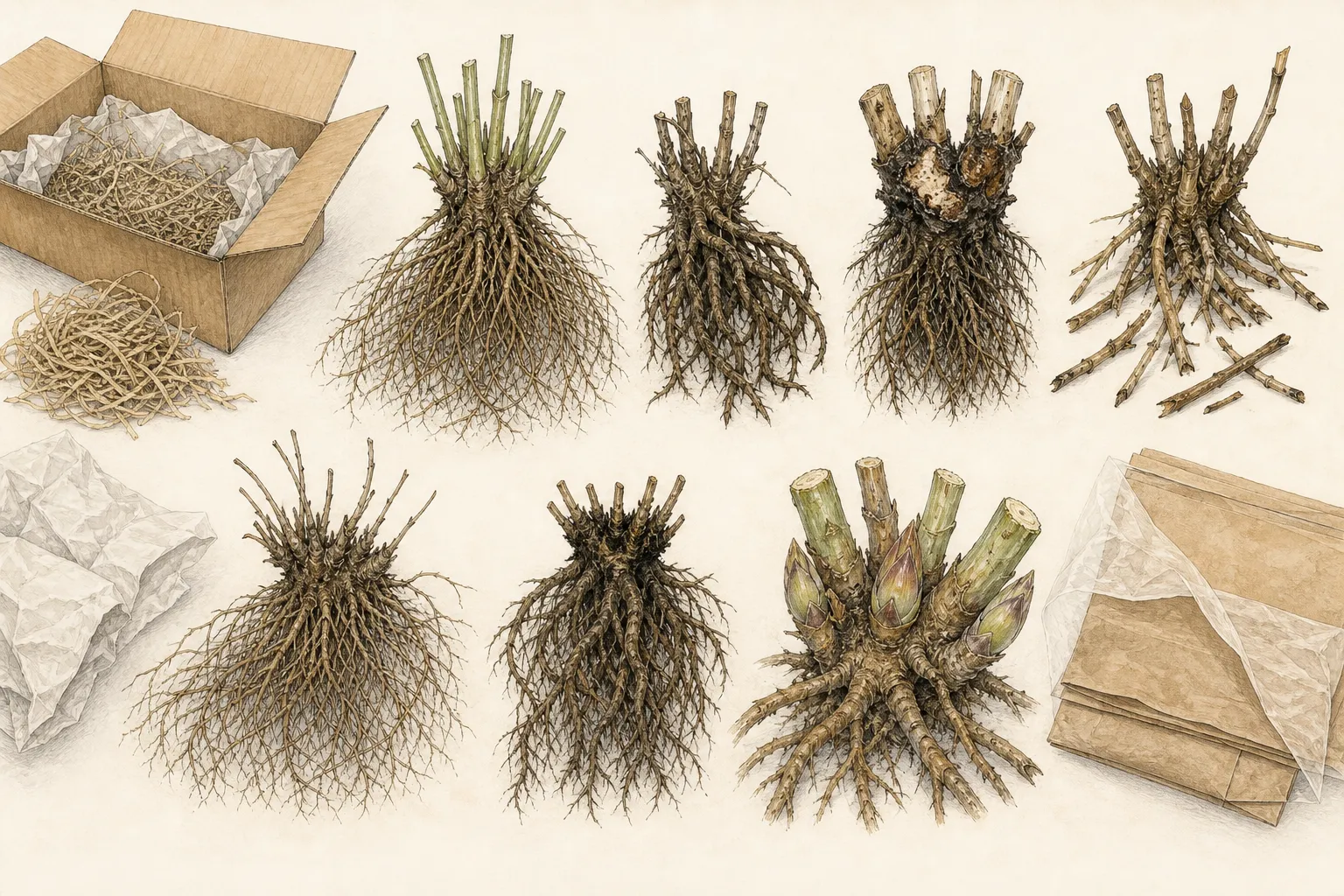
Inspect Bare-Root Perennials on Arrival Before Potting or Planting
Open, identify, and triage dormant bare-root ornamental perennials by crown, roots, buds, moisture, odor, temperature history, and the conditions waiting outside.
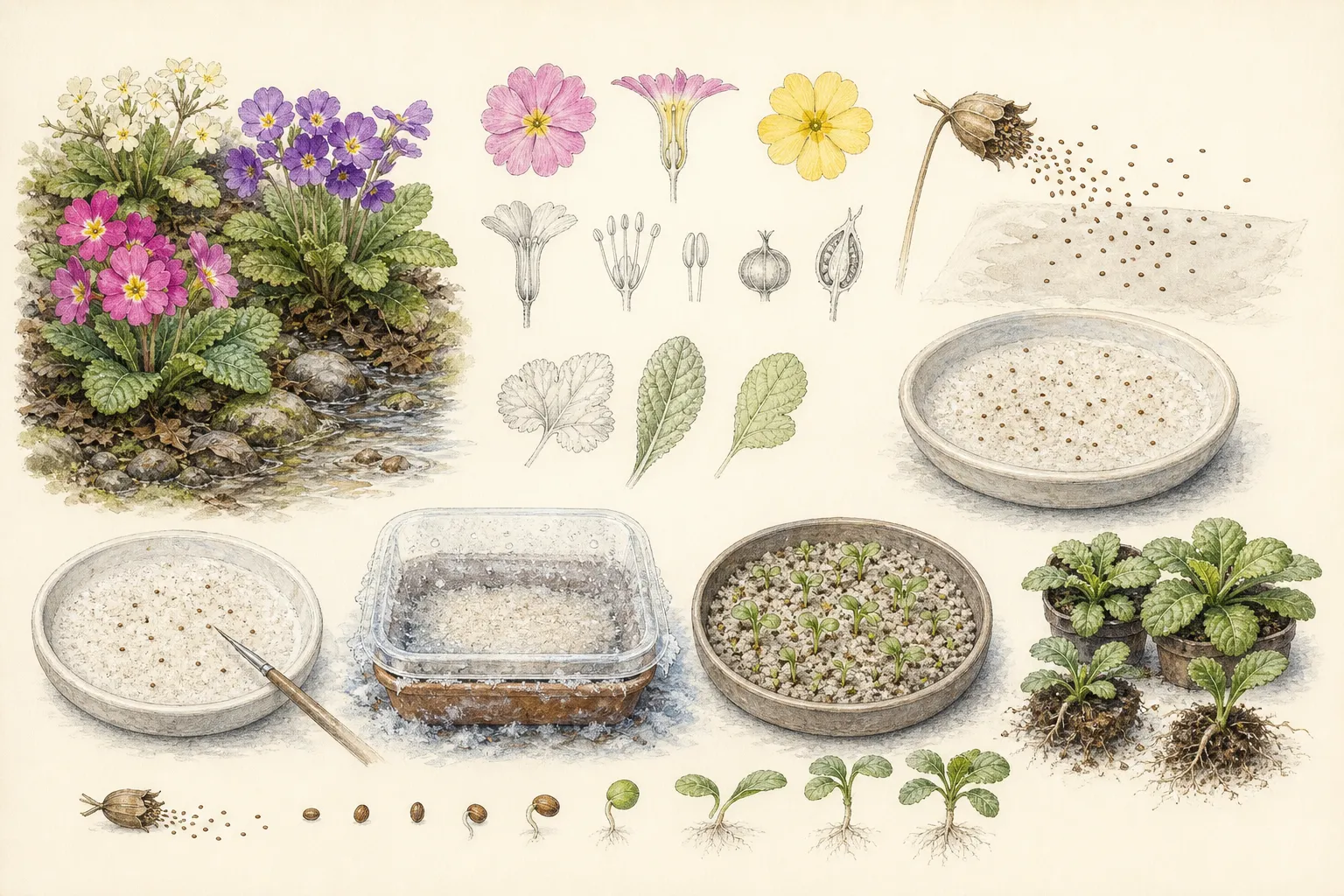
Start Garden Primulas from Seed with Species-Specific Cold Treatment
Raise garden primulas by confirming the exact species and dormancy sequence, surface sowing where required, maintaining cool moisture and light, and moving seedlings on before crowding.
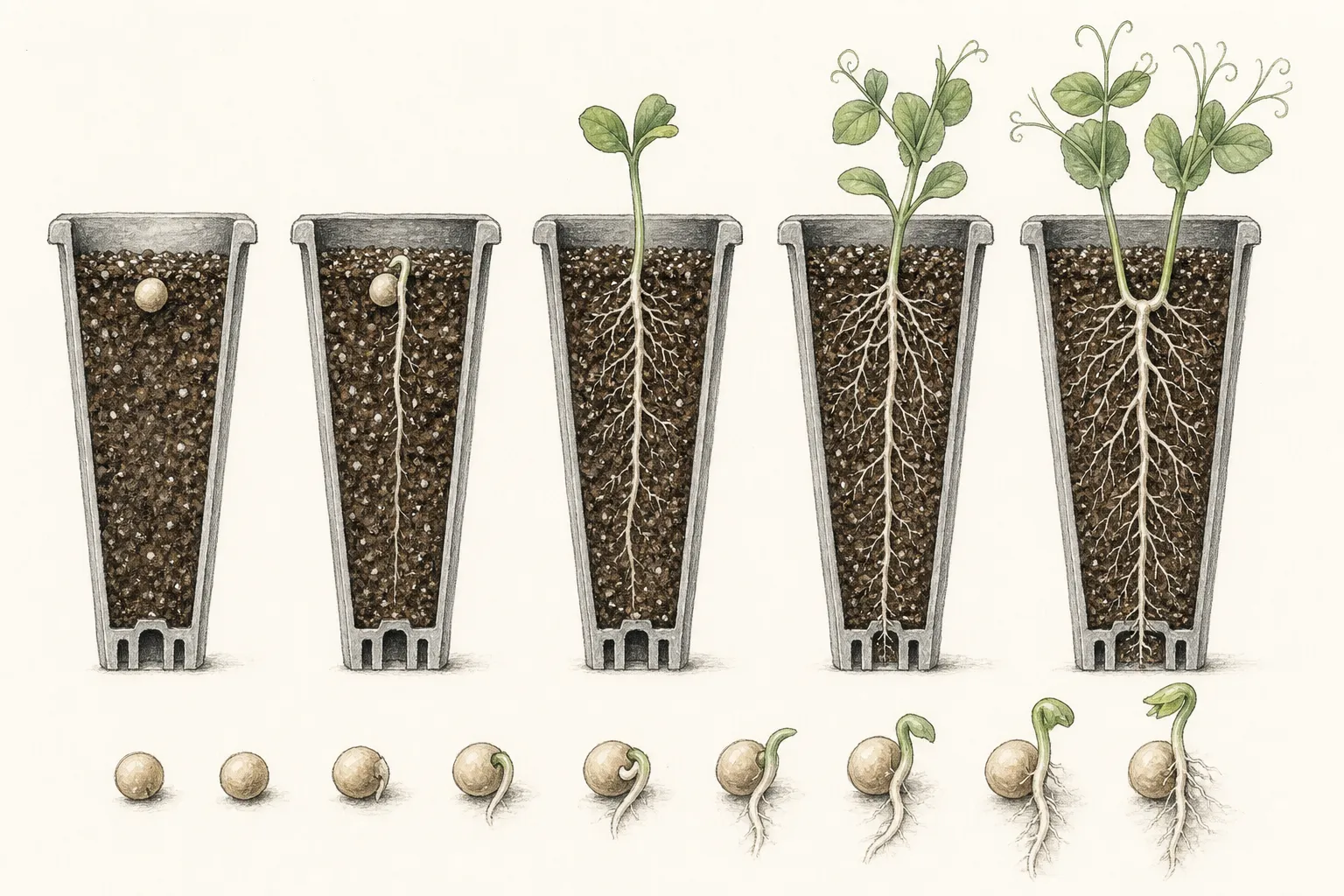
Start Sweet Peas Indoors in Deep Cells
Raise sweet peas with deep root room, cool bright growth, careful moisture, early support, gradual hardening, and a planting date tied to local conditions.
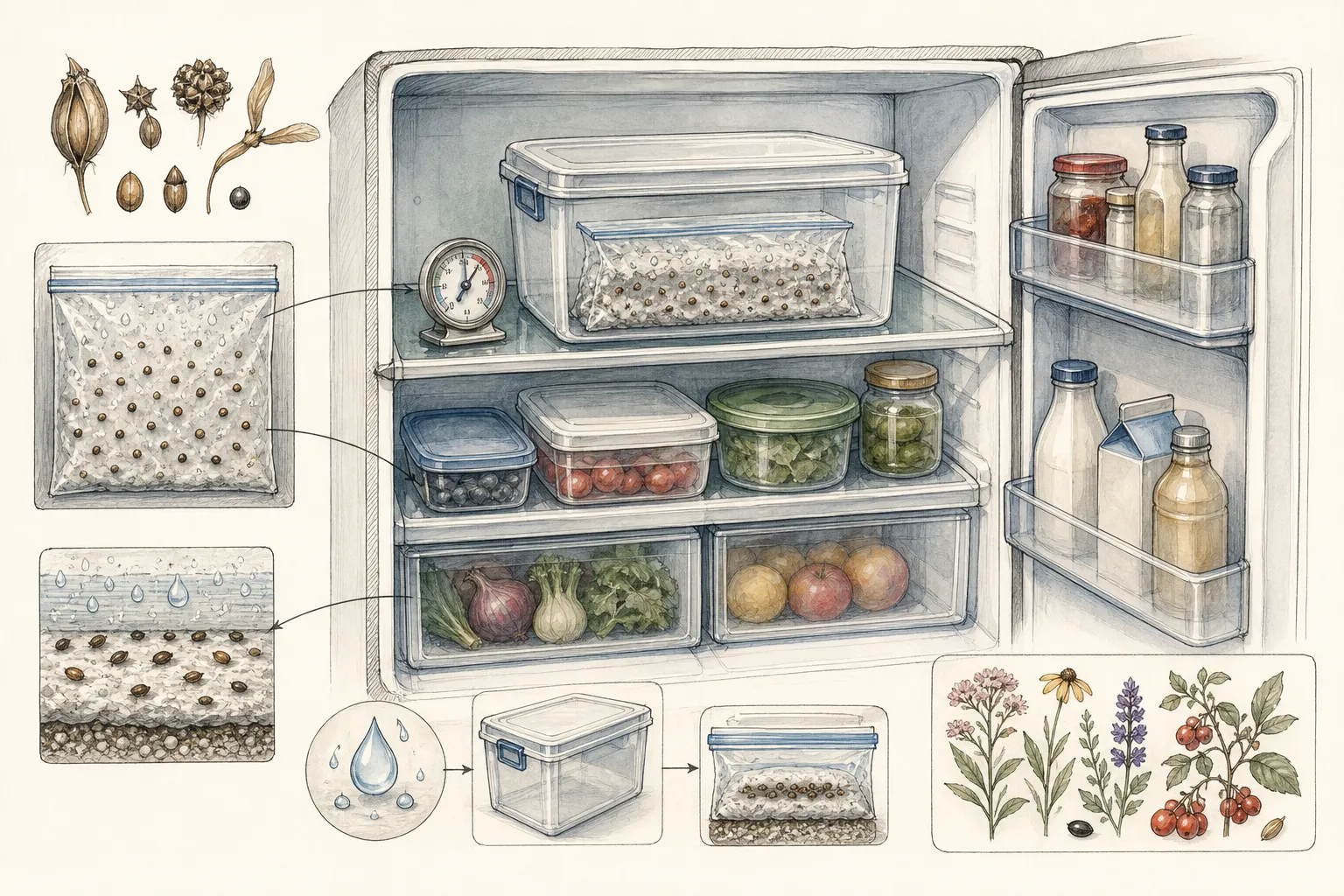
Cold-Stratify Ornamental Seeds in a Refrigerator
Use species-specific evidence, clean moist medium, measured refrigerator temperature, complete labels, regular inspection, and a planned sowing stage to cold-stratify ornamental seed.
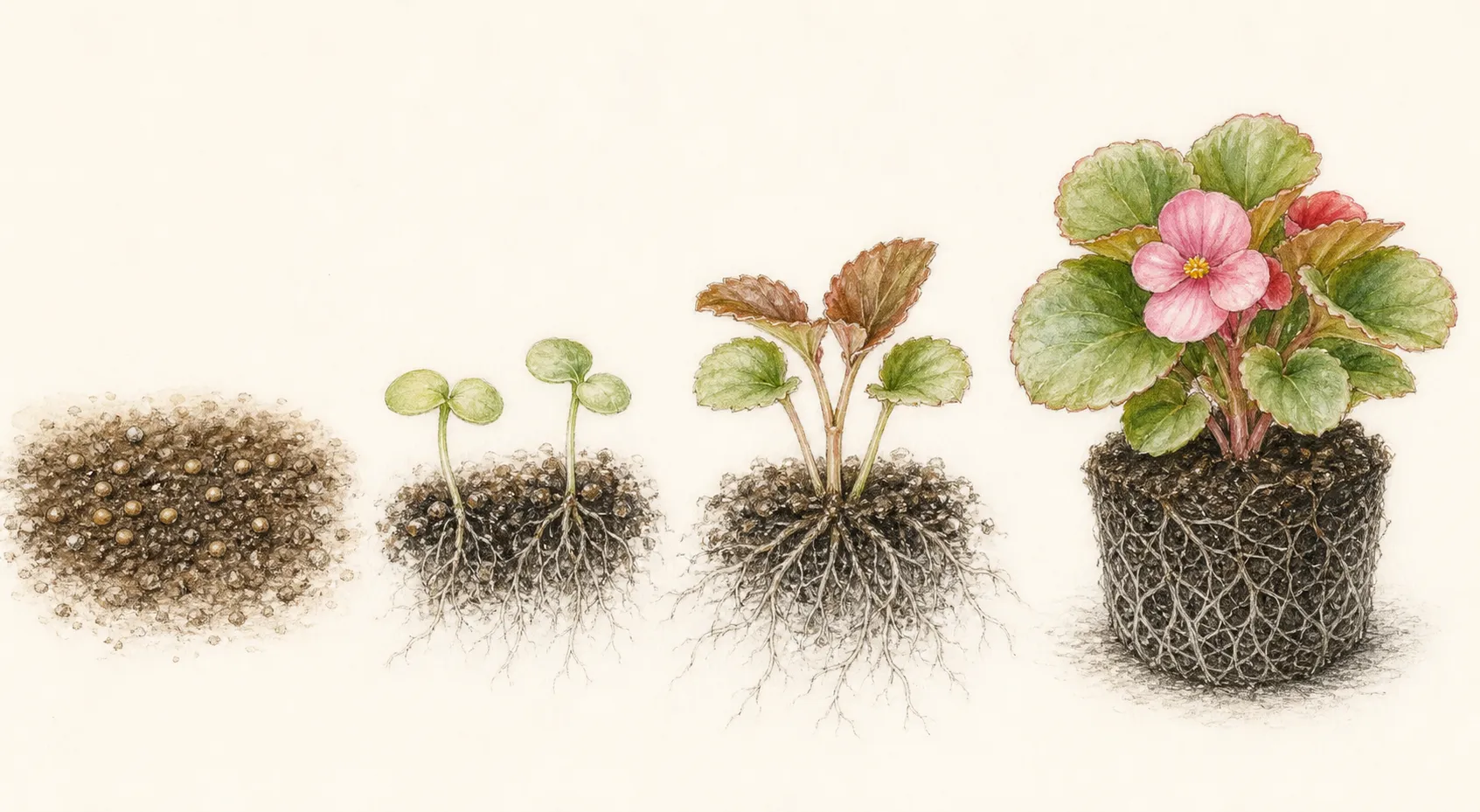
Start Wax Begonias from Seed for Summer Bedding
Raise compact wax begonias from extremely fine surface-sown seed with warm germination, prompt long-duration light, controlled humidity, careful watering, and a bedding plan sized before sowing.
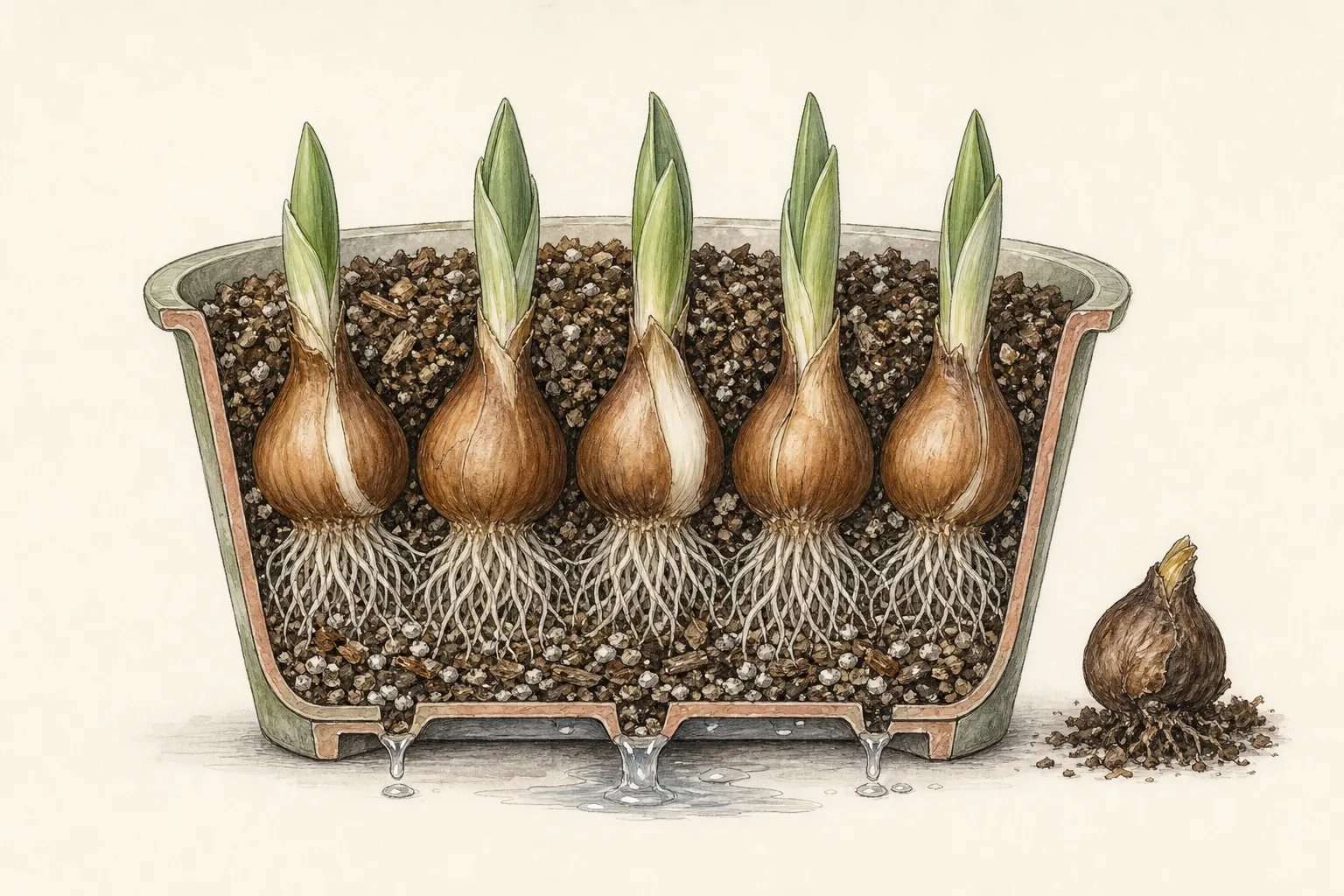
Force Prechilled Tulips Indoors Without Stretching
Bring properly chilled potted tulips into bloom by checking roots and shoots, staging cool light, managing water, and avoiding the warm dim conditions that produce weak stems.
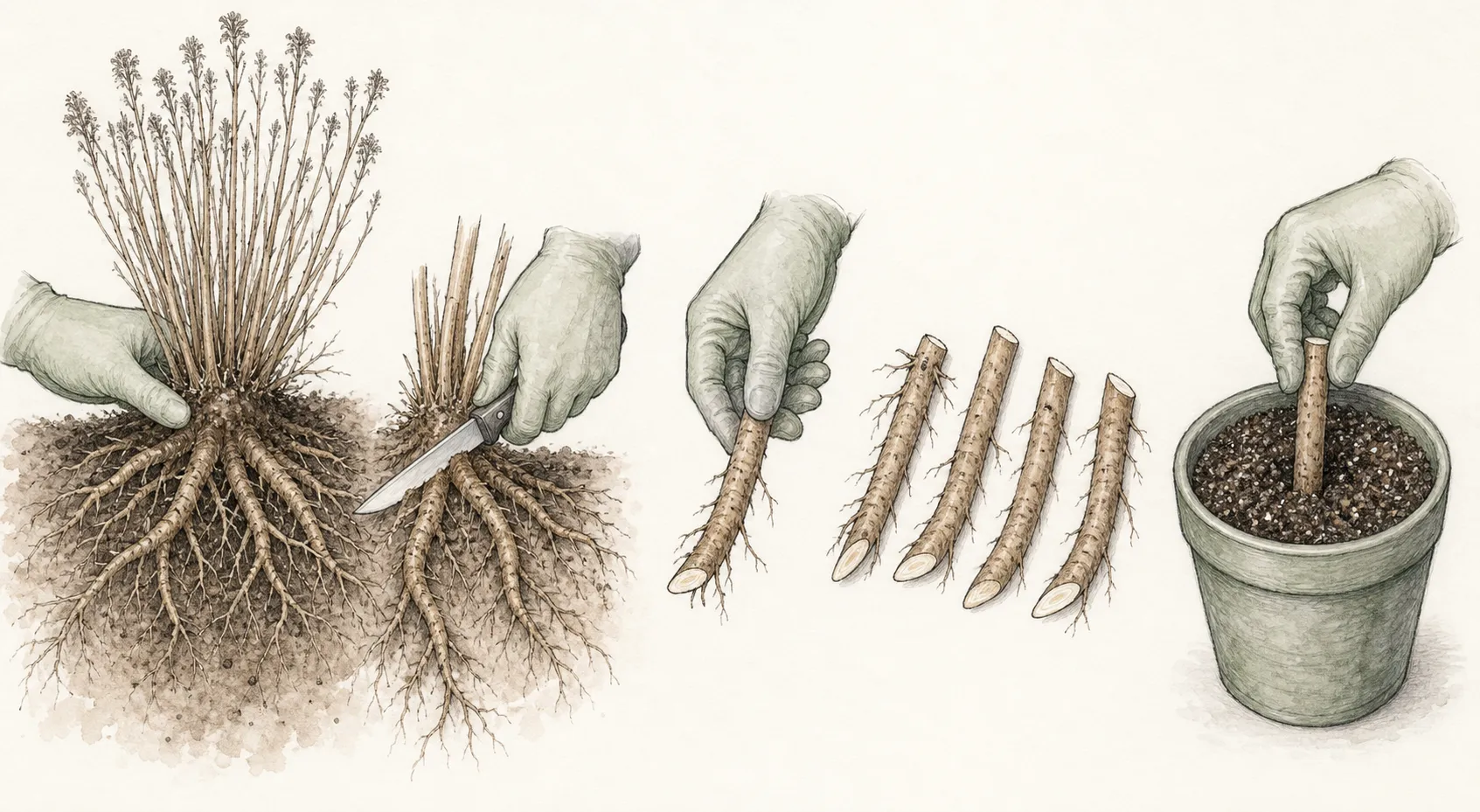
Take Root Cuttings from Suitable Ornamental Perennials
Propagate selected dormant ornamentals from healthy root sections by confirming suitability, preserving orientation, using clean medium, and protecting the parent plant and new shoots.
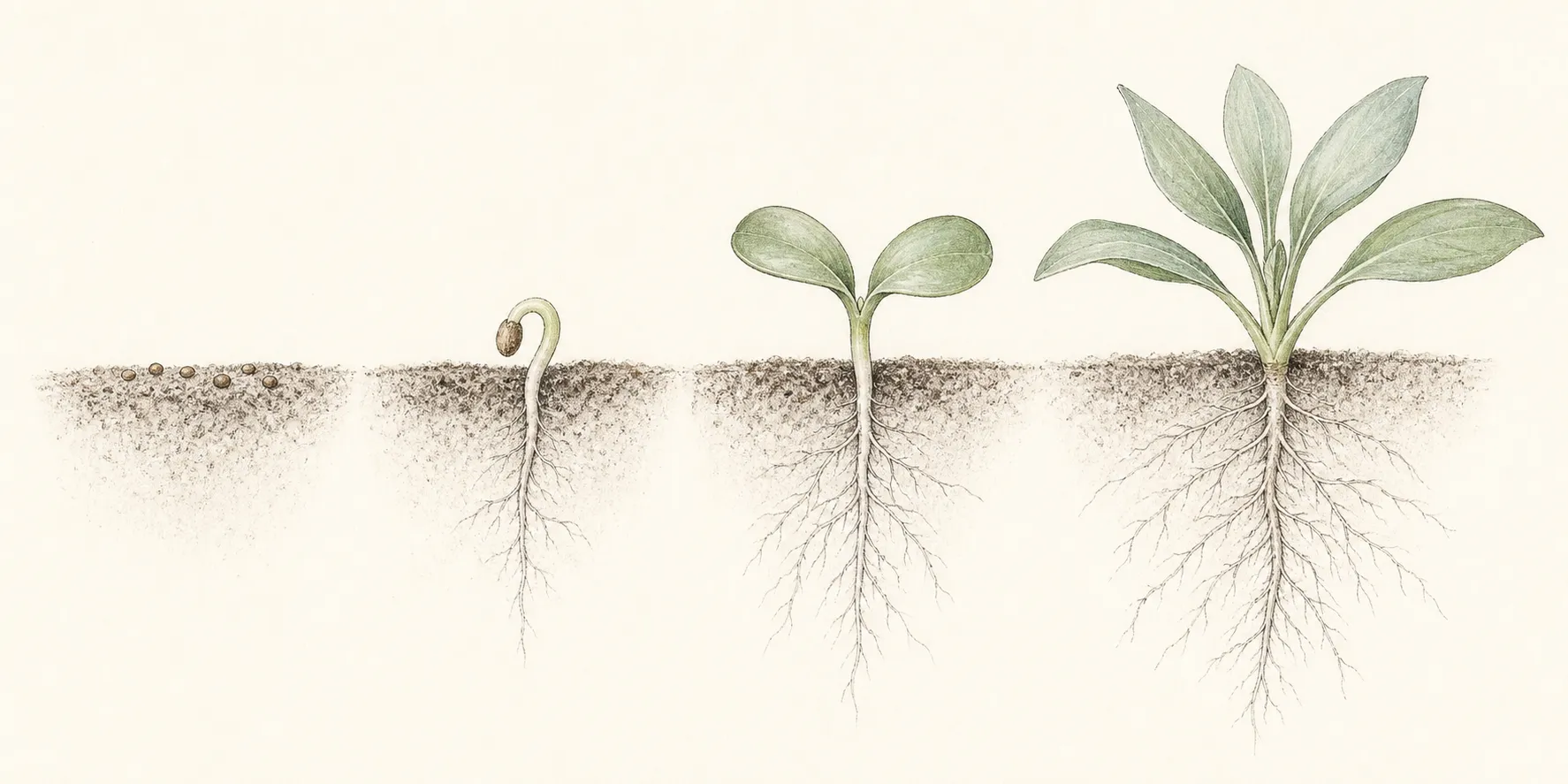
Start Lisianthus from Seed Without Losing Tiny Seedlings
Raise lisianthus from extremely small seed with an early schedule, surface sowing, controlled warmth, prompt light, careful moisture, and staged pot space for slow young plants.
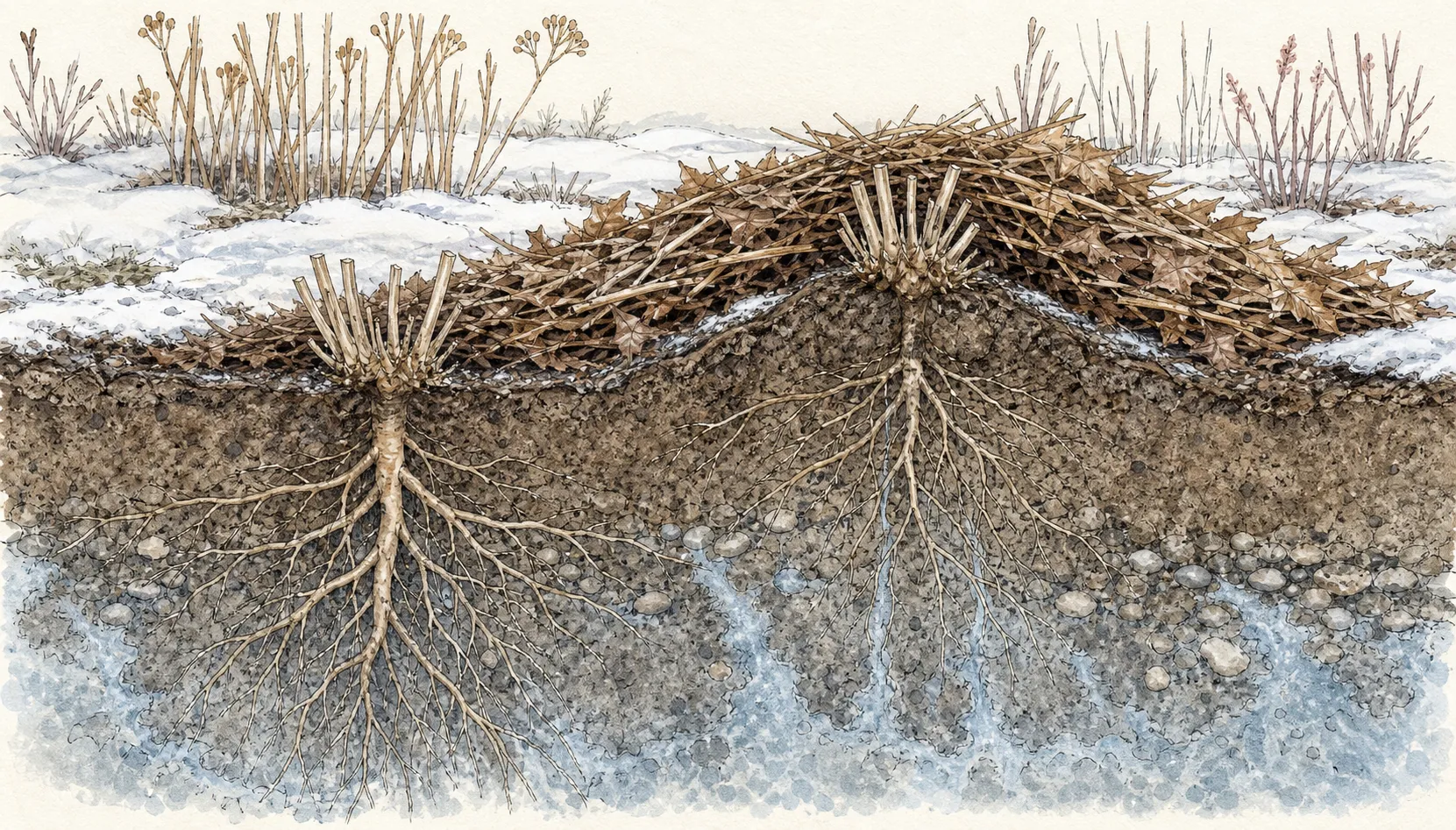
Check Winter Mulch and Perennial Crowns After a Thaw
Inspect a thawed ornamental perennial bed for frost heaving, trapped water, matted mulch, exposed crowns, and premature growth, then make the smallest correction before cold returns.
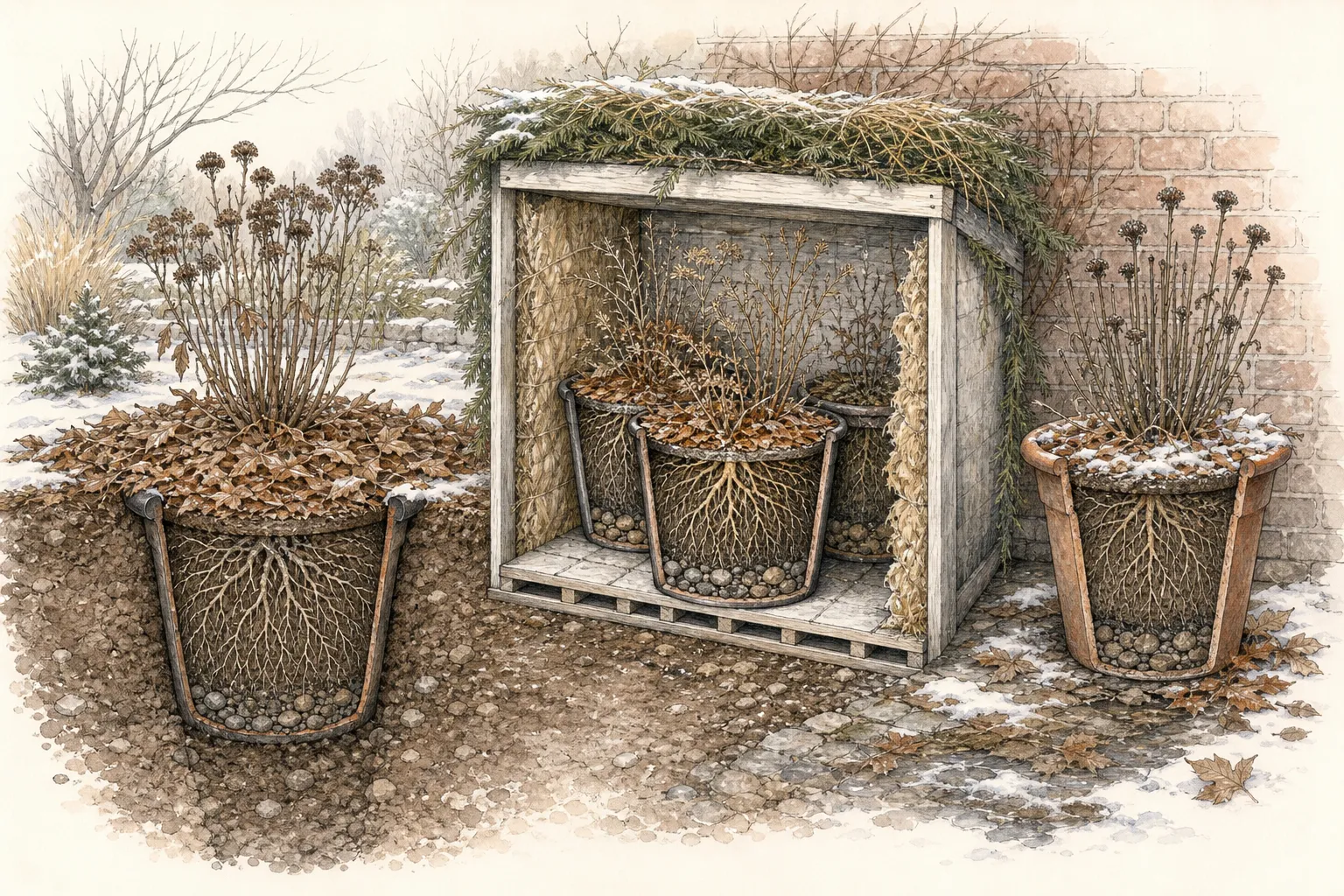
Protect Container-Grown Perennials Through Freeze-Thaw
Overwinter hardy ornamental perennials in containers by protecting the root zone, stabilizing temperature, preserving drainage, and inspecting dormant plants without forcing early growth.
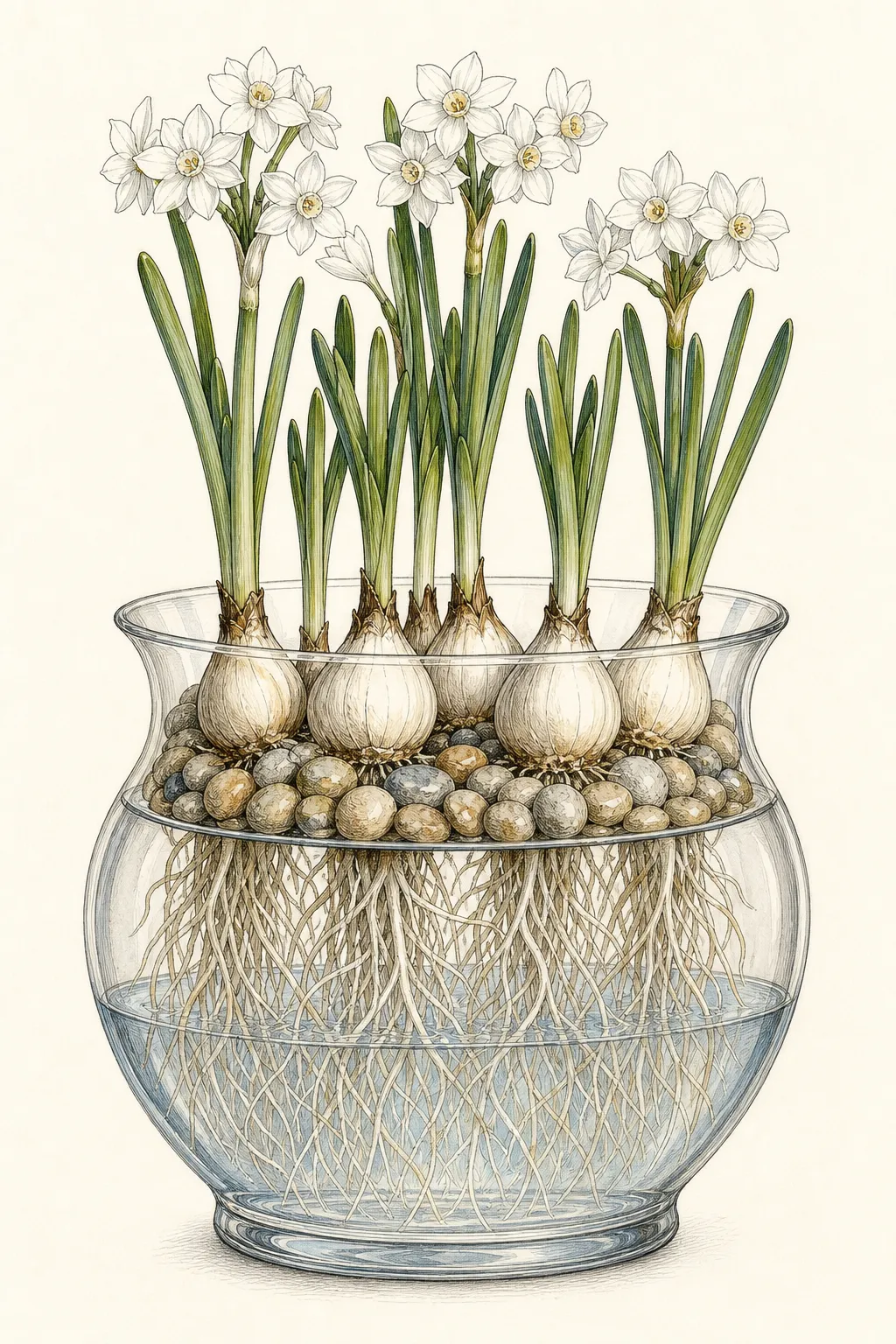
Force Paperwhites Indoors Without Weak, Top-Heavy Growth
Bring paperwhite narcissus into bloom with sound bulbs, a stable root zone, bright cool growth, careful water level, and support decisions made before stems collapse.
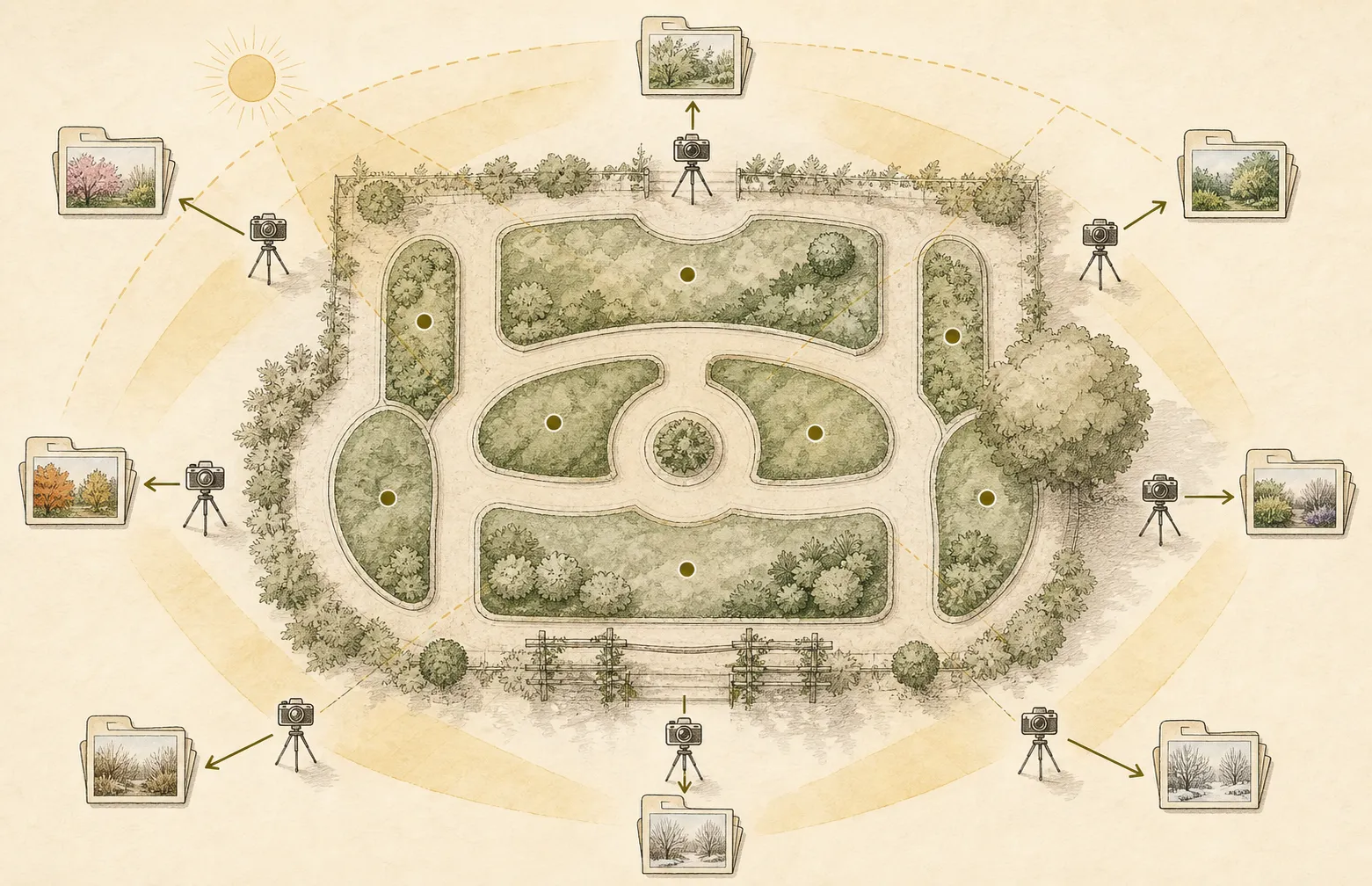
Build a Year-End Garden Photo Audit for Next Season
Reassemble the season with mapped photo sets, light notes, plant names, and action labels so winter planning starts from evidence rather than memory.
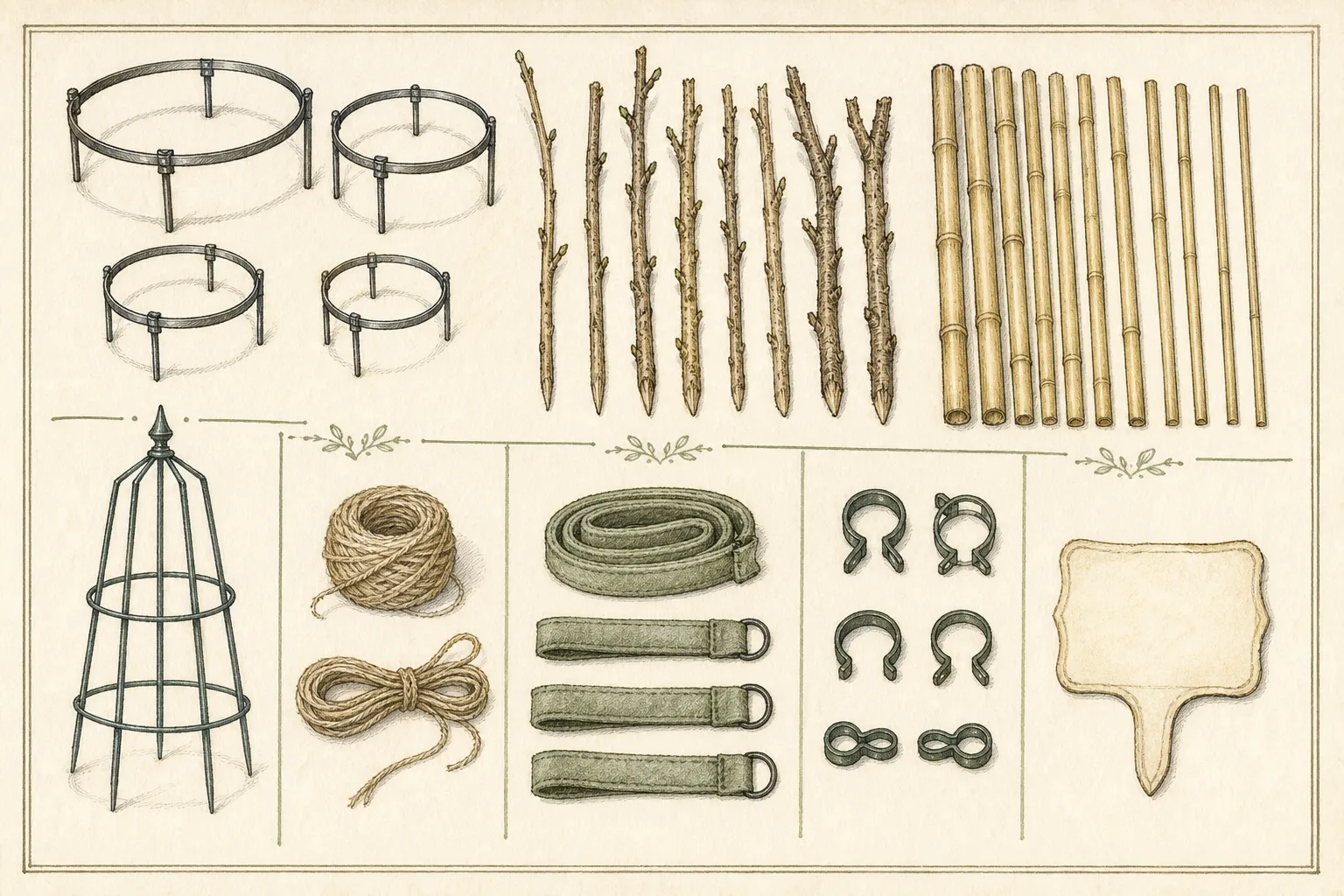
Repair and Inventory Plant Supports Before Spring Growth
Sort supports by plant job, reject damaged frames and abrasive ties, repair reusable pieces while access is open, and assign each support before fresh growth hides the route.
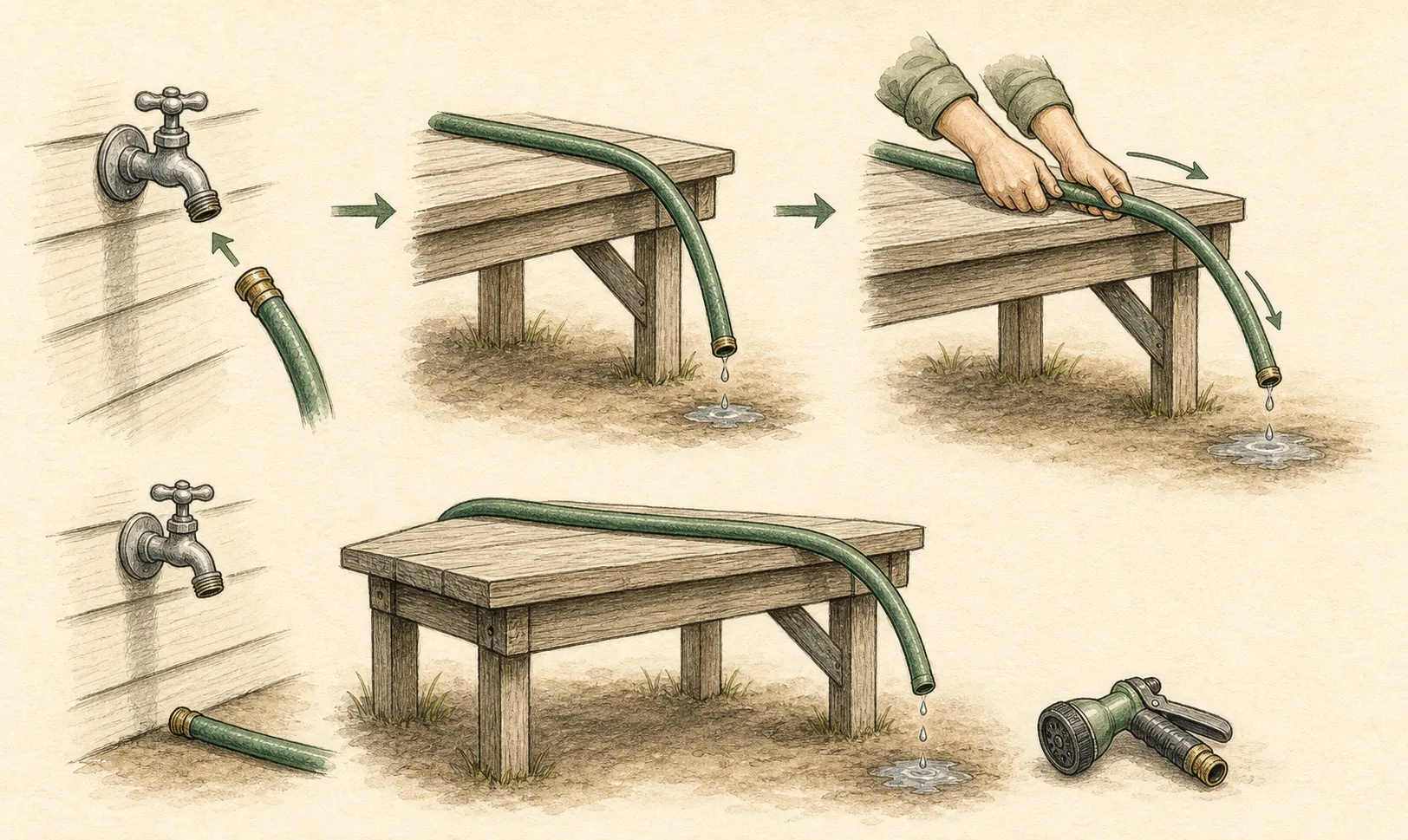
Drain and Store Garden Hoses and Watering Tools Before Freeze
Disconnect hoses from the house-side plumbing, empty every trapped pocket of water, dry removable drip parts and nozzles, and store the full watering kit where spring setup stays legible.
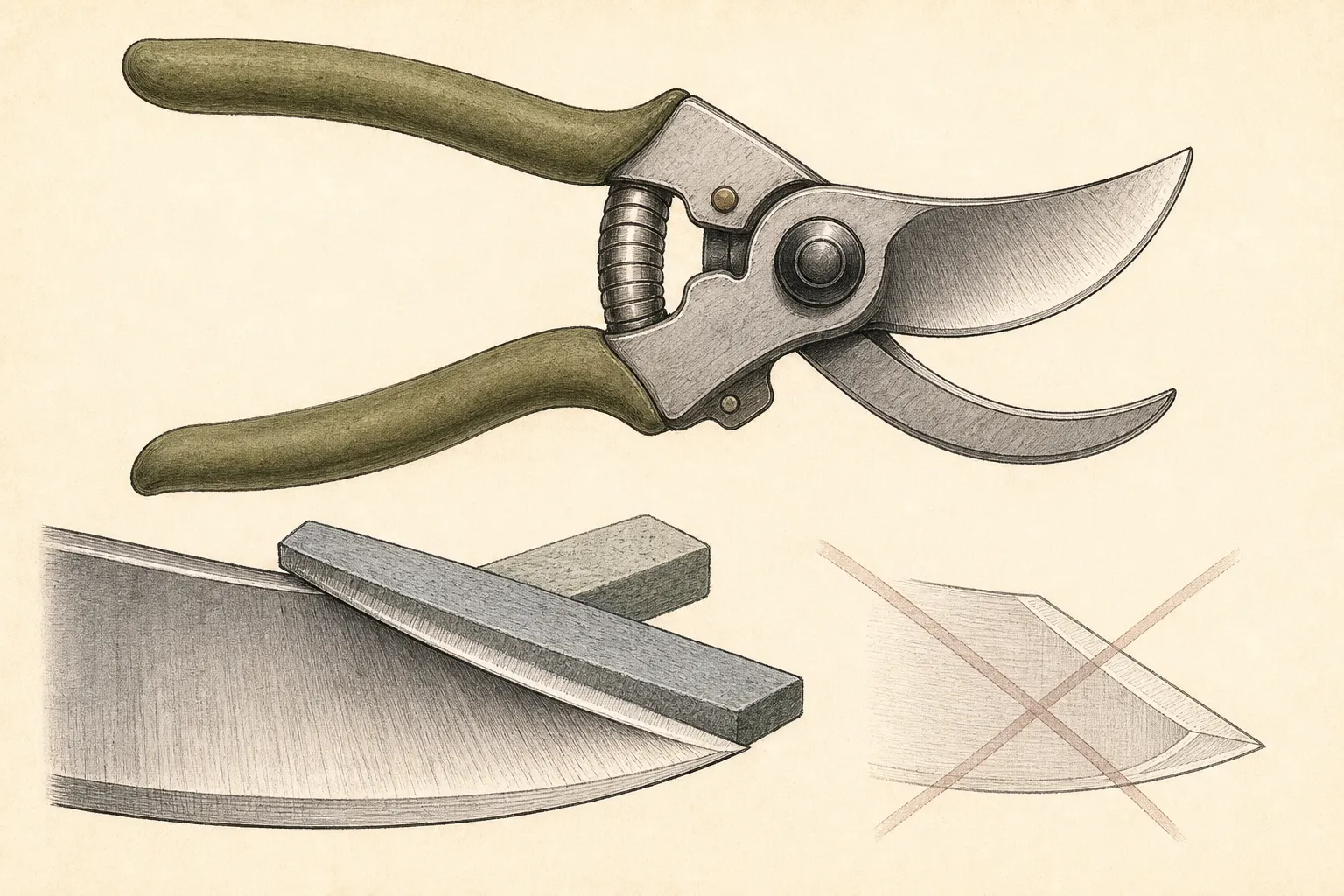
Sharpen Bypass Pruners Without Changing Blade Geometry
Clean the tool first, read the existing factory bevel, sharpen only the cutting side with controlled strokes, and remove the burr without creating a second edge.
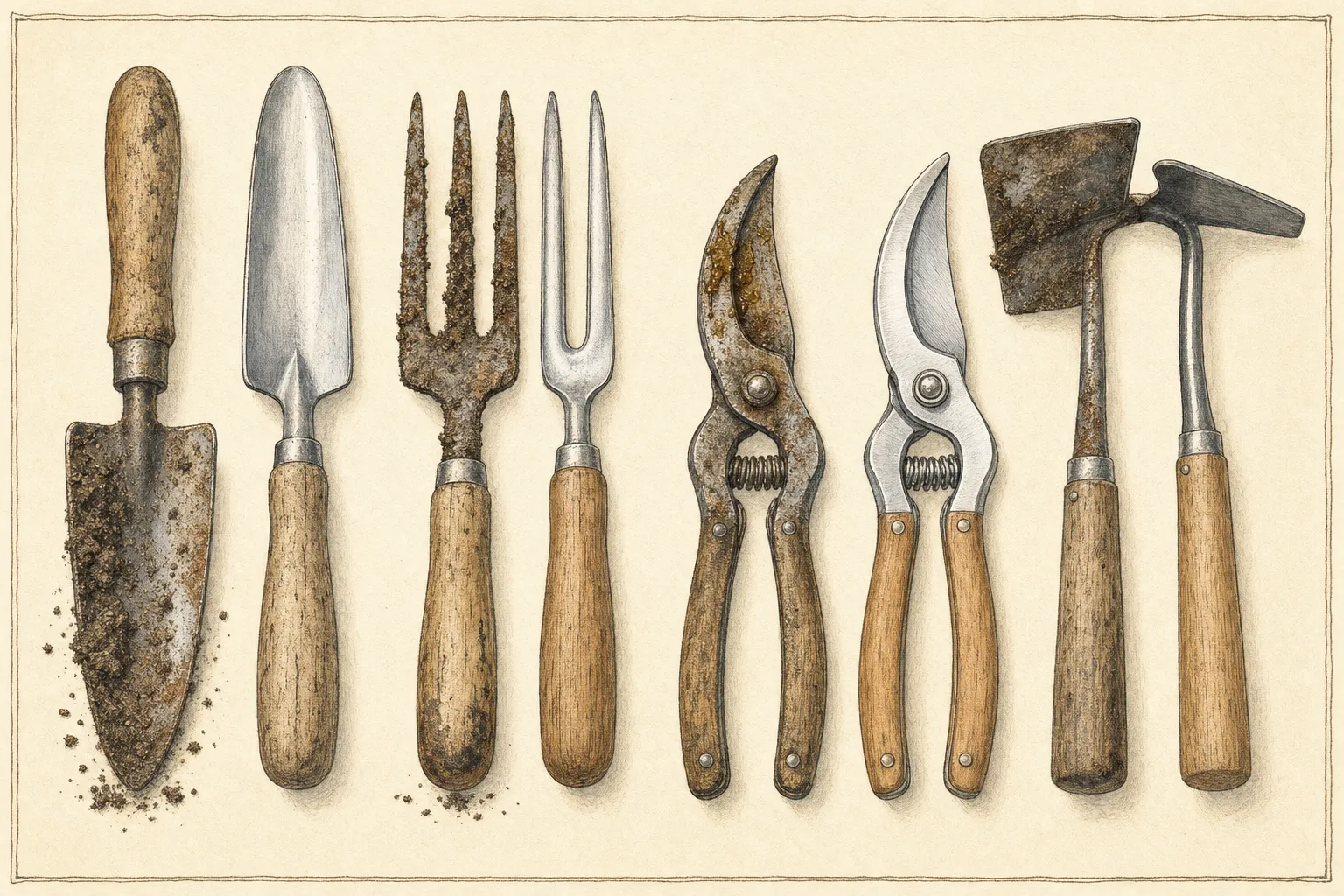
Clean and Oil Garden Hand Tools for Winter Storage
Remove soil and sap, dry every surface, protect metal and wood appropriately, and store each hand tool in a dry system you can reopen quickly in spring.
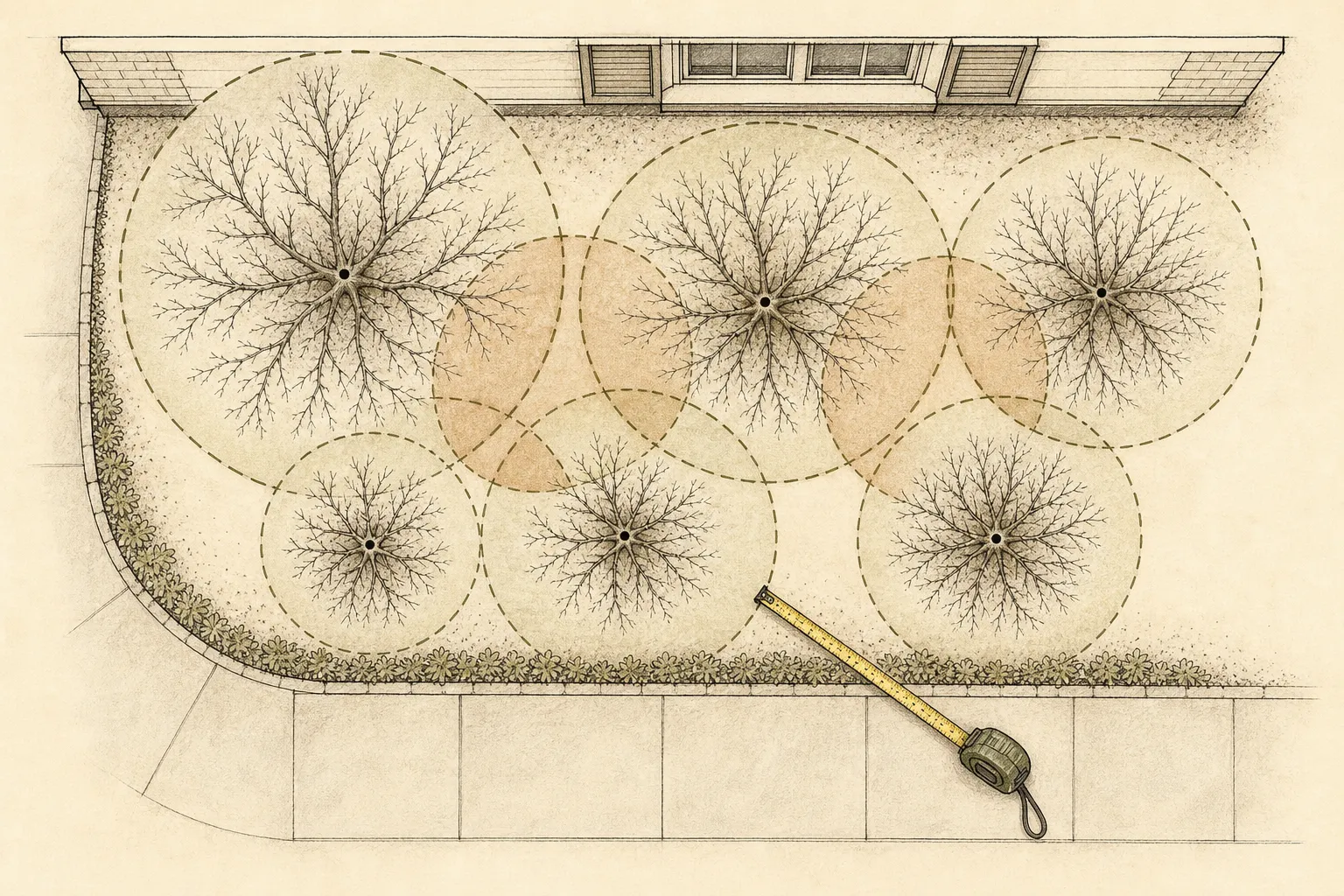
Audit Shrub Spacing While Branches Are Bare
Use leafless structure to compare mature shrub spread with paths, walls, windows, and neighboring crowns before another growing season hides the conflicts.
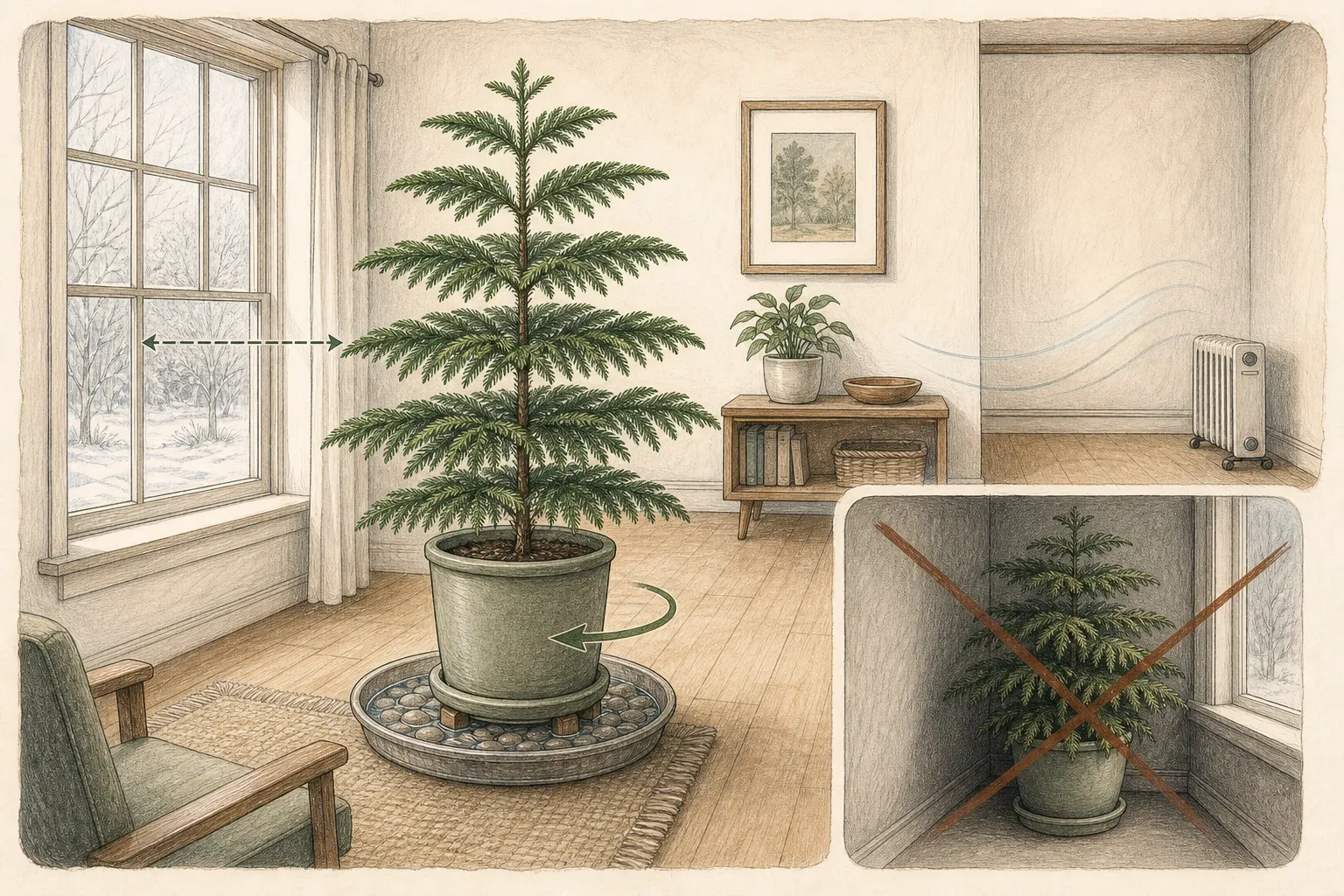
Keep Norfolk Island Pine Healthy Through Winter
Hold a Norfolk Island pine through winter with bright light, cooler air, root-zone drainage, and enough humidity to prevent needle loss and branch decline.
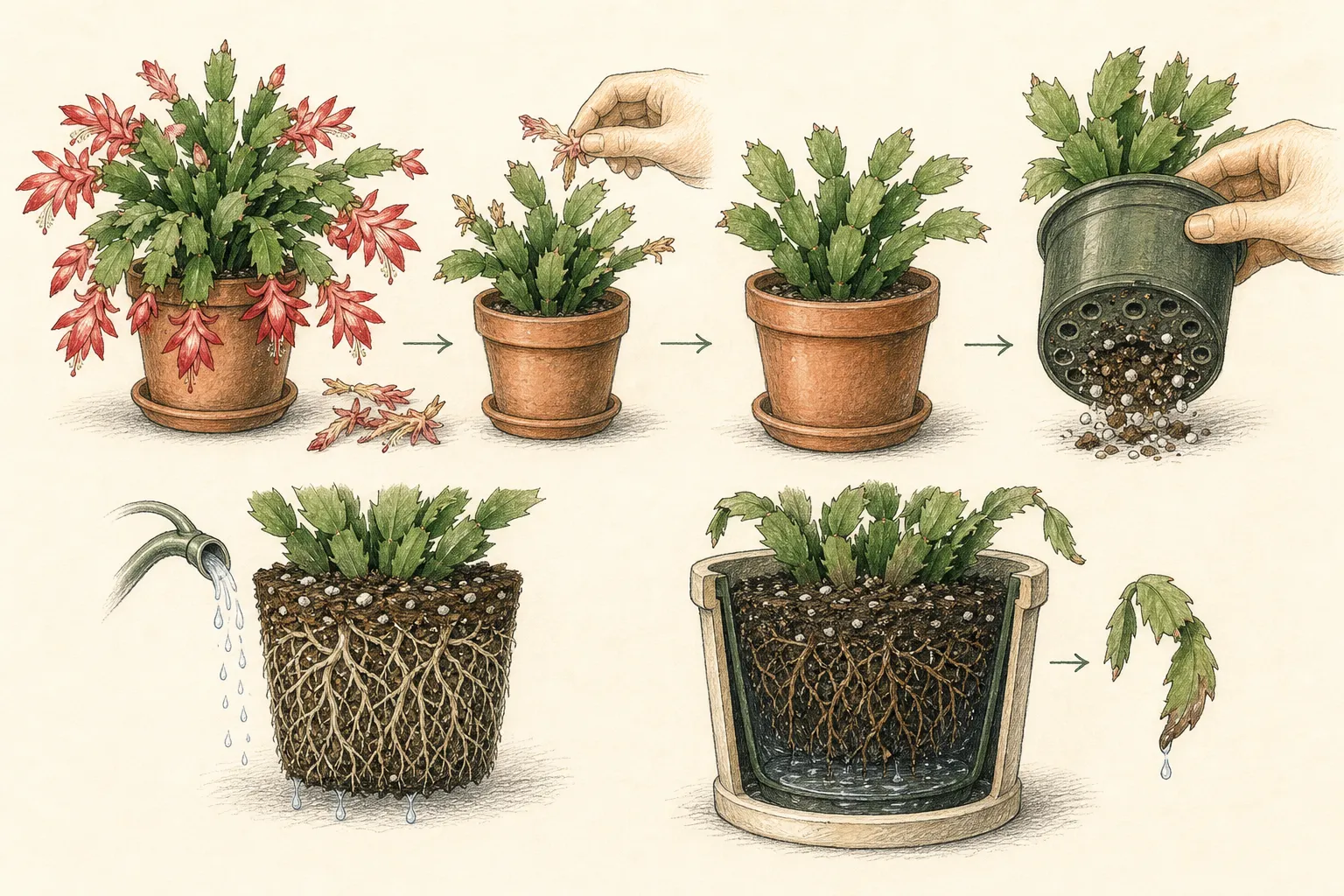
Care for a Holiday Cactus After Bloom
Guide a holiday cactus from its last flowers through rest, spring growth, and autumn bud set so it recovers cleanly and reblooms on schedule.
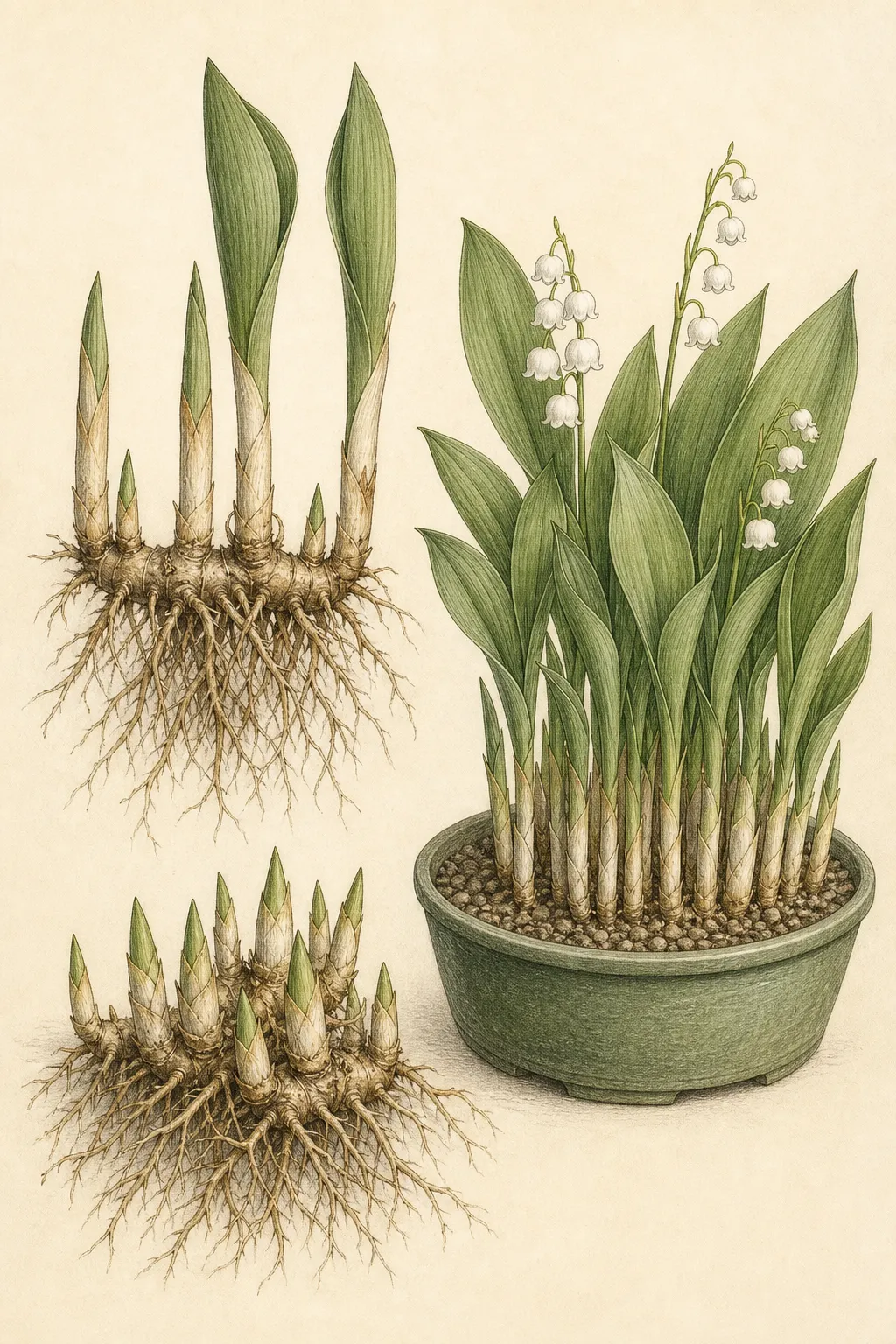
Force Lily-of-the-Valley Pips Indoors
Start with prepared lily-of-the-valley pips, pot them densely in a free-draining medium, keep them cool, moist, and bright, and move them to display only after flower growth is underway.
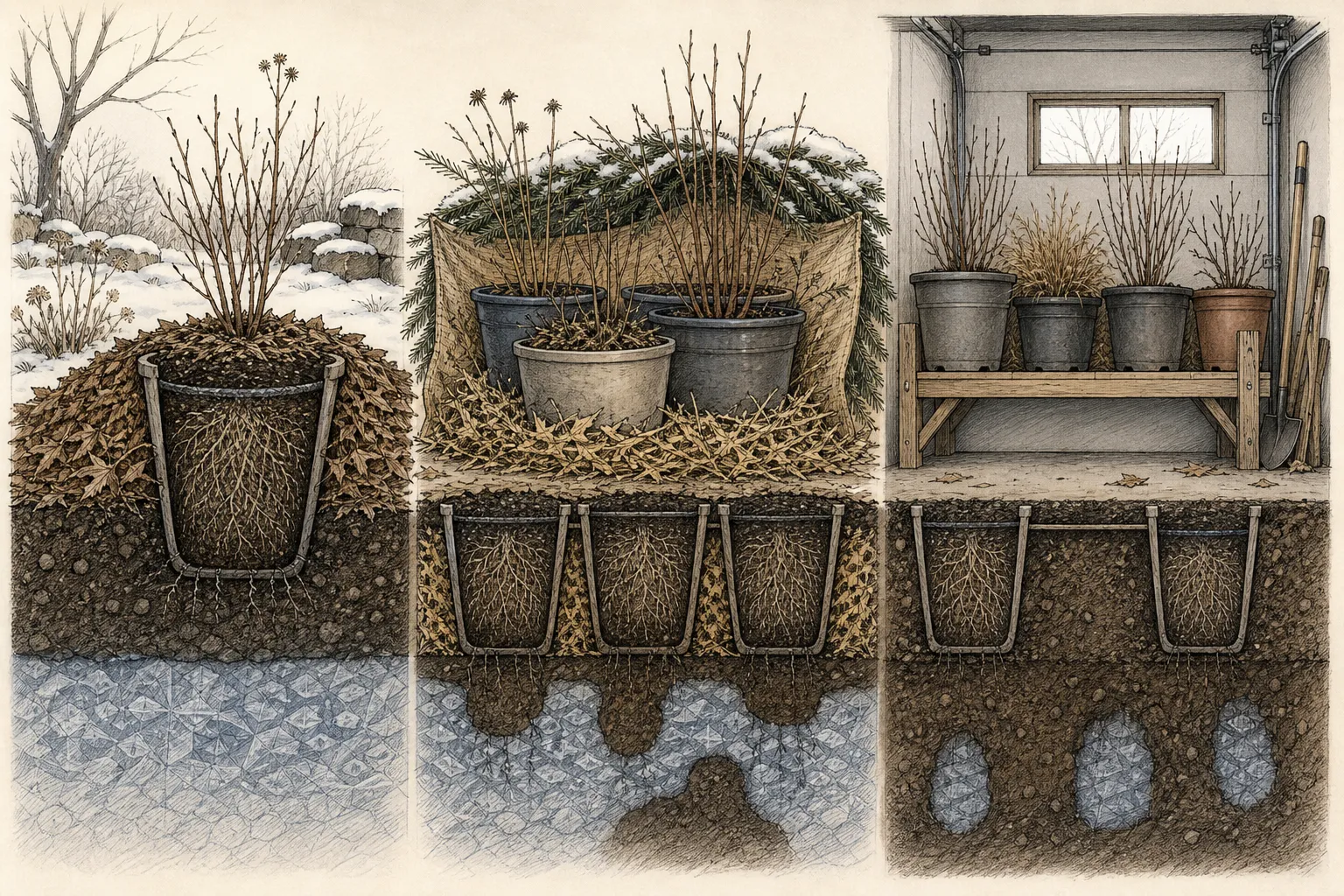
Water Dormant Container Perennials in Winter Storage
Check winter-stored container perennials by storage method, temperature, drainage, and thawed root-zone moisture so dormant crowns stay alive without being forced into wet rot or early growth.
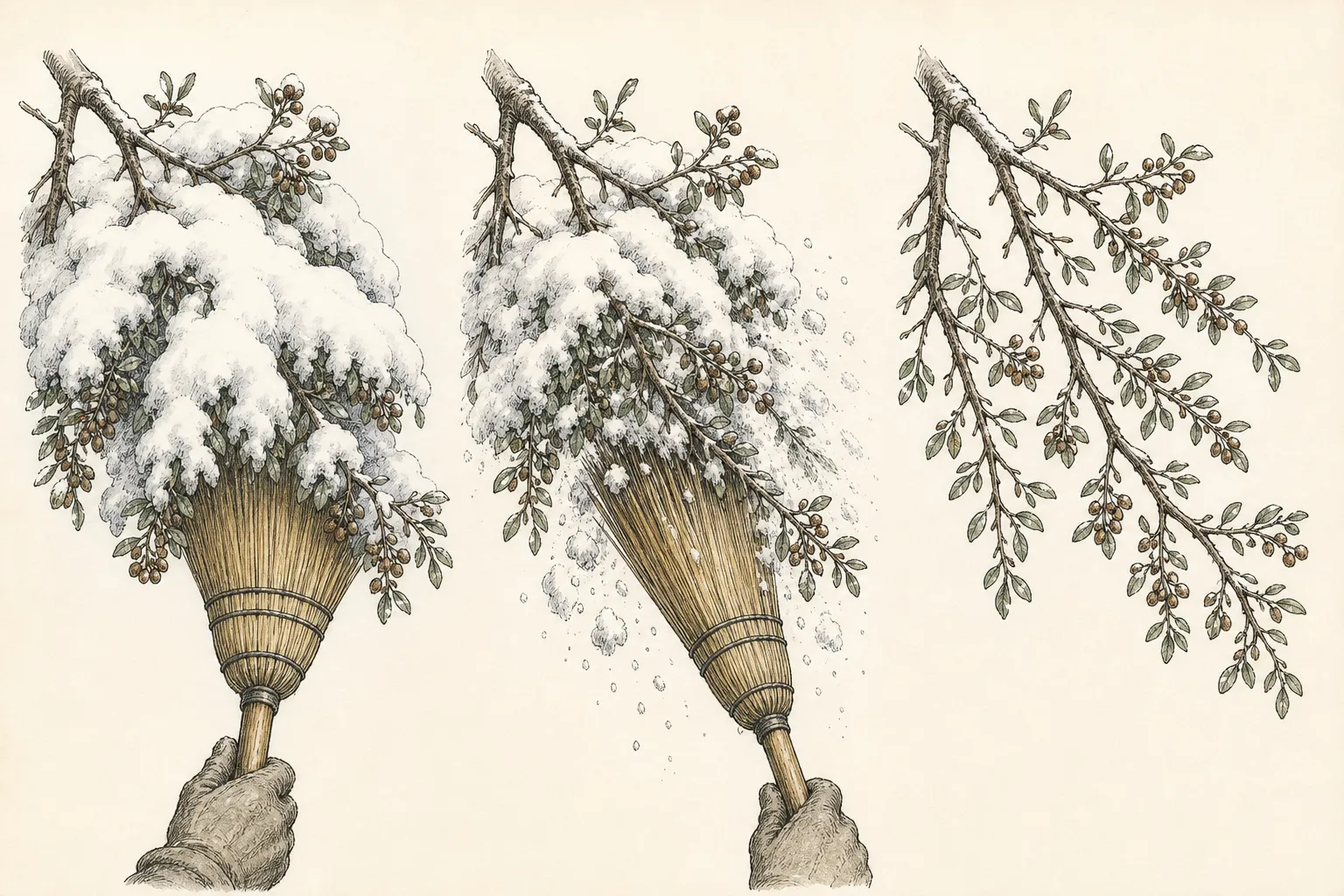
Remove Heavy Snow from Shrubs Without Breaking Branches
Clear loose snow from ornamental shrubs by reading the load first, supporting branches from below, leaving ice to melt, and checking attachments only after the weight is gone.
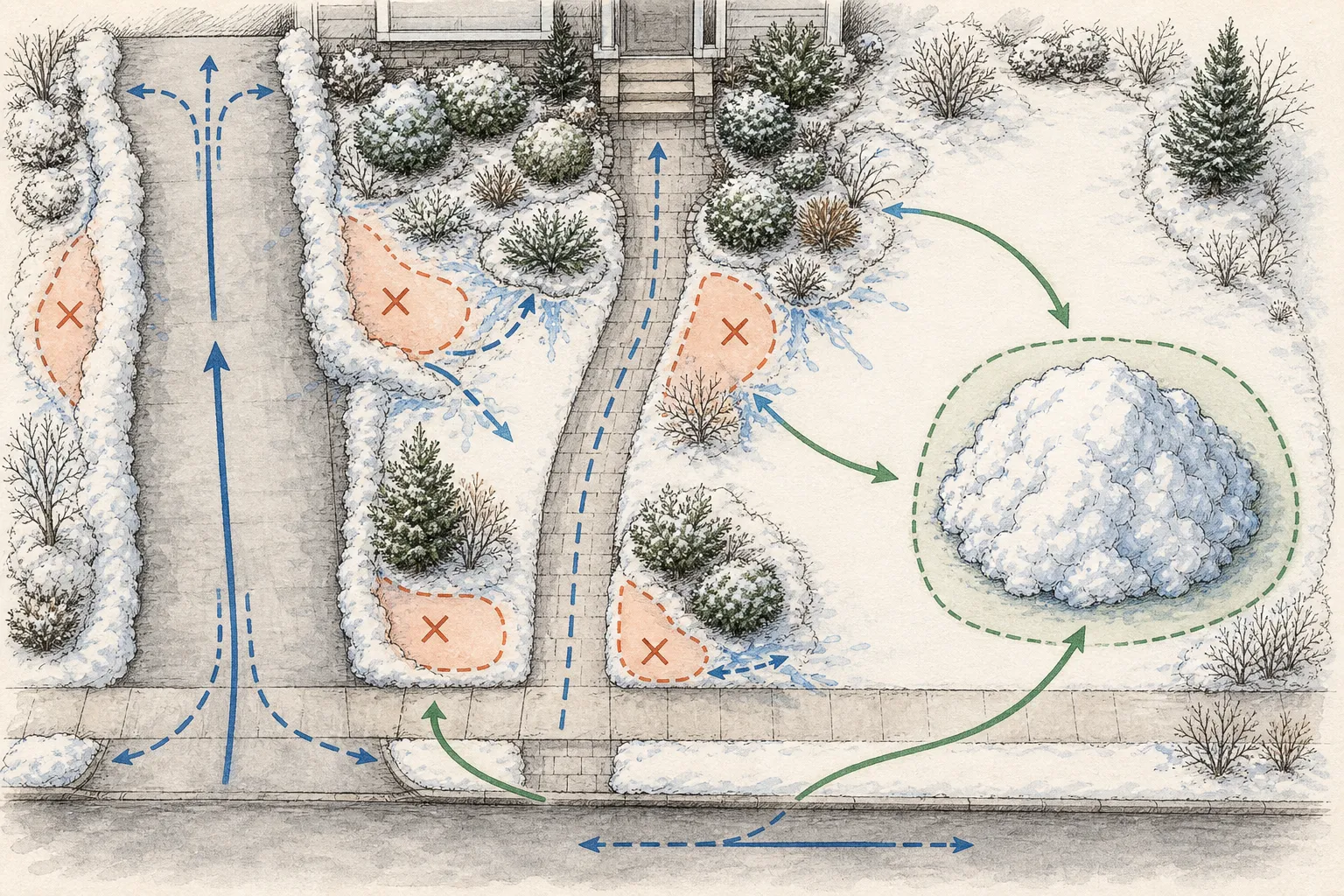
Plan Snow Storage That Spares Ornamental Shrubs
Choose a repeatable snow-pile zone and melt path that stay out of shrub branches, crowns, root zones, and salt splash so winter cleanup does not become the planting's main stress event.
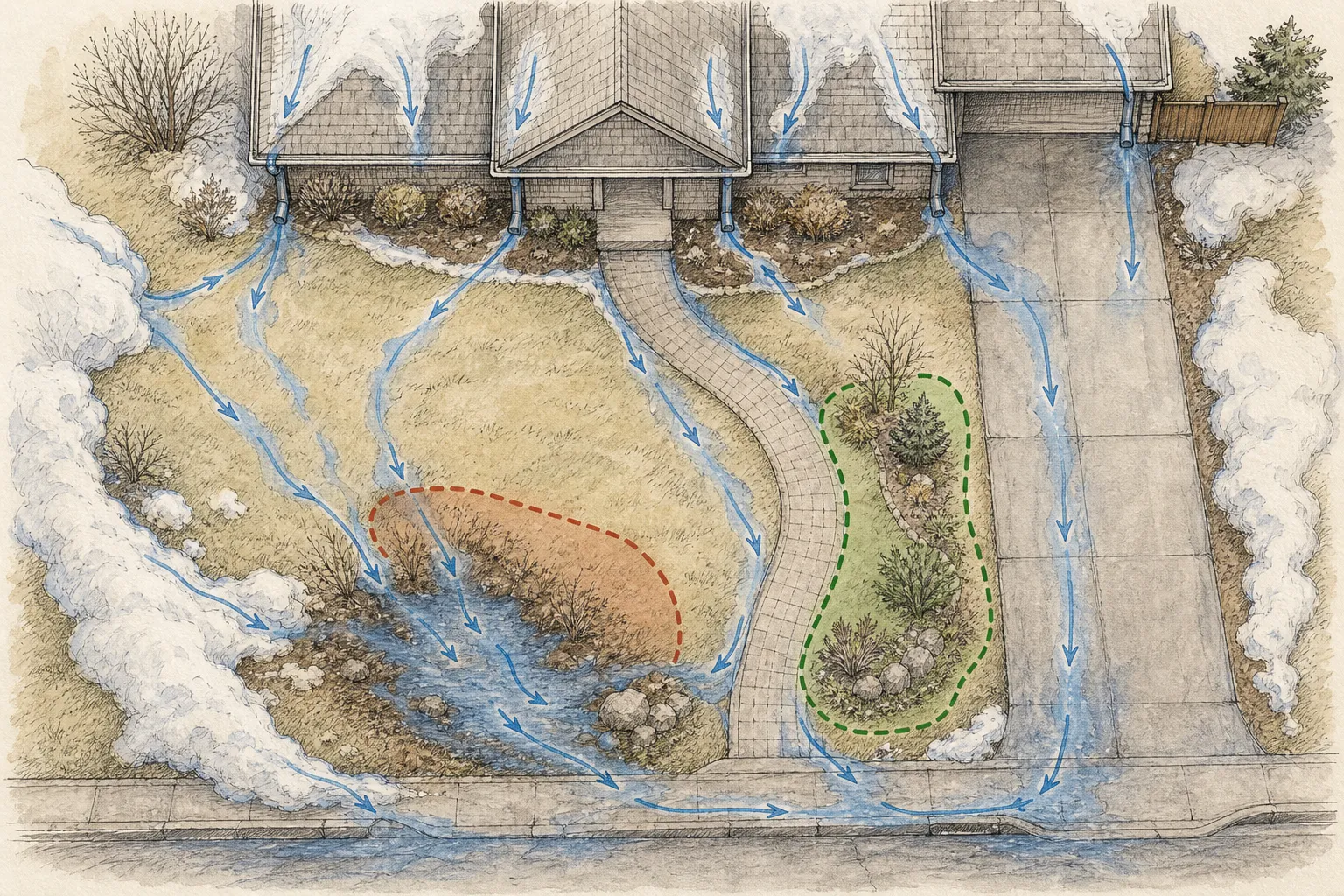
Read Snowmelt Paths Before Designing a New Bed
Watch where thaw water runs, ponds, and infiltrates before outlining a new bed so the border sits on the right shoulder of the site instead of in the seasonal drainage chute.

Map Winter Sun and Shade for Next Year's Planting
Use bare-canopy winter light, fixed observation times, and a simple site map to learn where next year's plantings will receive usable direct sun, lingering shade, glare, and seasonal misdirection.
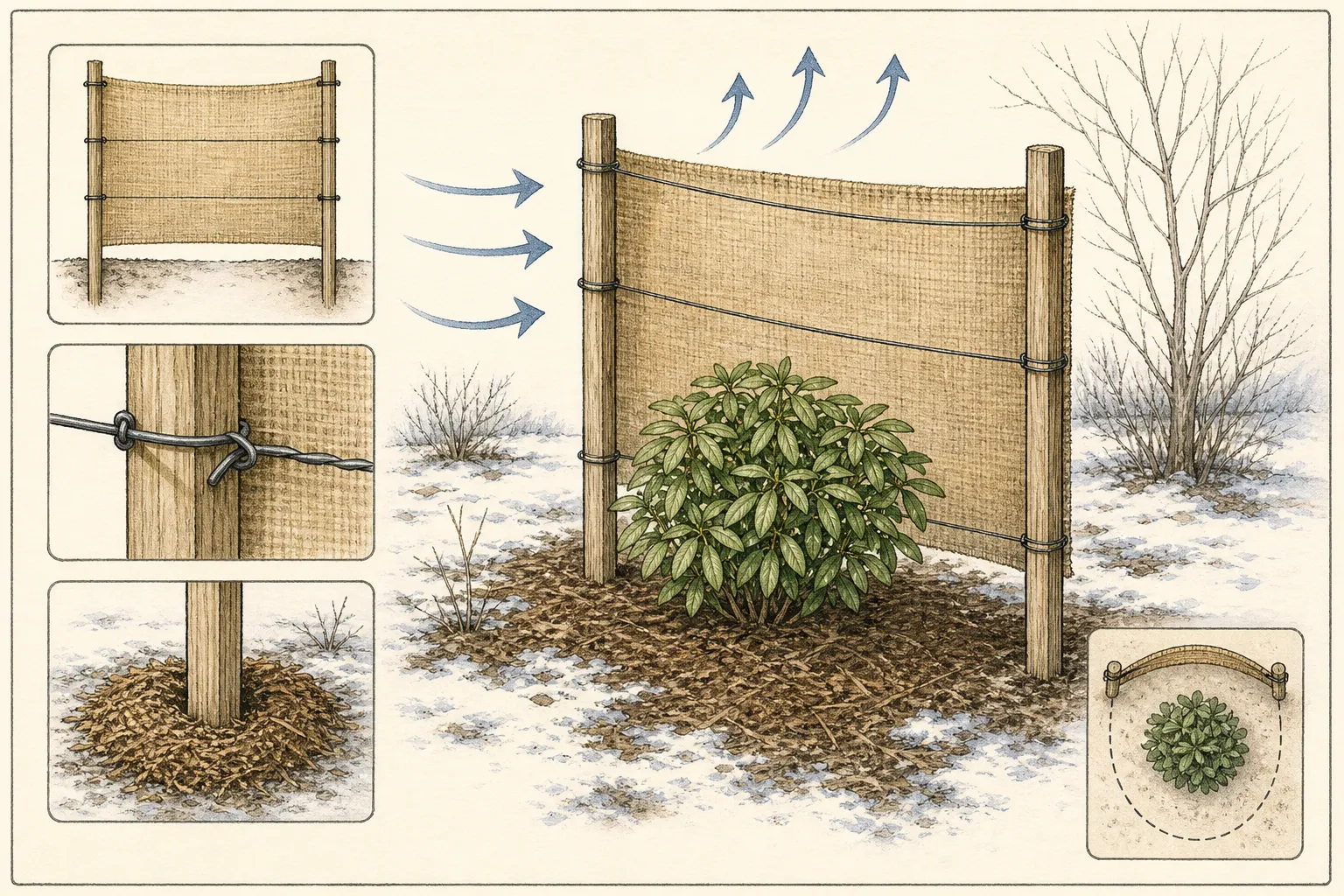
Build a Freestanding Burlap Wind Screen for New Shrubs
Protect newly planted shrubs from drying wind and bright winter exposure with a breathable freestanding burlap screen instead of wrapping the foliage into a damp, damaged bundle.
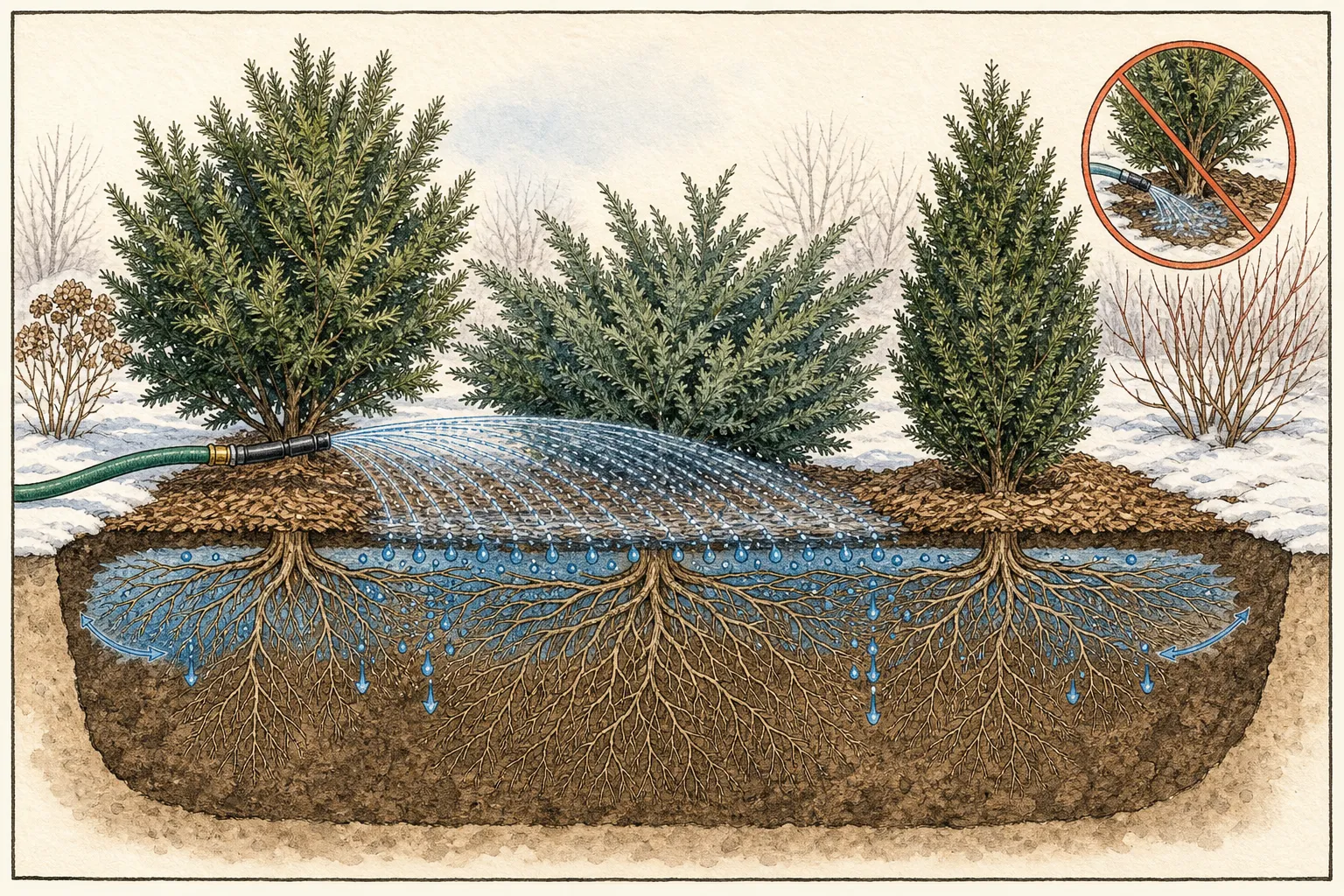
Water Evergreen Shrubs Before the Ground Freezes
Deeply water evergreen shrubs through a dry autumn, match the soak to the root zone and soil, and stop once frozen ground turns more water into ice rather than reserve moisture.
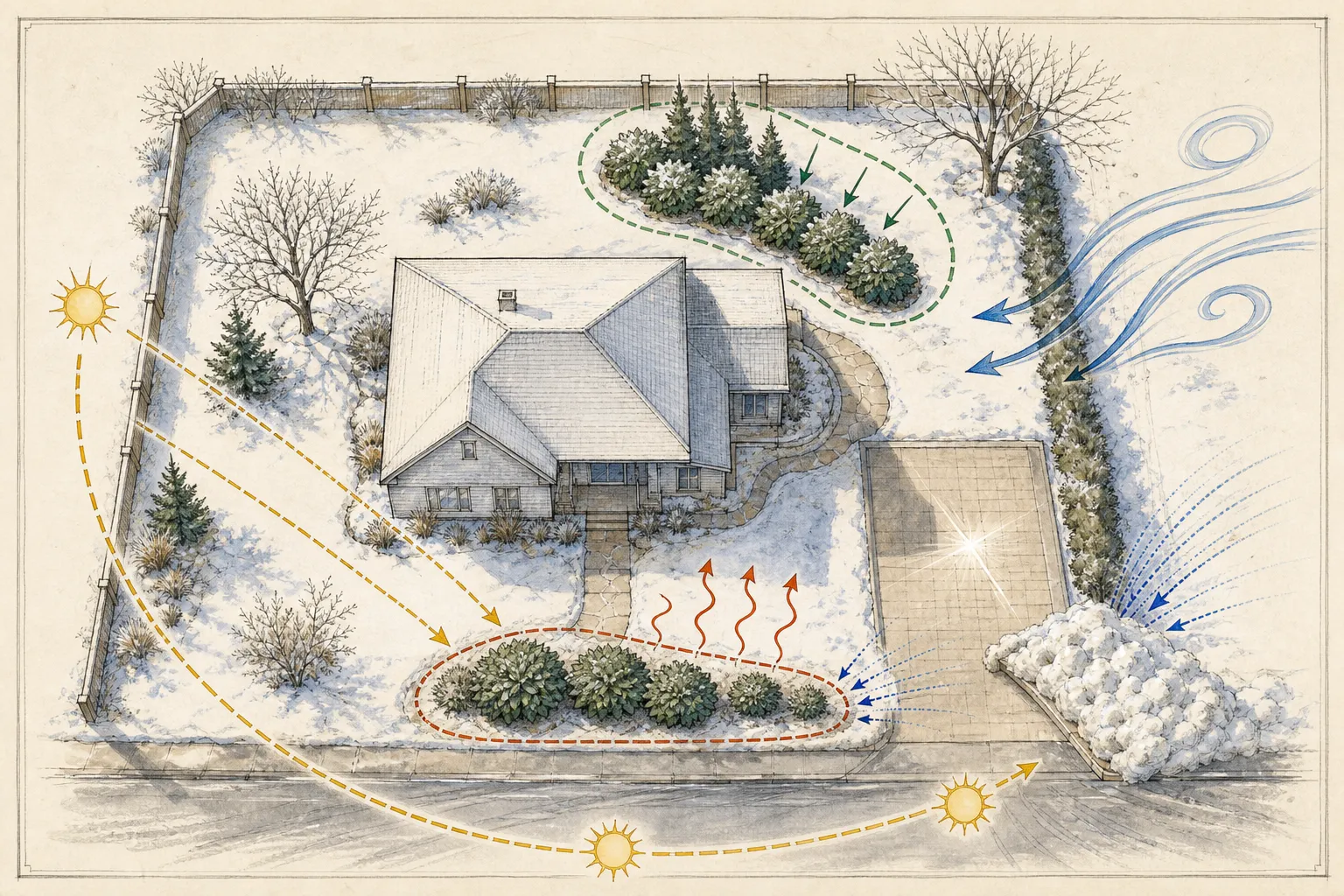
Site Broadleaf Evergreens Away from Winter Exposure
Choose shelter, winter light, drainage, and mature space before planting broadleaf evergreen shrubs in exposed sites.
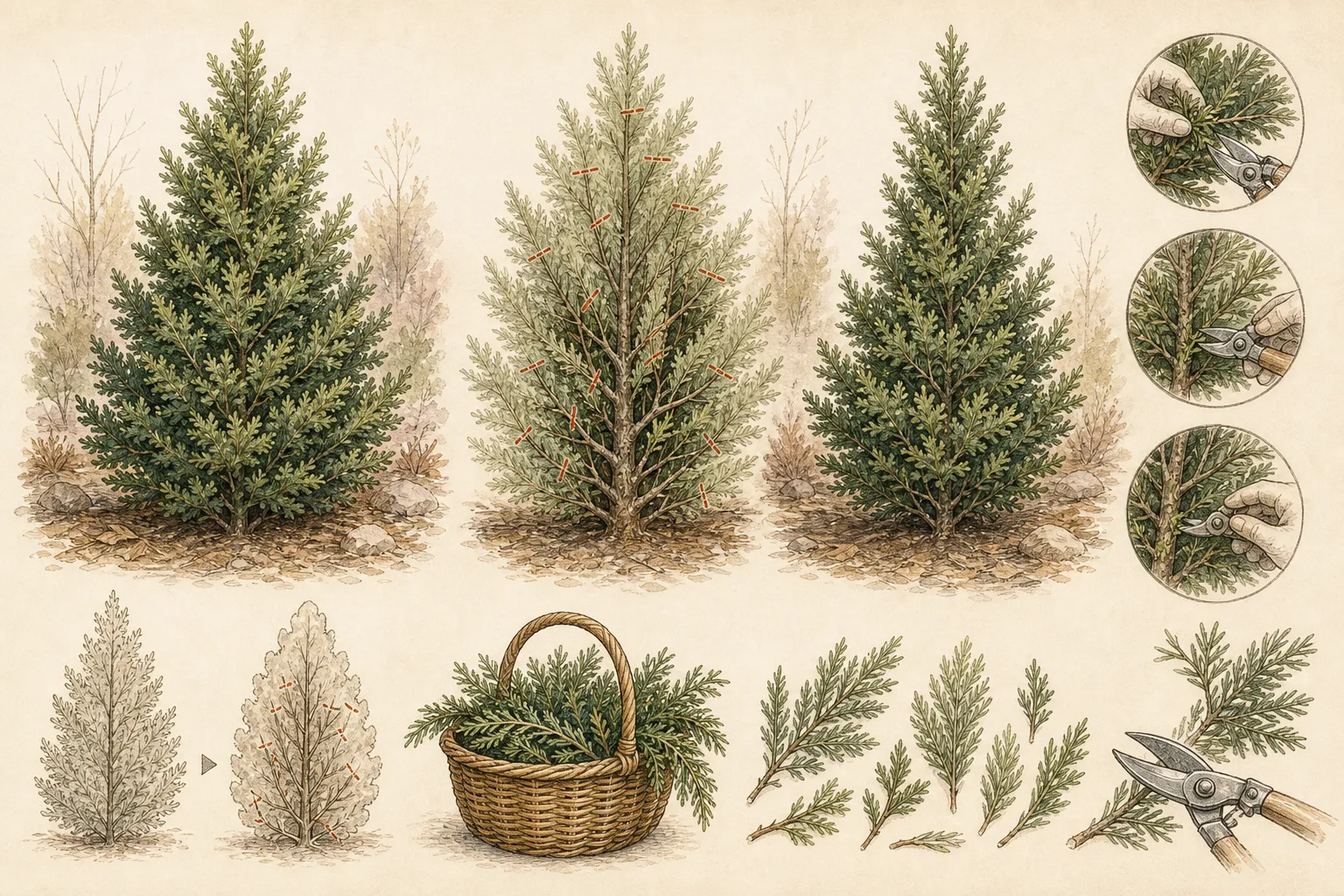
Gather Evergreen Boughs Without Disfiguring Garden Plants
Cut holiday greenery from landscape evergreens with hidden regenerative cuts, species-aware restraint, and even distribution so the garden still reads whole after harvest.
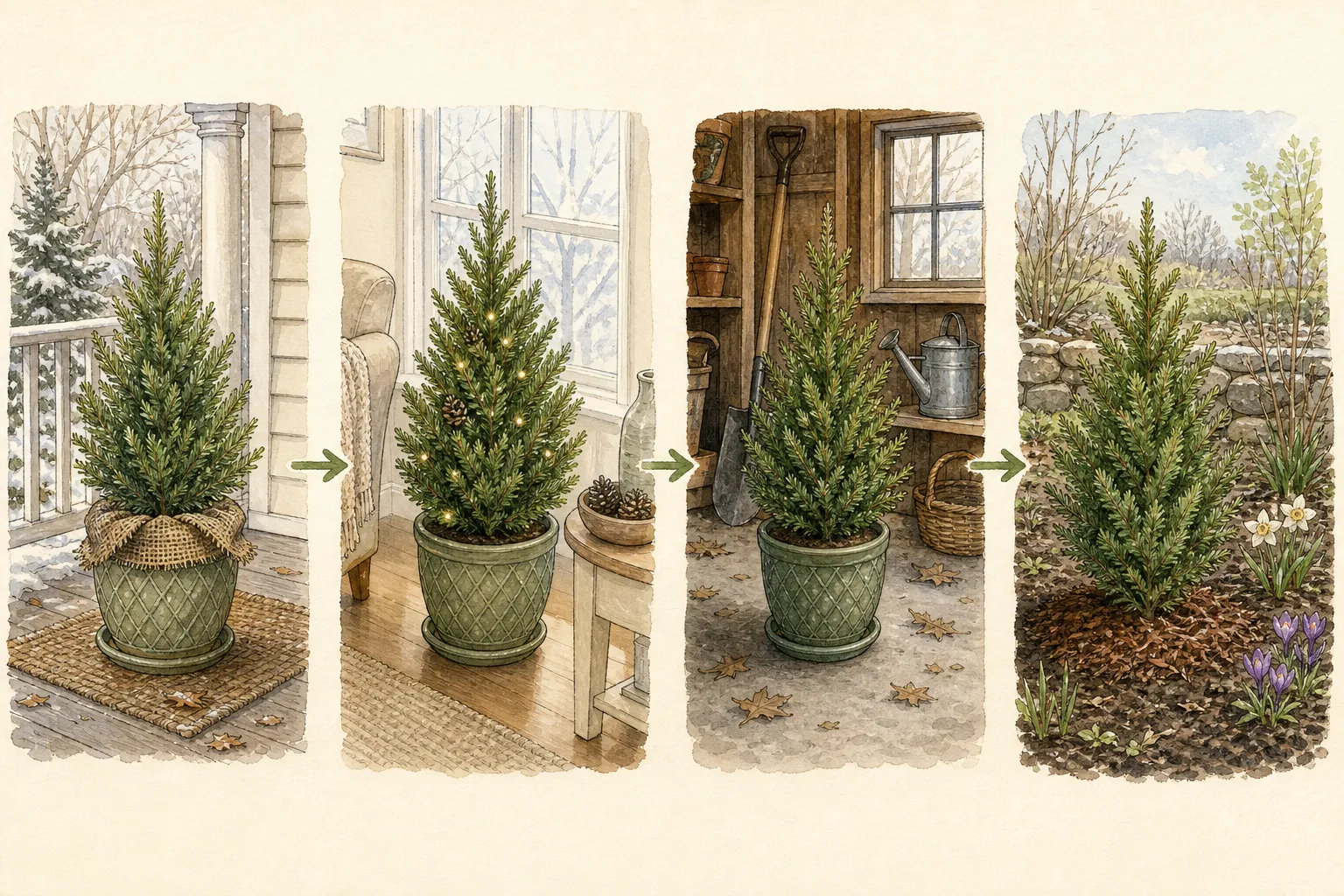
Acclimate a Living Tabletop Conifer After the Holidays
Move a living tabletop conifer out of the house without breaking dormancy: limit indoor display, re-stage it through an unheated shelter, and plant or overwinter it according to hardiness.
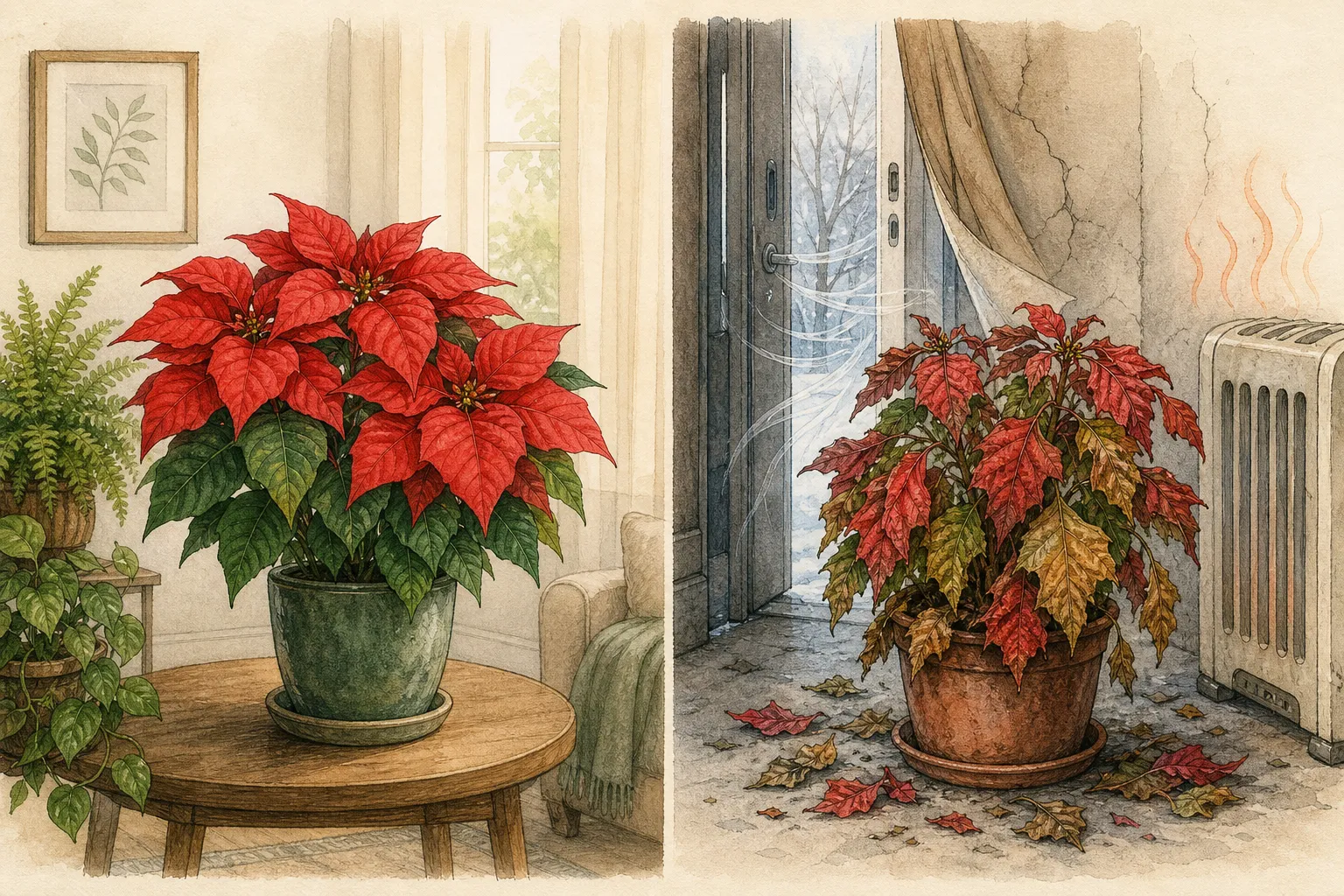
Keep a Poinsettia Healthy Through the Holiday Season
Keep a holiday poinsettia attractive for weeks by preventing cold shock, giving bright indirect light, and watering only after the decorative wrapper can drain freely.
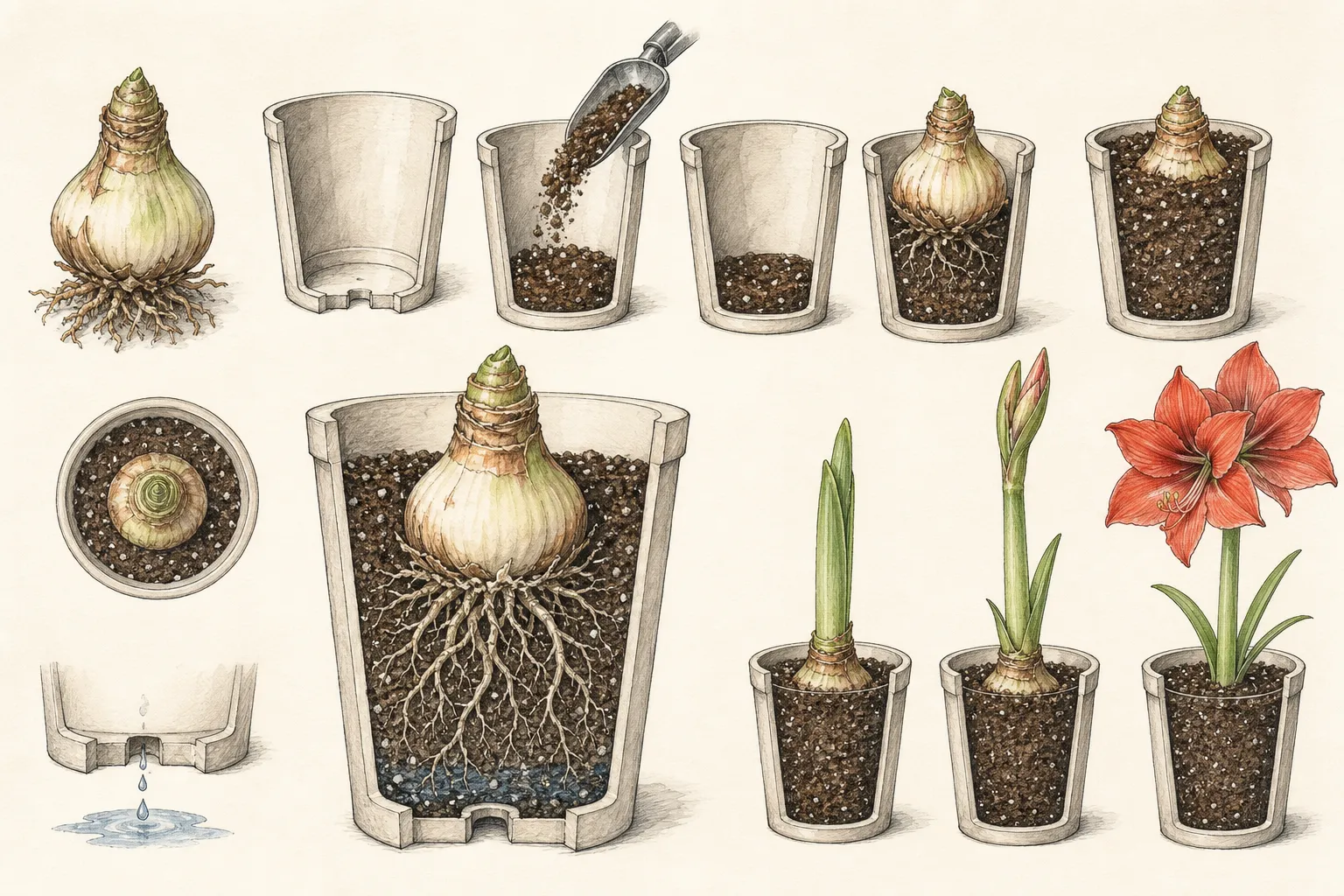
Pot and Start an Amaryllis Bulb for Midwinter Bloom
Pot an amaryllis bulb in a tight draining container, keep the neck exposed, and sequence warmth, light, watering, and cooler display temperatures for a straight midwinter show.
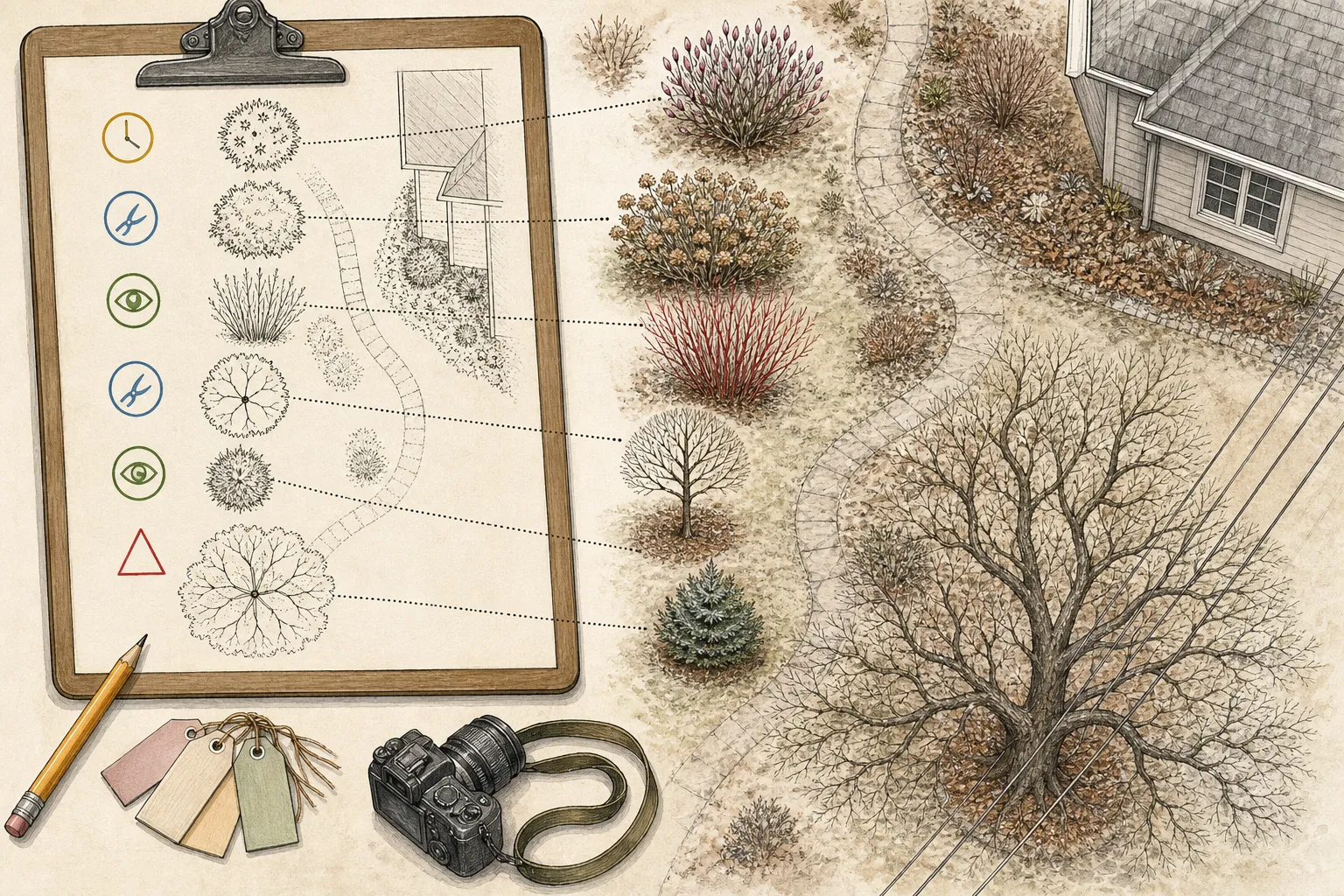
Make a Dormant-Season Pruning Map Before Cutting
Inventory each woody ornamental, preserve flower buds and structural targets, assign a timing lane, and mark professional boundaries before pruning begins.
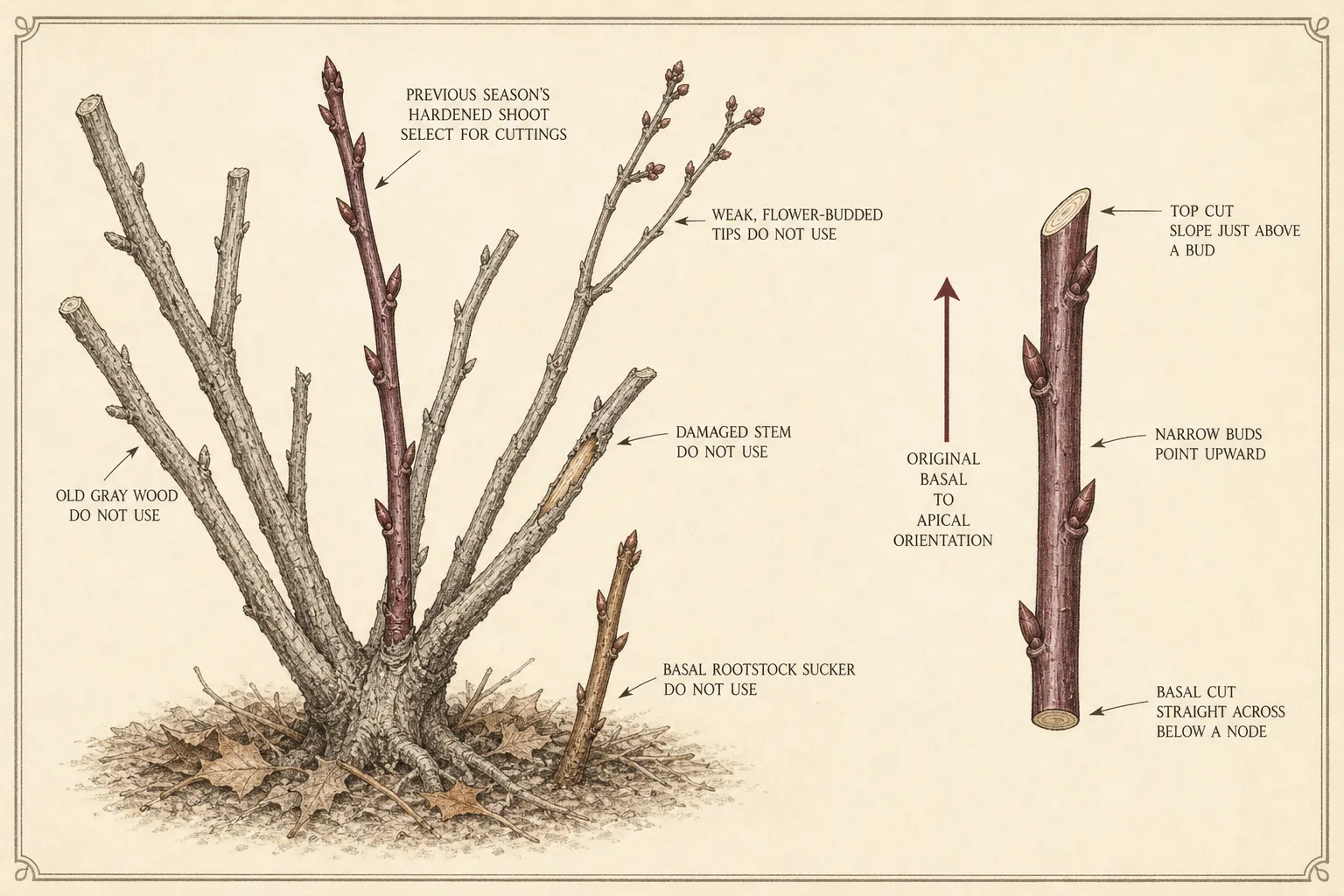
Build a Hardwood-Cutting Nursery Row for Deciduous Ornamental Shrubs
Sort dormant shrub wood by species and batch, prepare correctly oriented cuttings, and root suitable material in a labeled outdoor nursery row.
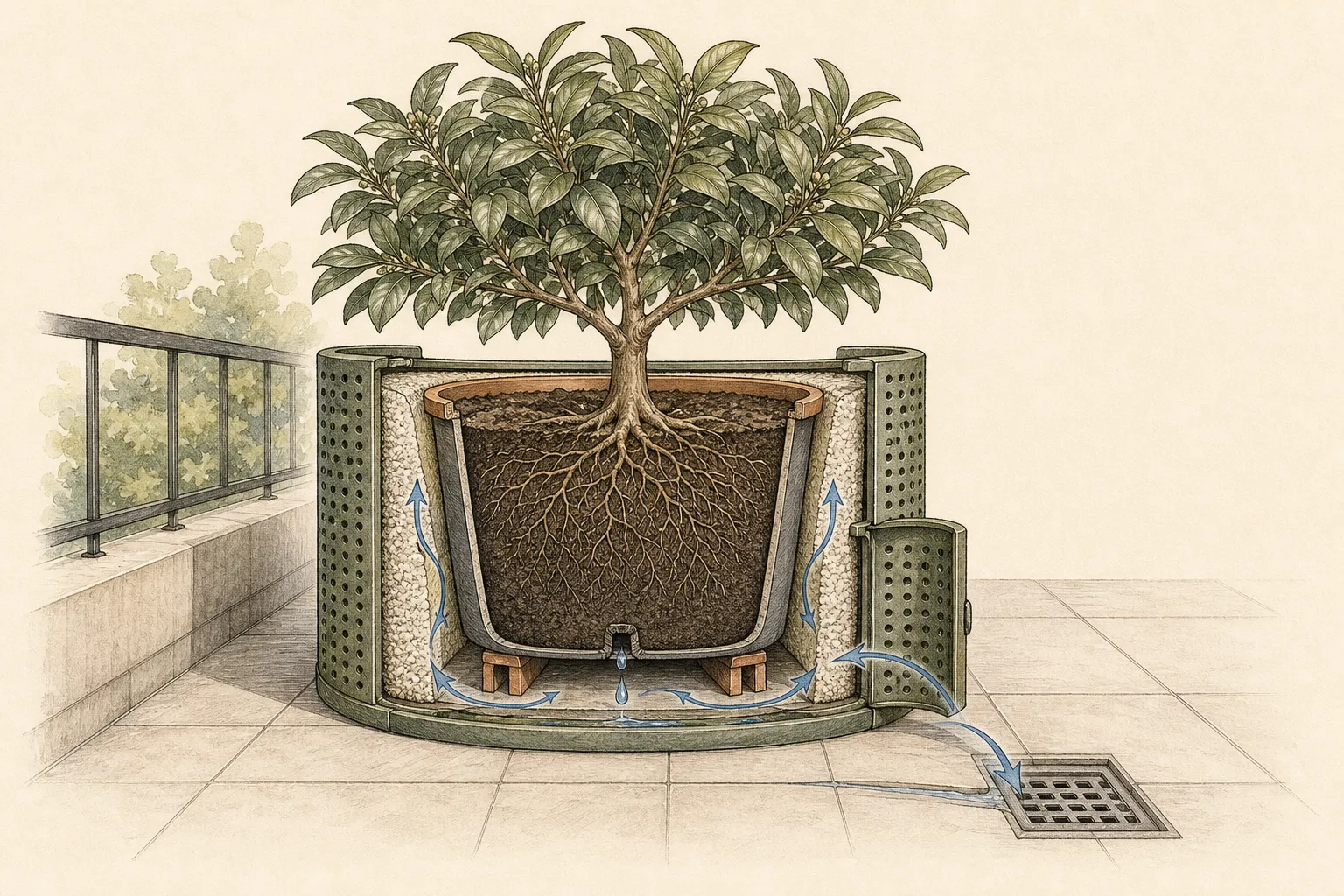
Shelter Broadleaf Evergreen Containers on a Balcony
Decide whether a potted broadleaf evergreen can remain outside, then buffer the exposed root ball, reduce winter wind and sun, preserve drainage, and keep the shelter safe on a balcony.
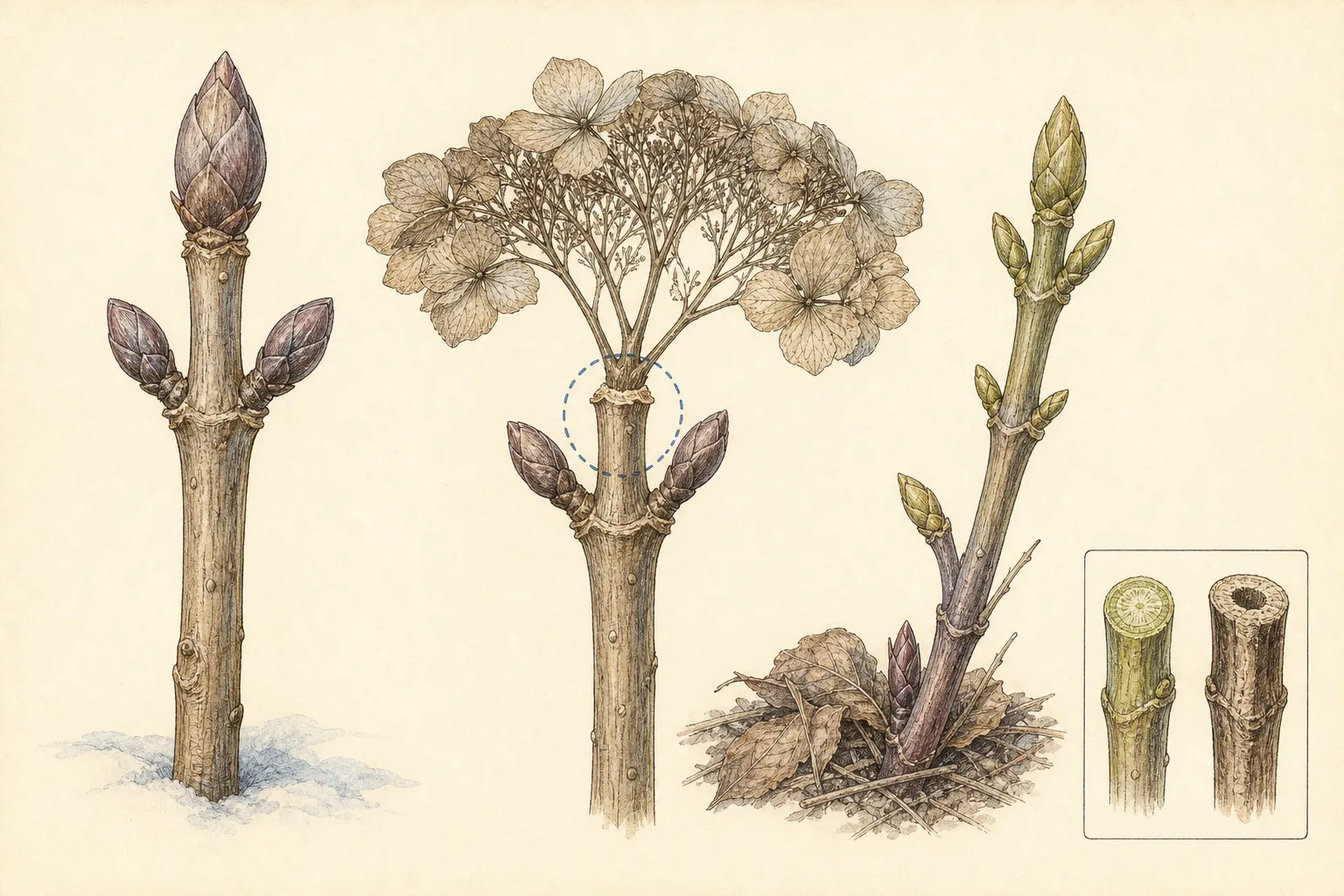
Preserve Bigleaf Hydrangea Flower Buds Through Winter
Identify the bud-bearing old stems of bigleaf hydrangea, stop late pruning, choose protection by cultivar and climate, and use a leaf-filled mesh cylinder without breaking the buds it is meant to save.
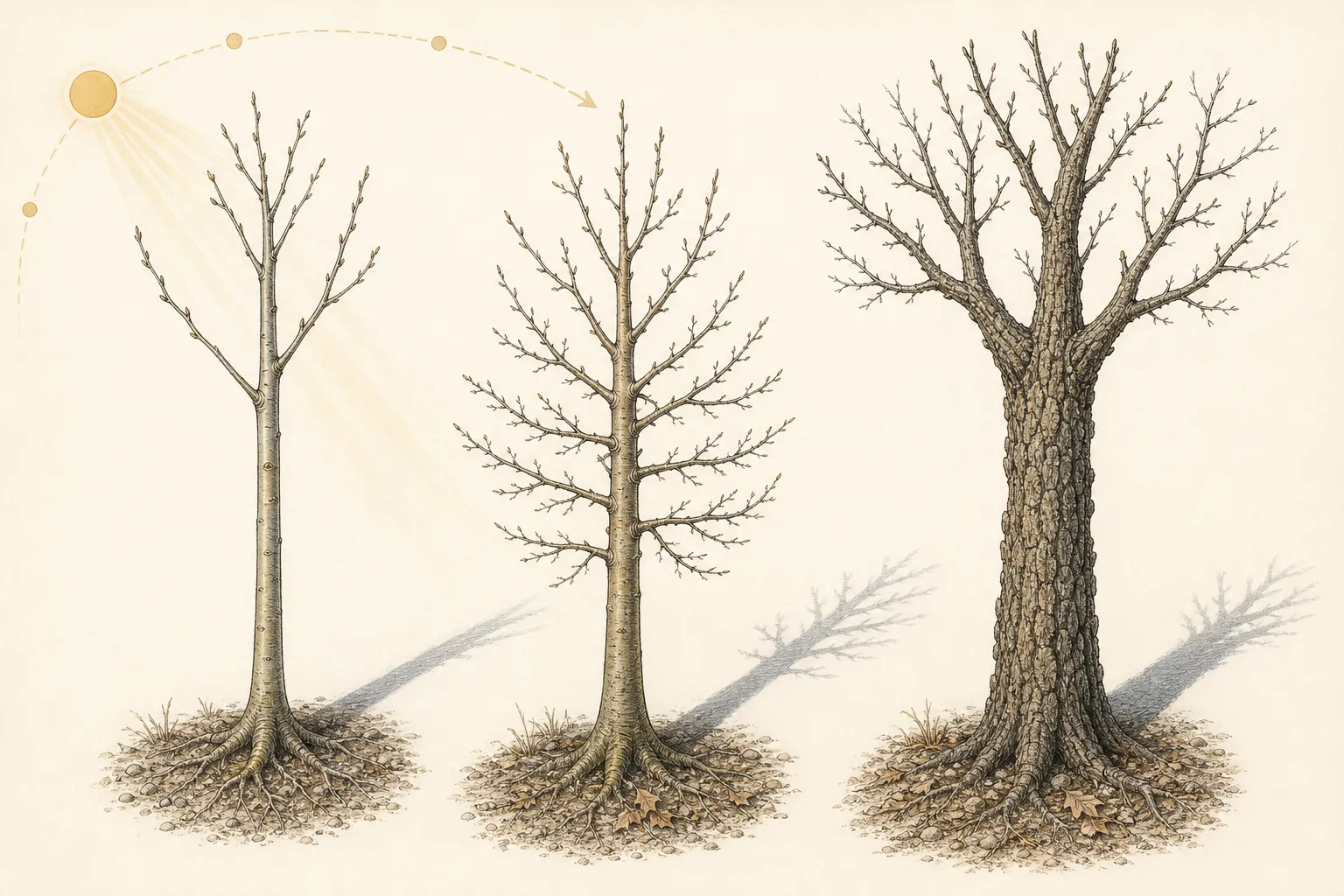
Protect Young Ornamental Tree Trunks from Winter Injury
Identify thin-barked young trees at real risk of southwest injury, strengthen establishment care first, and use a light seasonal trunk wrap only where its limited shading role fits.
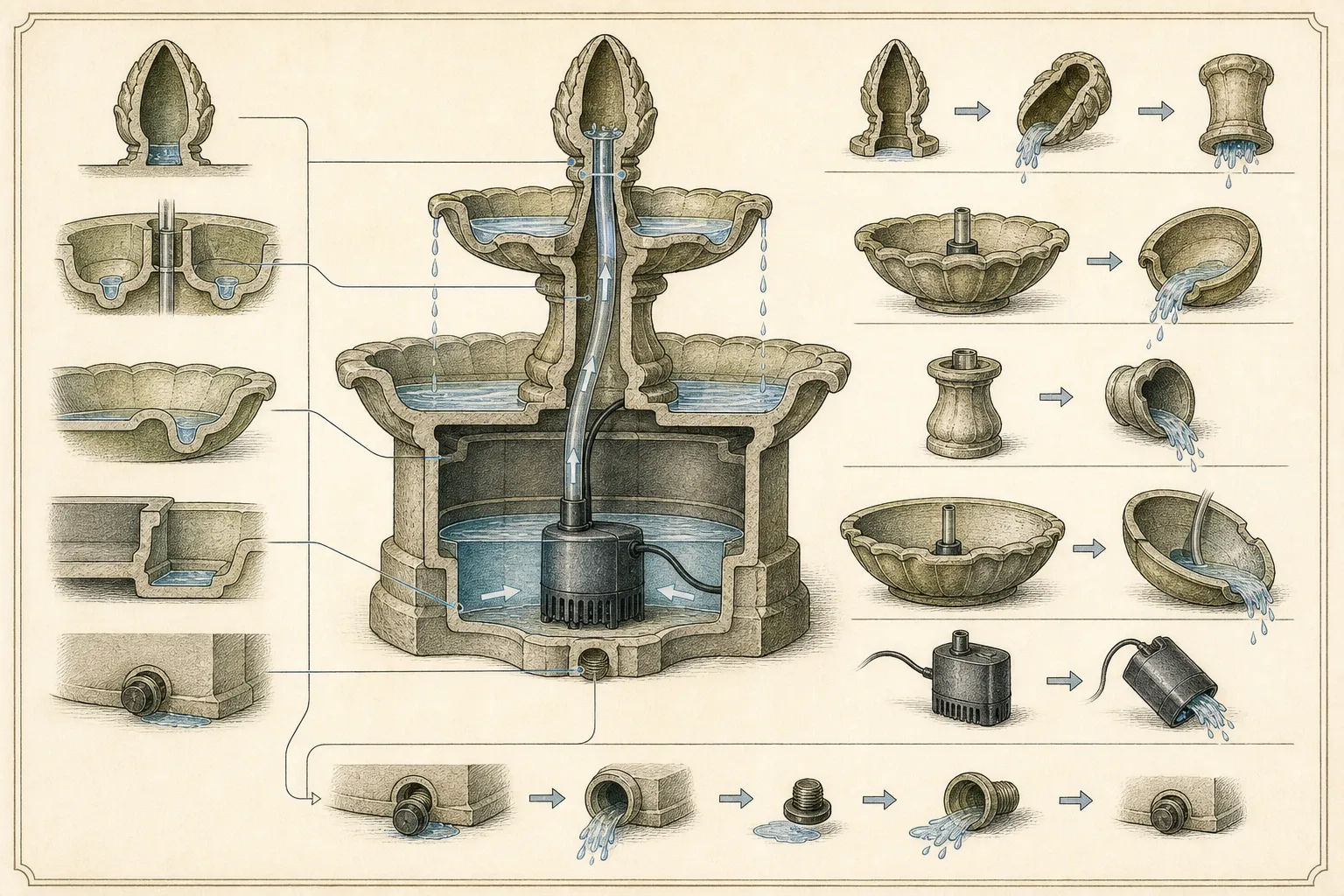
Drain and Winterize a Small Garden Fountain
Shut down a self-contained garden fountain before hard frost, empty every water-holding pocket, service the pump by its manual, and keep the dry basin from refilling through winter.
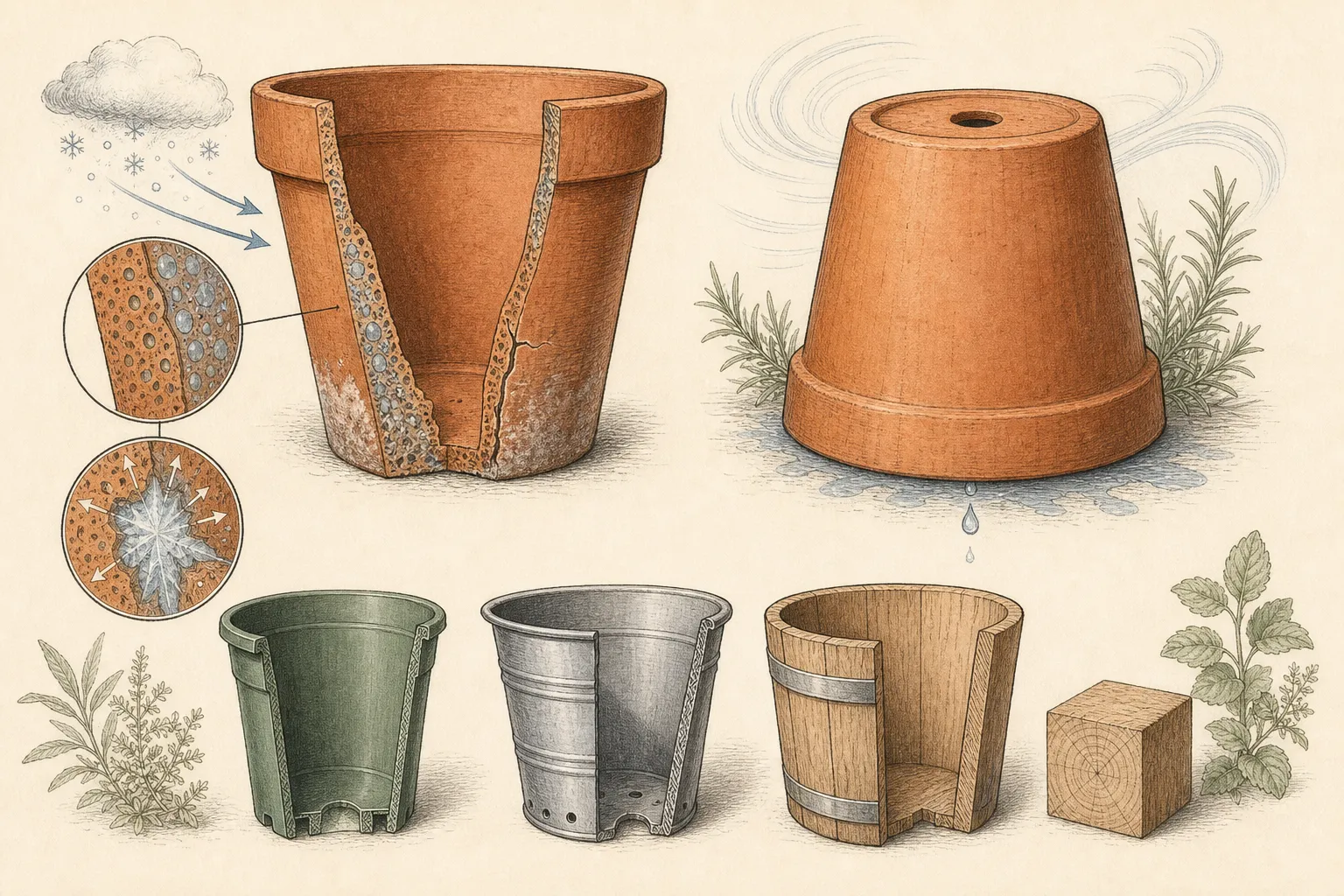
Store Empty Garden Pots to Prevent Freeze Cracks
Empty, dry, sort, and stabilize unused garden pots before freeze-thaw cycles turn trapped moisture and leftover soil into cracked containers.
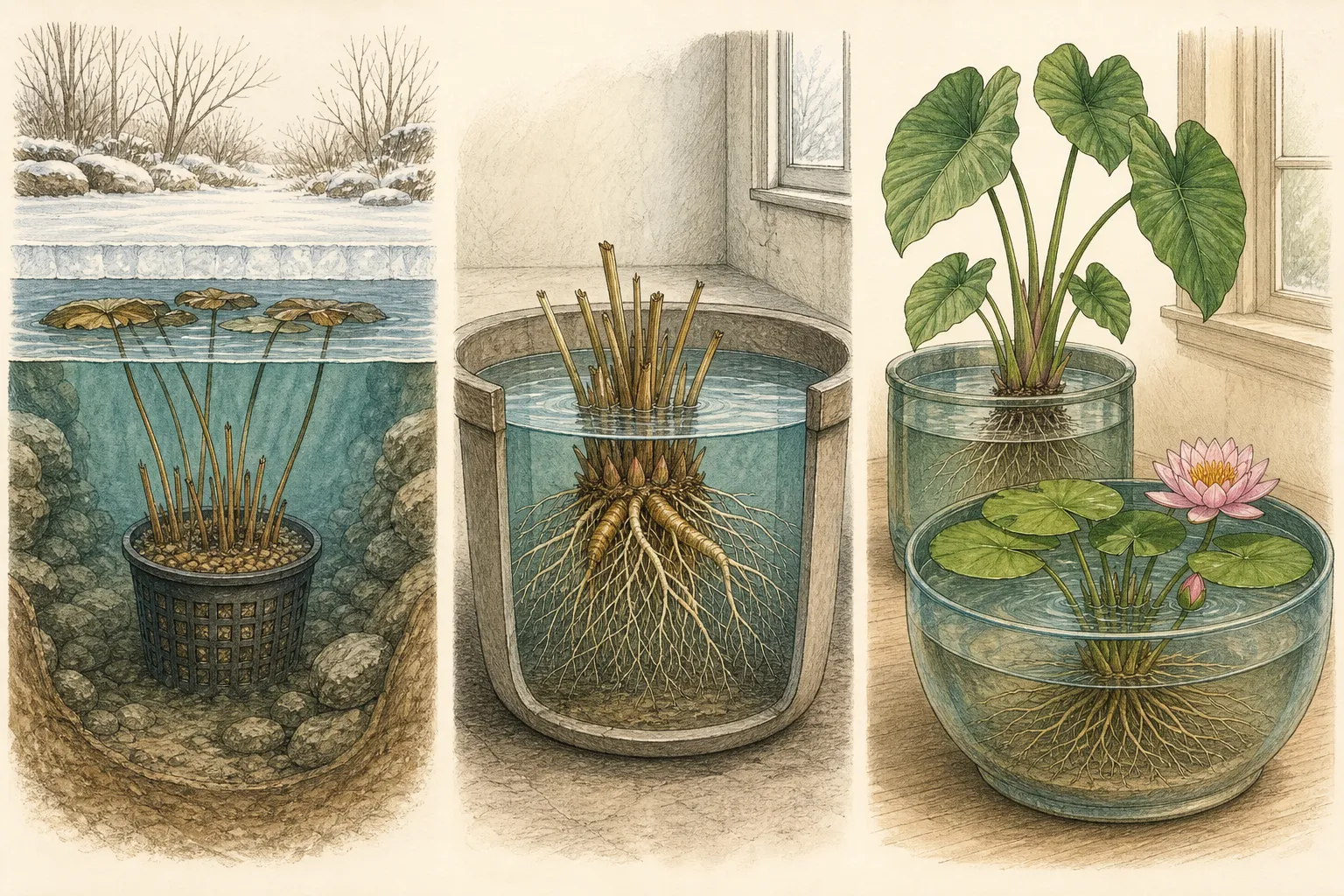
Overwinter Tender Aquatic Plants from a Garden Pond
Sort pond plants by verified hardiness, move tender specimens into workable indoor holding systems, and keep them contained until spring.
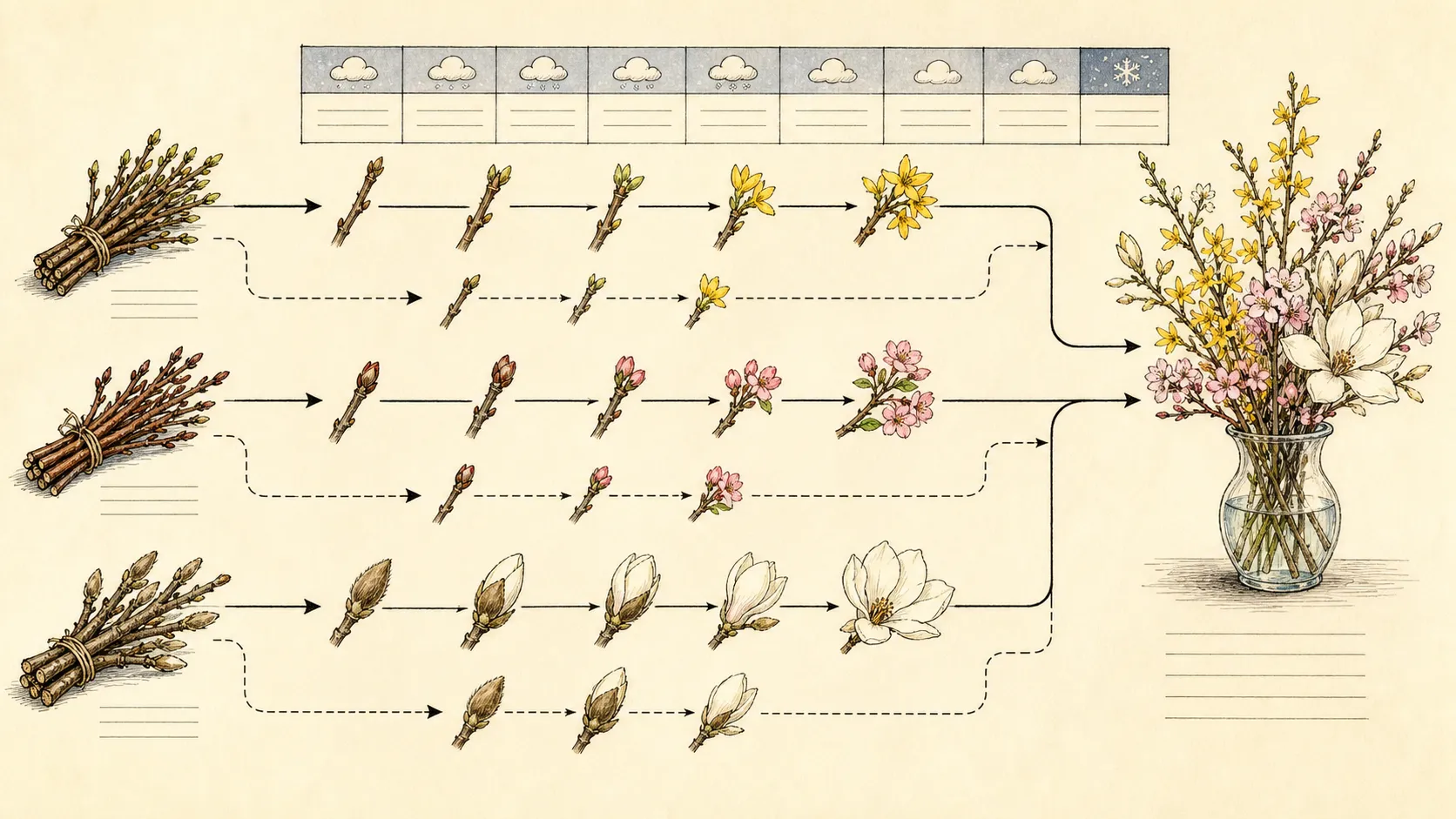
Build a Branch-Forcing Calendar for Flowering Shrubs
Plan flowering-shrub cut dates backward from desired indoor bloom dates, then replace published ranges with observations from your own garden.
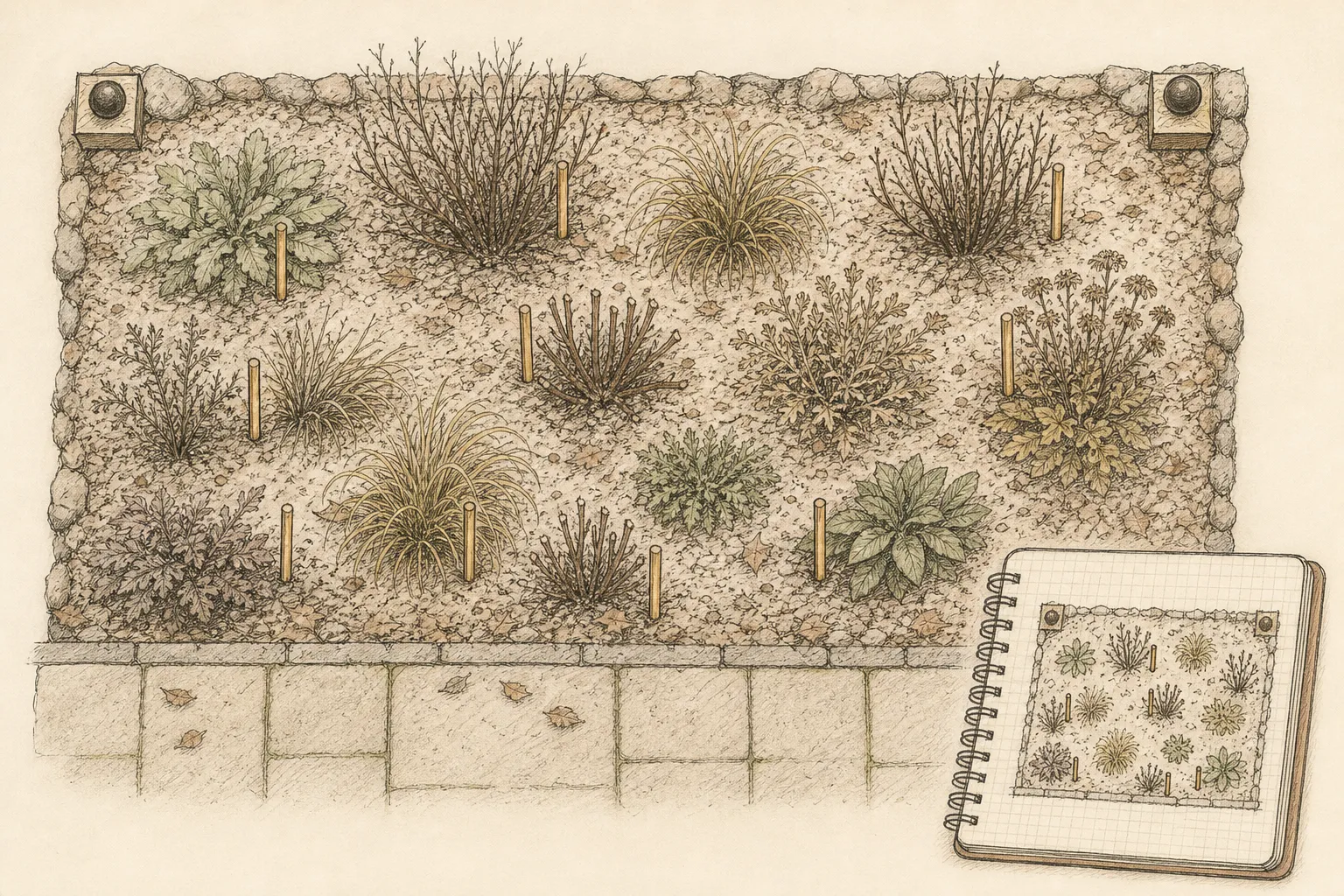
Mark Dormant Perennial Crowns Before Winter
Mark late-rising and easily disturbed perennial crowns with consistent off-crown stakes and a simple bed map before winter removes the visible cues.
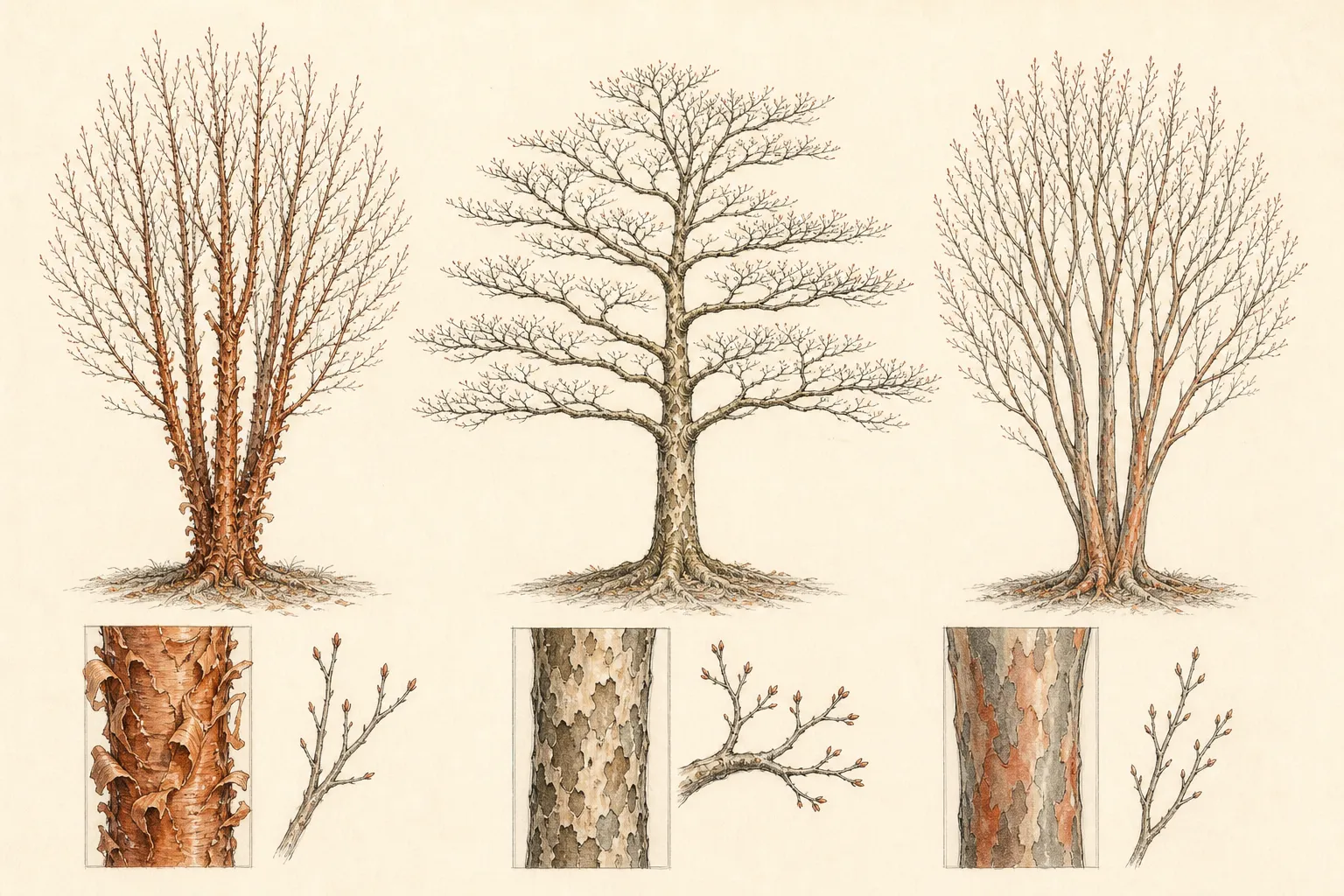
Choose Small Ornamental Trees for Bark and Branching
Choose a small ornamental tree by its mature winter silhouette, bark development, site clearance, and nursery structure instead of judging flowers alone.

Move an Established Deciduous Shrub with a Staged Root-Pruning Plan
Choose a source-bounded root-ball framework, root-prune months ahead, prepare the receiving hole first, and move a dormant shrub without lifting by its stems.
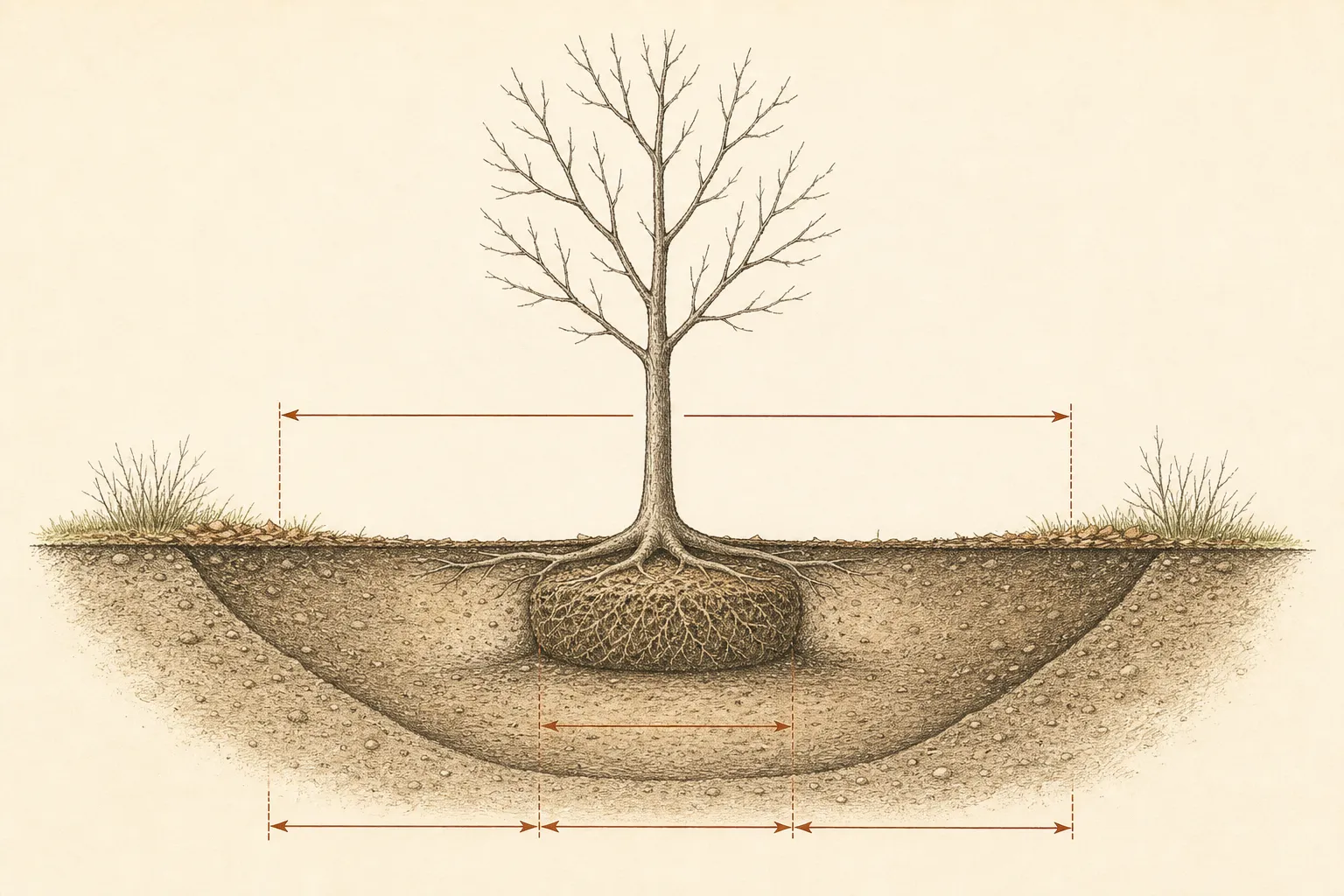
Plant a Deciduous Ornamental Tree After Leaf Fall at the Root Flare
Use leaf fall as the first timing gate, then verify workable soil, expose the true root flare, prepare a wide firm-bottomed hole, and establish the tree through winter.
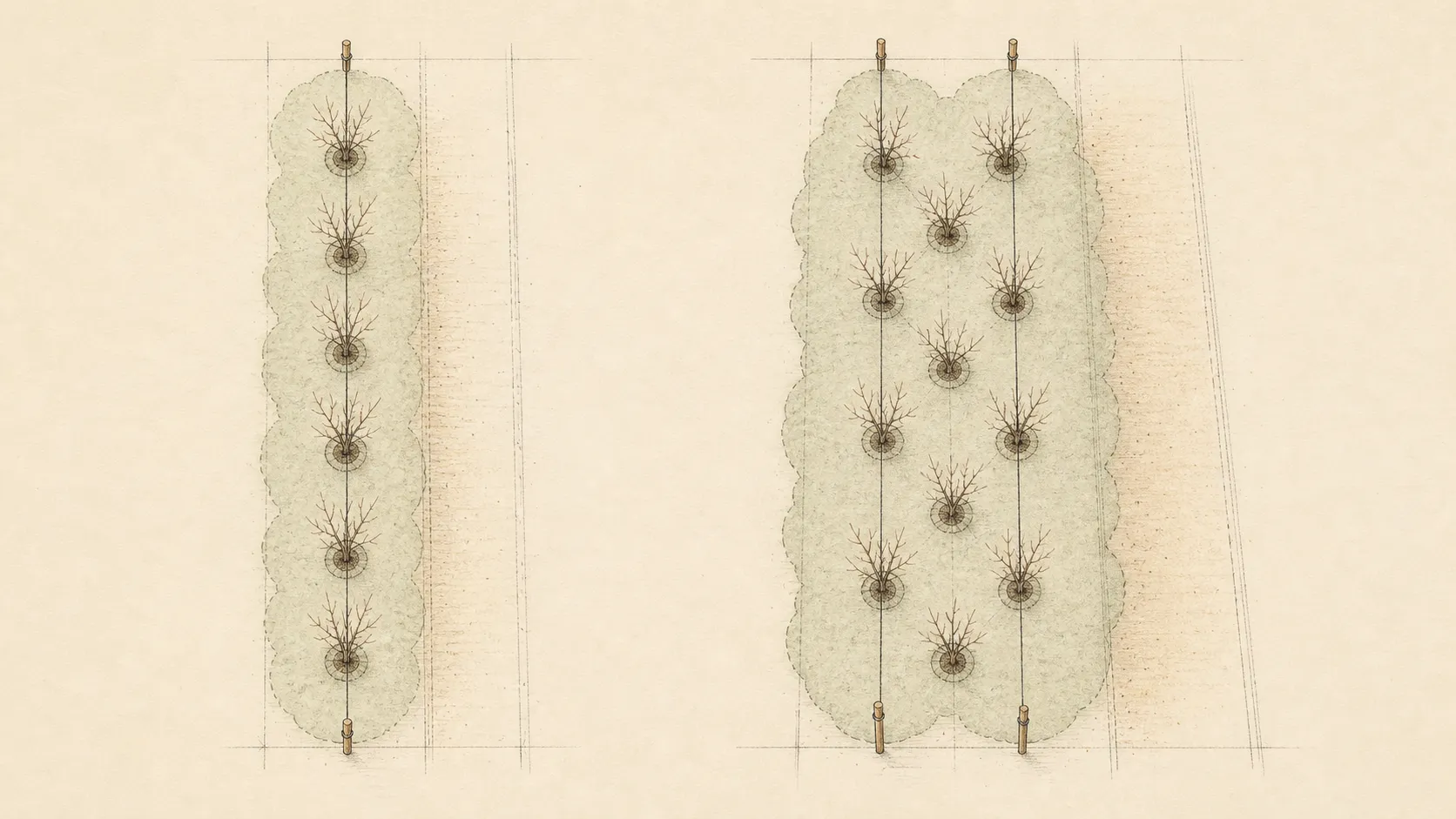
Plant a Deciduous Hedge During the Dormant Season
Set out a deciduous hedge as a maintainable garden boundary, respect regional bare-root planting windows, keep roots moist, and establish each shrub at the correct depth and spacing.
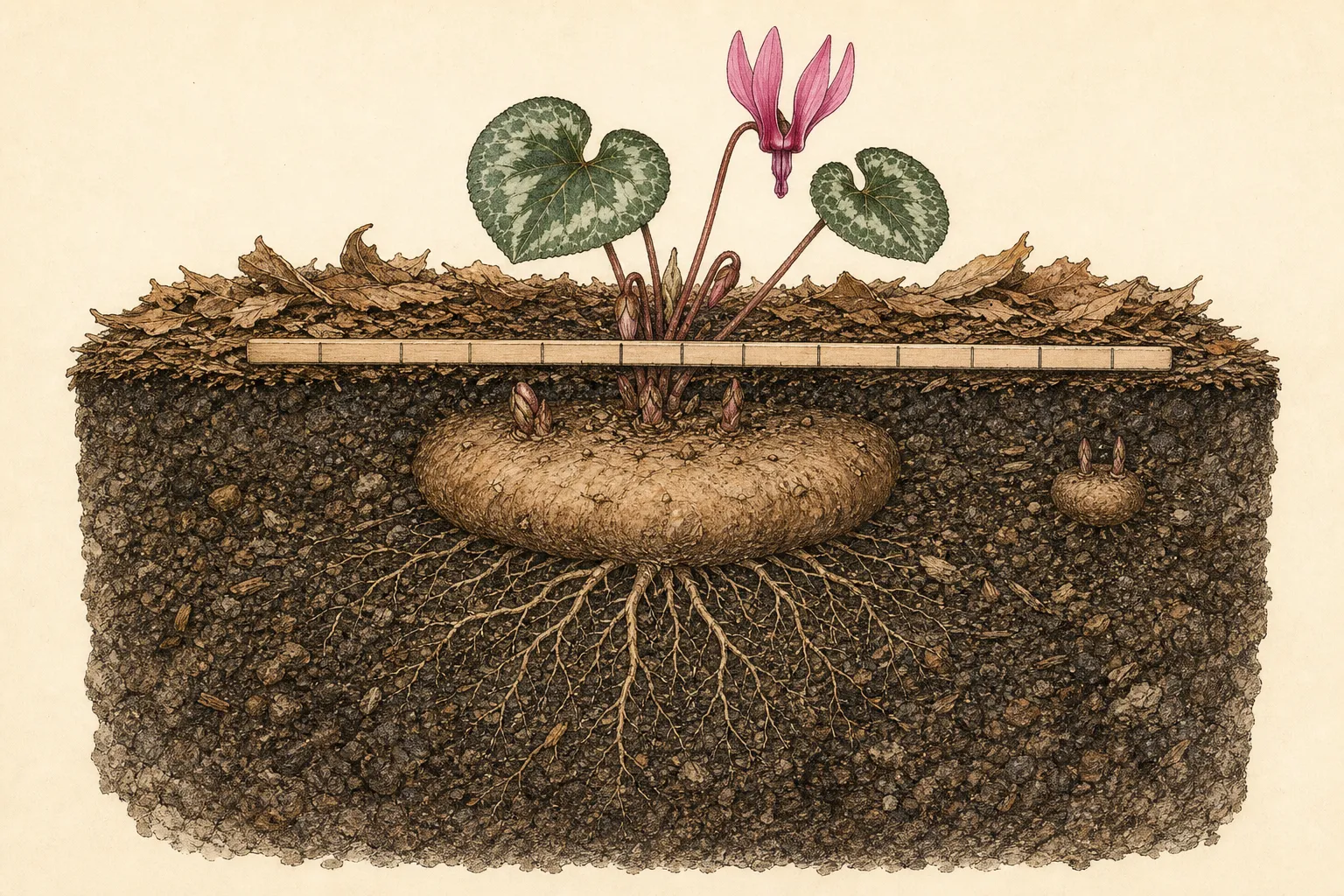
Plant Cyclamen coum Tubers for a Winter Woodland Edge
Distinguish hardy Cyclamen coum from florist cyclamen, choose a visible woodland edge with summer drainage, and set tubers shallowly for a winter colony.
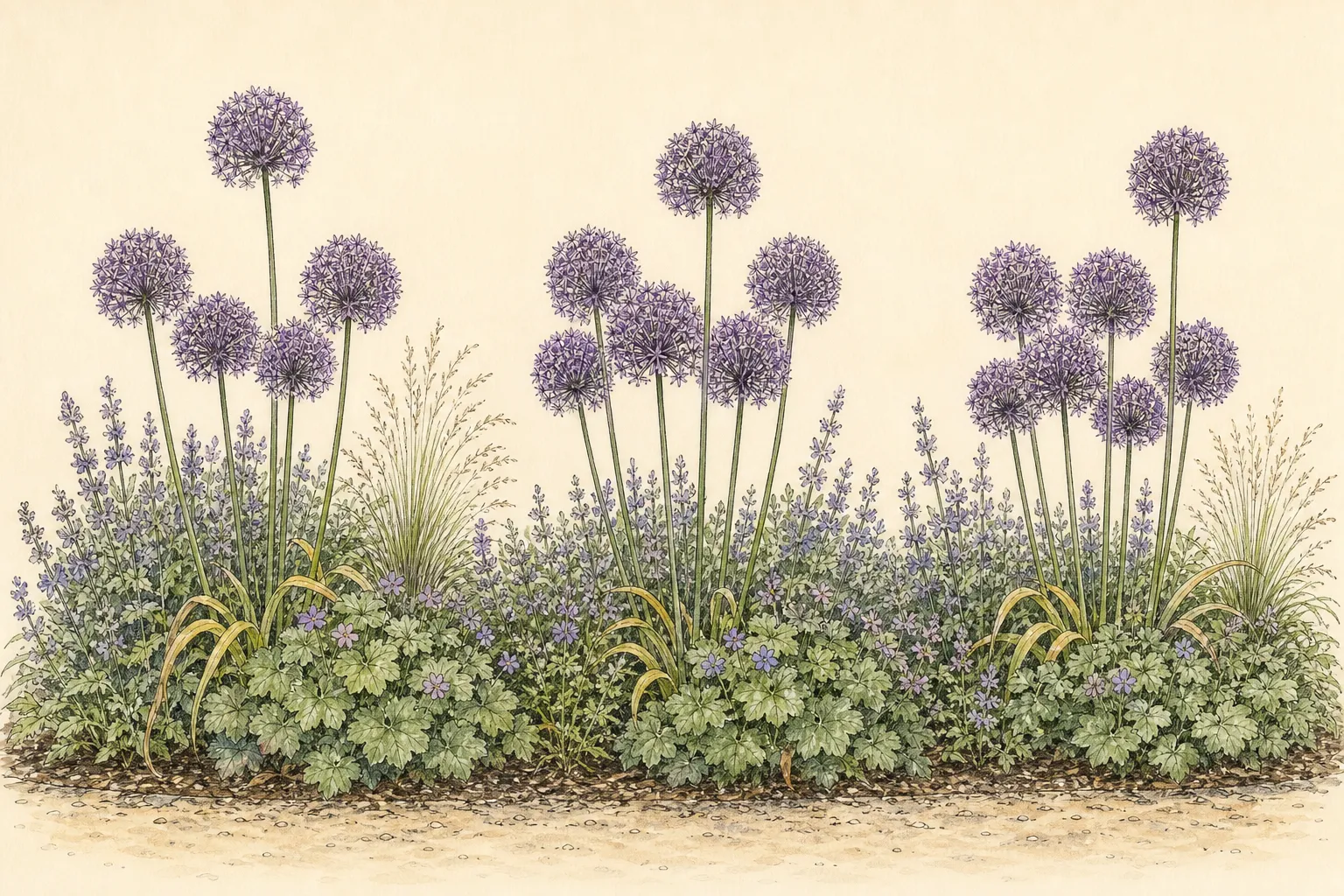
Plant Ornamental Alliums for Early-Summer Structure
Choose bulb-grown ornamental alliums by height and bloom window, repeat them through a sunny border, and use companion foliage to carry the planting into summer.
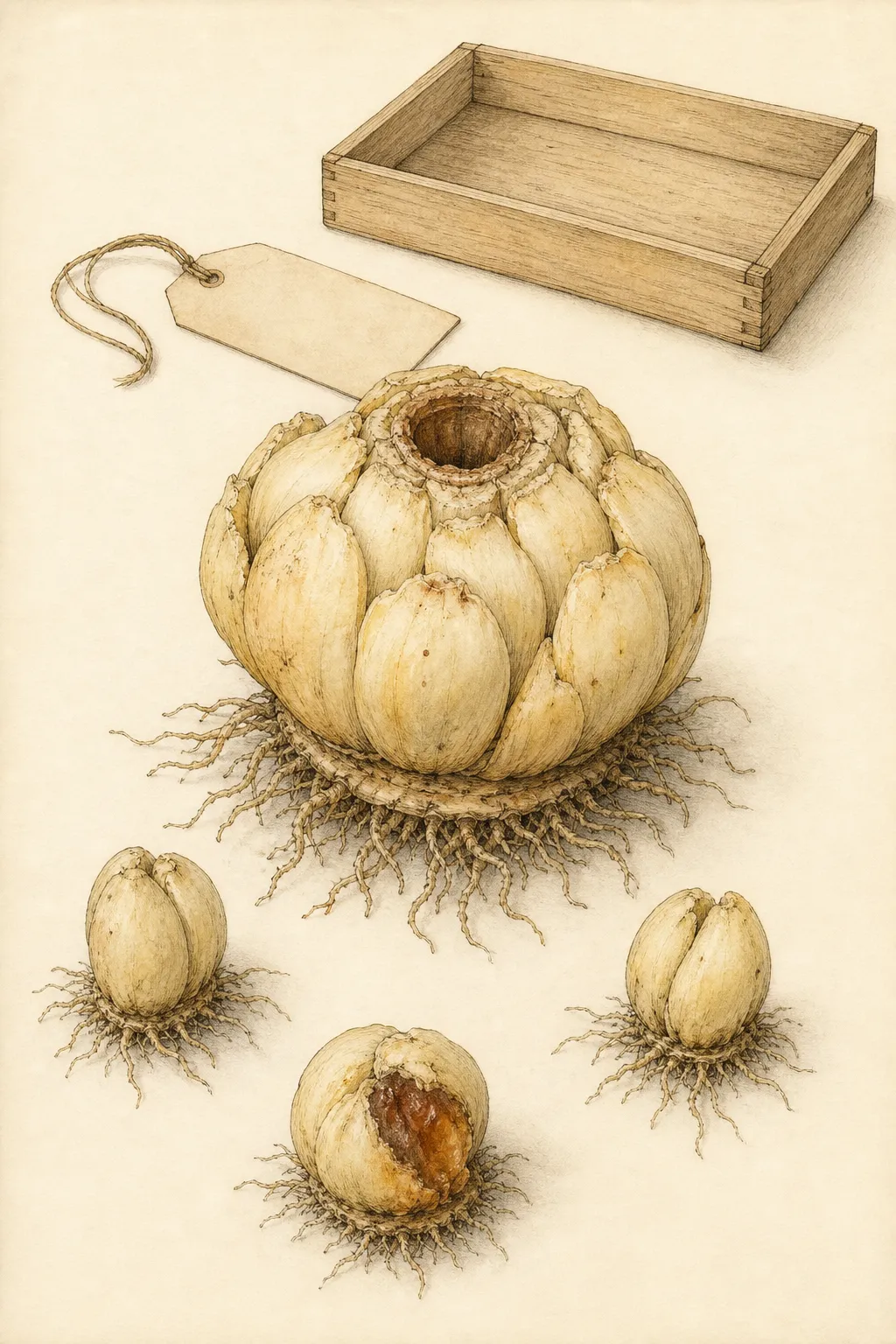
Plant Fritillaria Bulbs on a Freely Drained Autumn Site
Match each fritillary species to the right autumn moisture pattern, inspect fragile bulbs, and plant at a depth and orientation that let winter water escape.
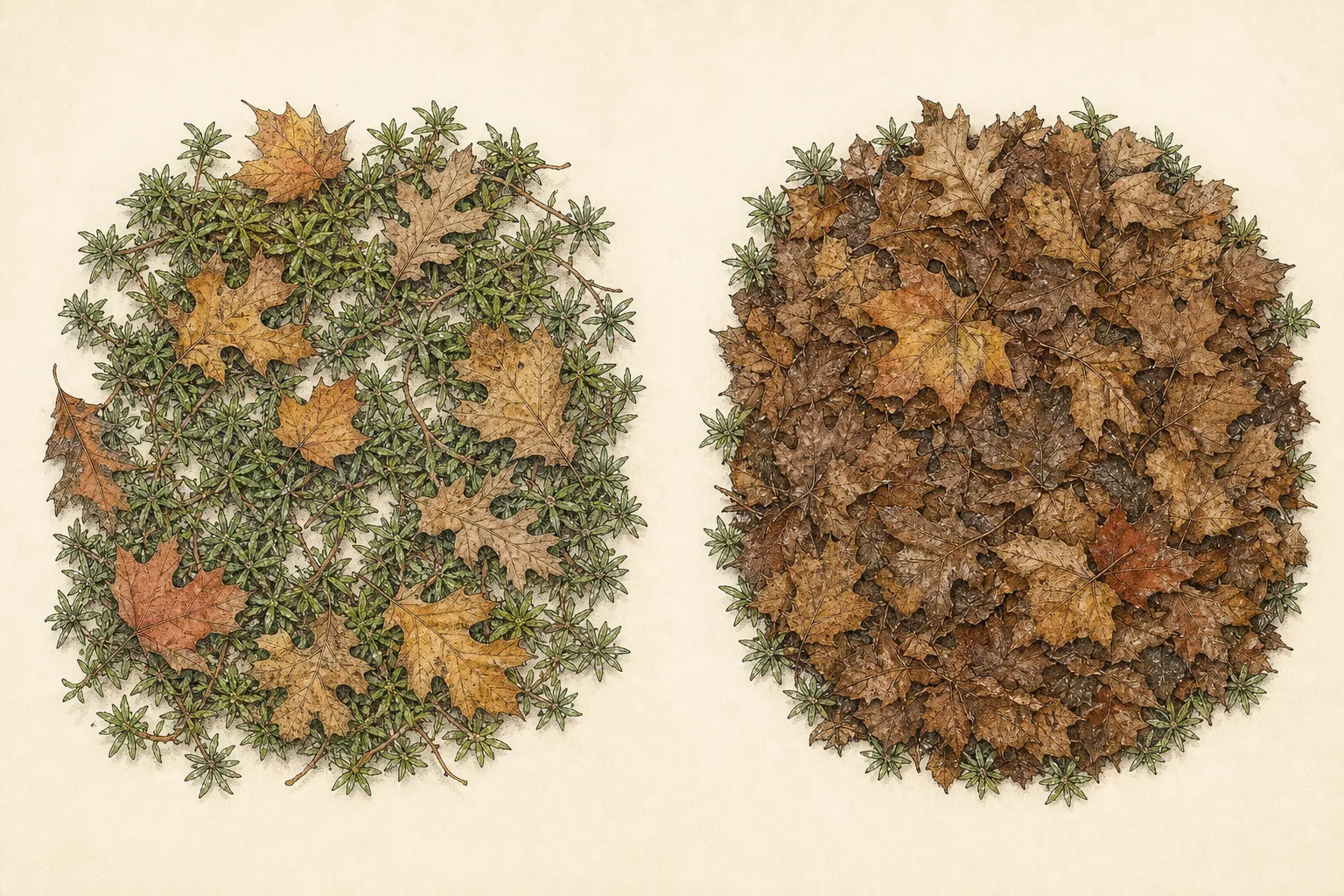
Clean Evergreen Groundcovers Before Snow Cover
Read the leaf load over evergreen groundcovers, uncover vulnerable crowns without stripping useful habitat, and move only the material that could mat or hold disease against living foliage.
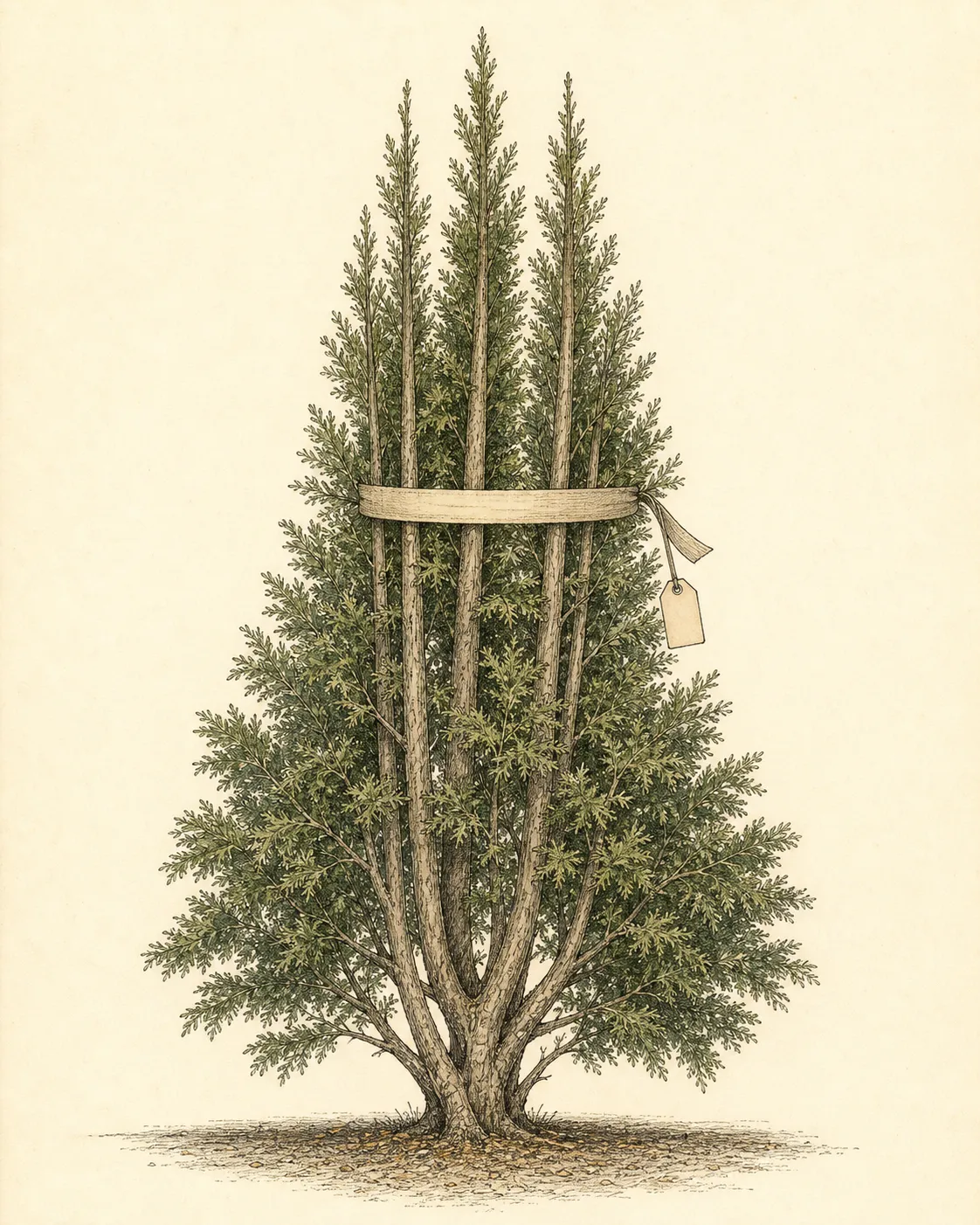
Tie Multi-Stem Evergreens Before Heavy Snow
Use broad temporary ties to gather small upright multi-stem evergreens before snow, without girdling bark, crushing foliage, or disguising a structural defect.
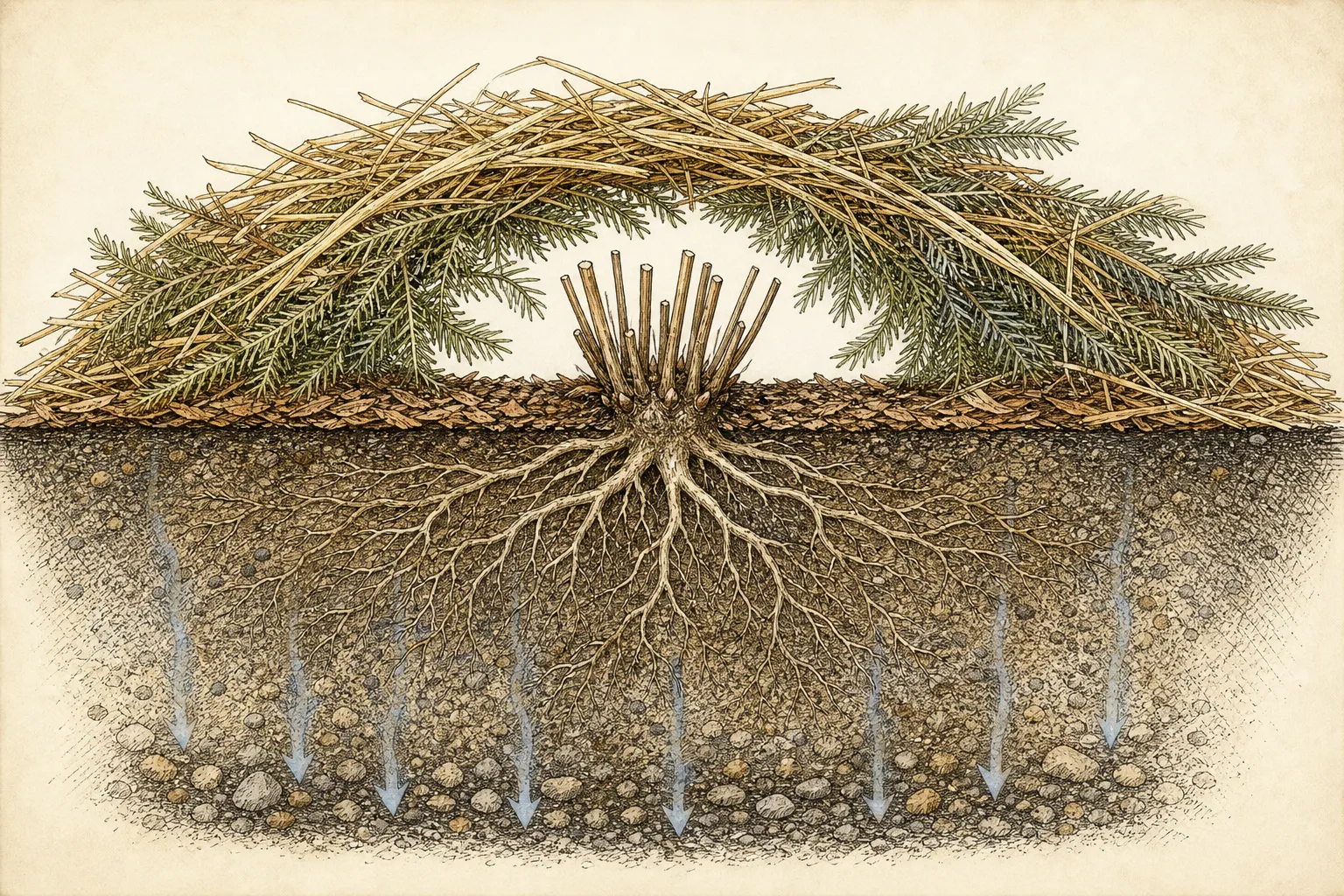
Winterize Newly Planted Perennials Without Smothering Crowns
Protect a new perennial’s first root zone from freeze-thaw heaving with well-timed loose insulation while keeping its crown at grade, airy, and drainable.
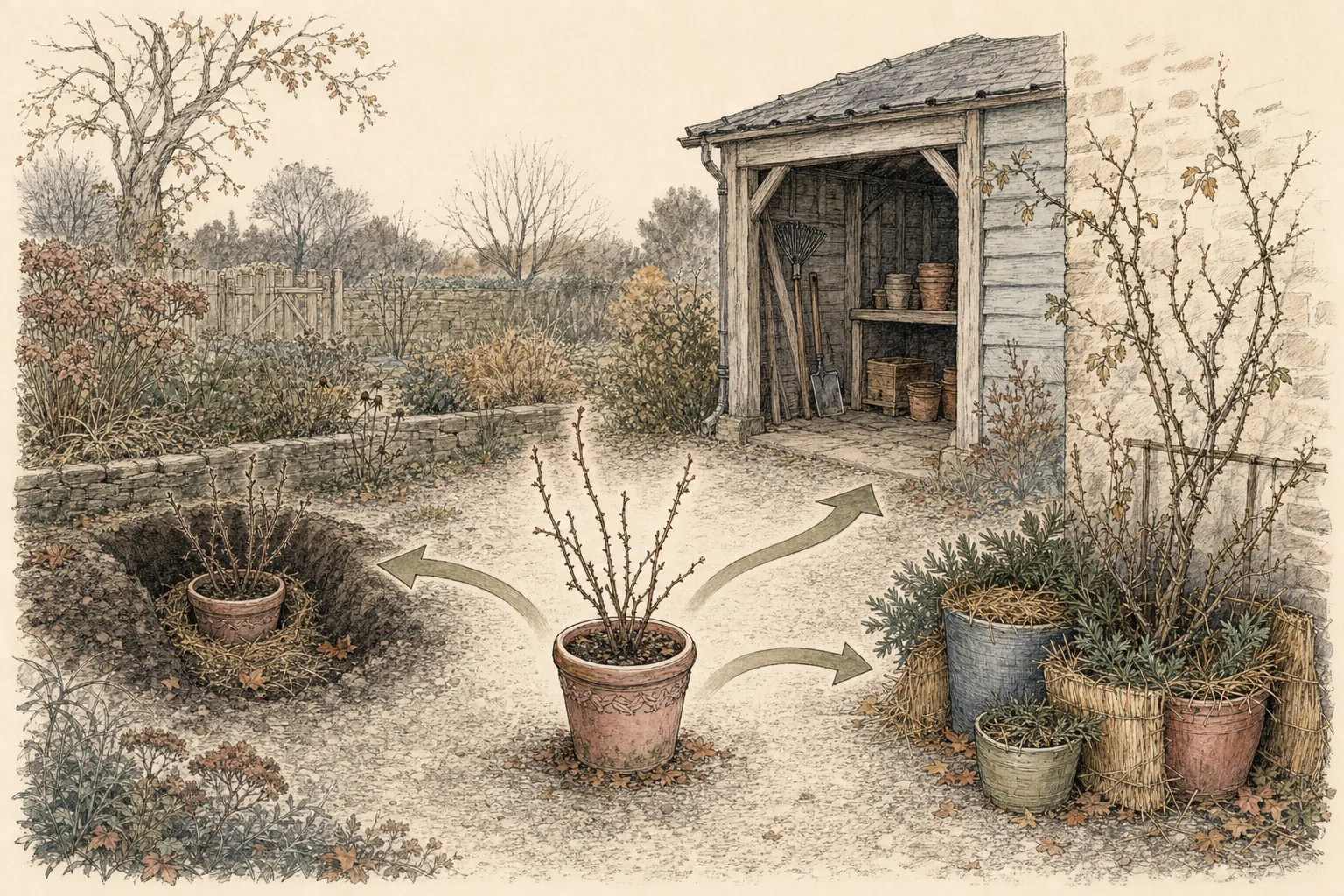
Protect Container Roses Through Winter
Choose a winter route for a dormant container rose by hardiness, graft position, pot durability, drainage, and the coldest exposure its roots will actually face.
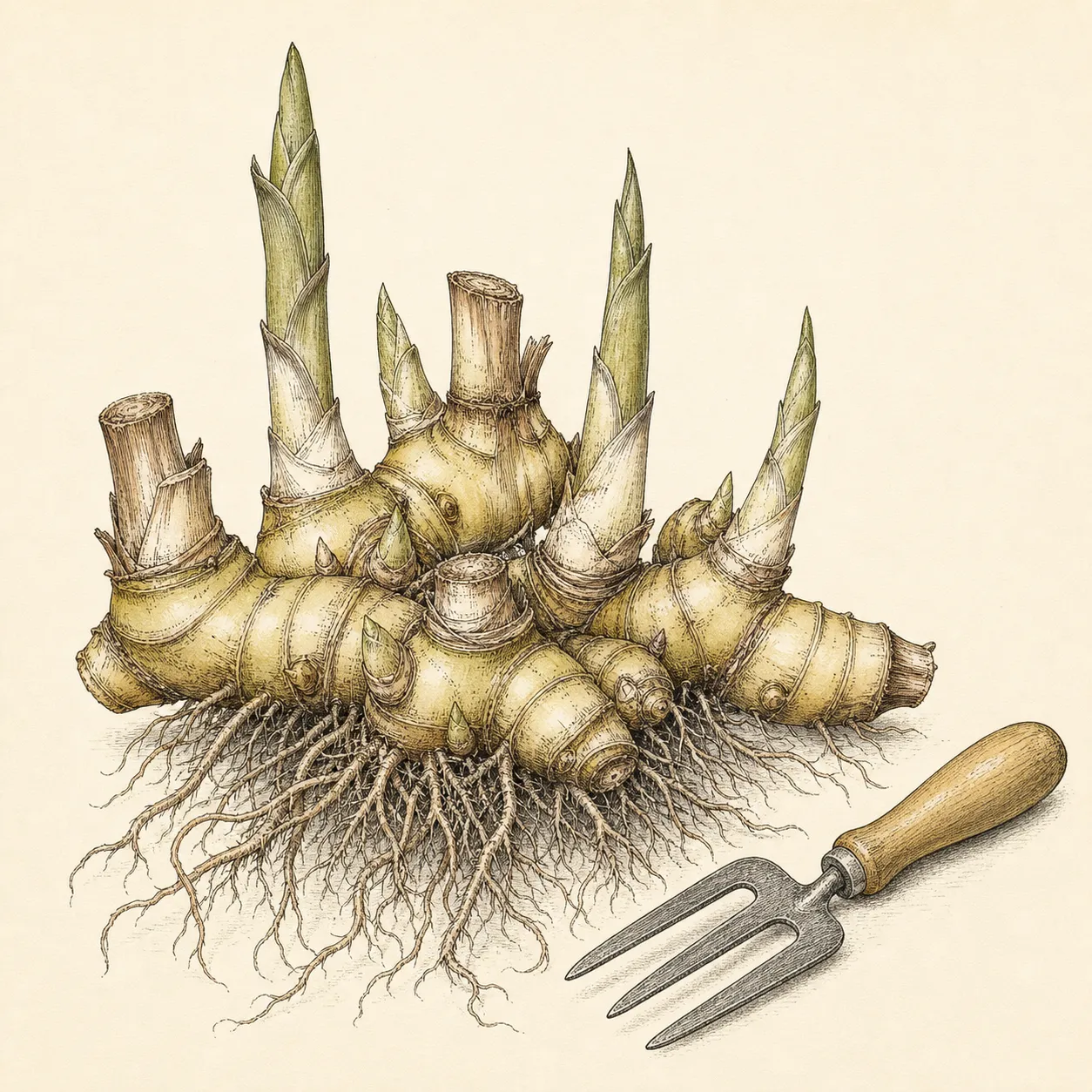
Lift and Store Canna Rhizomes for Winter
A canna-specific autumn method for lifting horizontal rhizomes after frost, preserving sound buds, and holding them cool, lightly buffered, and frost-free.
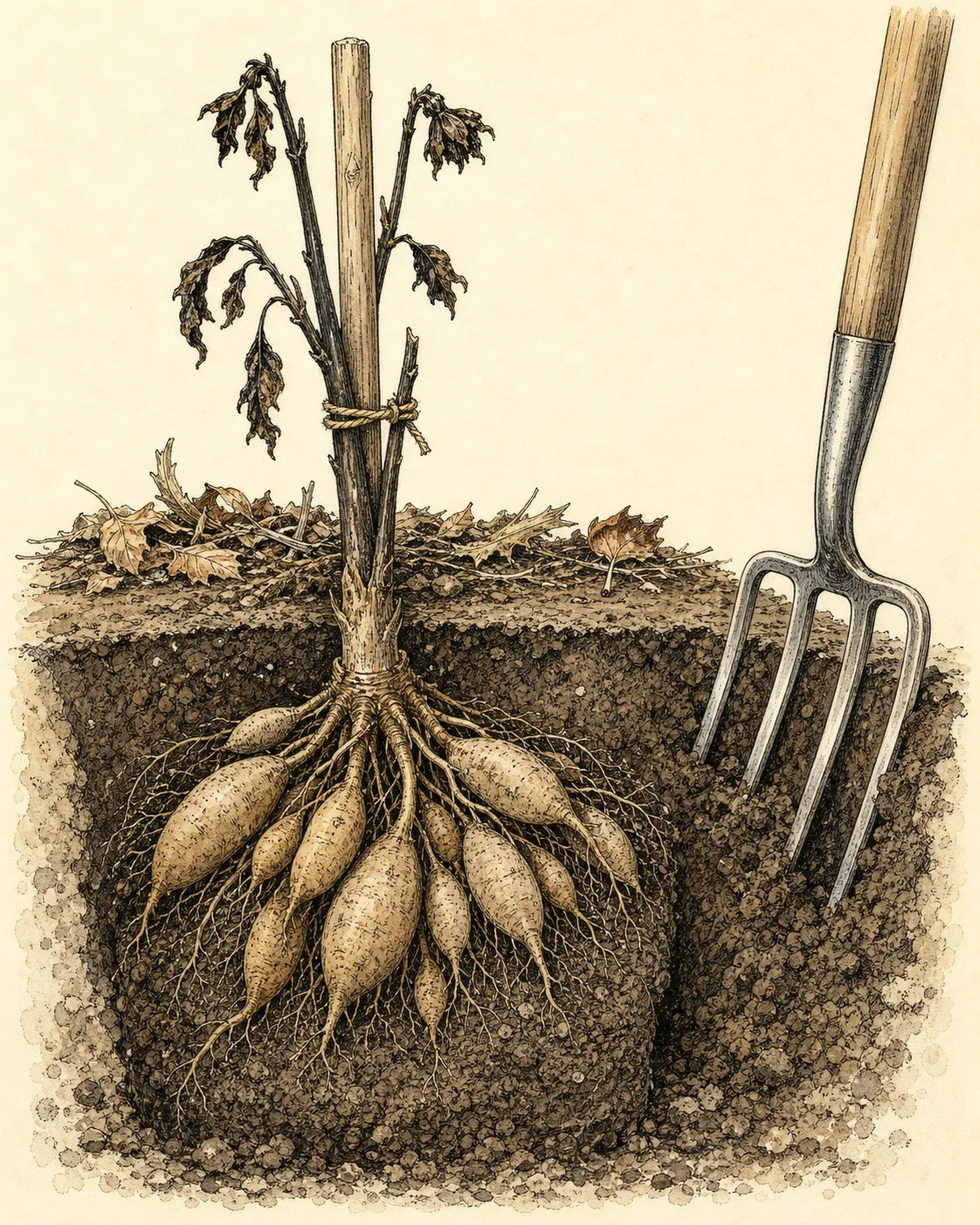
Lift and Store Dahlia Tubers After Frost
A careful post-frost method for labeling, lifting, drying, packing, and starting dahlia clumps into cool frost-free storage without broken necks or trapped rot.
No entries match this index. Try a broader plant name, subject or task.