Grow · leftover ornamental flower seed viability test
Test Leftover Flower Seed Before Giving It Bench Space
Run a small controlled germination test, distinguish viability from dormancy, and convert the result into a sowing decision without wasting rare ornamental seed.
Published Last updated
In this guide
- Verify the seed lot before testing it
- Research dormancy before choosing the method
- Build a small controlled test
- Maintain moisture without manufacturing mold
- Count normal, abnormal, and unresolved outcomes
- Interpret the result beyond one percentage
- Convert the test into a sowing plan
- Store the remainder with a clear next date
- Steps
Verify the seed lot before testing it
A germination test is meaningful only when the seed has a known identity and history. Gather the original packet, botanical name, cultivar, lot or harvest year, source, open date, and storage notes. Seed saved from a hybrid may germinate well without reproducing the parent plant. A packet whose label detached cannot be made reliable by a high percentage, because the resulting seedlings still cannot be placed or managed with confidence.
Inspect the packet for water staining, insects, split seams, condensation, mold, and mixed debris. Do not inhale dusty or moldy material. Isolate a suspect lot from clean seed and discard it safely when contamination is extensive. A test container should not be used to amplify an unidentified storage problem beside active indoor propagation. Wash hands and keep flower seed away from food preparation.
Review how the seed was stored. Longevity differs among species, but cool, dry, stable conditions generally preserve seed better than warm humid cycles. A year printed on a packet is not an expiration switch. Conversely, recent seed can lose viability after moisture or heat. Record the actual conditions as evidence and avoid promising a result from age alone.
Decide how much seed can be spent on the test. A packet with hundreds of inexpensive seeds can support a larger sample and replicates; a rare packet with twelve seeds may justify testing only a few or sowing all under carefully controlled conditions. The sample must be large enough to inform the garden decision without consuming the very material the decision is meant to protect.
Research dormancy before choosing the method
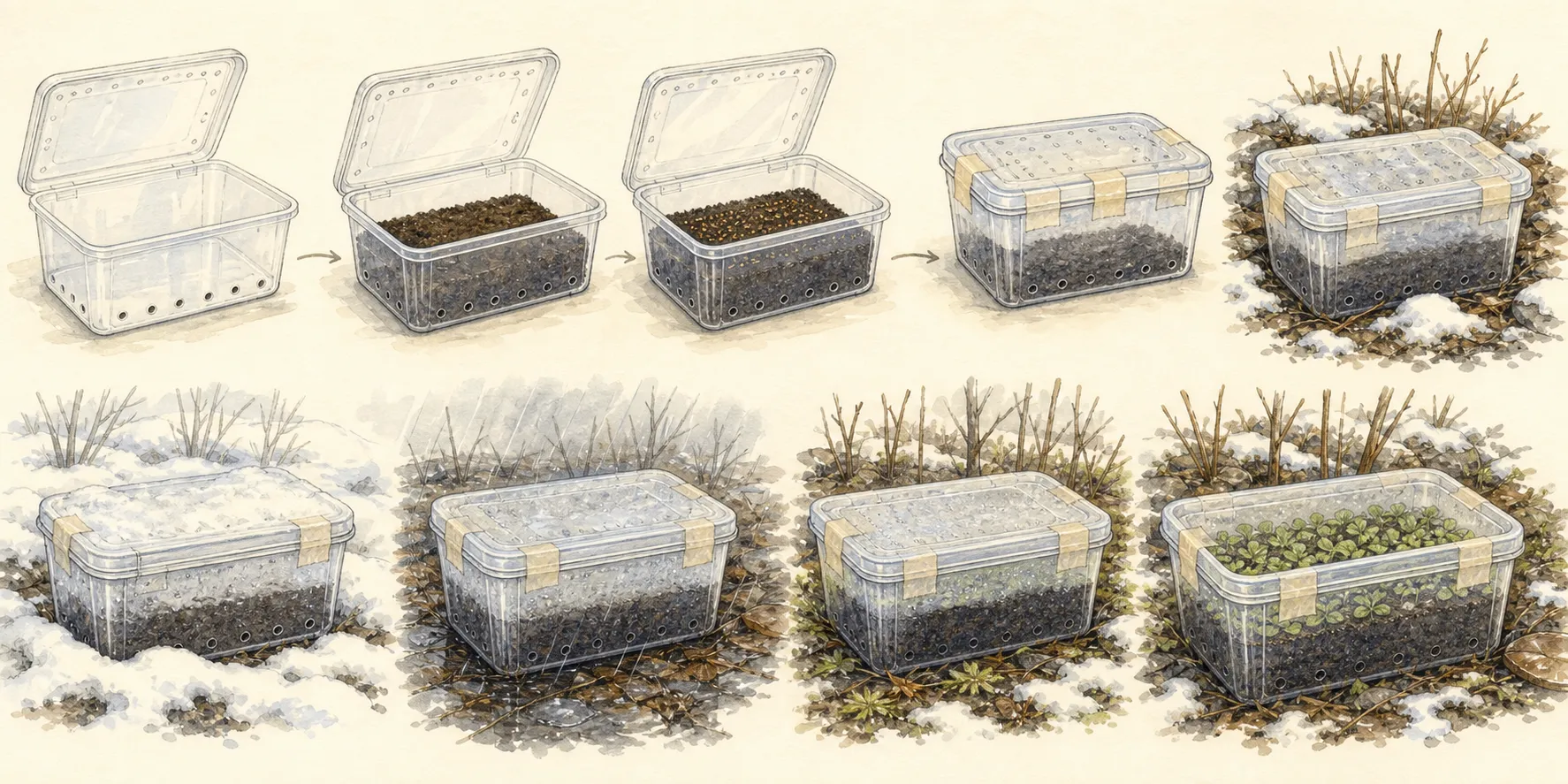
A paper-towel test measures germination under the conditions provided; it does not directly prove that ungerminated seed is dead. Many ornamental perennials have physiological, physical, morphological, or combined dormancy. Some need cold moist stratification, scarification, alternating temperature, light, darkness, or time. Retrieve species-specific guidance before placing every leftover flower seed in the same warm cabinet.
Use the current packet and authoritative propagation sources to record temperature, light requirement, pretreatment, sowing depth, and credible germination interval. If guidance calls for cold moist treatment, decide whether the test will include it or whether the objective is simply to compare an already treated portion. Label every treatment separately. A mixed test with untreated and treated seed cannot yield one useful percentage.
Surface-sown light-requiring seed can be tested on moist paper or medium where light reaches it; darkness-requiring seed needs an opaque enclosure or appropriate covering. Large seed prone to fungal breakdown may perform more realistically in clean medium with drainage than on saturated paper. The test substrate should support the species’ germination biology and allow normal seedlings to be recognized. Choose a temperature that can be measured and maintained. A refrigerator top, radiator shelf, or sunny window fluctuates more than the room label suggests. Use a thermometer at container height and keep direct sun from overheating a closed box. If alternating temperatures are required, define the schedule rather than moving the test whenever convenient.
Build a small controlled test
Count the sample exactly and, where seed quantity allows, divide it into two or more equal replicates. Replicates expose a wet corner, damaged container, or counting mistake that would otherwise look like seed-lot behavior. Write lot, treatment, count, start date, temperature, light, and expected final count date on the container and in a separate record before adding moisture.
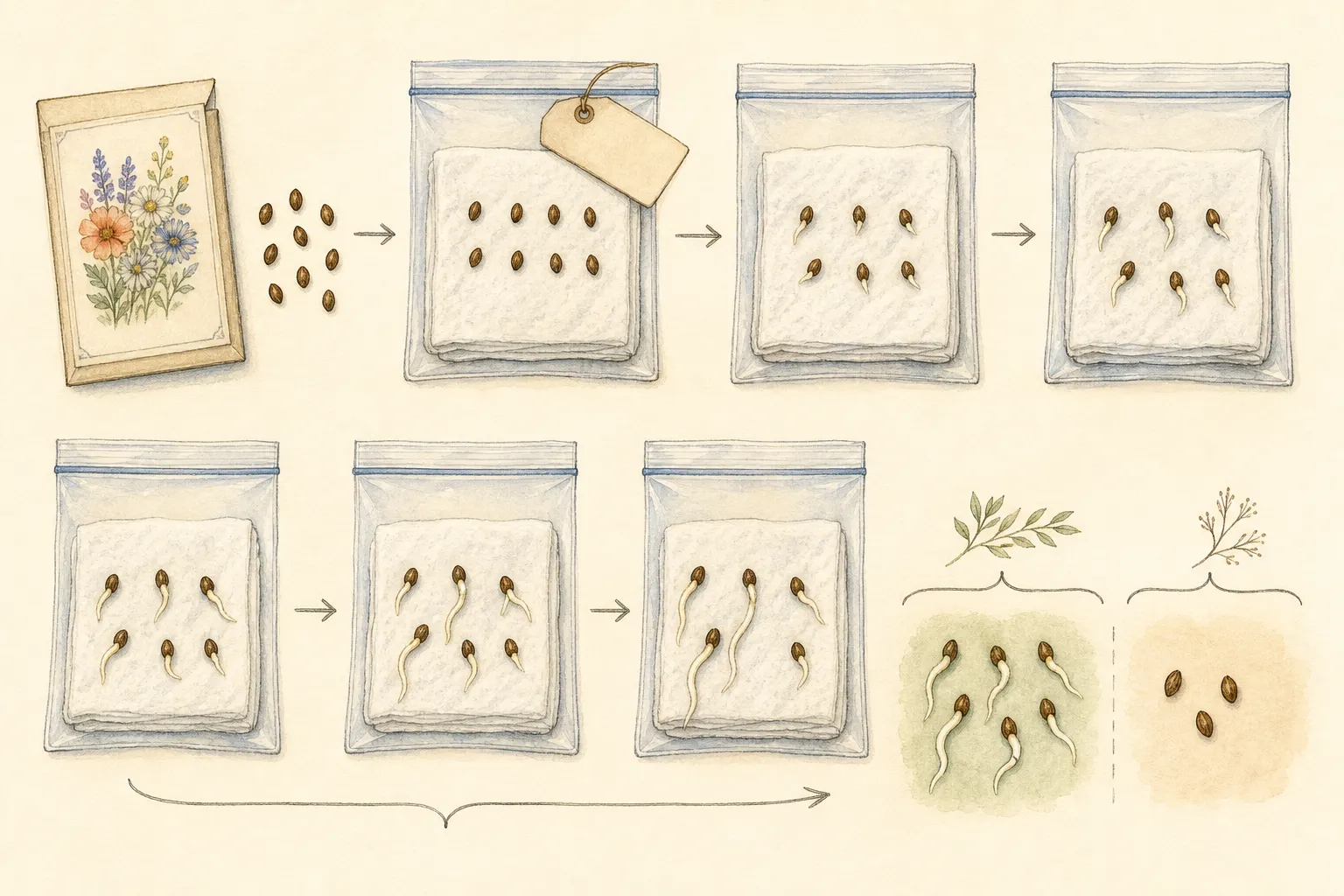
For a paper method, moisten clean absorbent material uniformly and squeeze or drain away free water. It should hold moisture without a puddle. Space seeds so mold and roots can be traced to individuals. Fold or cover according to light requirement and place the paper in a clean container that limits evaporation while permitting safe inspection. Do not seal a wet anaerobic mass.
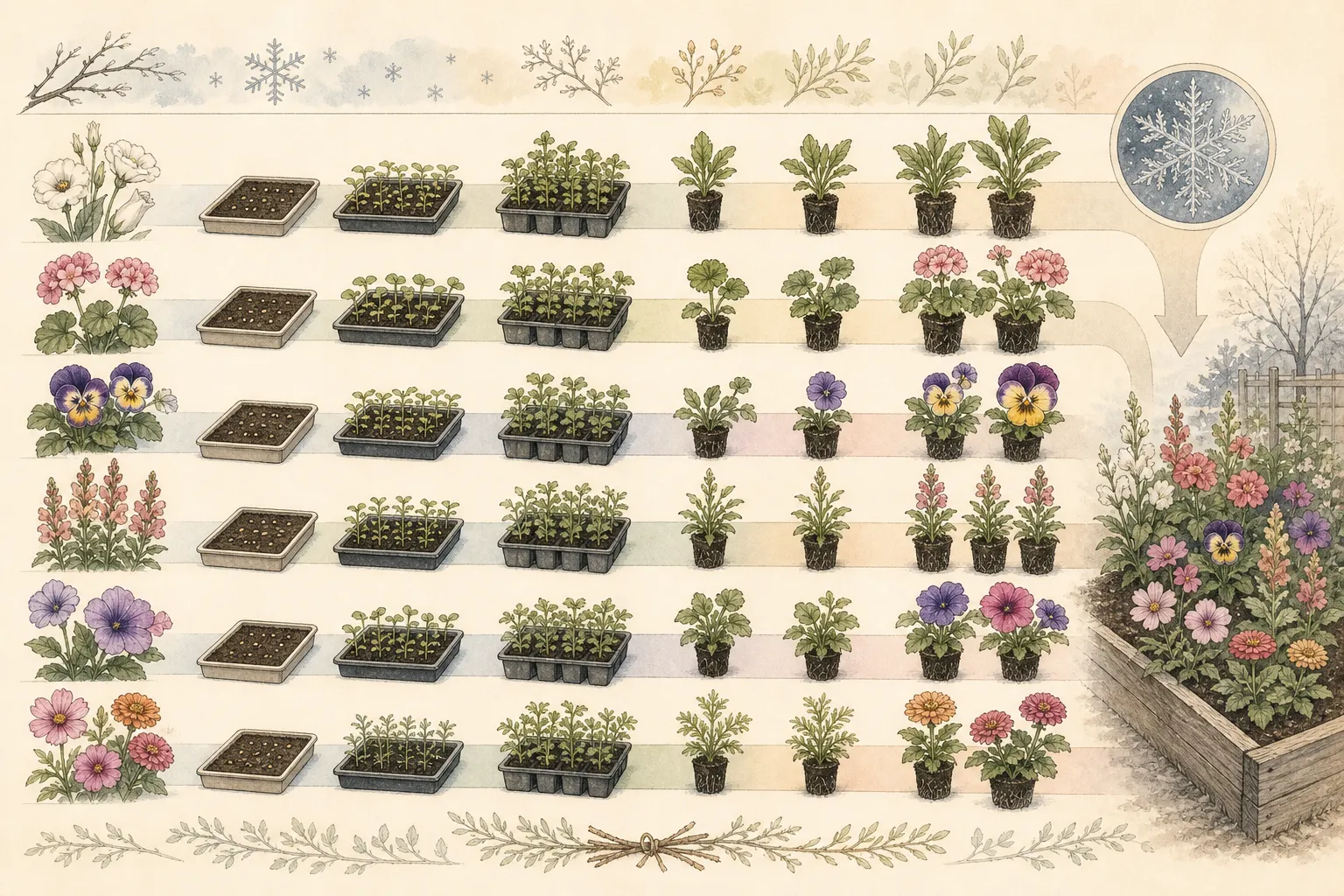
For a medium test, use a clean container with drainage and fresh seed-starting mix. Pre-moisten, sow at the documented depth, and count seed positions or rows. Keep a clear label inside and outside. Medium can better represent small roots and light-sensitive surface sowing, but it can also hide ungerminated seed, so the final assessment may require careful excavation after the normal interval. Keep one untreated control only when it answers a defined question. For example, a portion receiving documented cold stratification can be compared with a portion held under ordinary germination conditions. Do not create many improvised treatments from a tiny packet. Each additional group reduces sample size and can generate noise that looks like horticultural discovery.
Maintain moisture without manufacturing mold
Inspect on a regular schedule and record observations without leaving the test open for long periods. Condensation can maintain humidity, but pooled water deprives seeds and roots of oxygen. If the paper begins to dry, add a measured small amount of clean water at the edge; if it is saturated, correct the container rather than blotting and handling every seed. Keep replicate conditions equivalent.
Remove a seed only when it is clearly decaying and threatens neighbors, recording the reason. Surface fungi can arrive from seed, substrate, hands, or excessive moisture. A moldy test does not automatically mean the whole lot is dead; it can mean the test failed. Do not apply household bleach or an unlabeled fungicide to rescue a viability test. Rebuild one clean replicate if enough seed remains.
As roots emerge, avoid pulling them from paper during every count. Use a clear lid or brief careful opening. A seed is generally counted as germinated for a simple home test when it produces a recognizable normal seedling, not merely when the coat swells or cracks. Record radicle emergence separately if it helps, then judge whether root and shoot continue normally. Maintain the test through the species’ credible final interval. Fast seedlings may need removal or transfer after counting so they do not shade slower individuals. Mark counted positions or move normal seedlings to labeled cells. Do not extend a warm wet test indefinitely after the accepted interval; prolonged decay can obscure whether remaining seed was dormant, dead, or simply damaged by the test environment.
Count normal, abnormal, and unresolved outcomes
At each observation, count normal seedlings, abnormal seedlings, decayed seed, firm ungerminated seed, and missing or damaged seed. Normal means enough root and shoot development to establish under suitable conditions, judged with species context. A root without a viable shoot, severe twisting unrelated to handling, or immediate collapse should not be presented as a successful garden plant simply because germination began.
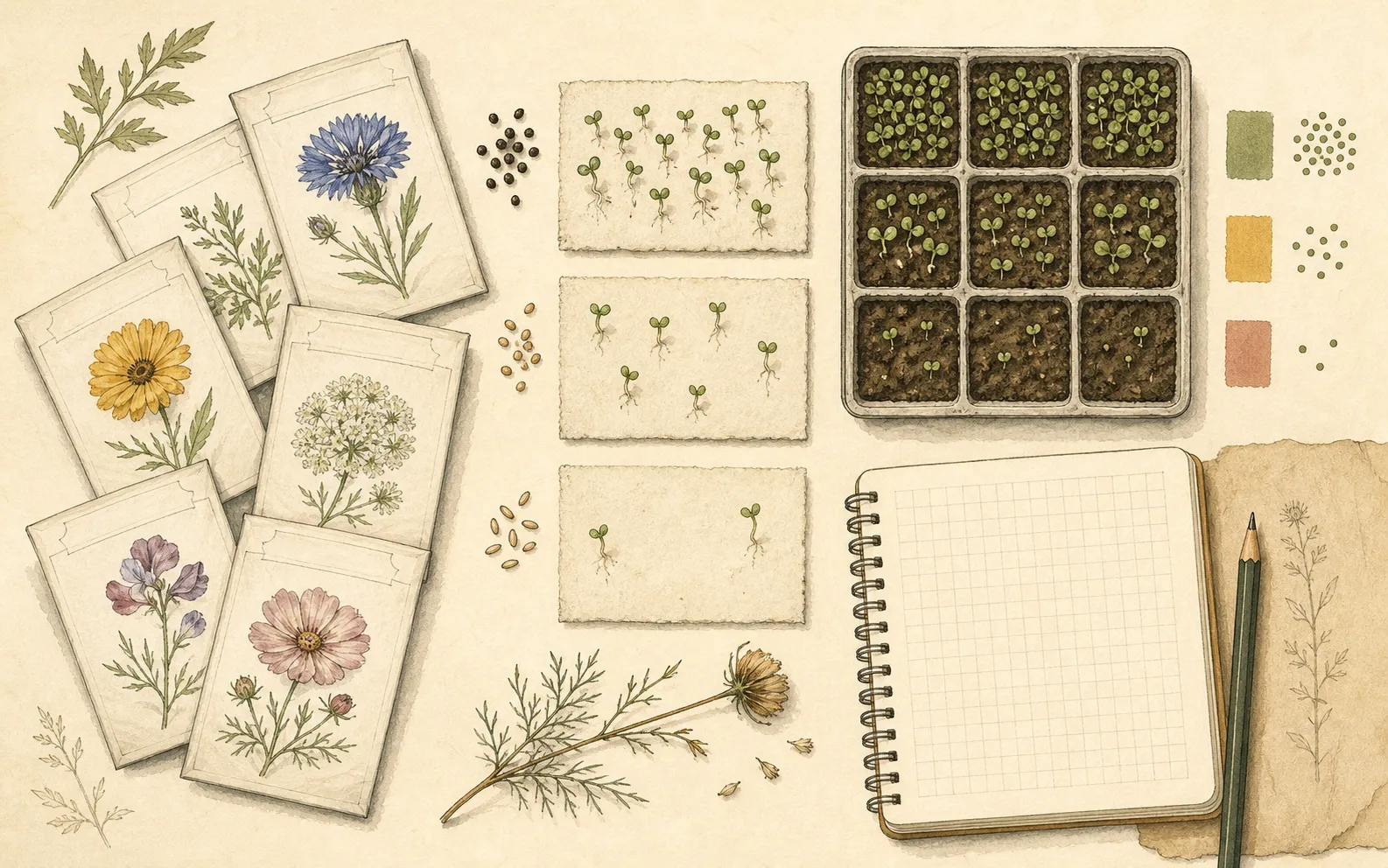
Calculate the simple percentage by dividing normal seedlings by the number of seeds tested and multiplying by one hundred. Keep the raw count beside it. Eight of ten looks like eighty percent but carries much greater uncertainty than eighty of one hundred. Replicate disagreement is important: nine of ten in one container and three of ten in another demands examination of conditions before averaging.
Compare timing as well as final percentage. A lot that germinates slowly and unevenly can still be usable, but it will occupy propagation space longer and produce mixed seedling sizes. Record first, median pattern, and final emergence. If a named annual normally emerges promptly under the tested conditions yet old seed dribbles out for weeks, replacement may be more practical even when the final count is moderate.
Open or dissect remaining seed only when reliable guidance supports the method and the sample can be sacrificed. A firm interior or staining test may add evidence, but casual squeezing is not a validated viability assay. For valuable or conservation seed, use a professional seed laboratory rather than inventing certainty from a home cut test.
Interpret the result beyond one percentage
A high, uniform normal-germination result supports using the lot under comparable sowing conditions. It does not guarantee garden establishment, cultivar trueness, or freedom from seed-borne problems. Prepare the real tray with fresh medium, drainage, useful light, and the same documented pretreatment. Keep the test record attached to the packet so later performance can be compared.
A moderate result can be managed by sowing more seed per desired plant only when enough seed and thinning space exist. Adjust quantity from the normal-seedling percentage and add a reasonable margin rather than dumping the entire packet. Dense sowing creates competition, disease risk, and root tangling. Separate seedlings early and do not preserve every weak plant merely because the seed was old.
A low result after correct conditions may justify replacement, especially for a design that needs a fixed number of uniform annuals. For rare perennials, low viability may still be worth careful sowing and prolonged species-appropriate observation. State the goal. Bench economics and display uniformity matter for a bedding annual; genetic or sentimental value may justify effort for a scarce accession.
No germination does not establish death when dormancy treatment, temperature, light, or interval was uncertain. Recheck the species guidance and records. If one replicates failed from mold or drying, repeat the method. If conditions were correct, the interval complete, and seed visibly decayed or empty, discard or replace the lot. Preserve uncertainty rather than labeling a dormant species defective.
Convert the test into a sowing plan
Calculate the number of normal seedlings needed, divide by the tested normal-germination fraction, and round upward modestly. If twelve plants are needed and the test produced three-quarters normal seedlings, sixteen seeds is the mathematical starting quantity; the real plan also considers transplant loss and available seed. Do not use arithmetic to justify hundreds of crowded seedlings when only a small border is planned.
Reserve enough cells, pots, light, and later transplant area for the adjusted sowing. A low-viability lot can require more initial positions but should not receive less inspection. Label test-derived batches and avoid mixing them with fresh seed of the same cultivar until performance is compared. The old lot may emerge later and be mistaken for failure if the fresh tray sets the schedule.
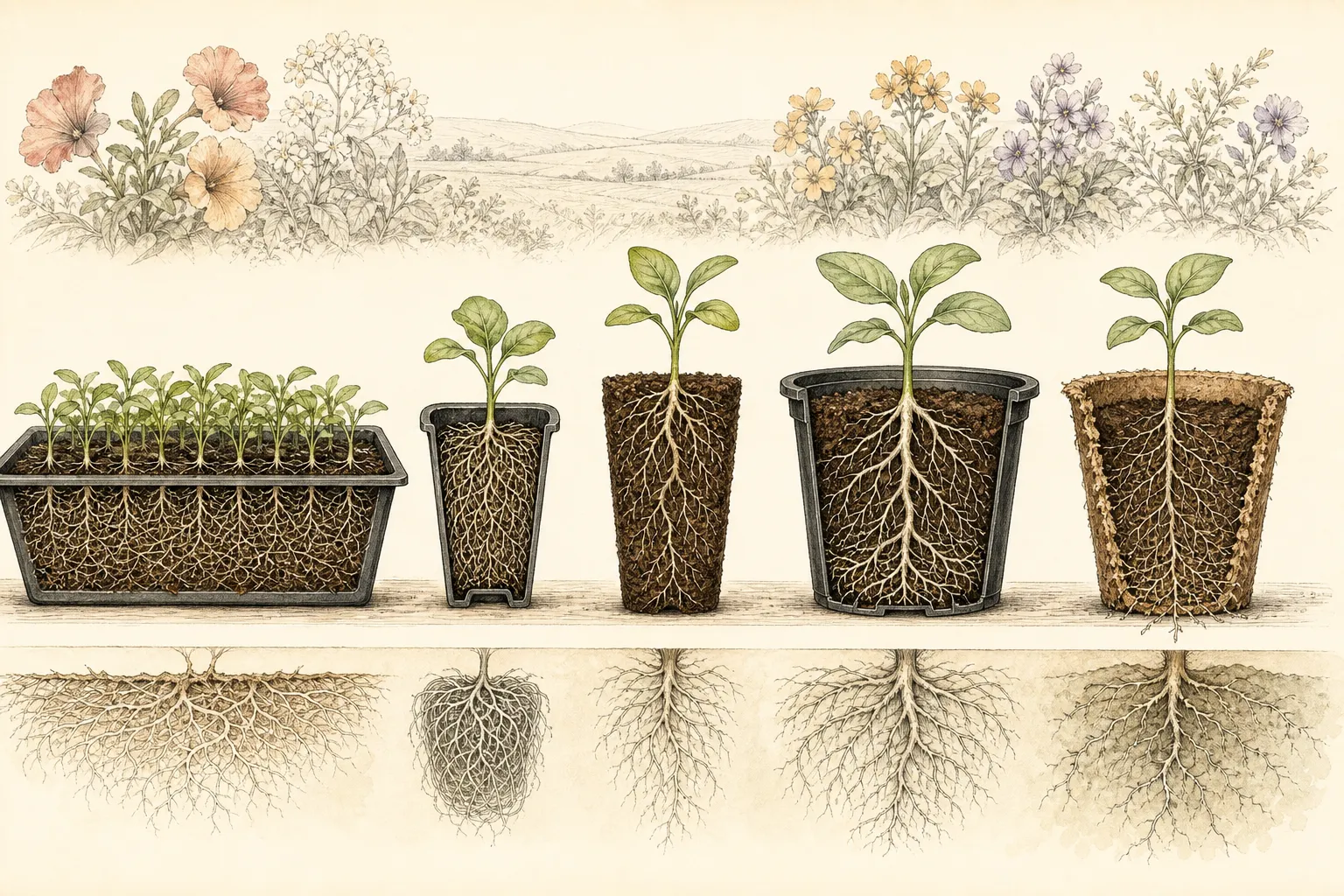
Choose whether to sow individually, in small groups, or in a community flat based on seed size, root sensitivity, and germination uniformity. A paper-tested root should be moved before it penetrates fibers deeply and handled by a seed leaf rather than the stem. Test seedlings can contribute to the planting when healthy, correctly labeled, and transferred without damage; they need not be discarded for the sake of data.
Record outdoor establishment and flowering. A viable seed lot that produces weak, off-type, diseased, or poorly adapted plants may not deserve future storage. Conversely, a modest test can yield excellent established perennials. Germination percentage answers one stage of performance. The garden decision also depends on identity, health, uniformity, regional fit, and the quality of mature flowers.
Store the remainder with a clear next date
Return only sound dry seed to storage. Do not place seed from a humid test room back into a sealed packet until it is confirmed dry by an appropriate method. Keep treated and untreated seed separate. Label the remaining count, test date, percentage, conditions, and planned retest or sowing date. An unlabeled envelope of “old flower seed” recreates the same uncertainty next winter.
Use a moisture-resistant sealed container where recommended, with packets organized by species and year. Colorado State guidance emphasizes cool, dry storage for vegetable and flower seed. Avoid temperature cycling in a garage, bathroom humidity, direct sun, and unconditioned attic heat. Keep storage away from children, pets, food, and any toxic seed whose appearance could be mistaken for an edible grain.
Review the collection annually and remove empty, contaminated, duplicate, and unidentified packets. A smaller documented collection is more useful than a drawer of sentimental uncertainty. Share seed only when identity, health, legal status, cultivar expectations, and regional suitability are clear. Do not distribute a lot known to be moldy or a species restricted locally.
Use the test record to improve seed purchasing and collection. Buy quantities that match realistic propagation space, dry home-collected seed correctly, and label before it leaves the plant. Note species whose viability falls quickly under household storage and those that remain dependable. The objective is not to prove that every seed can be saved forever; it is to allocate garden space to seed with known potential.
Steps
- Level
- moderate
- Time
- 20–30 minutes to set up, then species-specific observation
- Tools
- Seed packet and storage record, Thermometer, Clean tweezers or spoon, Waterproof labels, Notebook or germination grid
- Materials
- Measured seed sample, Clean absorbent paper or fresh seed-starting medium, Clean lidded container or draining cell tray, Clean water
- 1Verify identity and storage
Record botanical name, cultivar, lot or harvest year, source, open date, storage conditions, contamination, and available count. Do not use a high percentage to legitimize unidentified seed.
- 2Research dormancy and conditions
Fix pretreatment, temperature, light or darkness, substrate, depth, and credible final interval from the packet and authoritative species guidance before choosing a test method.
- 3Choose a defensible sample
Count enough seed for useful information without consuming a rare lot. Use equal replicates where quantity allows and keep every treatment separate and clearly labeled.
- 4Set uniform moisture
Moisten paper or fresh medium without free water, space seed, protect humidity without sealing a saturated mass, and place the test at measured species-appropriate conditions.
- 5Record outcomes by category
Count normal seedlings, abnormal seedlings, decayed seed, and firm unresolved seed through the credible interval. Keep raw counts, dates, and replicate differences beside the percentage.
- 6Diagnose the test before the seed
If mold, drying, flooding, heat, or treatment error affected a replicate, label the test inconclusive and rebuild when possible. Do not declare ungerminated dormant seed dead from an unsuitable warm paper test.
- 7Convert results into quantity and space
Adjust sowing count from normal germination, then reserve cells, light, potting area, and thinning time. Replace the lot when low, uneven performance conflicts with the planting goal.
- 8Store and retest deliberately
Return only dry sound seed to cool dry storage, label the remainder with test conditions and date, separate treatments, and set the next sowing or review date.
- 9Compare timing as well as percentage
Record first normal seedling, the main emergence period, and the final count. A lot that eventually reaches a moderate percentage but emerges over many weeks can still be unsuitable for a uniform bedding display or a propagation shelf with a fixed potting date.
- 10Verify performance after transplanting
Keep the lot label through root development, hardening, garden establishment, and flowering. Germination does not prove cultivar trueness, plant health, or regional performance. Use the mature result to decide whether the remaining seed deserves storage, retesting, sharing, or replacement.
Related reading
Sources
- Seed and Seedling Biology. Penn State Extension. Source record · Accessed 2026-08-19.
- Will Your Seeds Grow Plants?. Oregon State University Extension. Source record · Accessed 2026-08-19.
- Storing Vegetable and Flower Seeds. Colorado State University Extension. Source record · Accessed 2026-08-19.