Japanese Camellia
Camellia japonica
A profile of Camellia japonica, the long-lived evergreen shrub with glossy leaves and cultivar-dependent winter or spring flowers.
Published Last updated
At a glance
- Light
- Part shade; protection from harsh winter sun
- Water
- Medium and even; avoid waterlogged soil
- Soil
- Acidic, organic, moisture-retentive but well-drained soil
- Hardiness
- Zones 7–9
- Bloom
- Late winter to spring, varying by cultivar and climate
- Height
- 10–13 ft · 3–4 m
In this guide
Overview
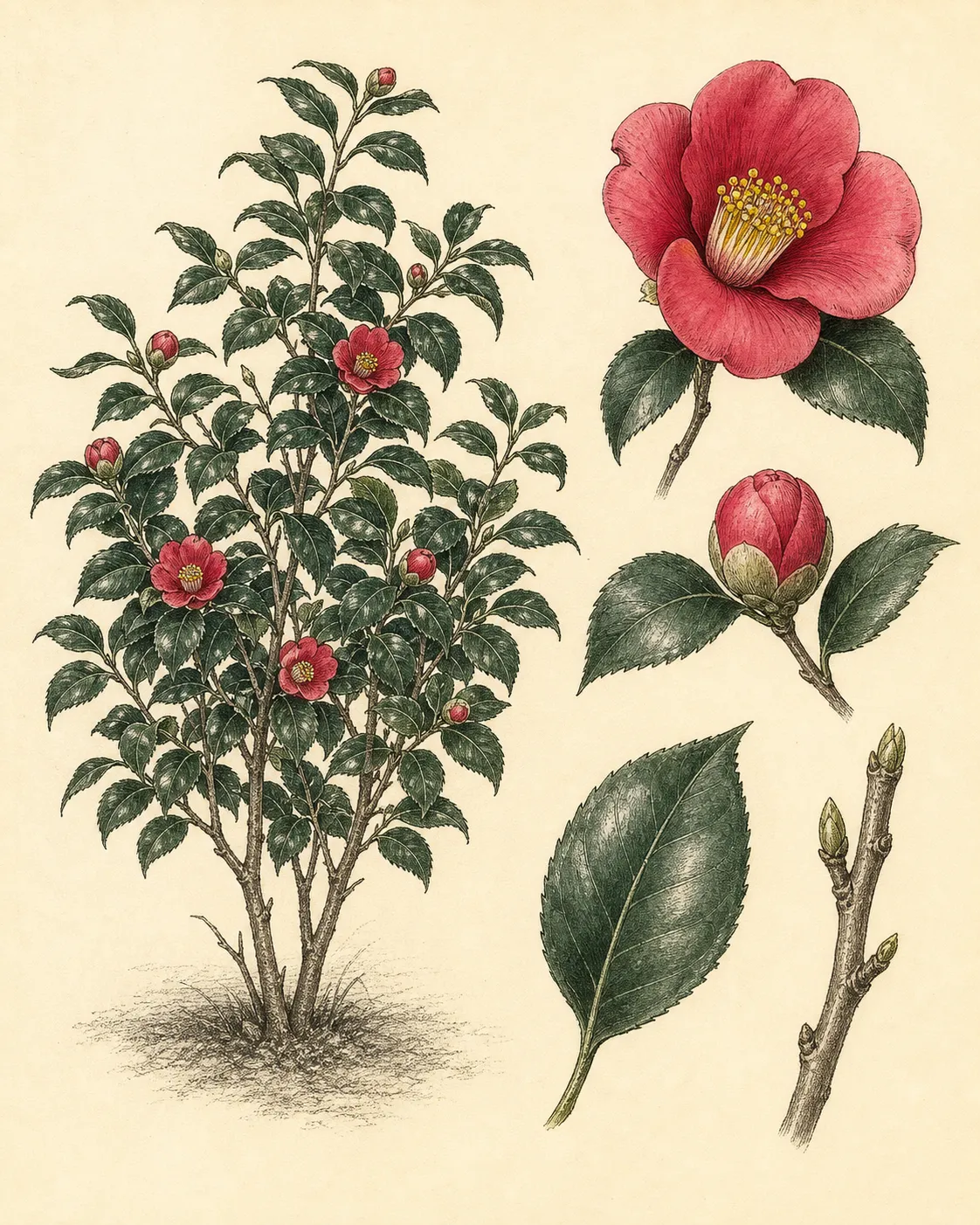
Camellia japonica is a slow-growing, long-lived broadleaf evergreen from eastern Asia. Its alternate leaves are thick, glossy, and finely serrated. Cultivars carry solitary flowers from late winter into spring in white, pink, red, or variegated forms, ranging from simple single blooms to densely doubled flowers.
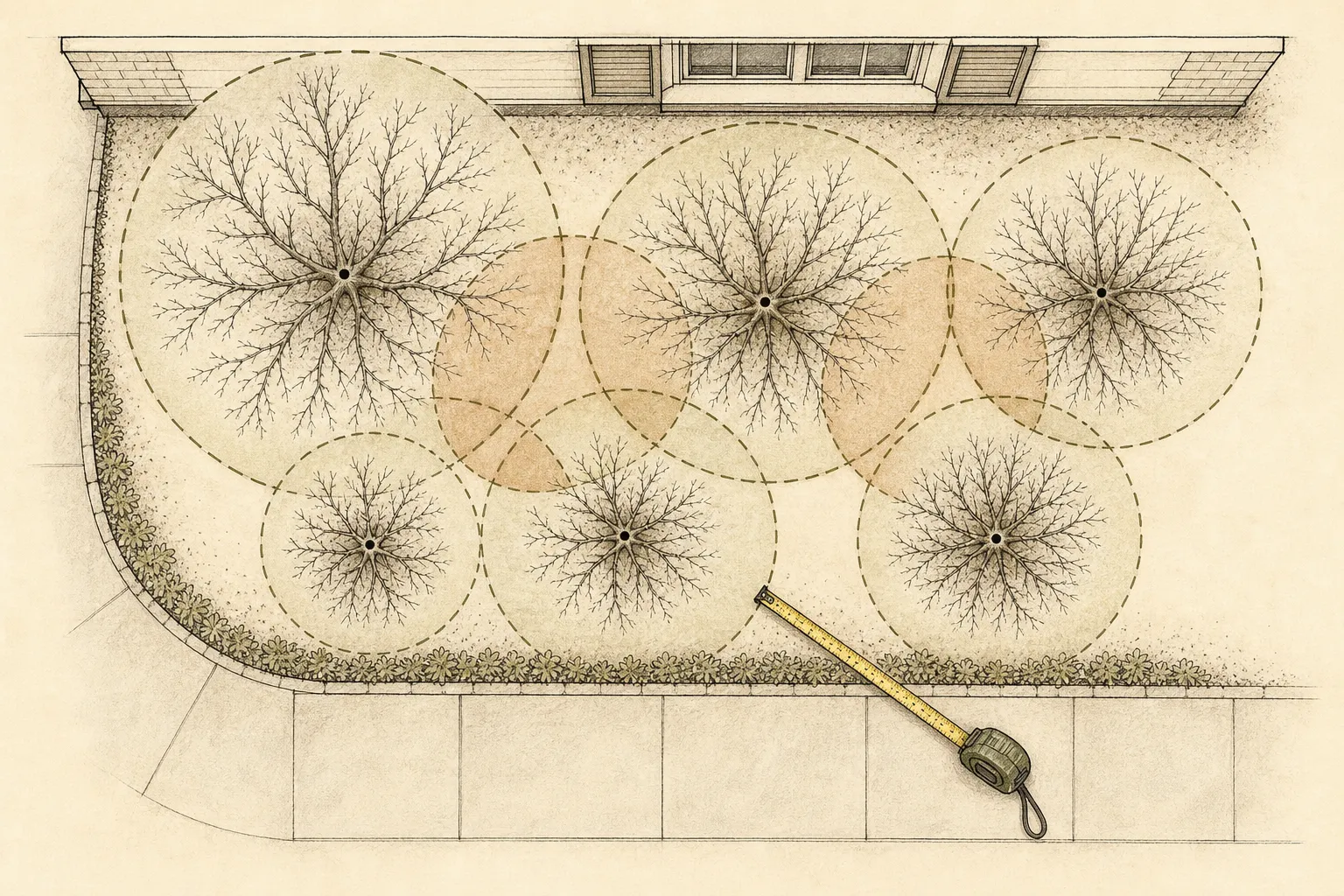
Cultivar identity controls flower form, season, cold tolerance, and mature size. A species-scale plant can reach roughly 10–13 ft high and 5–10 ft wide, so a narrow foundation bed may eventually require repeated reduction. Keep the label and use dimensions for that named plant rather than assuming every Japanese camellia remains compact.
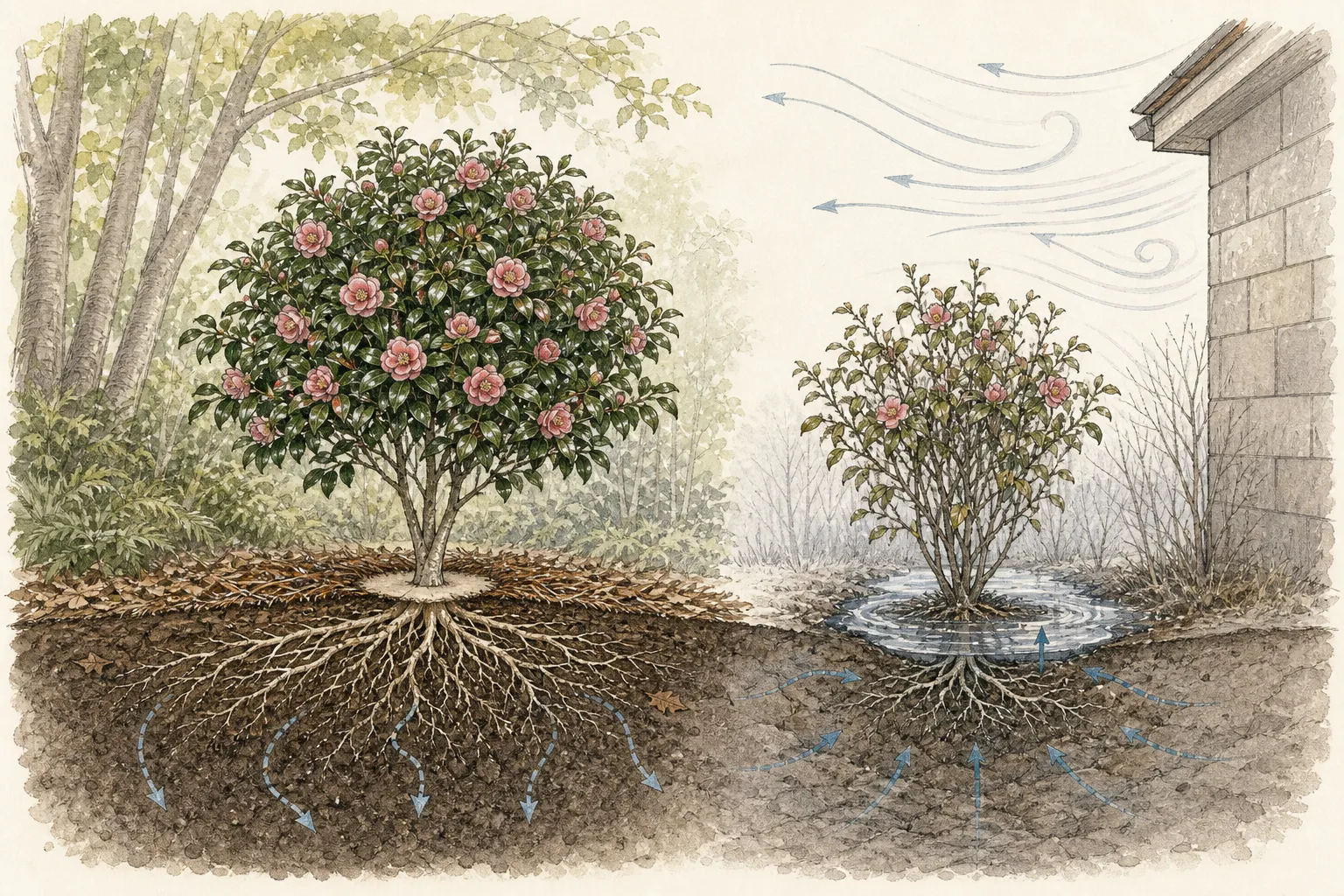
Part shade and shelter from drying winter wind suit C. japonica better than an exposed hot site. Well-drained soil rich in organic matter should remain moist but not saturated, with a slightly acidic reaction around pH 5.5–6.5. Sun scorch, waterlogged roots, and competition from shallow-rooted trees can all weaken establishment.
Planting depth matters. The hole should be broad but no deeper than the root ball, and the top of the root ball should finish at or slightly above surrounding grade so settling does not bury the stem base. Water until roots extend into surrounding soil and keep organic mulch off the trunks.
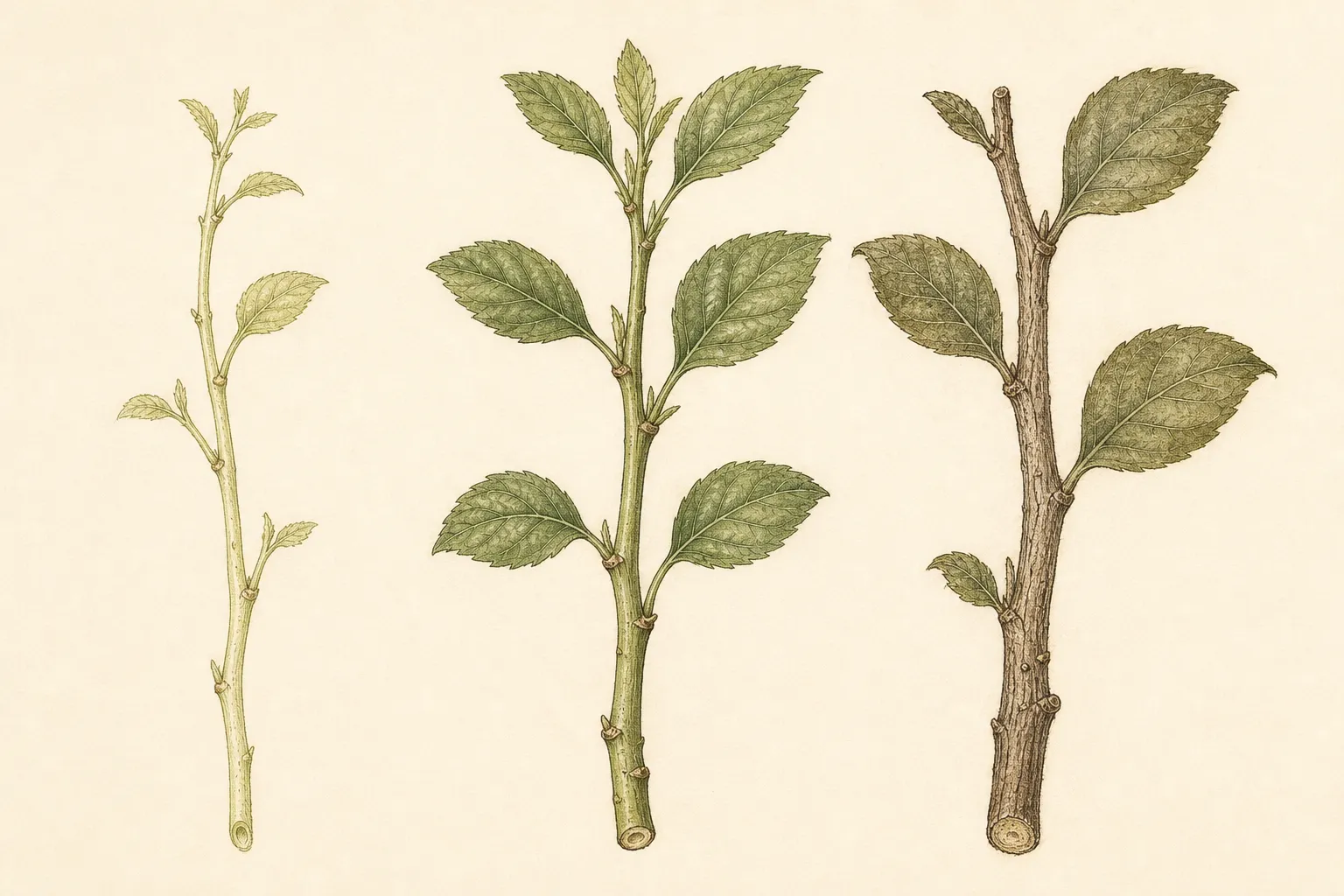
Japanese camellias require little routine pruning. If a branch is damaged, misplaced, or makes the shrub too dense, cut it back to a lateral branch or bud inside the canopy. Complete ordinary shaping after flowering and before the next flower-bud cycle is advanced.
Yellow foliage is not a diagnosis by itself: alkaline soil, damaged or saturated roots, drought, and scale insects can produce similar decline. Confirm the pattern and obtain local diagnostic guidance before changing pH or using a pesticide.
- Family
- Theaceae
- Range
- Central and southern Japan, Korea, eastern China, and Taiwan
- Soil pH
- 5–6.5
- Spread
- 5–10 ft · 1.5–3 m
Planting & careHow to grow japanese camellia
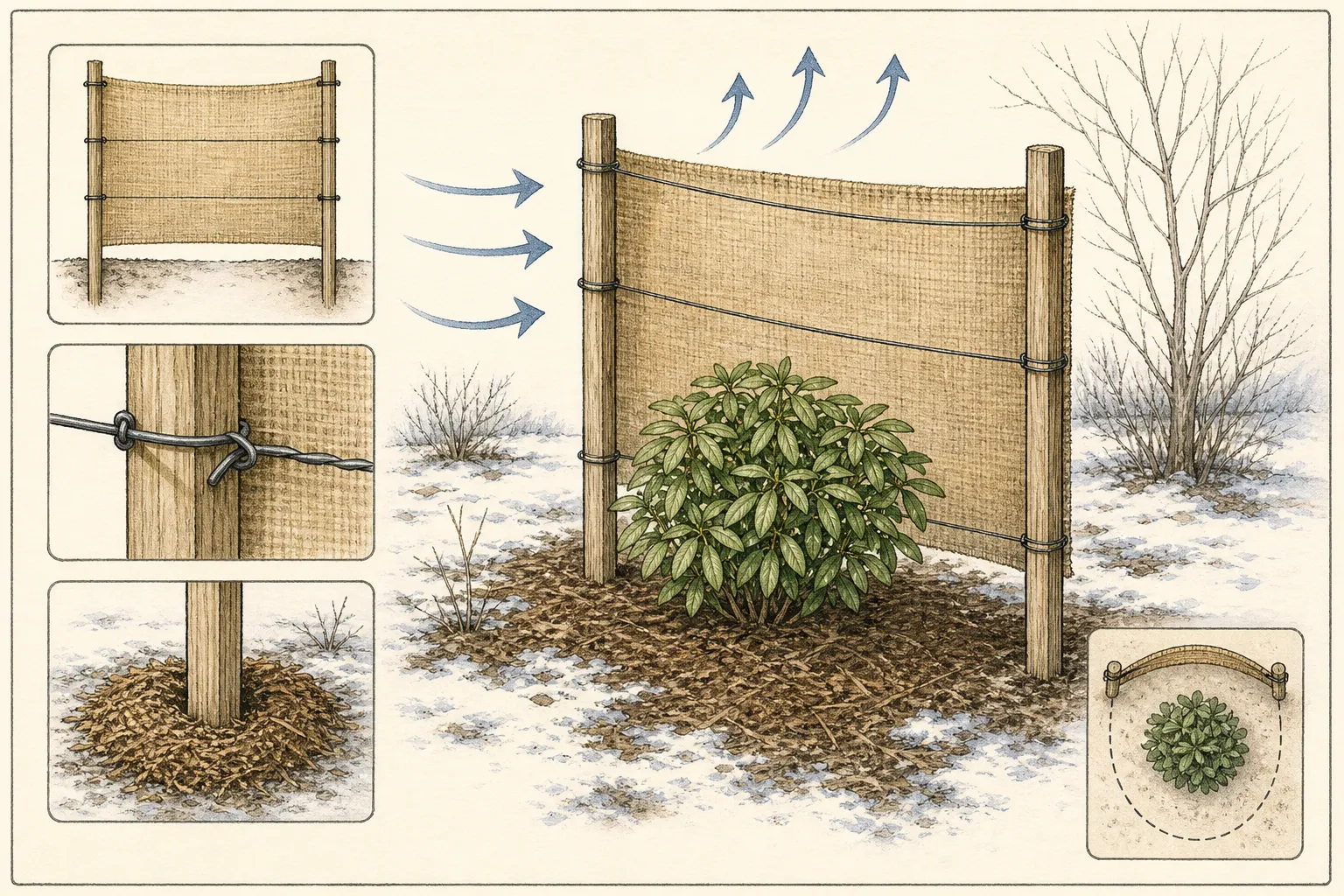
Hardiness, bloom timing, and bud survival vary greatly by cultivar. In colder parts of the range, protect plants from winter sun, drying wind, and rapid freeze-thaw cycles.
- 1Confirm the cultivar
Use the botanical and cultivar label to verify mature dimensions, flower season, and locally proven cold tolerance before selecting a permanent position.
- 2Choose sheltered part shade
Avoid hot reflected afternoon sun, drying winter wind, and shallow tree roots. Reserve at least the documented mature spread and an inspection route around the shrub.
- 3Test soil and drainage
Confirm that water leaves the site after rain and use a soil test before adjusting pH. The target is organic-rich, slightly acidic soil that stays moist without waterlogging.
- 4Dig wide, not deep
Open a hole wider than the root ball but no deeper. Set the top of the root ball at or slightly above finished grade on firm soil and correct tight circling roots where practical.
- 5Water through establishment
Soak the original root ball and adjacent soil after planting, then check both before watering again. Maintain even moisture while allowing air to return to the root zone.
- 6Mulch the root zone
Apply a shallow organic mulch beyond the root ball, leaving a clear ring around every trunk and keeping the top of the root ball visible.
Pruning japanese camellia
Japanese camellia usually needs little pruning. After flowering, remove dead or damaged wood and shorten a misplaced limb to a lateral branch or bud inside the canopy. Thin selectively instead of routinely shearing the exterior, which produces a dense shell and does not solve an undersized planting site.
Seasonal care
Spring
Enjoy the cultivar’s bloom, remove spent or damaged material, prune only if needed after flowering, and check that mulch and soil have not covered the root-ball top.
Summer
Maintain even moisture during heat, inspect leaf undersides and stems for scale, and protect the shallow root zone from cultivation and compaction.
Autumn
Plant or transplant while local conditions favor root growth, clear heavy debris from stem bases, and water before winter if the root zone is dry.
Winter
Protect flower buds and evergreen foliage from drying wind, monitor drainage during freeze-thaw weather, and leave sound budded branches uncut.
Safety and garden spread
No major ornamental-garden toxicity is commonly cited, but flowers and foliage should not be treated as food without reliable guidance.
Common problems
Poor establishment
- Look for
- Wilting or sparse new growth while the nursery root ball is much drier or wetter than surrounding soil.
- Action
- Check moisture in both zones, restore drainage or irrigation as indicated, and expose a buried root-ball top before considering fertilizer.
Poor flowering
- Look for
- A mature plant carries few buds, or buds brown and drop before opening.
- Action
- Review cultivar, pruning time, winter injury, drought, drainage, and sudden temperature shifts. Correct the evidenced stress and assess the next bud cycle.
Yellow or scorched leaves
- Look for
- Foliage turns pale between veins or develops brown areas on the exposed side of the shrub.
- Action
- Check soil pH, root moisture, drainage, and sun exposure. Use a soil test and local recommendations before applying iron, sulfur, or fertilizer.
Scale insects
- Look for
- Fixed pale or dark scales on stems or leaf undersides, sticky residue, sooty growth, or gradual thinning.
- Action
- Confirm the scale species and vulnerable treatment stage with a local diagnostic service. Follow the selected product label and protect beneficial insects.
Related reading
Sources
- Japanese Camellia. North Carolina State Extension. Source record · Accessed 2026-08-30.
- Camellia japonica. Royal Botanic Gardens, Kew. Source record · Accessed 2026-08-30.
- Planting Camellias. American Camellia Society. Source record · Accessed 2026-08-30.
- Pruning Ornamental Plants in the Landscape. University of Georgia Cooperative Extension. Source record · Accessed 2026-08-30.