Lenten Rose
Helleborus × hybridus
A long-lived hybrid hellebore with leathery divided foliage and nodding bowl-shaped flowers that open from late winter into spring in sheltered shade.
Published Last updated
At a glance
- Light
- Partial to dappled shade; sheltered exposure
- Water
- Medium; consistent but never stagnant
- Soil
- Humus-rich, moist but well-drained, neutral to alkaline
- Hardiness
- Zones 4–9
- Bloom
- Late winter to early spring
- Height
- 1–2 ft · 30–60 cm
In this guide
Overview
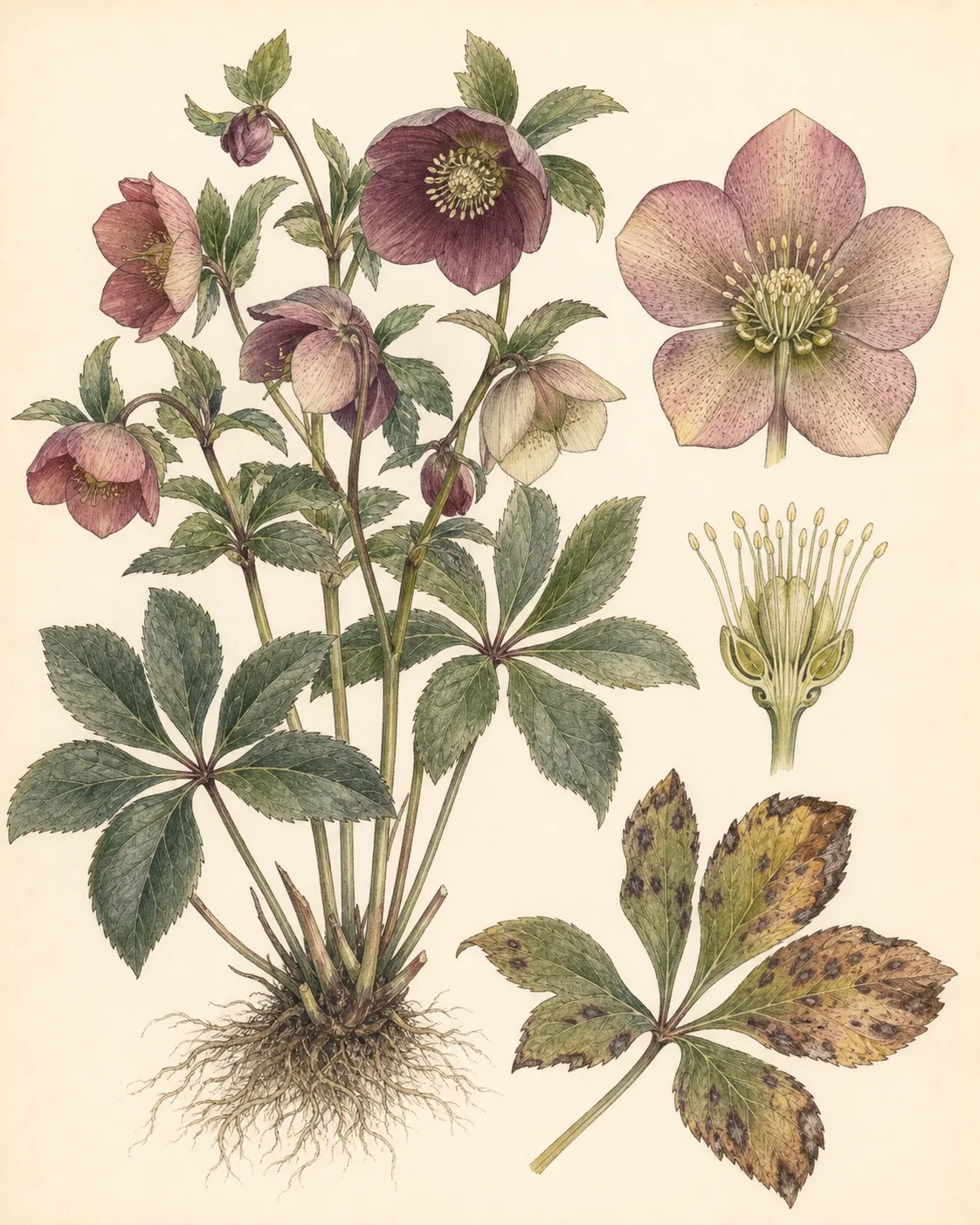
Hybrid Lenten rose is a low clump of leathery, palmately divided leaves with flower stems that rise directly from the crown in late winter or early spring. The five showy structures surrounding the stamens are persistent sepals rather than petals, so a bloom can remain decorative as it fades from white, pink, green, yellow or purple toward muted seed-bearing tones. Nodding bowl-shaped flowers and seven- to nine-part glossy leaves are useful identification features.
The name needs a clear boundary. Kew records Helleborus × hybridus as an artificial cross, H. niger × H. orientalis, while the trade has also used Lenten rose for H. orientalis and for broader orientalis-type hybrid groups. Seed-raised plants vary in color, spotting, doubleness and flower orientation, and their seedlings rarely repeat a selected parent exactly. Preserve a cultivar or strain name when uniform flowers matter.
Choose partial, dappled or open shade with shelter from severe winter wind and hot exposure. North Carolina Extension recommends rich, well-drained, neutral to alkaline soil and consistent moisture while warning against soggy ground and high heat. The crown must remain in an aerated position: humus-rich soil can hold moisture, but mulch, runoff or compacted clay should not keep the leaf bases wet.
Evergreen behavior is conditional. In a mild protected site the old leaves may remain useful through winter; elsewhere they can be flattened, browned or spotted as flower buds begin to rise. Hybrid Lenten roses carry flower stems separately from the old foliage, so damaged or infected old leaves can be removed at the base once the buds are visible. Do not confuse temporary drooping during a freeze with crown death; reassess after temperatures moderate.
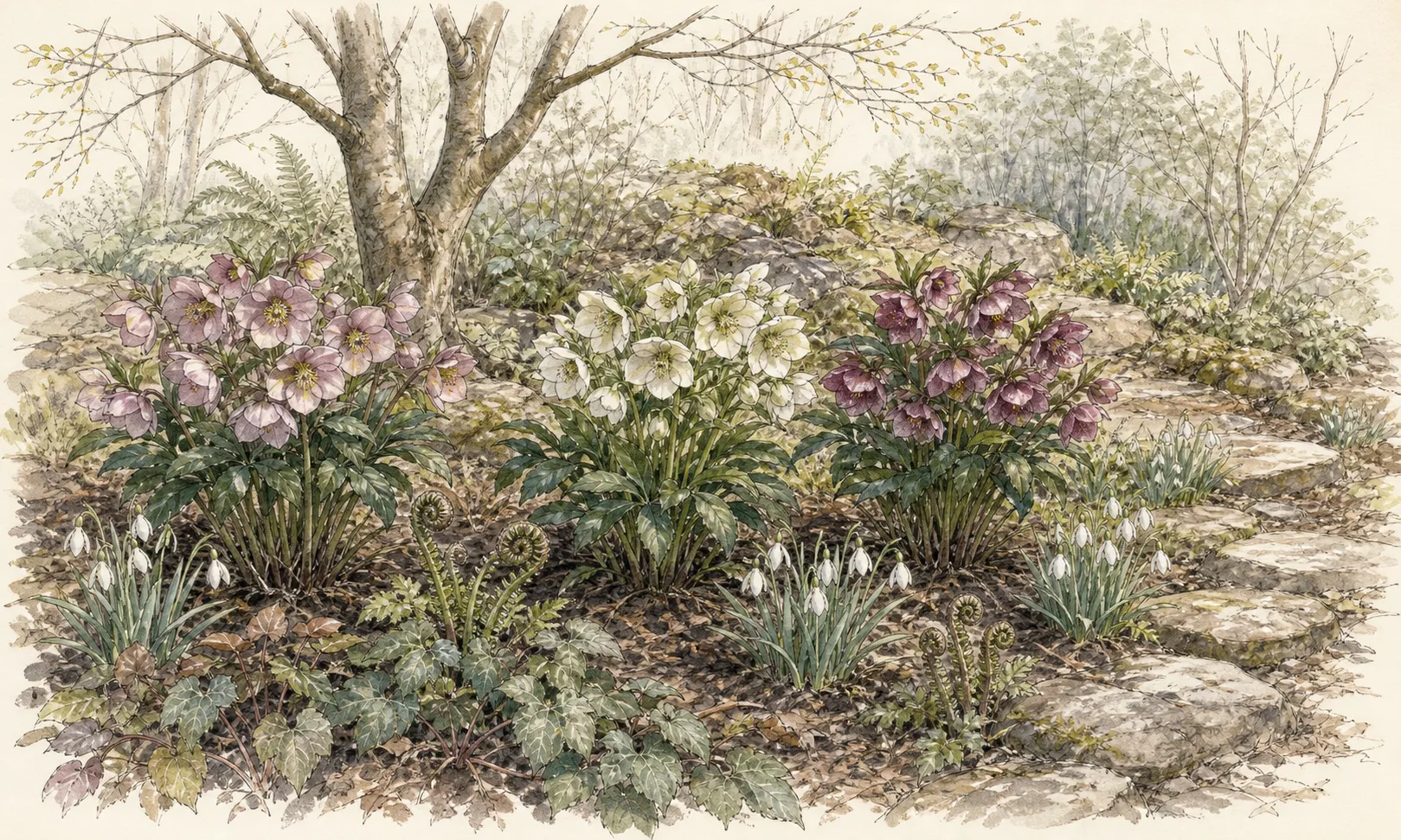
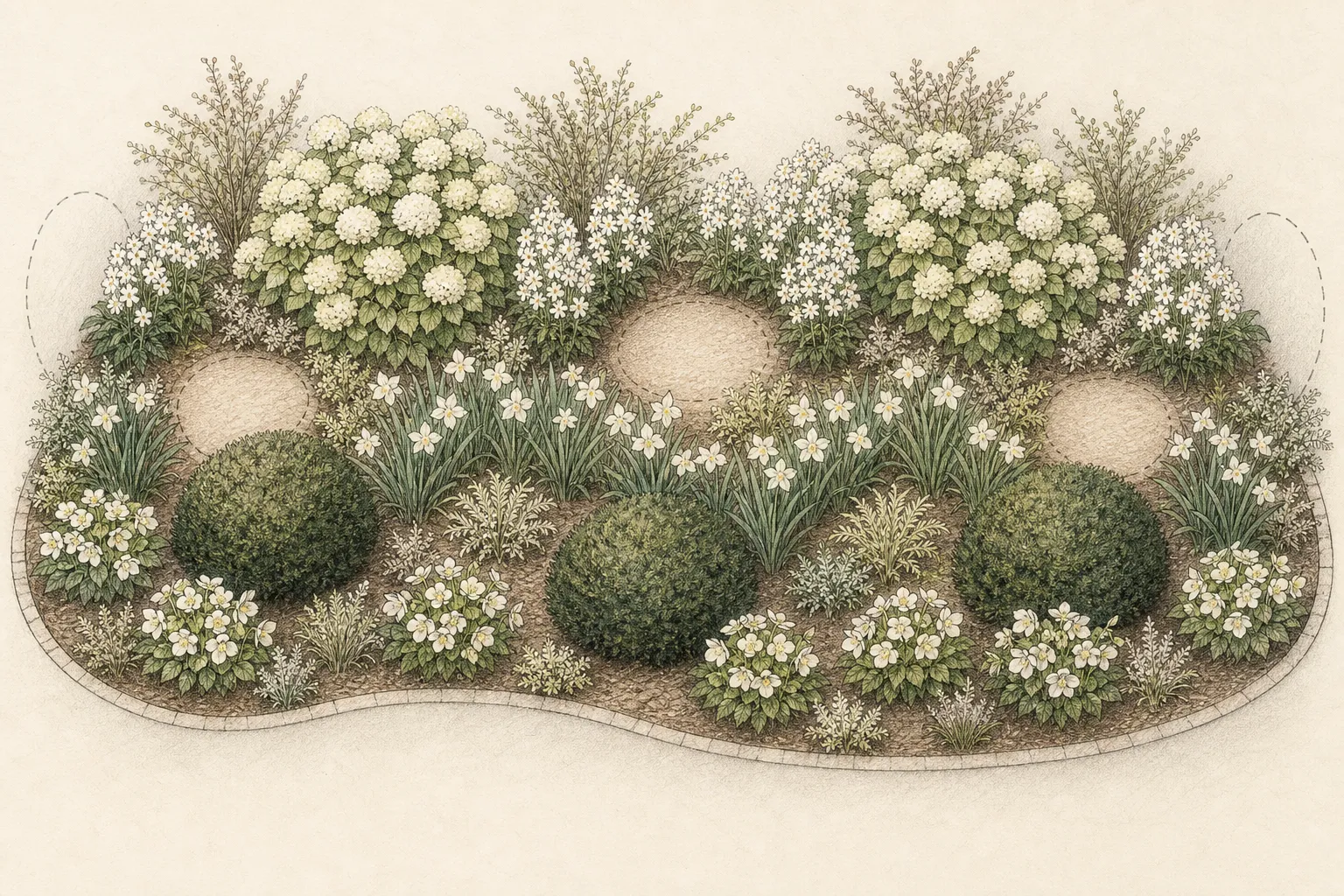
Use the plant where winter flowers can be seen without stepping into the crown: along a shaded path, beneath open deciduous shrubs or in repeated groups near the front of a woodland border. Allow 1–2.5 feet for the mature clump and keep aggressive groundcovers outside it. Every part should be treated as harmful if eaten, and RHS guidance also identifies the plant as a skin irritant, so retain safe access for gloved cleanup.
- Family
- Ranunculaceae
- Range
- Artificial garden hybrid with no wild native range
- Soil pH
- 6–8
- Spread
- 1–2.5 ft · 30–75 cm
Planting & careHow to grow lenten rose
Kew treats Helleborus × hybridus as an artificial hybrid with the formula H. niger × H. orientalis. The Botanical Index stores Helleborus hybridus only because the live schema permits a two-word binomial but not a multiplication sign; reader-facing copy retains ×. The retail name Lenten rose has also been applied historically to H. orientalis and to more complex orientalis-type hybrid groups, so keep the complete nursery label. Foliage may remain evergreen in a sheltered winter or become ragged and partly deciduous after wind and cold. Zones 4–9 and the cleanup calendar are therefore broad guidance, not guarantees for every named strain or climate.
- 1Verify the hybrid name
Record Helleborus × hybridus and the complete cultivar, strain or seed-series name. Do not promise that an unnamed seedling will match a photographed parent. If the label names H. niger, H. orientalis or another species or hybrid, use guidance for that taxon rather than transferring this profile automatically.
- 2Choose sheltered partial shade
Select dappled light, open shade or gentle morning sun with protection from strong cold wind, intense winter sun and hot afternoon exposure. Keep the site visible from a path while leaving enough clearance that people do not step on low crowns or brush poisonous foliage.
- 3Test cool-season drainage
Observe the position after prolonged rain and snowmelt. Reject a depression that remains saturated. Improve organic structure across the bed where needed, but do not create a small water-holding pocket in compacted soil. Use a soil test before altering the neutral-to-alkaline reaction.
- 4Set the crown at nursery grade
Wear gloves, water the root ball and ease it from the container without breaking emerging buds. Set the junction of roots and leaf bases at the same grade it occupied in the nursery pot. Keep buds visible and never bury the crown beneath extra soil, compost or mulch.
- 5Reserve the mature clump
Allow the documented spread of the named plant, using 1–2.5 ft as the broad hybrid envelope. Keep shrub roots, dense groundcovers and path edging from pressing into the crown. Position neighboring foliage so it complements the low leaves without covering their bases.
- 6Join root-ball and bed moisture
Water after planting, then check both the original potting mix and surrounding soil because they may dry at different rates. Maintain consistent moisture through establishment while allowing drainage after every application. Do not continue a summer irrigation schedule unchanged into a wet cool season.
- 7Mulch around the crown and retain the label
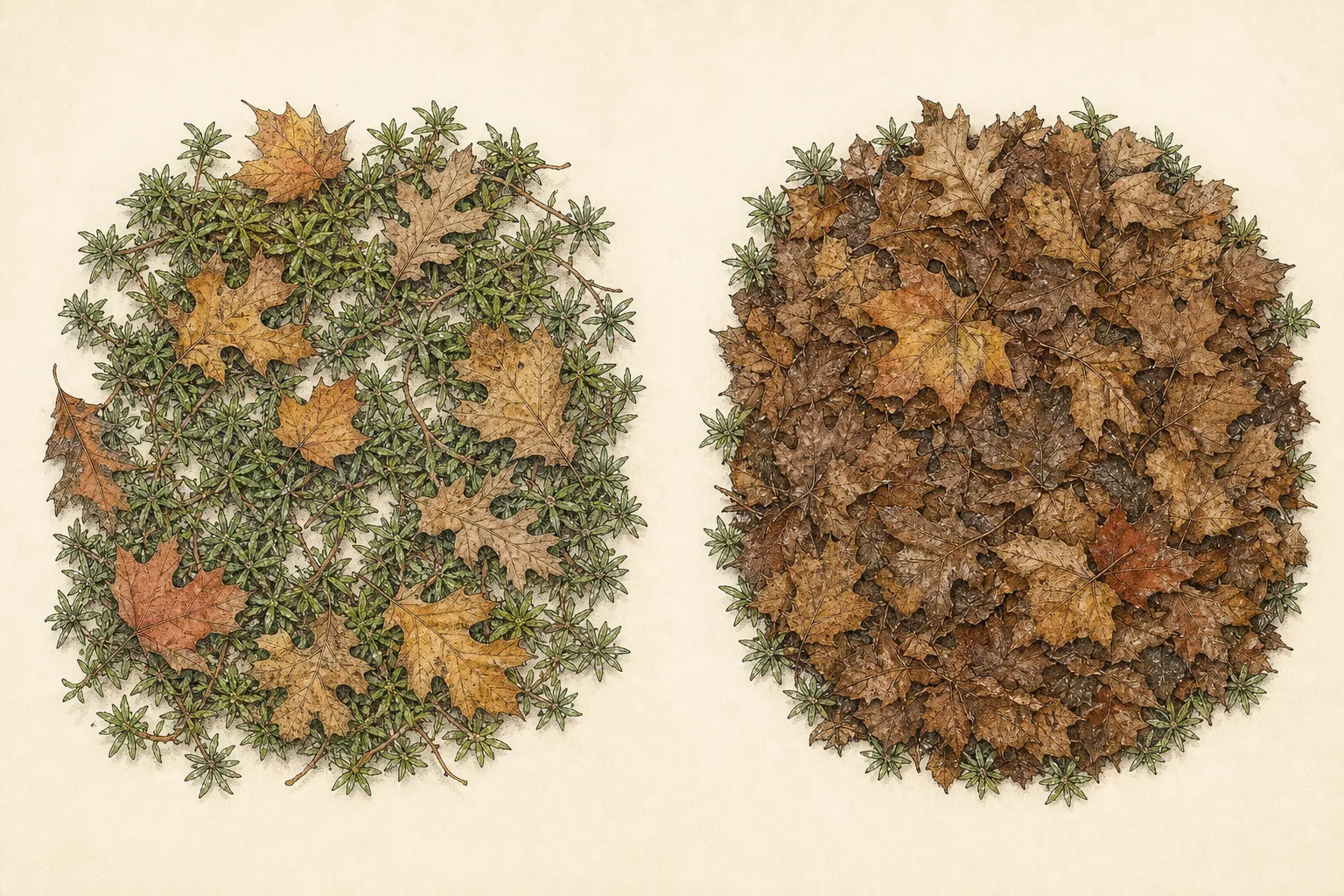
Apply a modest organic surface layer around the root zone, leaving an open ring at the leaf bases. Store the plant name and photograph the first flowers. That record distinguishes ordinary seedling variation from a label error and supports later decisions about keeping or removing self-sown plants.
Pruning lenten rose
Hybrid Lenten rose needs foliage cleanup, not shaping. Wear gloves and wait until rising flower stems show exactly where the buds are. For this stemless hybrid, RHS disease guidance allows old leaves to be cut at the base in winter or early spring before flowering, which exposes the display and removes tissue that may carry hellebore leaf spot. Keep fresh healthy leaves and avoid nicking flower stems or the crown. Remove a spent flower stem at its base before capsules open if seedlings are unwanted; leave selected stems only when variable offspring are acceptable. Hellebores are long-lived and generally best allowed to mature. Divide a large clump only for propagation, serious congestion or relocation, in a suitable early-spring or early-autumn window, then water divisions until established. Never compost or casually distribute material showing progressive black streaking and distortion; RHS identifies hellebore black death as an incurable serious disease that requires prompt removal of the affected plant.
Seasonal care
Spring
Remove remaining old spotted or weather-damaged leaves around clearly visible buds, using gloves and clean cuts at the base. Enjoy the persistent sepals, monitor new leaves and stems for lesions or black streaking, and decide before capsules mature whether variable seedlings belong in the design. Water newly divided plants from soil evidence.
Summer
Keep the crown shaded and the root zone moderately moist without saturation. Remove confirmed leaf-spot tissue and spent flower stems, preserve healthy foliage, and note whether neighboring plants are closing over the crown. Deep dry shade and hot exposed sun can both reduce performance for different reasons.
Autumn
Plant or divide only while regional conditions allow roots to establish. Refresh a light crown-clear organic mulch, check where rain collects and label seedlings before they merge with the parent clump. Do not force tender growth with late feeding or bury the crown for winter protection.
Winter
Inspect foliage after wind and freeze, but wait for moderate conditions before judging temporarily drooping flower stems. As buds rise, map a safe cutting path for old leaves. Keep standing water, compacted snow and deep drifting mulch away from the crown, and protect container roots according to local cold exposure.
Safety and garden spread
Common problems
Hellebore leaf spot
- Look for
- Roundish dead brown patches on leaves or stems, sometimes followed by ragged holes or stem collapse, rather than uniform wind-burned edges.
- Action
- Remove affected leaves promptly with gloves, clear infected debris and clean tools before another clump. RHS advises old-leaf removal on H. × hybridus to reduce carryover; seek local diagnosis when damage is extensive and do not assume a fungicide is necessary.
Hellebore black death
- Look for
- Progressive stunting or distortion with black streaks, rings or netting along leaf veins and sometimes on stems or flowers.
- Action
- Isolate tools and obtain diagnostic confirmation if the pattern is uncertain. RHS states that the disease has no cure and affected plants should be dug up and destroyed to limit spread; follow local waste guidance rather than dividing or sharing the clump.
Wet-crown decline
- Look for
- Soft dark leaf bases, loose stems, yellowing or collapse associated with soil that stays saturated after surrounding ground drains.
- Action
- Stop automatic irrigation, pull material away from the crown and assess drainage beyond the planting hole. Salvage or replace only after the wet-site cause is corrected, and use a diagnostic service for progressive loss.
Weather-damaged old foliage
- Look for
- Flattened, torn or browned mature leaves after cold wind or bright winter exposure while new buds and crown tissue remain firm.
- Action
- Wait until flower buds are visible, then remove damaged old leaves at their bases without cutting new stems. Improve shelter if the same exposure repeatedly harms the clump; do not treat temporary frost drooping as disease.
Seedlings that differ from the parent
- Look for
- Young rosettes around the clump whose later flowers vary in color, markings, doubleness or orientation from a named or selected parent.
- Action
- Label seedlings separately and evaluate them as individuals. Remove spent flower stems before capsules open when a consistent planting matters; do not sell or share a seedling under the parent's cultivar name.
Ingestion or skin exposure
- Look for
- Plant material has been chewed, or handling sap and cut foliage is followed by skin irritation.
- Action
- Prevent further access, wash exposed skin and keep the exact plant name available. Contact an appropriate poison-control service, medical professional or veterinarian for case-specific advice; this profile does not provide treatment.
Related reading
Sources
- Helleborus × hybridus Voss. Royal Botanic Gardens, Kew. Source record · Accessed 2026-08-30.
- Helleborus × hybridus. North Carolina State Extension. Source record · Accessed 2026-08-30.
- Helleborus x hybridus. Royal Horticultural Society. Source record · Accessed 2026-08-30.
- How to Grow Hellebores. Royal Horticultural Society. Source record · Accessed 2026-08-30.